As parents, naturally you’re going to want your children to have the strongest starts in life. Pre-school forms a foundation for your children’s future in school, and it’s natural to be worried about whether or not they are going to fit in or are ready for the transition. Pre-school helps young children develop important social and educational skills. It’s a huge step, but you have to remember that it’s also completely normal—every parent goes through the same worries as you.
But no matter how much you prepare your little one for the turbulence of pre-school, there are some things that you just cannot get ready for. So to put your mind at ease, here are 4 surprising things that you should expect when your child takes their first steps into pre-school.

1. New-Found Independence
On the first day, you may find that on drop-off, your little one is clinging to your leg asking you not to go. It’s a scene to tug at the heartstrings of many a parent and teacher, and it’s also something to be expected. You’re the person who has been there at every hurdle so far, and the fact they now have to go it alone at school can be a tricky situation for kiddos. But at the same time, children learn from their successes and their failures. It’s important that you don’t rush in to save them from every challenging situation they face.
Children learn from their parents, so it’s important not to make a fuss or give in to their demands at this crucial stage of starting pre-school. Instead, try to prepare them for independence by teaching them hand washing, changing shoes, zipping up their coat, and using their lunchbox. These simple steps will provide them with all they need for the first few days until they begin to pick things up from their teachers and peers.

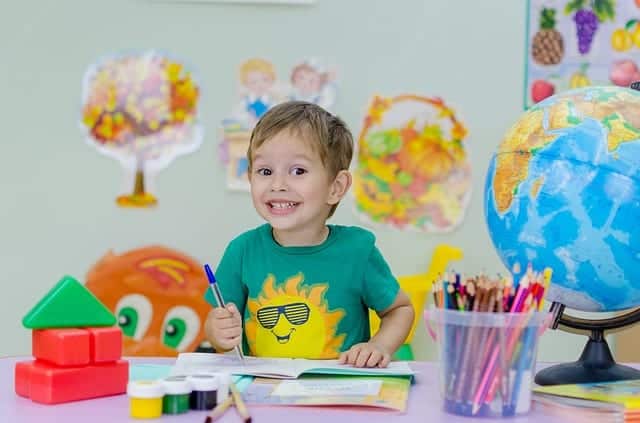
Image by ePhotographyAustralia from Pixabay
2. You’ll Need to Focus On The Basics
Before even starting pre-school, it is important for your child to know their full name, parents/carers names and home address. Encourage your child to remember these so that if they are needed, they can recite them back. It is vital that if your child has an allergy, special health need or illness, they can clearly say what it is. It may be worth purchasing an information note card or bracelet that they can show they’re having trouble remembering.
3. Your Child Will Get Illnesses
With your little one heading off to preschool, you must get ready for the potential onslaught of childhood illnesses. Children are yet to build up their immunity to illnesses and catch catch up to 8 colds a year. Thanks to grubby hands, snotty noses, and coughs, children are bound to catch illnesses from one another in a classroom. Here are some common illnesses you can start preparing for:
Common Cold and Ear Infections
The clue is in the name, but colds and ear infections are extremely normal in children. Look out for sore throats, high temperatures, and earaches. If symptoms present themselves, give your sick little one painkillers, keep them home from pre-school, and keep them hydrated.

Tummy Bugs
Seeing children suffer through tummy bugs can be hard, especially when dealing with sickness, nausea, diarrhea, and cramps. It can take anything from 24 hours to a week to clear up, and rest and comfort are typically the only cures. Keep children hydrated, as dehydration may lead to more serious problems.
Croup
Croup is extremely common in children under 5 and is a viral infection. It is unpreventable and often starts out as a normal cold. Over a few days, symptoms begin to worsen and develop into an inflamed throat. This then results in noisy breathing, a hoarse voice, and loud coughing fits which get worse in the evenings. Usually, most bouts of croup only last a few days, and rest, painkillers, and fluids are recommended. Croup can also become more serious, and some children struggle to breathe. If your child struggles to settle, has a fever, or can’t quite catch their breath, see a doctor immediately.

4. Extreme Tiredness
Children of a pre-school age typically require around 11-12 hours of sleep each night. But when they start pre-school, the whole experience can mean they become much more tired and cranky than usual. There are many things you can do to combat this during the day, such as giving them a balanced breakfast, a healthy packed lunch, and encouraging them to get outside during break time. But when they get home, it is important that you don’t let their tiredness rule over them.
Set a clear bedtime routine involving a bath, consistent meal, play times, and even a story before they go to sleep. Having a clear routine helps them identify that sleep is near and prevents them from nodding off as soon as they get home. You can also give them child-friendly vitamins, such as fish oil capsules, multivitamins, and plenty of vitamin C from fresh fruit and vegetables.
Author Bio
Natalie Wilson is a freelance wellness and lifestyle writer. She loves researching and writing about new wellness trends and topics, as well as keeping up to date with the latest news. When not writing, you can find her taking long walks in the countryside with her dog or browsing her nearest bookstore. You can connect with her on Twitter @NatWilson976.

Related Images:

Guest Contributor
Latest posts by Guest Contributor (see all)
- 14 Spunky Clever Small Bathroom Ideas to Maximize Your Space - July 10, 2025
- 15 Inspiring Ideas for a Cozy Outdoor Retreat You’ll Love - July 10, 2025
- How New Moms Can Take Care of Themselves During the Fourth Trimester - October 25, 2022