Diet Plan for Weight Loss: Top 5 Proven Ways 2024
Diet plan for weight loss can feel like a daunting task, but before you dive into the details, here’s a quick takeaway to get you started:
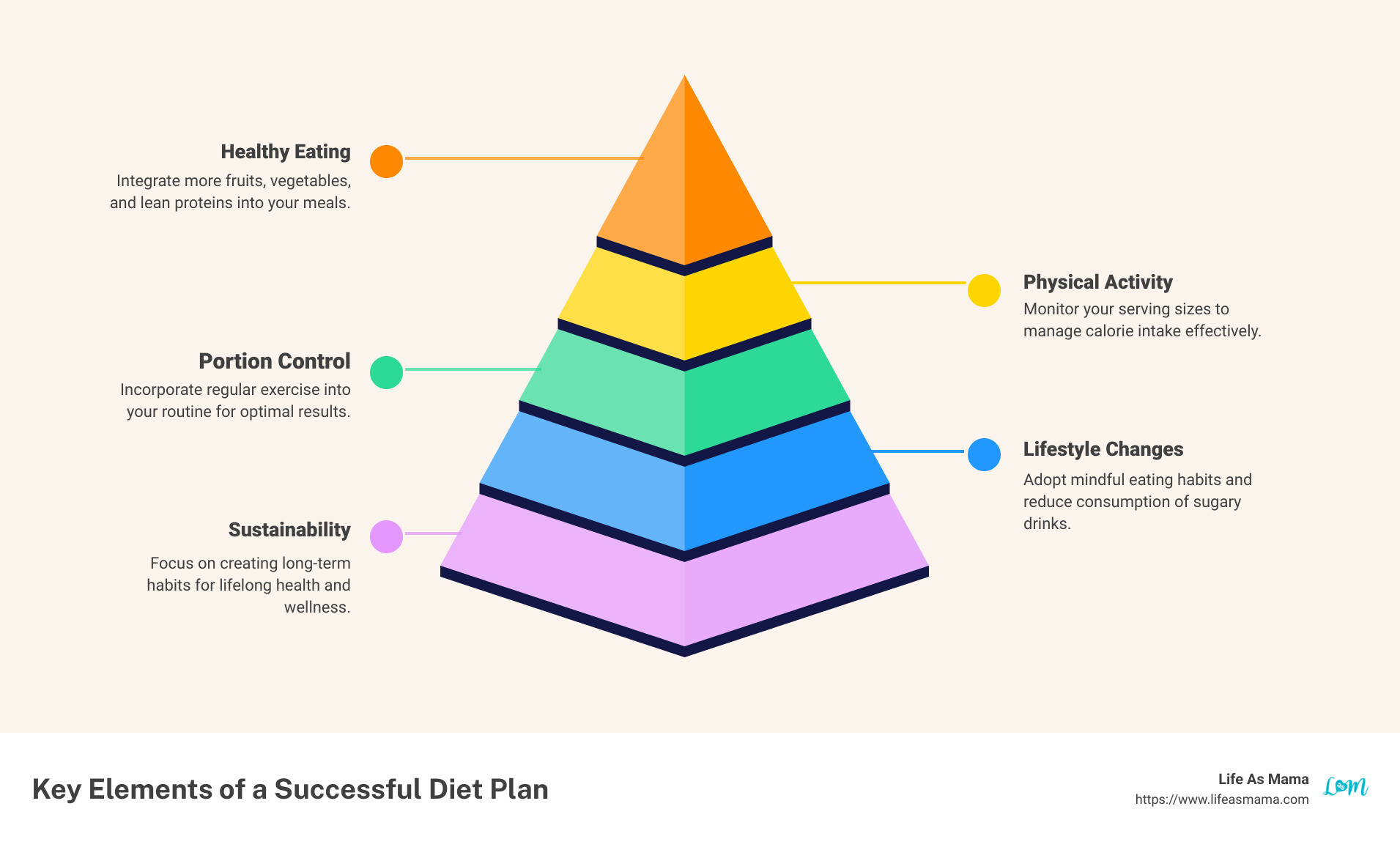
- Consider adopting a diet plan that suits your lifestyle and personal preferences.
- Focus on healthy eating by integrating more fruits, vegetables, and lean proteins into your meals.
- Accept lifestyle changes that include regular physical activity and mindful eating habits.
Achieving a healthy weight involves more than just shedding pounds; it’s about creating a sustainable lifestyle that incorporates nutritious eating and consistent activity. Many find that simple changes, like swapping sugary drinks for water or adding more vegetables to meals, contribute significantly to long-term success. Weight loss can help reduce the risks of diseases such as high blood pressure and type 2 diabetes, making it an essential part of wellness.
As Amanda Schmitt, I blend my experience as a parent and former occupational therapist to guide you through crafting a diet plan for weight loss. My background allows me to offer insights into achieving this balance amidst the hustle of family life.
Understanding Weight Loss Diet Plans
When it comes to choosing a diet plan for weight loss, there are several options that cater to different needs and preferences. Let’s explore some popular diet plans that have helped many people achieve their weight loss goals.
Mediterranean Diet
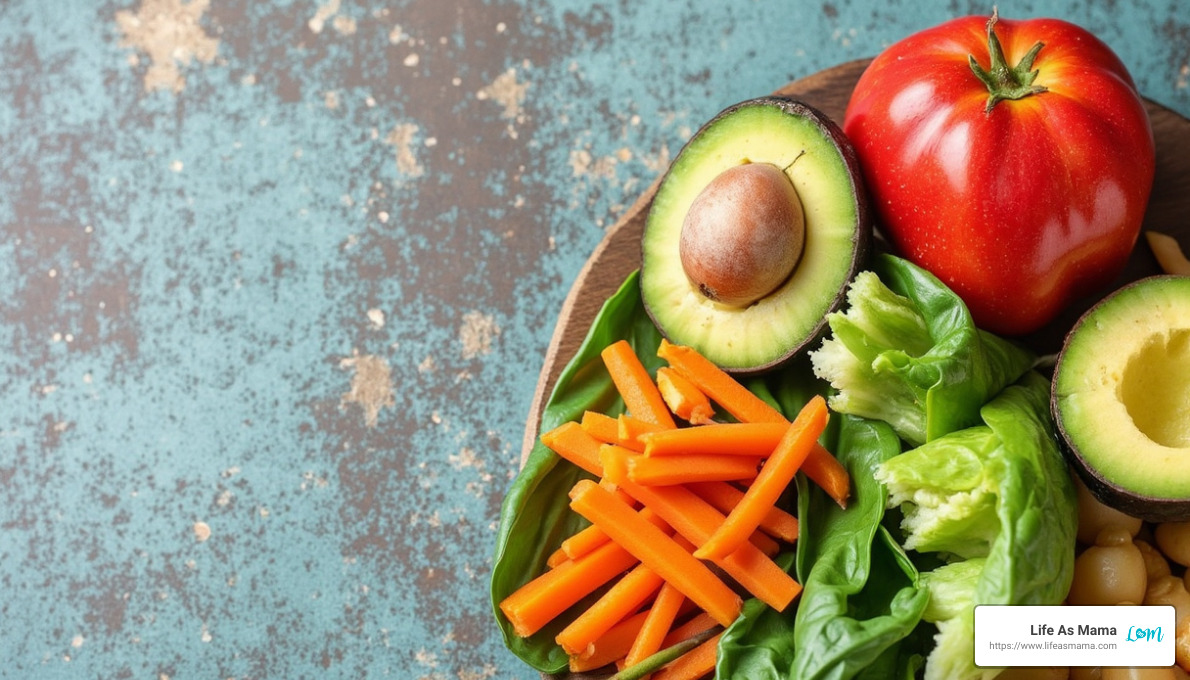
The Mediterranean diet is inspired by the traditional eating habits of countries bordering the Mediterranean Sea. This diet emphasizes the consumption of fruits, vegetables, whole grains, nuts, and olive oil. It also includes moderate amounts of fish and poultry, while limiting red meat and sweets.
Why it works: The Mediterranean diet is rich in healthy fats and fiber, which help you feel full longer. It’s not just about losing weight; it’s about improving heart health and reducing the risk of chronic diseases.
DASH Diet
The DASH (Dietary Approaches to Stop Hypertension) diet is designed to combat high blood pressure. It focuses on reducing sodium intake and encourages eating foods rich in potassium, calcium, and magnesium. This includes plenty of fruits, vegetables, whole grains, and lean proteins.
Why it works: By lowering blood pressure and improving heart health, the DASH diet not only aids in weight loss but also promotes overall wellness.
Intermittent Fasting
Intermittent fasting isn’t about what you eat, but rather when you eat. It involves cycling between periods of eating and fasting. Popular methods include the 16/8 method (16 hours of fasting with an 8-hour eating window) and the 5:2 method (eating normally for five days and restricting calories for two days).
Why it works: Intermittent fasting can help reduce calorie intake and improve metabolism, making it an effective strategy for weight loss.
Plant-Based Diets
Plant-based diets focus on foods derived from plants, including vegetables, fruits, nuts, seeds, oils, whole grains, legumes, and beans. While some people follow a strict vegan diet, others may incorporate small amounts of animal products.
Why it works: Plant-based diets are typically high in fiber and low in calories, which can help with weight loss. They also offer numerous health benefits, such as lowering the risk of heart disease and improving digestion.
Choosing the right diet plan is about finding what works best for you and your lifestyle. The key to successful weight loss is consistency and making sustainable changes. Next, we’ll dig into some of the top diet plans for weight loss, exploring how they can fit into your daily routine.
Top Diet Plans for Weight Loss
When you’re looking to shed some pounds, choosing the right diet plan for weight loss can make all the difference. Let’s explore some of the most popular and effective diet plans available today.
WeightWatchers
WeightWatchers, often referred to as WW, is a well-known program that uses a points-based system to guide food choices. Each food is assigned a point value based on its nutritional content. This allows you to eat what you love while staying within your allotted points.
Why it works: WW encourages balanced eating and portion control, making it easier to maintain a healthy lifestyle. The community support and flexibility it offers can be motivational for many people.
Mayo Clinic Diet
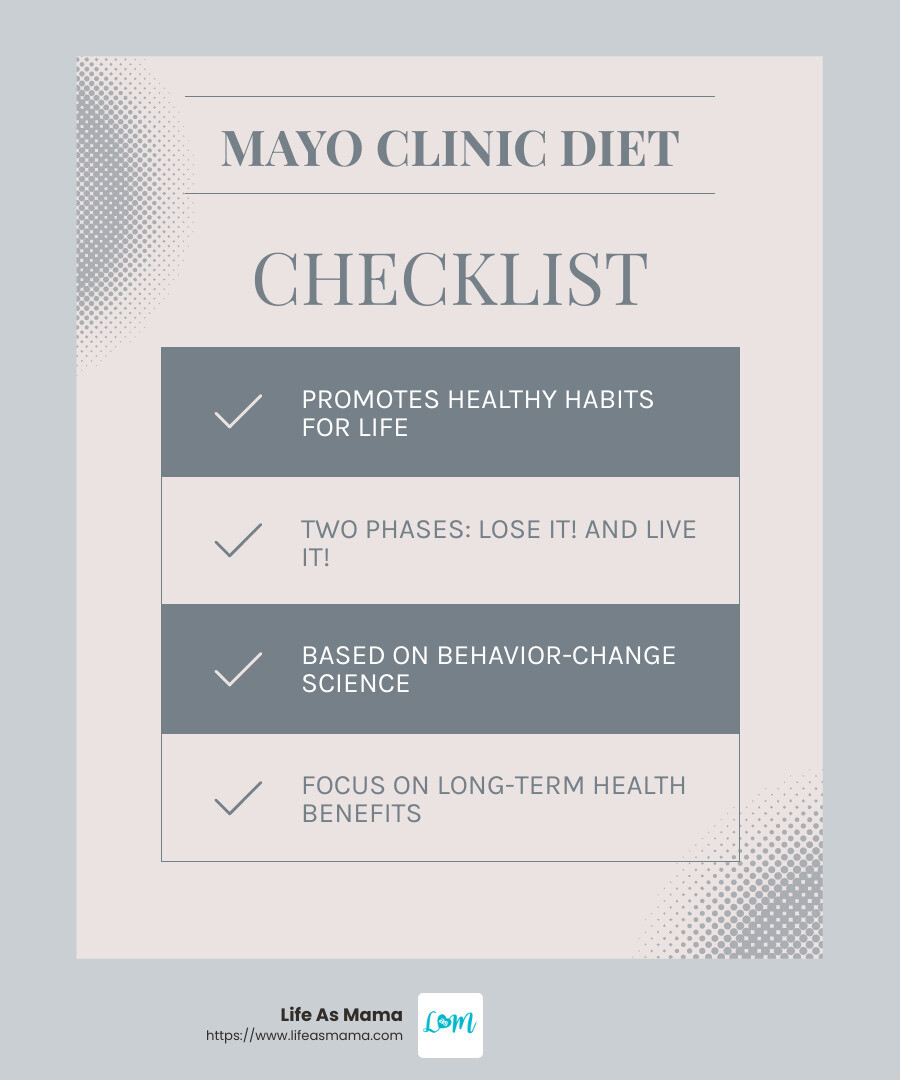
The Mayo Clinic Diet focuses on building healthy habits for long-term success. It consists of two phases: “Lose It!” and “Live It!” The first phase is designed to kickstart weight loss by encouraging new healthy habits, while the second phase is about maintaining those habits for life.
Why it works: By emphasizing behavior-change science, the Mayo Clinic Diet helps you develop a sustainable approach to eating and exercise.
Volumetrics Diet
The Volumetrics Diet is all about eating more low-calorie, high-volume foods. This means filling up on fruits, vegetables, and soups that are low in calories but high in nutrients.
Why it works: By focusing on foods that make you feel full, the Volumetrics Diet helps reduce overall calorie intake without feeling deprived.
Keto Diet
The Keto Diet is a low-carb, high-fat diet that aims to put your body into a state of ketosis, where it burns fat for fuel instead of carbohydrates. This involves eating plenty of fats, moderate protein, and very few carbs.
Why it works: Many people experience rapid weight loss on the Keto Diet due to the reduction in carbs and the body’s shift to burning fat for energy.
Paleo Diet
The Paleo Diet encourages eating like our ancestors, focusing on whole foods such as lean meats, fish, fruits, vegetables, nuts, and seeds. It avoids processed foods, grains, dairy, and legumes.
Why it works: By eliminating processed foods and sugars, the Paleo Diet can lead to weight loss and improved health markers.
Each of these diet plans offers unique benefits and challenges. The key is finding one that aligns with your lifestyle and preferences, ensuring you can stick with it in the long run. Next, we’ll explore how you can create a personalized diet plan custom to your individual needs.
The Mayo Clinic Diet: A Sustainable Approach
The Mayo Clinic Diet is more than just a weight-loss plan; it’s a lifestyle change rooted in science. This approach focuses on developing healthy habits that you can maintain for a lifetime.
Healthy Habits
At the core of the Mayo Clinic Diet are simple, yet powerful habits. It encourages you to:
- Eat more fruits and vegetables: These foods are nutrient-rich and low in calories, making them ideal for weight loss.
- Move your body: Aim for at least 30 minutes of physical activity each day.
- Avoid eating while watching TV: This habit helps you focus on your food, reducing the likelihood of overeating.
These habits are not just about losing weight; they are about creating a healthier, more balanced life.
Behavior-Change Science
The Mayo Clinic Diet is backed by the latest in behavior-change science. This means it’s designed to help you:
- Find your inner motivation: Understanding why you want to lose weight can be a powerful driver for change.
- Set achievable goals: Breaking down your weight-loss journey into smaller, manageable steps makes it easier to stay on track.
- Handle setbacks: Learning to deal with challenges and setbacks is crucial for long-term success.
By focusing on behavior change, the Mayo Clinic Diet helps you make lasting improvements to your lifestyle.
Lifelong Health
The ultimate goal of the Mayo Clinic Diet is to promote lifelong health. It’s not about quick fixes or extreme diets, but about making sustainable changes that improve your overall well-being.
The diet is divided into two phases:
-
Lose It!: This initial phase is a two-week jumpstart that can help you lose 6 to 10 pounds. It’s about adopting new habits and seeing quick results to boost your motivation.
-
Live It!: This phase is about maintaining those habits. You continue to learn about portion sizes, menu planning, and physical activity, aiming for a steady weight loss of 1 to 2 pounds per week until you reach your goal weight.
The Mayo Clinic Diet provides tools like a food and exercise journal and a weight tracker to support your journey. By focusing on what you can eat rather than what you can’t, it helps create a positive and enjoyable path to health.
Next, let’s explore how to create a personalized diet plan for weight loss that fits your lifestyle and goals.
Creating Your Personalized Diet Plan for Weight Loss
Creating a personalized diet plan for weight loss isn’t just about cutting calories. It’s about finding a balance that works for you and supports your health goals. Let’s break it down into four key areas: calorie intake, portion control, meal planning, and physical activity.
Calorie Intake
To lose weight, you need to consume fewer calories than you burn. A good starting point is to reduce your daily intake by 500 to 750 calories. This can lead to a safe weight loss of 1 to 1½ pounds per week.
- For most women: Aim for 1,200–1,500 calories per day.
- For men, or active women: Aim for 1,500–1,800 calories per day.
Very low-calorie diets (under 800 calories) should only be done under medical supervision.
Portion Control
Portion control is crucial. It’s not just about what you eat, but how much. Here are some tips:
- Use smaller plates: This can make your portions look larger and help you feel more satisfied.
- Measure your food: Use measuring cups or a food scale to ensure you’re not overeating.
- Listen to your body: Eat when you’re hungry and stop when you’re full.
Meal Planning
Planning your meals can make it easier to stick to your diet plan. Here’s how:
- Plan ahead: Decide what you’ll eat for each meal and snack. This helps prevent impulsive eating.
- Balance your plate: Fill half your plate with vegetables and fruits, a quarter with lean protein, and a quarter with whole grains.
- Prepare in batches: Cook larger portions and store them for future meals. This saves time and keeps you on track.
Physical Activity
Physical activity is a key part of any weight loss plan. Aim for at least 30 minutes of exercise most days of the week. Here are some ideas:
- Find activities you enjoy: This could be walking, biking, dancing, or even gardening.
- Make it social: Exercise with friends or family for extra motivation.
- Mix it up: Try different activities to keep things interesting and work different muscle groups.
By focusing on these areas—calorie intake, portion control, meal planning, and physical activity—you can create a diet plan for weight loss that fits your lifestyle and helps you reach your goals. Now, let’s dive into some frequently asked questions about diet plans for weight loss.
Frequently Asked Questions about Diet Plans for Weight Loss
What diet plan is best to lose weight?
When it comes to choosing the best diet plan for weight loss, there are several popular options backed by research. The Mediterranean diet is often praised for its heart-healthy benefits and emphasis on fruits, vegetables, whole grains, and healthy fats. It’s not just about weight loss; it’s about improving overall health.
Another option is WW (Weight Watchers), which uses a point system to help you make healthier food choices. This plan is flexible and encourages a balanced diet without strict restrictions, making it easier to maintain long-term.
The DASH diet (Dietary Approaches to Stop Hypertension) is also effective for weight loss. It focuses on reducing sodium intake and eating nutrient-rich foods, which can help lower blood pressure and improve heart health.
What is the most effective diet for fast weight loss?
For those looking to shed pounds quickly, intermittent fasting and low-carb diets are popular choices. Intermittent fasting involves cycling between periods of eating and fasting, which can help reduce calorie intake and promote weight loss.
Low-carb diets, such as the Paleo diet, focus on reducing carbohydrates and increasing protein and healthy fats. This can lead to rapid weight loss by putting your body in a state of ketosis, where it burns fat for energy instead of carbs.
However, it’s important to approach fast weight loss with caution, as it may not be sustainable in the long term. Always consult with a healthcare professional before starting any extreme diet.
What is the 30/30/30 rule for weight loss?
The 30/30/30 rule is a simple guideline to help you manage your weight. It suggests that you aim for:
- 30 grams of protein per meal: Protein helps keep you full and supports muscle maintenance during weight loss.
- 30 minutes of exercise each day: Regular physical activity boosts metabolism and aids in weight management.
- 30 days of consistency: Sticking to your diet and exercise routine for at least a month can help establish healthy habits.
This rule is a great starting point for those new to dieting and exercise, as it emphasizes the importance of a balanced approach to weight loss.
By understanding these popular diet plans and strategies, you can make informed decisions about which diet plan for weight loss might work best for you.
Conclusion
At Life As Mama, we’re all about making life easier and more enjoyable for families. Our practical guides offer simple and effective tips that fit seamlessly into your busy lifestyle. Whether you’re planning meals, looking for fun activities, or seeking health advice, our content is designed to support you every step of the way.
When it comes to weight loss, we know how important it is to find a plan that works for your family. That’s why we focus on providing family-friendly tips that make healthy living accessible and sustainable. Our guides emphasize small, manageable changes that can lead to big results over time.
For those interested in exploring different diet plans, consider starting with a personalized diet plan for weight loss. This can include monitoring your calorie intake, practicing portion control, and incorporating more physical activity into your daily routine. The key is to find a balance that fits your lifestyle and supports your health goals.
We hope our comprehensive guide has given you the insights you need to start on your weight loss journey. For more family-friendly tips and practical advice, explore our top keto shakes for weight loss reviewed page.
Thank you for trusting Life As Mama as your go-to resource for family-focused content. Together, let’s create a healthier, happier lifestyle for you and your loved ones.
Related Images:

Amanda Schmitt
Latest posts by Amanda Schmitt (see all)
- Fruit Infused Waters That Make Summer Hydration Fun - July 1, 2025
- Light Up Your Life: Home Lighting Decoration Ideas - June 30, 2025
- Let’s Taco Party! Easy Steps for a Perfect Taco Bar Setup - June 27, 2025