As the seasons change, so do the allergens that can trigger uncomfortable symptoms. Understanding the differences between fall allergies and spring allergies can help you better manage your seasonal allergies and find relief. Whether you’re dealing with nasal congestion, itchy eyes, or persistent sneezing, knowing the specific triggers and symptoms of each season can make a significant difference in your allergy management.
Key Takeaways:
- Fall allergies and spring allergies have different triggers, such as ragweed pollen and mold spores in the fall, and tree pollen and grass pollen in the spring.
- Understanding the common allergy symptoms associated with each season can help you identify which season affects you the most.
- Effective allergy relief strategies, such as minimizing exposure to allergens and seeking professional help when needed, can alleviate your symptoms and improve your quality of life.
- Hay fever is a common term used to describe allergies that occur in both fall and spring due to pollen allergies.
- Managing your allergies may require making lifestyle changes and implementing proactive measures to minimize allergen exposure in your home environment.
What are Seasonal Allergies?
Before we dive into the differences between fall and spring allergies, let’s first understand what seasonal allergies are. Seasonal allergies, also known as hay fever or allergic rhinitis, are allergic reactions that occur during specific times of the year when certain plants release their pollen into the air. This pollen can trigger an immune response in individuals who are sensitive to these allergens.
Common Symptoms of Seasonal Allergies:
- Nasal congestion
- Runny or itchy nose
- Sneezing
- Watery or itchy eyes
- Itchy throat or ears
- Coughing
- Fatigue
If you experience any of these symptoms during specific seasons, it’s likely that you have seasonal allergies. However, it’s important to consult with a healthcare professional for an accurate diagnosis.
Relief Options for Seasonal Allergies:
If seasonal allergies are affecting your daily life, there are several relief options available:
- Over-the-counter medications: Antihistamines, nasal sprays, and decongestants can help alleviate symptoms.
- Allergy shots: Also known as immunotherapy, allergy shots can help reduce the severity of allergic reactions over time.
- Natural remedies: Some individuals find relief through natural remedies such as saline rinses, steam inhalation, and herbal supplements. However, it’s important to consult with a healthcare professional before trying any new remedies.
Seeking relief from seasonal allergies can significantly improve your quality of life, allowing you to enjoy the changing seasons without constant discomfort.
Now that we have a basic understanding of seasonal allergies and their symptoms, let’s explore the specific triggers and symptoms associated with spring allergies in the next section.
Spring Allergies: Triggers and Symptoms
When spring arrives, many individuals find themselves battling spring allergies triggered by tree pollen and grass pollen. These allergens can cause a range of bothersome symptoms, including nasal congestion, sneezing, and itchy eyes. In this section, we will explore the common symptoms associated with spring allergies and provide tips on how to alleviate nasal congestion and other discomforts.
“Spring is in the air, but so are the allergens. Tree pollen and grass pollen can wreak havoc on your respiratory system, leading to a variety of symptoms.”
When exposed to tree pollen and grass pollen, individuals with spring allergies may experience the following symptoms:
- Nasal congestion
- Sneezing
- Runny nose
- Itchy or watery eyes
- Scratchy throat
- Coughing
These symptoms can significantly impact daily life and hinder productivity. However, there are steps you can take to alleviate nasal congestion and other discomforts associated with spring allergies.
Tips to Alleviate Nasal Congestion:
If nasal congestion is a persistent issue during the spring, consider trying the following remedies:
- Use saline nasal sprays or rinses to keep your nasal passages moisturized and clear.
- Try over-the-counter antihistamines or decongestants to relieve congestion.
- Avoid spending extended periods outdoors during peak pollen times.
- Keep windows closed and use air filters in your home to reduce pollen exposure.
- Wash your hands frequently to remove pollen particles that may have collected on your skin.
By following these tips, you can minimize the impact of nasal congestion and other spring allergy symptoms, allowing you to enjoy the season to the fullest.
| Spring Allergy Symptoms | Tips to Alleviate Nasal Congestion |
|---|---|
| Nasal congestion | Use saline nasal sprays or rinses to keep your nasal passages moisturized and clear. |
| Sneezing | Try over-the-counter antihistamines or decongestants to relieve congestion. |
| Runny nose | Avoid spending extended periods outdoors during peak pollen times. |
| Itchy or watery eyes | Keep windows closed and use air filters in your home to reduce pollen exposure. |
| Scratchy throat | Wash your hands frequently to remove pollen particles that may have collected on your skin. |
| Coughing |
Fall Allergies: Triggers and Symptoms
Fall allergies are a common seasonal affliction, causing discomfort and affecting daily life. These allergies are primarily triggered by two main culprits: ragweed pollen and mold spores.
Ragweed, a common weed found throughout the United States, releases copious amounts of pollen during the fall season. This fine, powdery substance can easily be inhaled and irritate the airways, leading to a range of allergy symptoms.
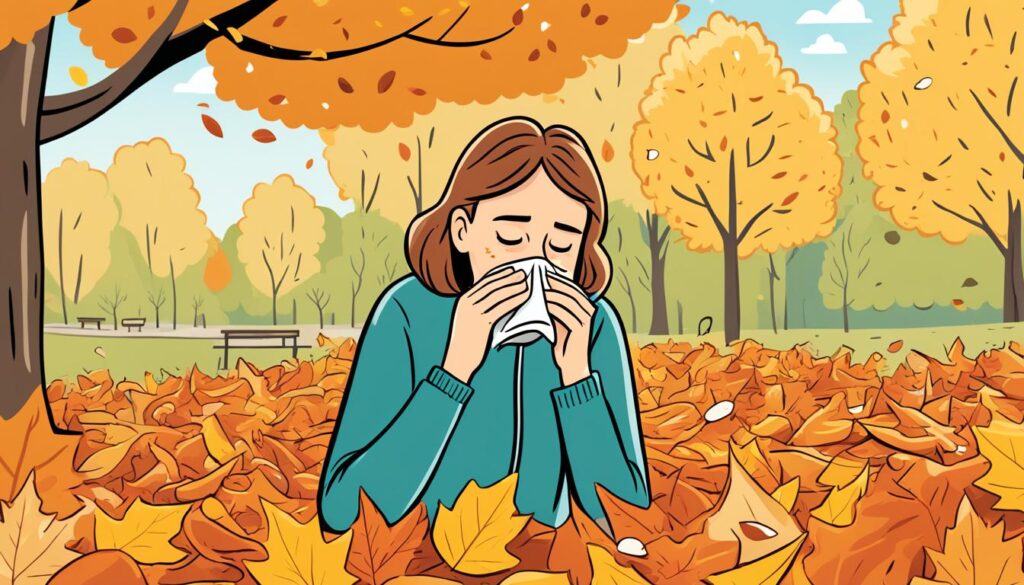
Mold spores, on the other hand, thrive in the damp and decaying plant matter that can be found outdoors during the fall. These microscopic particles become airborne and can trigger allergic reactions when inhaled.
The symptoms of fall allergies are similar to other seasonal allergies and may include:
- Nasal congestion – also known as a stuffy nose, this is a common symptom of fall allergies.
- Runny nose – excess nasal discharge is often experienced during an allergic reaction.
- Sneezing – uncontrollable sneezing can be triggered by the allergens present in the air.
- Itchy, watery eyes – allergies can cause irritation and discomfort in the eyes.
- Coughing – a persistent cough may develop as the body tries to expel irritants.
- Post-nasal drip – excess mucus can drip down the back of the throat, leading to a sore throat and a feeling of congestion.
To effectively manage fall allergies, it is essential to minimize exposure to ragweed pollen and mold spores. Here are some strategies to help alleviate symptoms:
- Monitor pollen and mold spore levels: Stay informed about daily pollen and mold spore counts in your area using local weather reports or online pollen trackers.
- Limit outdoor activities: Avoid spending extended periods outdoors, especially on windy days when pollen and mold spores are more likely to be in the air.
- Keep windows closed: Keep windows and doors closed to prevent allergens from entering your home.
- Use air purifiers: Consider using air purifiers with HEPA filters to remove allergens from the indoor air.
- Keep indoor humidity in check: Control indoor humidity levels to inhibit mold growth. Use dehumidifiers if necessary.
- Wash clothes after outdoor activities: Remove and wash clothes worn outside to minimize contact with allergens.
By implementing these measures and staying vigilant about allergen exposure, you can effectively manage fall allergies and alleviate nasal congestion and other symptoms associated with this season.
Comparing Allergy Symptoms in Spring and Fall
When it comes to seasonal allergies, understanding the common symptoms that occur in both spring and fall can help you better manage your allergies and find relief. While the triggers may vary, the symptoms experienced during these seasons can often be quite similar.
Allergy Symptoms
During both spring and fall, individuals with allergies may experience:
- Nasal congestion
- Sneezing
- Runny or stuffy nose
- Itchy or watery eyes
- Scratchy throat
- Coughing
These symptoms can be uncomfortable and disruptive to daily life. If you consistently experience these symptoms during specific seasons, it’s important to identify whether you are affected by fall allergies or spring allergies.
“Understanding the similarities and differences in allergy symptoms between spring and fall can help you determine which season triggers your allergies and take necessary precautions to manage them effectively.”
The Differences
While the symptoms may be similar, there are also some notable differences to consider:
| Spring Allergies | Fall Allergies |
|---|---|
| Triggered by tree pollen and grass pollen | Caused by ragweed pollen and mold spores |
| Peak in springtime when trees and grasses release their pollen | Peak in late summer and early fall when ragweed pollen is prevalent |
| Symptoms may include itchy, watery eyes, scratchy throat, and sneezing | Symptoms may include nasal congestion, itchy nose, and post-nasal drip |
Understanding these differences can help you determine the specific allergens and seasons that affect you the most. By knowing your allergies, you can take the necessary precautions and make informed decisions about your allergy management.
Now that we’ve compared the allergy symptoms in spring and fall, let’s dive deeper into managing each season’s allergies and finding effective relief.
Managing Spring Allergies
If you suffer from spring allergies, it’s essential to find effective ways to manage your symptoms to enjoy the season to the fullest. Dealing with hay fever, tree pollen, and grass pollen can be challenging, but we have compiled some useful tips and strategies to help you find allergy relief and minimize discomfort.
Understanding Hay Fever
Hay fever, also known as allergic rhinitis, is a common condition that affects many individuals during the spring season. It is characterized by symptoms such as sneezing, itchy and watery eyes, runny nose, and nasal congestion. Hay fever is often triggered by the presence of tree pollen and grass pollen in the air.
To reduce hay fever symptoms:
- Avoid spending time outdoors during peak pollen periods, typically in the morning and late afternoon.
- Keep doors and windows closed to prevent pollen from entering your home.
- Use air purifiers and HEPA filters to remove allergens from the air inside your home.
Minimizing Exposure to Tree and Grass Pollen
Pollen from trees and grasses can worsen spring allergies. By taking some preventive measures, you can help minimize your exposure to these allergens:
- Avoid mowing the lawn yourself, as it can stir up grass pollen.
- Wear a hat and sunglasses when spending time outdoors to protect your eyes from pollen.
- Take a shower and change your clothes immediately after spending time outside to wash away any pollen that may have settled on your body or clothes.
| Tip | Description |
|---|---|
| Keep windows closed | Prevent pollen from entering your home by keeping windows closed during peak pollen periods. |
| Use nasal irrigation | Nasal irrigation using a saline solution can help flush out allergens and alleviate nasal congestion. |
| Monitor pollen counts | Stay updated on daily pollen counts in your area to plan outdoor activities accordingly. |
By following these tips and techniques, you can reduce your exposure to tree pollen and grass pollen, and manage your spring allergies more effectively. Remember to consult with a healthcare professional for personalized advice and treatment options.
Managing Fall Allergies
For those experiencing fall allergies, finding effective ways to manage symptoms triggered by ragweed pollen and mold spores is crucial. By implementing practical advice and relief options, you can alleviate discomfort and minimize the impact of fall allergies on your daily life.
1. Minimize Exposure
To reduce the risk of fall allergies, take steps to minimize your exposure to ragweed pollen and mold spores. Keep windows closed to prevent these allergens from entering your home and use air purifiers to improve indoor air quality. Additionally, try to avoid outdoor activities during peak pollen times and consider wearing a mask when doing yard work or raking leaves.
2. Keep Your Home Clean
Regularly clean your home to remove any accumulated allergens. Dust and vacuum frequently, paying extra attention to areas where mold might grow, such as bathrooms and basements. Consider using HEPA filters in your vacuum and changing them regularly to ensure optimal filtration.
3. Stay Prepared with Medications
Have over-the-counter allergy medications on hand to provide relief when symptoms arise. Antihistamines can help alleviate itching and sneezing, while nasal sprays can reduce nasal congestion. However, if your symptoms persist or worsen, consult a healthcare professional for further evaluation and guidance.
4. Seek Allergy Testing
If your fall allergies are severe or significantly impact your quality of life, consider undergoing allergy testing. By identifying specific allergens that trigger your symptoms, you can take targeted steps to avoid them and seek appropriate treatment options.
5. Consult with an Allergist
An allergist can provide expert guidance and recommend a personalized treatment plan for managing fall allergies. They may prescribe allergy shots or immunotherapy to help desensitize your immune system to allergens over time, reducing the severity of your symptoms.
By following these tips and seeking professional help when needed, you can effectively manage fall allergies and enjoy the season without constant discomfort. Remember, everyone’s allergies are unique, so finding the best approach for managing your symptoms may require some trial and error.
Preventing Allergy Symptoms in Both Seasons
Preventing allergy symptoms is crucial for enjoying the spring and fall seasons to the fullest. By taking proactive measures and implementing healthy habits, you can minimize exposure to allergens and reduce the severity of your allergy symptoms.
1. Keep Indoor Air Clean
Indoor allergens like dust mites, pet dander, and mold can trigger allergy symptoms year-round. Here are some steps you can take to keep your indoor air clean:
- Regularly vacuum carpets, rugs, and upholstery using a vacuum cleaner with a HEPA filter.
- Dust your home frequently and use a damp cloth to avoid spreading allergens into the air.
- Wash bedding, curtains, and stuffed animals regularly in hot water to eliminate dust mites.
- Use a dehumidifier to control the humidity levels in your home and prevent mold growth.
2. Monitor Pollen Counts
Stay informed about the pollen levels in your area to plan your outdoor activities accordingly. Check local weather websites or use pollen count apps to keep track of pollen forecasts. Try to limit your time outside when pollen counts are high, especially during the peak allergy seasons.
3. Create Allergy-Free Zones
If you find certain allergens trigger your symptoms, create allergy-free zones in your home where you can seek relief. Consider implementing the following strategies:
- Keep pets out of specific areas, such as bedrooms or living rooms, to minimize exposure to pet dander.
- Designate a shoe-free zone near the entrance of your home to prevent outdoor allergens from being tracked inside.
- Use allergen-proof covers for pillows, mattresses, and box springs to protect against dust mites.
4. Practice Good Hygiene
Practicing good hygiene can help reduce the spread of allergens and prevent allergy symptoms:
- Wash your hands frequently, especially after being outside or coming into contact with potential allergens.
- Take a shower and change your clothes after spending time outdoors to remove any allergens on your body or clothing.
- Avoid hanging laundry outside to dry, as pollen and other allergens can stick to your clothes.
5. Consult an Allergist
If your allergies are significantly impacting your daily life and over-the-counter remedies are not providing relief, it may be time to consult an allergist. They can conduct tests to identify specific allergens and develop a personalized treatment plan tailored to your needs.
Remember, preventing allergy symptoms requires a combination of proactive measures and lifestyle modifications. By taking these steps, you can enjoy the beauty of both spring and fall without letting your allergies hold you back.
| Preventive Measures | Benefits |
|---|---|
| Keeping indoor air clean | Reduces exposure to indoor allergens |
| Monitoring pollen counts | Helps plan outdoor activities during low pollen periods |
| Creating allergy-free zones | Provides relief from allergens in specific areas of the home |
| Practicing good hygiene | Reduces the spread of allergens and prevents symptoms |
| Consulting an allergist | Receives personalized treatment and long-term relief |
Seeking Professional Help for Allergy Relief
In some cases, managing allergies on your own may not be enough. When you experience persistent symptoms or find it difficult to alleviate nasal congestion and other discomforts associated with seasonal allergies, it’s advisable to seek professional help for effective allergy relief.
Consulting with an allergist can provide you with expert guidance and personalized treatment options tailored to your specific needs. Allergists are medical professionals who specialize in diagnosing and treating allergies and related conditions.
During your consultation, the allergist will conduct a comprehensive evaluation to identify the triggers and severity of your allergies. They may recommend specific diagnostic tests, such as blood tests or skin prick tests, to determine your sensitivities to various allergens.
Based on the results, the allergist will develop a customized treatment plan that may include a combination of medication, immunotherapy (allergy shots), and lifestyle modifications.
Medication
“In cases of moderate to severe seasonal allergies, medications can provide significant relief. Antihistamines, nasal corticosteroids, decongestants, and leukotriene modifiers are commonly prescribed to manage allergy symptoms. These medications help alleviate nasal congestion, sneezing, itching, and other discomforts associated with seasonal allergies.”
It’s important to follow the allergist’s instructions when taking medication to ensure proper dosages and timing. They may also recommend over-the-counter remedies for temporary relief.
Immunotherapy
“Immunotherapy, commonly known as allergy shots, can be an effective long-term solution for seasonal allergies. It involves a series of injections containing small amounts of allergens, gradually desensitizing your immune system to the triggers. Over time, this can reduce the severity of your symptoms and provide lasting relief.”
Immunotherapy is typically recommended for individuals with severe allergies or those who do not find adequate relief from medication alone. The allergist will create a personalized immunotherapy schedule based on your specific allergies and sensitivities.
Image: Nasal congestion (Source: Unsplash)
If you decide to pursue immunotherapy, it’s important to understand that it is a long-term commitment. The treatment may span several years, with regular visits to the allergist for injections and monitoring of your progress.
Note: Not all individuals are suitable candidates for immunotherapy. Your allergist will assess your medical history, symptoms, and test results to determine if it is the right course of treatment for you.
In addition to medication and immunotherapy, the allergist may provide guidance on lifestyle modifications to minimize exposure to triggers and alleviate allergy symptoms. These may include recommendations for creating an allergen-free home environment, managing outdoor activities, and implementing preventive measures during peak allergy seasons.
By seeking professional help for allergy relief, you can gain valuable insights and access to specialized treatments that can significantly improve your quality of life during seasonal allergy episodes. Consult with an allergist to develop an effective plan that addresses your unique needs and helps you find long-term relief from nasal congestion and other symptoms.
Lifestyle Changes for Allergy Management
Making certain lifestyle changes can significantly improve your allergy management. By taking proactive steps to reduce allergen exposure and making modifications in your home environment, you can alleviate symptoms and find relief from seasonal allergies.
1. Keep Your Home Clean
Regular cleaning can help minimize allergen buildup in your living space. Vacuuming carpets and upholstery, dusting furniture, and washing bedding frequently can reduce the presence of dust mites, pollen, and other common allergens.
2. Maintain Optimal Indoor Humidity
Controlling indoor humidity levels can prevent mold growth and reduce the likelihood of allergic reactions. Use dehumidifiers in damp areas and ensure proper ventilation to keep humidity levels between 30% and 50%.
3. Create a Pollen-Free Zone
Designate a pollen-free area in your home, such as your bedroom. Keep windows closed during peak pollen seasons and use air purifiers with high-efficiency particulate air (HEPA) filters to trap pollen and other airborne allergens.
4. Minimize Outdoor Allergen Exposure
When spending time outside, take precautions to prevent allergens from entering your home. Remove your shoes at the door, change clothes after being outdoors, and consider rinsing your hair to wash away any pollen or allergens.
5. Practice Good Personal Hygiene
Washing your hands frequently and showering before bed can help remove allergens from your body and prevent them from transferring to your bedding. This simple practice can reduce the risk of nighttime allergies and nasal congestion.
6. Avoid Irritants
Minimize exposure to irritants such as cigarette smoke, strong perfumes, and cleaning chemicals, as they can worsen allergy symptoms and trigger nasal congestion.
7. Consider Allergen-Proof Bedding
Investing in allergen-proof bedding covers for mattresses, pillows, and comforters can create a barrier between you and the allergens present in your bedding.
8. Seek Relief with Nasal Irrigation
Nasal irrigation using a saline solution can help flush out allergens and relieve nasal congestion. It’s a safe and effective way to alleviate allergy symptoms and improve sinus health.
9. Manage Stress Levels
Stress can worsen allergy symptoms. Incorporate stress-relieving activities into your daily routine, such as exercise, meditation, or yoga, to help keep your immune system balanced and reduce the impact of allergies.
Implementing these lifestyle changes can complement other allergy management strategies, such as medication and allergen immunotherapy. By making these adjustments, you can create a healthier environment and improve your quality of life, finding long-term relief from seasonal allergies and nasal congestion.
Final Thoughts on Managing Seasonal Allergies for Mothers
In conclusion, understanding the differences between fall allergies and spring allergies is crucial for effectively managing your symptoms. By being aware of the specific triggers and symptoms associated with each season, you can take the necessary steps to alleviate discomfort and find relief.
To minimize the impact of seasonal allergies, it is important to implement preventive measures. This includes keeping windows closed during high pollen count days, regularly cleaning and vacuuming your home, and using air purifiers to remove allergens from the air.
If your symptoms persist or worsen, seeking professional help from an allergist is recommended. They can provide a proper diagnosis, prescribe appropriate medications or immunotherapy treatments, and offer personalized advice on managing your allergies.
Lastly, lifestyle changes such as avoiding outdoor activities during peak pollen times, wearing sunglasses to protect your eyes, and changing clothes and showering after being outside can significantly reduce your exposure to allergens and alleviate symptoms.
FAQ
What are the main differences between fall allergies and spring allergies?
Fall allergies are typically triggered by ragweed pollen and mold spores, while spring allergies are often caused by tree pollen and grass pollen.
What are the symptoms of seasonal allergies?
Common symptoms of seasonal allergies include sneezing, itching, watery eyes, runny nose, nasal congestion, and coughing.
How can I alleviate nasal congestion caused by spring allergies?
To relieve nasal congestion caused by spring allergies, you can try over-the-counter nasal sprays or antihistamines. It is also helpful to keep windows closed and avoid outdoor activities during high pollen count days.
What triggers fall allergies?
Fall allergies are primarily triggered by ragweed pollen and mold spores, which are more prevalent during the fall season.
How can I manage fall allergies?
To manage fall allergies, you can take over-the-counter antihistamines or use nasal sprays. It is also important to keep your home clean to minimize exposure to mold spores.
What are the common allergy symptoms in both spring and fall?
Common allergy symptoms that occur in both spring and fall include sneezing, itching, watery eyes, and nasal congestion.
How can I minimize exposure to tree and grass pollen during spring?
To minimize exposure to tree and grass pollen during spring, you can stay indoors during peak pollen times, use air purifiers or pollen filters, and keep windows closed.
How can I find relief from fall allergies?
You can find relief from fall allergies by using over-the-counter antihistamines, nasal sprays, and decongestants. Additionally, keeping your home clean and dry can help reduce exposure to mold spores.
What are some preventive measures for reducing allergy symptoms in both seasons?
Preventive measures for reducing allergy symptoms in both seasons include keeping windows closed, using air purifiers, washing bedding regularly, and avoiding outdoor activities during high pollen count days.
When should I seek professional help for allergy relief?
It is advisable to seek professional help for allergy relief if over-the-counter medications do not provide sufficient relief or if your symptoms significantly impact your daily life.
How can I make lifestyle changes to better manage my allergies?
Making lifestyle changes such as keeping your home clean, using allergen-proof bedding, and avoiding exposure to known allergens can help improve allergy management.
Related Images:

Amanda Schmitt
Latest posts by Amanda Schmitt (see all)
- Healthy and Quick Back to School Breakfast Ideas - August 27, 2026
- 20 DIY Easter Centerpieces That Aren’t Just for Kids - October 9, 2025
- 18 Adult Birthday Party Themes for a Sophisticated Celebration - October 3, 2025