When the vibrant colors of summer start to fade, fall bedding plants bring new life and cheer to your garden. These hardy plants don’t just survive the cooler months—they thrive in them. They fill your outdoor space with refreshing colors and endless blooms, right when most other plants are slowing down.
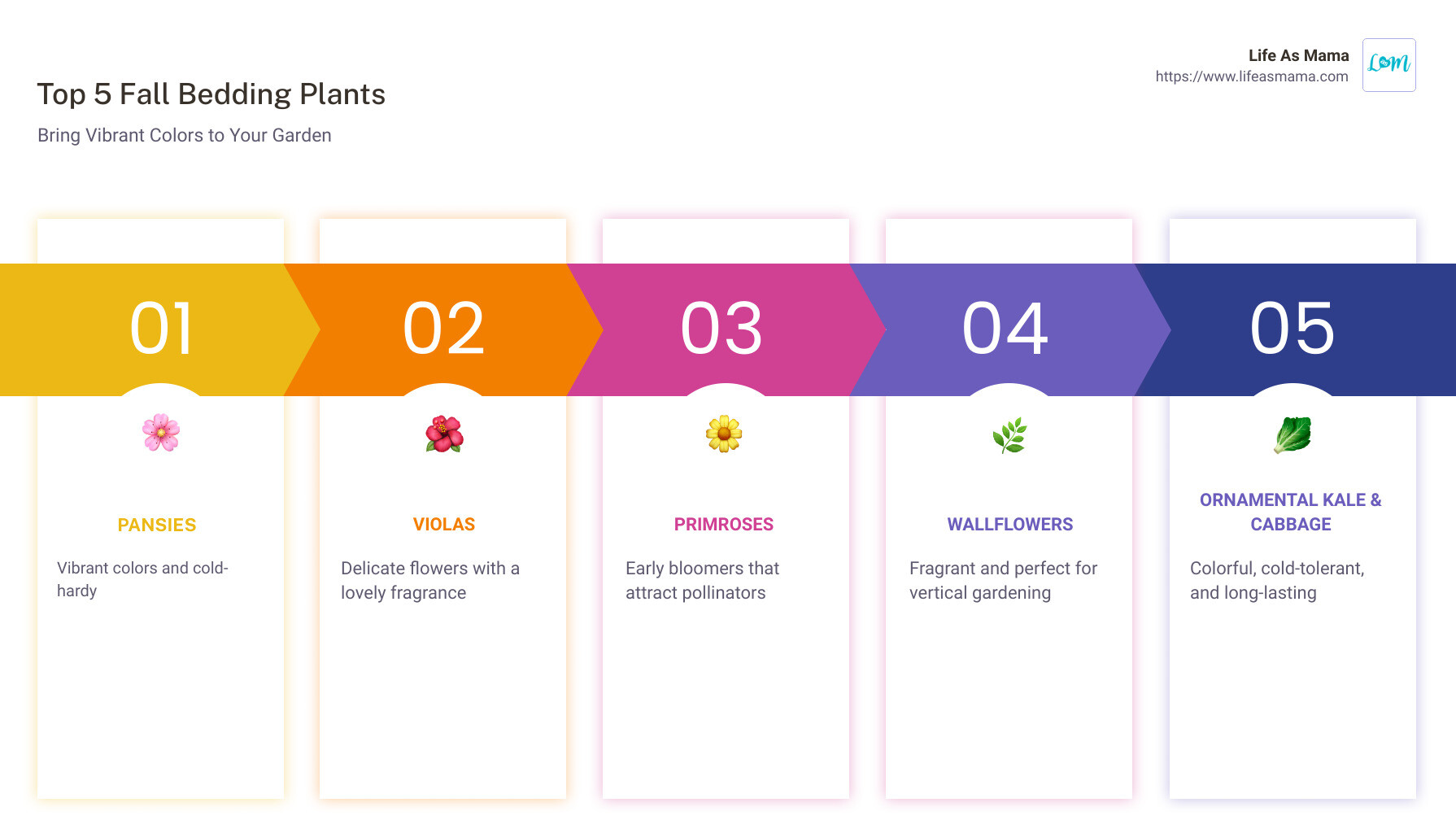
For those in a hurry, here’s a quick list of must-have fall bedding plants:
- Pansies (Viola tricolor): Vibrant colors and cold-hardy
- Violas (Viola cornuta): Delicate flowers with a lovely fragrance
- Primroses (Primula vulgaris): Early bloomers that attract pollinators
- Wallflowers (Erysimum): Fragrant and perfect for vertical gardening
- Ornamental Kale (Brassica oleracea): Colorful and cold-tolerant
- Ornamental Cabbage (Brassica oleracea): Long-lasting and vibrant
I’m Amanda Schmitt, and I’ve spent years turning gardens into sanctuaries with expert knowledge on fall bedding plants. Whether sharing tips with fellow garden enthusiasts or writing for busy moms like you, I find joy in helping you achieve a colorful, vibrant garden.
Let’s explore the best plants to keep your garden blooming all autumn!
Best Fall Bedding Plants
Pansies (Viola tricolor)
Pansies are a classic choice for fall bedding plants thanks to their vibrant colors and charming “faces.” These cool-weather lovers thrive in full sun to partial shade and can handle light frost, making them perfect for autumn gardens. Pansies come in a variety of colors, including purple, yellow, orange, red, and white. Their nectar-rich flowers attract bees and butterflies, supporting local ecosystems.
Violas (Viola cornuta)
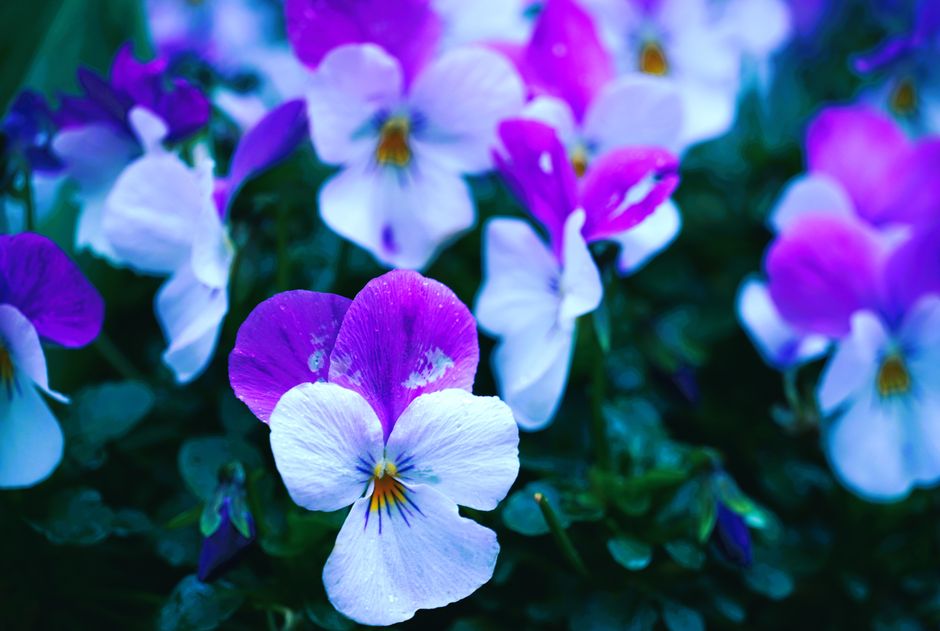
Violas, closely related to pansies, are known for their delicate and dainty flowers. They thrive in partial shade and cooler temperatures, making them ideal for autumn and spring planting. Violas come in a wide range of colors, including purple, blue, yellow, and white. Some varieties are fragrant, adding an extra sensory element to your garden. Like pansies, violas are also pollinator-friendly, attracting bees and butterflies.

Primroses (Primula vulgaris)
Primroses are early bloomers that add a touch of charm to your autumn garden. These woodland garden favorites have clusters of dainty, fragrant flowers in shades of pink, yellow, purple, and white. Primroses are pollinator-friendly and thrive in cool, moist conditions, making them perfect for autumn bedding displays.

Wallflowers (Erysimum)
Wallflowers are known for their delightful fragrance and vertical growth habit, making them a standout in any garden. These biennial plants are often grown for their vibrant colors and extended flowering period. Wallflowers can reach up to 2 feet in height, adding vertical interest and structure to your garden beds. They are also highly attractive to pollinators, such as bees and butterflies.

Ornamental Kale (Brassica oleracea)
Ornamental kale, also known as flowering cabbage, is a captivating plant that adds striking color and texture to autumn gardens. Its large, ruffled leaves come in shades of green, blue-green, purple, pink, and white. Ornamental kale thrives in cool weather and becomes more vibrant as temperatures drop. It is cold-hardy and can tolerate light frosts, making it a versatile choice for fall bedding plants.

Ornamental Cabbage (Brassica oleracea)
Similar to ornamental kale, ornamental cabbage features large, colorful leaves that form dense rosettes. The vibrant colors of ornamental cabbage intensify with cooler temperatures, making it a long-lasting and eye-catching addition to your autumn garden. This cold-hardy plant is perfect for adding color and texture to garden beds, containers, and borders.

Now that we’ve covered the best fall bedding plants, let’s explore some additional options to keep your garden vibrant throughout the autumn season.
Additional Fall Flower Options
Mums (Chrysanthemums)
Mums are a fall garden staple. Their vibrant colors range from sunshine yellow to deep burgundy. Not only are they eye-catching, but they’re also pollinator-friendly, attracting bees and butterflies. Mums are hardy in zones 5 to 9 and can withstand cold temperatures down to -30°F. Plant them in sunny spots with well-drained soil for best results.
Asters
Asters are late bloomers that bring a burst of color just as other flowers start to fade. They thrive in full sun and come in shades of purple, blue, pink, and white. These pollinator-friendly perennials are hardy in zones 4 to 8, making them a reliable choice for fall gardens.
Salvia
Salvia, with its tall spires, adds vertical interest to your garden. Blooming in vibrant reds and violets, salvia is both drought-tolerant and frost-resistant. This makes it a resilient choice for fall gardens. It attracts pollinators but deters deer and rabbits, making it a low-maintenance option.
Black-Eyed Susans (Rudbeckia)
Black-Eyed Susans are easy to grow and thrive even in poor soil and dry conditions. Their sunny yellow petals with a dark center attract pollinators. These drought-resistant perennials are hardy in zones 4 to 9. Pair them with lavender or coneflowers for a stunning display.
Scabiosa (Pincushion Flower)
Scabiosa, also known as the pincushion flower, features frilly petals that bloom from spring through fall. This minimal-care plant is hardy in zones 3 to 7. Regular deadheading will ensure continuous bloom throughout the season.
Daylilies
Daylilies are low-maintenance and come in a variety of colors. They are hardy and can thrive in almost any soil type. These perennials are perfect for adding long-lasting color to your fall garden.
Zinnias
Zinnias are annuals that bloom in a wide array of colors. They thrive in full sun and are great for cut flower arrangements. Plant them in well-drained soil and enjoy their vibrant hues until the first frost.
Ornamental Peppers
Ornamental peppers are not just for eating; their colorful fruits add a unique touch to fall gardens. They are easy to grow and can be planted in containers or garden beds. These peppers thrive in well-drained soil and full sun.
Celosia
Celosia, with its feathery plumes, brings a unique texture to your garden. These annuals come in bright colors like red, orange, and yellow. They are heat-tolerant and can thrive in full sun, making them perfect for late summer and fall.
Coreopsis
Coreopsis, also known as tickseed, is a hardy perennial that blooms in bright shades of yellow and orange. These flowers are drought-resistant and attract pollinators. Plant them in full sun for a burst of color that lasts well into fall.
Tips for Planting and Caring for Fall Bedding Plants
Planting Techniques
Cool-season plants thrive best when planted correctly. Follow these steps to give your fall bedding plants the best start:
-
Loosen the roots: Gently tease out the roots of your plants before placing them in the ground. This encourages them to spread and establish more quickly.
-
Dig wider holes: Make the planting hole wider than the plant’s container but not deeper. Use the empty pot as a guide to ensure the hole is the right size.
-
Level planting: Place the plant in the hole so that the top of the root ball is level with the soil surface. This prevents water from pooling at the base, which can cause root rot.
-
Eliminate air pockets: Fill the hole with soil and gently tamp it down to remove any air pockets. Air pockets can dry out roots and hinder plant growth.
-
Water thoroughly: After planting, water the plants well to help them settle in. This initial watering is crucial for root establishment.
Care and Maintenance
Once your fall bedding plants are in the ground, proper care will keep them healthy and blooming throughout the season.
-
Consistent watering: Keep the soil consistently moist but not waterlogged. Watering near the roots with a watering wand or drip irrigation system is ideal.
-
Mulching: Apply a layer of mulch about 2-3 inches deep around your plants. Mulch helps retain moisture, suppress weeds, and protect roots from temperature extremes.
-
Deadheading: Regularly remove spent flowers to encourage continuous blooming. This also helps prevent disease and keeps your plants looking tidy.
-
Feeding: Feed your plants weekly with a balanced fertilizer to promote healthy growth and abundant blooms. Slow-release fertilizers are also an excellent option for less frequent feeding.
By following these planting and care tips, your fall bedding plants will thrive and keep your garden looking beautiful well into the cooler months.
Frequently Asked Questions about Fall Bedding Plants
What are the best bedding plants for autumn and winter?
Pansies (Viola tricolor): Known for their vibrant colors and charming “faces,” pansies are a top choice for fall bedding plants. They thrive in cool weather and can even bloom during mild winter spells.
Violas (Viola cornuta): These delicate flowers are similar to pansies but are often smaller and more fragrant. They do well in partial shade and add a touch of elegance to any garden.
Primroses (Primula vulgaris): Early bloomers that are perfect for woodland gardens. These plants are also pollinator-friendly, attracting bees and butterflies.
Wallflowers (Erysimum): Known for their delightful fragrance and vertical interest, wallflowers are biennials that can add height and color to your garden beds.
Ornamental Kale (Brassica oleracea): With their intense colors and cold-hardiness, ornamental kales are versatile plants that can withstand chilly temperatures.
Ornamental Cabbage (Brassica oleracea): Similar to ornamental kale, these plants offer long-lasting, vibrant colors and are also cold-hardy.
Are there any flowers you can plant in the fall?
Absolutely! Fall is a great time to plant a variety of flowers that will keep your garden vibrant:
Pansies and Violas: As mentioned, these are excellent for fall and can even extend into winter.
Bellis (Bellis perennis): Also known as English daisies, they are perfect for adding a splash of color in the cooler months.
Tulip Bulbs: Plant these in the fall for a stunning display in the spring.
Mums (Chrysanthemums): These fall favorites come in a range of colors and are hardy in zones 5 to 9.
Calibrachoa: Often called “Million Bells,” these petunia lookalikes produce masses of colorful flowers and tolerate light frost.
Ranunculus: These flowers are known for their layers of delicate petals and can add a romantic touch to your fall garden.
Dahlias: While typically summer bloomers, certain varieties can extend their flowering into the fall.
What plants are good to plant in the fall?
In addition to flowers, there are several other plants that thrive when planted in the fall:
Asters: Late bloomers that provide a grand finale of color in shades of purple, pink, and blue.
Japanese Anemones: These neat flowers bloom in late summer to fall and are perfect for adding a touch of sophistication.
Sunflowers: While usually associated with summer, some varieties can bloom well into the fall.
Broccoli: A nutritious vegetable that thrives in cooler temperatures. Perfect for fall planting.
Kale: Both ornamental and edible varieties can be planted in the fall. They are cold-hardy and add texture to your garden.
By incorporating these fall bedding plants and flowers, you can ensure your garden remains colorful and vibrant throughout the autumn and even into the winter months.
Wrapping Up: Key Takeaways on Powerful Fall Bedding Plants for 2024
At Life As Mama, we believe that gardening is a family-friendly activity that everyone can enjoy. Fall bedding plants are a wonderful way to keep your garden colorful and lively, even as the days grow shorter and cooler.
Seasonal enjoyment is all about making the most of every season. With the right fall bedding plants, you can create a garden that’s not only beautiful but also resilient. From vibrant pansies and delicate violas to hardy mums and striking ornamental kale, there’s a wide variety of plants to choose from.
Practical tips are key to successful gardening. Remember to:
- Prepare your soil by adding organic matter.
- Water consistently to avoid drought stress.
- Mulch to keep roots cool and retain moisture.
- Feed regularly to promote healthy blooms.
By following these simple guidelines, your fall garden can thrive and bring joy to your family.
For more gardening inspiration and practical tips, visit our Gardening page. Happy gardening!
Related Images:

Amanda Schmitt
Latest posts by Amanda Schmitt (see all)
- 20+ First Day of School Traditions to Make the Day Special - August 23, 2026
- Fruit Infused Waters That Make Summer Hydration Fun - July 1, 2025
- Light Up Your Life: Home Lighting Decoration Ideas - June 30, 2025