Ever wonder why one of your children acts a certain way, but the other doesn’t? Do you sometimes question your parenting skills because your child behaves in a way that you find unusual? The way your children act might come down to one thing: birth order. I definitely believe there is some truth to the theory that your birth order can play a role in determining your personality. I know I fit the mold as the favorite oldest child. But for many, birth order traits are just a bunch of nonsense. I’ll let you be the judge. Do you think that these birth order traits reflect the personalities of your children?
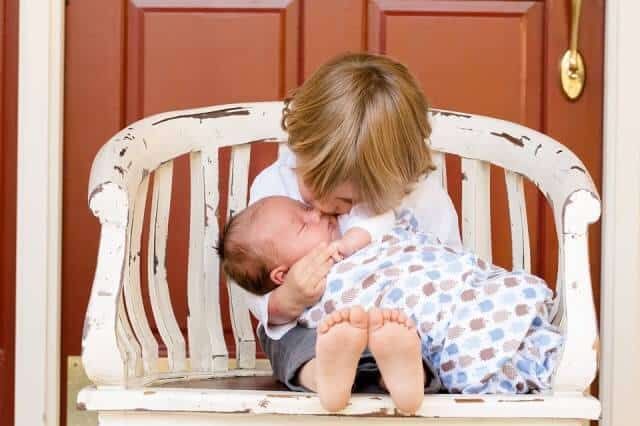
1. Firstborn Child
The oldest child in a family is generally the most like an adult. Firstborns are known for being:
- Responsible
- Conscientious
- Structured
- Cautious
- Controlling
- Ambitious
Because firstborns receive so much individual attention from their parents, they are often natural leaders who want to be the best at everything. They are well-behaved, careful and are generally high-achievers. Firstborn children also act a lot like parents because they often help to raise their younger siblings, who they become jealous of once they are no longer the “one and only.”

2. Middle Child
What I’ve always found interesting about middle children is that at one point, they were actually the youngest child. But once another sibling comes along, there’s what you can expect from your middle child:
- Somewhat rebellious
- Thrives on friendships
- Social butterflies
- Peacemaker
- Fairness-obsessed
The middle child often feels left out, leading them to grow close to their peers, since parental attention usually goes to older or younger siblings. Middle children are concerned with fairness, but are also competitive. A middle child is likely to develop a small circle of friends, to whom they grow closer than their siblings.

3. Youngest Child
Youngest children tend to be the most free-spirited due to their parents’ more laid back attitudes about parenting. The more kids you have, the “looser” you get with discipline. The baby of the family tends to be:
- Fun-loving
- Uncomplicated
- Manipulative
- Outgoing
- Attention-seeker
- Self-centered
- Risk taker
Because of the lack of strict rules, youngest children generally feel special and entitled, since they have less responsibilities than their older siblings. Youngest children use their charm to get what they want and often find careers in creative fields.
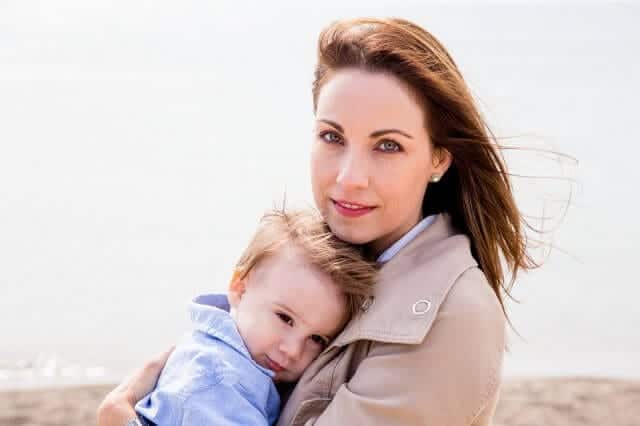
4. Only Child
Without any siblings to compete with, only children take advantage of their parents’ undivided attention. And not just for a short time, but forever. Because of this, only children tend to be:
- Perfectionists
- Conscientious
- Diligent
- Leaders
Only children, who grow accustomed to being around adults most of the time, tend to be more verbal and thus, more mature than many kids their age. Since only children often have to learn to entertain themselves, they grow up to be independent, resourceful and confident.

Leena Kollar
Latest posts by Leena Kollar (see all)
- 21 Fabulous Faux Fireplaces to Add Dramatic Charm to Your Decor Now - July 11, 2025
- 10 New Year’s Eve Drinks That Put Classic Champagne To Shame - December 10, 2018
- 9 Christmas Front Porch Decorating Ideas to Try - November 19, 2018
Related Images:
Leena Kollar
Latest posts by Leena Kollar (see all)
- 21 Fabulous Faux Fireplaces to Add Dramatic Charm to Your Decor Now - July 11, 2025
- 10 New Year’s Eve Drinks That Put Classic Champagne To Shame - December 10, 2018
- 9 Christmas Front Porch Decorating Ideas to Try - November 19, 2018
