Motherhood and Moms Lifestyle – Live like a Mom | LifeAsMama
  • Motherhood
  • Pregnancy
  • Beauty
  • Health
  • Kids
    • Baby
    • Toddler
    • Little Kid
    • Pre-Teen
    • Teenager
    • Adoption
  • Lifestyle
    • Career
    • Beauty & Style
    • Home
    • Inspirational
    • Food
    • Fitness
    • Travel
  • DIY
    • Printable Coloring Pages
    • Crafts
    • Design
    • Holiday
  • Contact Us
KidsToddler

6 Things To Stop Telling Your Toddler

by Karly Wood October 21, 2015
by Karly Wood 337.2K views
337.2K


Lately I feel like my precious toddler and I are on an adventure to the unknown, and not a fun adventure. I find myself yearning for early nap times and bedtimes, all in an effort to be able to sit with some sort of sanity. I can already see just a glimpse of what my life will be like with a teenager in the house (yes, girls do mature early!). Parenting a toddler is hard work and probably one of the toughest stages of their development. They are becoming more verbal, independent, and all around sassy. It’s easy to have an actual conversation with your toddler now, but as it turns out, there are just some things that are better left unsaid. While your wee one can be frustrating at times, they are still learning to navigate their emotions, which are very sensitive. Check out our list below of some things you shouldn’t say to your toddler.

shutterstock_212590312


1. “You’re Okay”

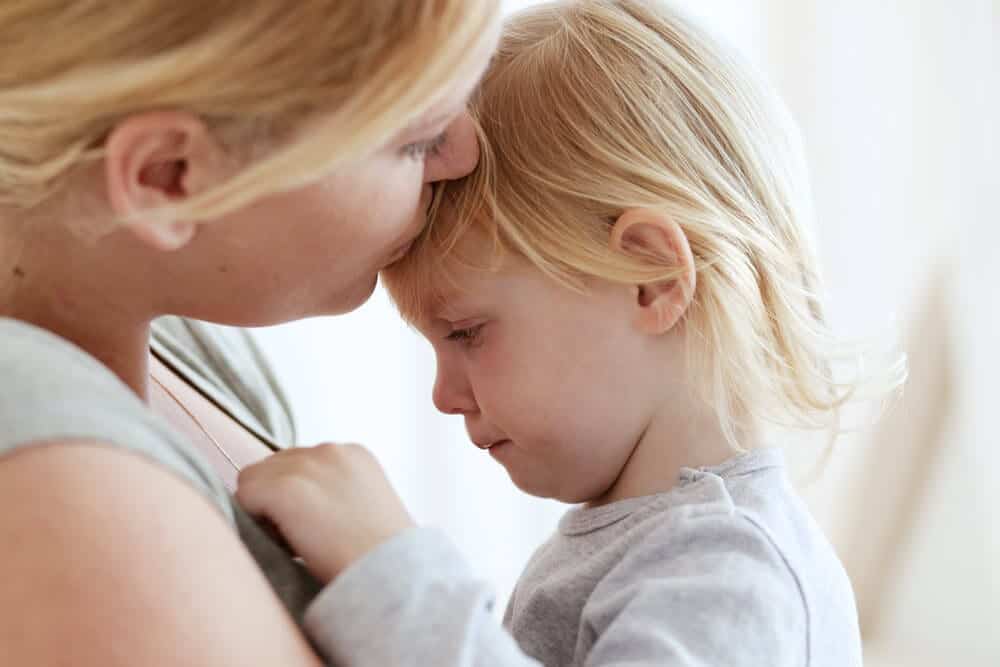
Toddlers are notorious for bumps and bruises. Sometimes a trip on the sidewalk that results in a scraped knee feels like the end of the world. As a parent, we’ve already experienced these physical and emotional feelings and they aren’t a big deal to us. But our children are feeling many things for the first time. You don’t have to treat a scratch as if it’s brain surgery, but you can empathize just a little. Tell them you know it hurts, give them a special band aid and call it a day!
 

4k

2. “Stop Crying”

I’m going to raise my hand right now and admit I’ve said this in the last 24 hours. In all honesty, I was trying to calm my daughter down so she would “use her words” and tell me why she was crying. My well-intentioned use of the phrase went unheard, and my 2-year old probably only heard that “crying is wrong.” Experts say it’s much better to talk through the crying and identify the source, such as saying “I know you are sad that you can’t play with that toy anymore.” This demonstrates that it’s perfectly normal and acceptable to show emotions by crying!



shutterstock_169777073

3. “Why Did You Do That?”

I ask my daughter this daily, somehow expecting that she will give me an articulate and reasonable response for something like why she decided to lock me out of the house. The fact is, even if she did tell me, “because I had fun turning the lock,” it’s not going to make me happy anyway. No matter what answer I’m given, I will still be frustrated. If your goal is to teach cause and effect to your toddler, then try showing what happens when they do something you don’t want them to do. “When you turn the lock on the door, mommy cannot get in the house.” Maybe that was her plan all along!

cooking instructions:

4. “You Don’t Have To Be Scared”

Just because you tell someone not to feel something, doesn’t mean that they take it to heart. If your toddler comes to you and says they are scared, talk to them about why! Don’t just brush them off and belittle their feelings, because we sure don’t like it when people do that to us! Validate their feelings, but also reassure them you are there and will protect them.

4k

5. “That’s What Happens When You…”

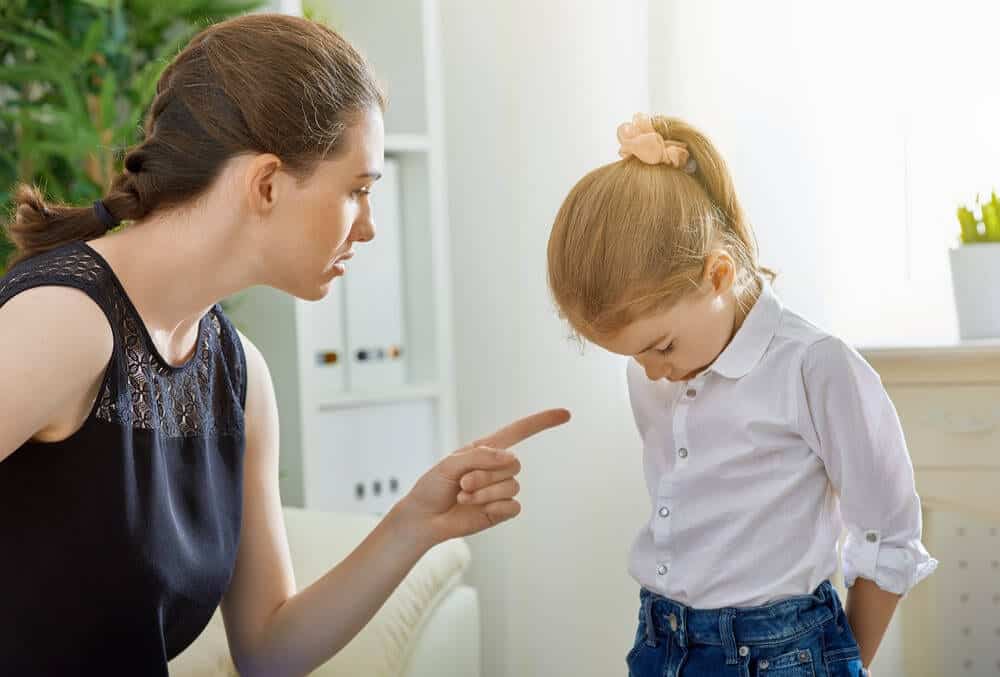
“I told you so” is the old school version of this phrase and one you probably heard it as a kid. It’s basically what our parents threw in our faces when we went ahead and did something they told us not to do. Because we were kids, and that’s what kids do. Nowadays we try and make everything a teachable moment and often this is the first thing that comes out of our mouths when our kids fall of the chair they were goofing of in. I am VERY guilty of this, and empathy often comes only after I look at the fear of my daughter’s face from the fall she just took. Kids are smart, and they found out the moment they fell or got in trouble that “that’s what happens when they…” They don’t need to be told again, they need to know their parents are there to pick them up when they fall and make a mistake.
shutterstock_309122234

6. “Wait Until Mommy/Daddy Gets Home!”

Many homes have a designated disciplinarian in the home, and this has been common for decades. The majority of the time, it’s been the father who doles out punishment and spankings. But we’ve learned a lot over the years when it comes to parenting, and instilling a sense of fear for people in authority in our young children is not the best option. Additionally, it takes away from the other parent’s ability to discipline the children equally. Most parents want their children to equally respect their parents, not one more than the other! We also don’t want our children to be afraid of us. Talk to your spouse about proper discipline methods that you both feel comfortable with.


RELATED POSTS

Why Is My Toddler So Moody?

How We Changed Our Early Rising Toddler

5 Proven Ways To Deal With A Toddler Saying No
 

Things To Stop Telling Your Toddler


TOP TELLING THIS TO YOUR TODDLER

Related Images:


  • Bio
  • Pinterest
  • Latest Posts
Karly Wood

Karly Wood

Editor at Red Tricycle
I'm a born and bred Southern California native and currently the managing editor at Red Tri. I get to share my life with my husband of 13 years and our beautiful, 5-year old daughter. In my free time you'll catch me cheering for the Dodgers, cooking, baking, reading, crafting and probably watching a little HGTV!
Karly Wood

Karly Wood

Karly Wood

Latest posts by Karly Wood (see all)

  • 15 Wonderful White Kitchens - January 14, 2019
  • We Want All These Spring Manis And We Want Them Now - January 8, 2019
  • DIY Heart-Shaped Valentine’s Day Wreath - January 4, 2019
toddler
13 FacebookTwitterPinterestEmail

You may also like

18 Children’s Play Area Ideas That Blend with...

Top Tips for Stress-Free Back to School Shopping

Get the Best Deals on Discount School Supply...

Top Picks: Durable and Fun Kids Gardening Tools...

Top 5 Durable Kids Gardening Gloves for Safe...

How Many Days Are in Summer Vacation? Understanding...

01andreas1973
Karly Wood

I'm a born and bred Southern California native and currently the managing editor at Red Tri. I get to share my life with my husband of 13 years and our beautiful, 5-year old daughter. In my free time you'll catch me cheering for the Dodgers, cooking, baking, reading, crafting and probably watching a little HGTV!

previous post
5 Ways To Demonstrate A Good Work Ethic To Your Children
next post
7 Things Moms Need To Know About New Dads

Search

Trending

  • 20 DIY Easter Centerpieces That Aren’t Just for Kids

  • 18 Adult Birthday Party Themes for a Sophisticated Celebration

  • 20 Classic Orange & Black Halloween Traditional Ideas with Modern Twists

  • Digital Detox Home: 15 Screen-Free Family Activity Corners

  • Facebook
  • Instagram
  • Pinterest
Footer Logo
  • DMCA Policy
  • Contact Us

@2024 - All Right Reserved. Designed and Developed by LifeAsMama


Back To Top
Motherhood and Moms Lifestyle – Live like a Mom | LifeAsMama
  • Motherhood
  • Pregnancy
  • Beauty
  • Health
  • Kids
    • Baby
    • Toddler
    • Little Kid
    • Pre-Teen
    • Teenager
    • Adoption
  • Lifestyle
    • Career
    • Beauty & Style
    • Home
    • Inspirational
    • Food
    • Fitness
    • Travel
  • DIY
    • Printable Coloring Pages
    • Crafts
    • Design
    • Holiday
  • Contact Us

Understanding Your Toddler's Emotions

Parenting toddlers comes with its own set of challenges, particularly when it comes to understanding their emotions. At this age, children are beginning to experience feelings that they may not have the ability to articulate. As parents, recognizing and validating these emotions is essential in helping them process what they feel, instead of dismissing them outright.

By taking the time to understand the emotional landscape of your toddler, you can help foster healthy emotional development. It's important to empathize and communicate that it's perfectly fine to feel upset, scared, or frustrated. This approach not only builds trust but also teaches your child how to deal with their emotions in a constructive manner.

Empathy vs. Dismissal in Parenting

Empathy plays a crucial role in effective parenting, especially when dealing with a toddler’s emotional outbursts. When a child expresses their feelings, it's vital to approach the situation with understanding rather than rushing to dismiss or correct them. By saying, "I understand that you're really upset," you create a supportive environment that encourages children to open up about their feelings.

On the other hand, dismissing a child's emotions can lead to frustration and confusion. It may teach them that their feelings are not valid or important, thus hindering their emotional growth. By practicing empathy, parents can build a stronger connection with their toddlers and nurture their ability to express feelings in a healthy manner.

Understanding Your Toddler's Emotions

Parenting toddlers comes with its own set of challenges, particularly when it comes to understanding their emotions. At this age, children are beginning to experience feelings that they may not have the ability to articulate. As parents, recognizing and validating these emotions is essential in helping them process what they feel, instead of dismissing them outright.

By taking the time to understand the emotional landscape of your toddler, you can help foster healthy emotional development. It's important to empathize and communicate that it's perfectly fine to feel upset, scared, or frustrated. This approach not only builds trust but also teaches your child how to deal with their emotions in a constructive manner.

Empathy vs. Dismissal in Parenting

Empathy plays a crucial role in effective parenting, especially when dealing with a toddler’s emotional outbursts. When a child expresses their feelings, it's vital to approach the situation with understanding rather than rushing to dismiss or correct them. By saying, "I understand that you're really upset," you create a supportive environment that encourages children to open up about their feelings.

On the other hand, dismissing a child's emotions can lead to frustration and confusion. It may teach them that their feelings are not valid or important, thus hindering their emotional growth. By practicing empathy, parents can build a stronger connection with their toddlers and nurture their ability to express feelings in a healthy manner.