Celebrations for Memorial Day: 10 Best Ideas to Honor
Honoring Heroes: Meaningful Celebrations for Memorial Day
Looking for celebrations for Memorial Day? Here are 10 meaningful ways to observe the holiday:
- Attend a local parade to show community support
- Visit a veterans’ cemetery and place flowers on graves
- Participate in the National Moment of Remembrance at 3pm
- Fly the American flag (half-staff until noon, full-staff after)
- Host a family BBQ with patriotic decorations
- Create memorial crafts with children
- Watch the National Memorial Day Concert on PBS
- Support veteran-owned businesses in your community
- Donate to veteran organizations like Wounded Warrior Project
- Share stories of family members who served
Memorial Day is more than just the unofficial start of summer. It’s a day set aside to honor and remember the brave men and women who made the ultimate sacrifice while serving in the United States Armed Forces.
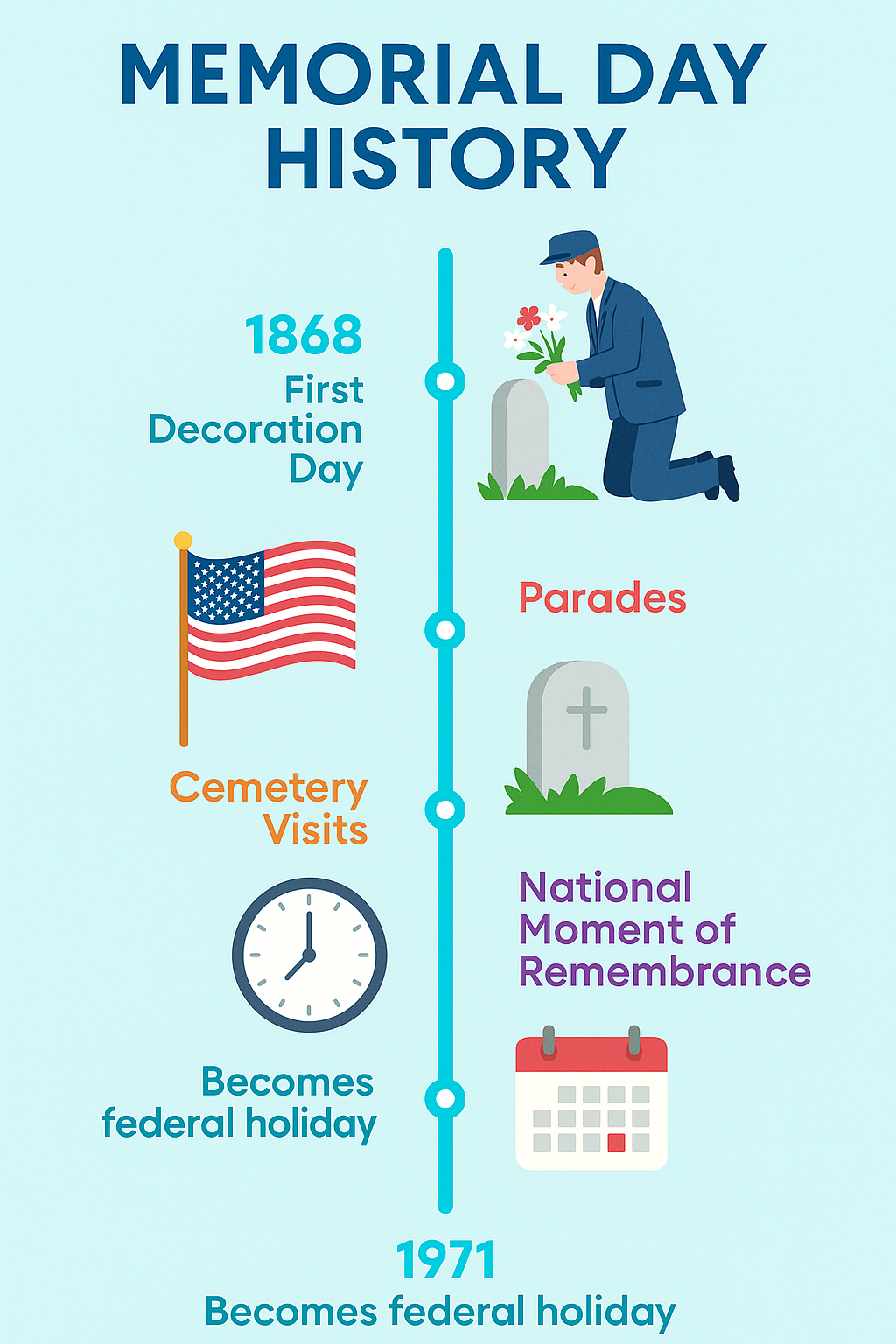
The holiday originated after the Civil War as “Decoration Day,” when communities would decorate the graves of fallen soldiers with flowers. Over time, it evolved into the federal holiday we now observe on the last Monday in May.
While many of us enjoy the long weekend with backyard barbecues and pool parties, taking time to acknowledge the true meaning of the day adds depth to our celebrations and teaches our children about gratitude and sacrifice.
I’m Amanda Schmitt, and as a mother of two young daughters, I’ve incorporated meaningful celebrations for Memorial Day into our family traditions, teaching my children about honor and remembrance while still enjoying the festivities of the season. Finding this balance helps us create lasting memories while instilling important values.
Understanding the Historical Significance of Memorial Day
When we gather for celebrations for Memorial Day weekend, we’re participating in a tradition with deep historical roots that stretch back over 150 years. The holiday began not as a summer kickoff, but as a solemn day of remembrance born from America’s most devastating conflict.
The Civil War tore our nation apart and left an almost unimaginable toll—approximately 620,000 American lives lost. To put this in perspective, that represented about 2% of the American population at that time, equivalent to losing 6 million Americans today. The scale of this loss touched virtually every community across the divided nation.
In the aftermath of such widespread grief, communities began honoring their fallen soldiers in a beautifully simple way—by decorating their graves with spring flowers and flags. These touching tributes became known as “Decoration Day.” One of the earliest recorded commemorations happened on May 1, 1865, when 10,000 formerly enslaved people gathered in Charleston, South Carolina to honor 257 Union soldiers buried in a mass grave—a powerful testament to the meaning of sacrifice and freedom.
The observance took a more official form in 1868 when General John A. Logan, who led a Northern Civil War veterans’ organization called the Grand Army of the Republic, designated May 30 as Decoration Day. In his General Order No. 11, he wrote with poignant clarity:
“Let us then gather around their sacred remains and garland the passionless mounds above them with the choicest flowers of Springtime…”
May 30th wasn’t chosen randomly—it didn’t mark any specific battle, allowing the day to be about remembrance rather than victory or defeat. It also ensured flowers would be blooming nationwide, providing natural decorations for the graves of fallen heroes.
As former President Harry S. Truman later expressed with heartfelt gratitude:
“Our debt to the heroic men and valiant women in the service of our country can never be repaid. They have earned our undying gratitude. America will never forget their sacrifices.”
Over time, what began as “Decoration Day” evolved into what we now know as Memorial Day, expanding beyond Civil War remembrances to honor all Americans who died while serving in the military. Though the day had been observed for a century, it wasn’t until 1971 that Congress officially declared Memorial Day a federal holiday, setting it on the last Monday in May.
This evolution—from informal community gatherings to decorate graves to a national day of remembrance—reveals how deeply this observance has been woven into our national identity. When we understand this rich history, our celebrations for Memorial Day take on deeper meaning beyond backyard barbecues. We connect with generations of Americans who have paused to remember those who gave everything for our country.
For more detailed information about Memorial Day’s origins, you can explore the archived “Memorial Day History” from the Department of Veterans Affairs.
Traditional Celebrations for Memorial Day
When it comes to celebrations for Memorial Day, Americans have developed meaningful traditions that honor our fallen heroes while bringing communities together. These observances connect us to our shared history and remind us of the true purpose behind the holiday weekend.
Arlington National Cemetery transforms into a sea of red, white, and blue during Memorial Day weekend. In a moving tradition called “Flags In,” service members place American flags at more than 250,000 graves. Walking through the grounds during this time is a powerful reminder of the true cost of freedom. The President or Vice President participates in a solemn wreath-laying ceremony at the Tomb of the Unknown Soldier, honoring those who made the ultimate sacrifice but whose remains were never identified.
Flying the American flag follows a special protocol on Memorial Day. Early in the morning, the flag is raised quickly to full staff, then lowered halfway in remembrance. At noon, it returns to full staff, symbolizing how our nation perseveres despite loss. As veteran Bill Hansen beautifully explains, “When the flag is at half-staff, the position is in remembrance of the more than one million men and women who gave their lives for their country.”
One of the simplest yet most meaningful traditions is the National Moment of Remembrance. Established by Congress in 2000, this observance asks all Americans to pause at 3:00 p.m. local time for just one minute. Whether you’re at a backyard barbecue, driving home, or shopping, taking this brief moment connects you with millions of others in honoring those who never made it home.
Parades have become perhaps the most visible celebrations for Memorial Day across America. The National Memorial Day Parade in Washington, D.C. stands as one of the most impressive, featuring over 10,000 participants from every state. Reinstated in 2004 after a 60-year absence, this parade creates a living timeline of American military history, with participants representing conflicts from the Revolutionary War to recent operations in Afghanistan and Iraq. You can learn more about this powerful event at The National Memorial Day Parade.
Many families also continue the original “Decoration Day” tradition by visiting cemeteries to place flowers, wreaths, and flags on the graves of service members. This simple act of remembrance bridges generations and honors the individual lives behind the statistics.
Local Celebrations for Memorial Day
While national observances make headlines, the heart of Memorial Day often beats strongest in local communities. These hometown celebrations for Memorial Day feel more personal, connecting neighbors through shared remembrance and tradition.
In communities nationwide, the day typically begins with a Main Street parade featuring local veterans, high school bands playing patriotic tunes, scout troops, and first responders. These processions usually end at a cemetery or memorial park for a ceremony that feels both solemn and hopeful.
Community gatherings afterward – whether breakfasts, picnics, or potlucks – create space for neighbors to share stories about local heroes. Many towns read the names of community members who died in service, personalizing the holiday’s meaning.
Falls Church, Virginia exemplifies how communities blend remembrance with celebration. Their annual Memorial Day event includes a touching memorial ceremony, a family-friendly 3K run, a community blood drive, and a parade showcasing local organizations – creating multiple ways for residents of all ages to participate.
Waterloo, New York, officially recognized as Memorial Day’s birthplace, maintains a tradition dating back to 1866 where businesses close to allow residents time to decorate soldiers’ graves. This practice preserves the holiday’s original spirit in a meaningful way.
Finding local events is simple – check your city’s website, local newspapers, or community bulletin boards. Participating in these hometown gatherings creates personal connections to the holiday while strengthening community bonds.
Major Celebrations for Memorial Day Across the U.S.
While Memorial Day is observed nationwide, certain cities host particularly notable celebrations for Memorial Day that have become destinations for those seeking meaningful ways to honor our fallen heroes.
Washington, D.C. stands as the epicenter of national observances. Beyond the National Memorial Day Parade mentioned earlier, the capital hosts several significant events. The Rolling to Remember motorcycle rally (formerly Rolling Thunder) brings thousands of riders together to raise awareness about veterans’ issues, particularly the suicide crisis among veterans and the plight of prisoners of war and those missing in action. You can learn more about their schedule at the Rally website. The National Memorial Day Concert on the west lawn of the U.S. Capitol reaches millions through PBS, featuring the National Symphony Orchestra alongside moving tributes to fallen heroes.
New York City maintains one of the nation’s oldest Memorial Day parades in Brooklyn, running continuously since 1867. The city’s Fleet Week coincides with Memorial Day, allowing visitors to tour active military ships docked in New York Harbor and meet service members.
Boston creates a breathtaking visual tribute with its flag garden on Boston Common. Volunteers place more than 37,000 flags – one for every Massachusetts service member who has died in combat since the Revolutionary War. The sea of waving flags against the historic backdrop creates an unforgettable memorial.
Gettysburg, Pennsylvania holds special significance for Memorial Day observances. The Soldiers’ National Cemetery, where Lincoln delivered his famous address, hosts ceremonies that connect visitors to the Civil War origins of this holiday.
In Shiloh, Tennessee, one of the Civil War’s bloodiest battlefields becomes a place of beauty and remembrance when luminaries are placed on the graves of more than 4,000 soldiers who died during the battle.
The Indianapolis 500, traditionally held on Memorial Day weekend, incorporates patriotic pre-race ceremonies honoring fallen service members, blending a beloved American sporting tradition with meaningful remembrance.
Charleston, South Carolina maintains a special connection to Memorial Day history. As the site of one of the earliest observances in 1865, the city continues this tradition with ceremonies at local cemeteries and historic sites.
These diverse celebrations for Memorial Day across the country offer unique ways to experience our national day of remembrance, providing opportunities for Americans to collectively honor those who made the ultimate sacrifice for our freedom.
Meaningful Ways to Celebrate Memorial Day with Family
Creating meaningful celebrations for Memorial Day with your family does more than just fill a long weekend – it helps children understand the significance behind the holiday while building traditions that will last for generations. When we take time to blend education with remembrance and enjoyment, we honor those who sacrificed while strengthening our family bonds.
Finding the right balance can make Memorial Day both meaningful and enjoyable for everyone in your family, regardless of age. The key is incorporating activities that respect the solemnity of the occasion while still allowing for the joy of family togetherness.
Educational Activities for Children
Children naturally absorb the attitudes we model, making Memorial Day a perfect opportunity to plant seeds of gratitude and respect for service. Approaching the topic in age-appropriate ways helps young ones develop a genuine appreciation for sacrifice without overwhelming them.
Reading children’s books about Memorial Day can open conversations naturally. For younger children, picture books like “The Wall” by Eve Bunting gently introduces the concept of loss and remembrance, while “America’s White Table” by Margot Theis Raven explains the symbolic empty table set in many military dining facilities. Older children might connect with “The Poppy Lady” by Barbara Elizabeth Walsh, which tells the true story of Moina Michael, who established the poppy as our enduring symbol of remembrance.
Creating a family military history project can make the holiday personally meaningful. Pull out old photos of relatives who served, create a simple family tree highlighting their service branches, and share the stories you remember. Even if your family doesn’t have direct military connections, researching your town’s local veterans can create a similar connection.
Many families find that visiting a local monument or memorial provides a tangible learning experience. These quiet places of reflection exist in nearly every community and offer children a physical space to connect with history. The simple act of reading names etched in stone helps make abstract concepts of sacrifice more concrete for young minds.
For older children and teens, watching age-appropriate documentaries about American military history provides important context. These visual histories can spark thoughtful discussions about citizenship, duty, and the true cost of freedom.
Reading “In Flanders Fields” together has become a Memorial Day tradition for many families. This powerful poem by John McCrae written during World War I speaks to the enduring connection between those who died and those who remain:
In Flanders fields the poppies blow
Between the crosses, row on row,
That mark our place; and in the sky
The larks, still bravely singing, fly
Scarce heard amid the guns below.
Celebrations for Memorial Day Crafts and Projects
Hands-on activities offer children a way to process the meaning of Memorial Day while expressing themselves creatively. These projects can become cherished family traditions that children look forward to each year.
Making paper poppies together connects children to the international symbol of remembrance that began after World War I. These bright red flowers can be worn, displayed in windows, or placed at local memorials. The simple act of creating something with their hands helps children internalize the symbolism in a way that mere explanation cannot. Learn to make one here.
Creating patriotic decorations for your home gives children ownership in the family’s observance. Whether it’s red, white, and blue paper chains strung across the porch, handmade banners, or wreaths to hang on the front door, these visual reminders help children understand that Memorial Day is different from ordinary days.
Writing thank-you cards to veterans gives children a concrete way to express gratitude. Even young children can draw pictures or dictate simple messages of thanks. These can be delivered to local VA hospitals or sent through organizations like A Million Thanks.
Planting a memorial garden provides a lasting tribute that children can help maintain throughout the summer. Choosing red, white, and blue flowers creates a living symbol of remembrance right in your yard. As children water and tend these plants, they’re reminded of the ongoing nature of gratitude.
Making a patriotic dessert together combines fun with visual reminders of the holiday’s significance. From simple flag-inspired fruit arrangements on vanilla cake to elaborate red, white, and blue trifles, creating these treats involves children in the celebration while reinforcing the holiday’s colors and meaning.
Edwin Martinez, a veteran who served two tours in Afghanistan, shares: “Memorial Day is important to me because I honor those who have sacrificed their lives and their families’ lives in pursuit of freedom for our nation. When I see families teaching their children about this day, it gives me hope that the next generation will understand what was given for them.”
By weaving education, creativity, and remembrance together, we create celebrations for Memorial Day that honor the fallen while building family traditions that will be passed down for generations to come. These meaningful activities ensure that Memorial Day remains more than just the kickoff to summer – it becomes a cornerstone of teaching our children about gratitude, sacrifice, and the true meaning of citizenship.
Support Veterans and Their Families
While Memorial Day specifically honors those who died while serving, many families choose to extend their celebrations for Memorial Day to include support for living veterans and families of the fallen. This acknowledges the ongoing impact of military service and sacrifice.
Donations and Volunteer Opportunities
Memorial Day offers a perfect moment to turn gratitude into action. Supporting organizations that help veterans and military families creates a meaningful way to honor the legacy of fallen heroes by caring for those they left behind.
The Wounded Warrior Project provides crucial support to veterans who returned home with visible and invisible wounds of war. With programs addressing mental health, physical rehabilitation, and career transitions, even a small donation can make a significant difference in a veteran’s journey to recovery.
For those who wish to directly honor the fallen, the Memorial Day Flowers Foundation offers a beautiful opportunity. With just $5, you can provide roses for five soldiers’ graves at national cemeteries across America. This simple gesture ensures that even those without nearby family receive recognition on this solemn day.
“It has been said that one of the greatest tragedies is to be forgotten,” notes David Daly, who works closely with veterans. This sentiment rings especially true on Memorial Day, when remembrance is at the heart of our observances.
Families dealing with medical challenges find refuge through the Fisher House Foundation, which provides housing near major military and VA medical centers. These homes allow families to stay close to their loved ones during hospitalization, easing the burden during difficult times.
For those grieving the loss of a military loved one, the Tragedy Assistance Program for Survivors (TAPS) offers compassionate resources and community support. Their peer mentoring and grief counseling services help families steer the painful journey of loss.
Don’t overlook opportunities right in your own community. Local VA hospitals often welcome volunteers and donations. A simple phone call to your nearest facility can connect you with specific needs and opportunities to serve veterans directly.
Supporting Military Families
Memorial Day’s meaning extends beyond a single day of remembrance. Throughout the year, military families—especially those who’ve lost loved ones—may need ongoing support.
If you know a military family in your neighborhood, consider offering practical help that might ease their daily burden. Something as simple as mowing a lawn, watching children for an afternoon, or dropping off a home-cooked meal can provide meaningful relief to a family navigating grief or managing while a loved one is deployed.
Supporting veteran-owned businesses in your community creates another way to honor service. Whether it’s a coffee shop, hardware store, or online retailer, your patronage helps veterans build successful civilian careers. Many veteran-owned businesses proudly display this status, making them easy to identify.
Business owners can take this support a step further by implementing hiring practices that welcome veterans into the workforce. Veterans bring exceptional leadership skills, work ethic, and problem-solving abilities to their civilian careers, yet many face challenges in the transition to non-military employment.
By extending our celebrations for Memorial Day to include tangible support for the living, we honor the fallen by caring for the communities they cherished. This approach transforms a day of solemn remembrance into an ongoing commitment to those who serve and sacrifice.
Attend Memorial Day Events and Concerts
There’s something truly special about joining together with your community for celebrations for Memorial Day. The shared experience of honoring our fallen heroes creates a powerful sense of unity and purpose that you simply can’t replicate alone at home.
National Memorial Day Concert
Every year, as the sun begins to set over the west lawn of the U.S. Capitol in Washington, D.C., something magical happens. The National Memorial Day Concert brings together remarkable talent, heartfelt tributes, and thousands of attendees in a moving evening of remembrance and gratitude.
If you can’t make it to D.C., don’t worry! PBS broadcasts this beautiful concert live on the Sunday evening before Memorial Day. Gather your family in the living room, perhaps with some patriotic snacks, and experience the National Symphony Orchestra alongside well-known performers who lend their voices to honor our fallen heroes.
What makes this concert particularly meaningful are the personal stories shared throughout the evening. The testimonials from Gold Star families—those who have lost loved ones in military service—provide powerful reminders of the real human cost behind our freedom. These stories often become wonderful conversation starters with children about sacrifice, courage, and gratitude.
“We watch the concert every year,” shares Melissa, a mom of three from Ohio. “My kids look forward to it now, and it’s opened up so many important conversations about what service means.”
If you miss the live broadcast, PBS typically keeps the concert available for on-demand viewing for two weeks following Memorial Day, giving you flexibility to fit it into your family’s schedule.
Local Concerts and Ceremonies
While the national concert is impressive, there’s something wonderfully intimate about local Memorial Day events. Your community likely hosts concerts in parks, on town squares, or at local bandshells featuring hometown musicians playing patriotic classics.
These local gatherings often include meaningful elements like readings of the names of community members who died in service, poetry recitations, and moments of silence. The familiarity of your surroundings combined with these solemn observances creates a deeply personal experience.
Check your local newspaper, city website, or community social media pages for information about events happening near you. Many of these concerts are free and designed to be family-friendly, making them perfect outings for everyone from grandparents to little ones.
Cemetery Ceremonies
There’s a profound reverence that comes with attending a Memorial Day ceremony at a cemetery. National cemeteries across the country host special observances, but local veterans’ cemeteries hold equally moving events that may feel more connected to your community.
These ceremonies typically include the placement of wreaths, playing of Taps, rifle salutes, and speeches honoring the fallen. Many include a special focus on local service members, bringing home the reality that the heroes we honor were once our neighbors, classmates, and family members.
If you’re considering bringing children, prepare them beforehand with age-appropriate conversations about what they’ll see and experience. Many parents find that cemetery visits, while solemn, provide valuable opportunities for children to understand the true meaning of Memorial Day beyond barbecues and pool parties.
Museums and Historic Sites
For families looking to blend education with commemoration, military museums and historic sites offer engaging Memorial Day programs. Many feature special exhibitions, living history demonstrations, or hands-on activities designed especially for children.
These venues provide important historical context that helps visitors understand the conflicts in which service members made their sacrifices. From Revolutionary War battlefields to modern military museums, these sites offer tangible connections to our shared history.
As Wilton Williamson Jr., who works closely with veterans, poignantly reminds us: “The greatest casualty is being forgotten.” By attending public events and celebrations, we ensure that the memories of those who gave everything continue to live on in our collective consciousness.
Taking part in these celebrations for Memorial Day transforms the holiday from simply a day off work into a meaningful tradition your family will carry forward for generations to come.
Participate in Physical Memorial Day Activities
Adding physical activities to your celebrations for Memorial Day creates a meaningful way to honor fallen heroes while bringing your family together for healthy, active remembrance. These activities combine fitness with reflection, allowing you to commemorate the holiday in a dynamic, embodied way.
Memorial Day Runs and Walks
Across America, communities organize special Memorial Day 5Ks, fun runs, and charity walks that bring neighbors together for a common purpose. My family started participating in our local “Remember the Fallen” 5K three years ago, and it’s become one of our most cherished traditions.
These events often support veterans’ organizations or provide scholarships for children who’ve lost parents in military service. The atmosphere at these runs blends solemnity with celebration—runners often wear red, white, and blue, carry flags, or display photos of fallen service members.
Team Red, White & Blue (Team RWB), a nonprofit supporting veterans, hosts “Memorial Miles” events nationwide. Participants commit to walking or running a certain distance in honor of those who made the ultimate sacrifice. What makes these events special is how they create community connections while promoting physical wellness—something that benefits everyone involved.
The Murph Challenge
For those looking for a more intense physical challenge, “The Murph” offers a powerful way to honor sacrifice through sweat. This workout commemorates Navy SEAL Lt. Michael Murphy, who was killed in Afghanistan in 2005 during Operation Red Wings.
The full Murph Challenge consists of:
– 1-mile run
– 100 pull-ups
– 200 push-ups
– 300 squats
– 1-mile run
Don’t let the intensity intimidate you—many participants modify the workout to match their fitness level. What matters isn’t completing the full challenge but participating in the spirit of remembrance. Many CrossFit gyms and fitness centers host Murph Challenge events on Memorial Day, creating a supportive environment where people push themselves to honor those who gave everything.
Community Sports Tournaments
Memorial Day weekend often features community softball games, volleyball tournaments, or family-friendly field days. These casual sporting events bring neighborhoods together for friendly competition while celebrating the freedoms that military sacrifices have protected.
Last year, our neighborhood organized a Memorial Day kickball tournament that ended with a moment of silence before the championship game. It was a beautiful reminder that even our leisure activities are made possible by those who served.
Hiking and Outdoor Activities
Taking your family for a hike at a national park or visiting historic military sites combines physical activity with education about our nation’s history. Many national parks have connections to military history and offer special Memorial Day programs or guided walks.
National Guard veteran Bill Hansen shares that his family has a meaningful tradition of walking to local cemeteries to place flowers on veterans’ graves. “We make it a family journey,” he explains. “The walk gives us time to talk about what Memorial Day really means, and by the time we reach the cemetery, the kids understand why we’re there.”
Whether you choose an organized event or create your own active tradition, incorporating physical movement into your celebrations for Memorial Day adds depth to the experience. These activities remind us that the freedom to move, play, and enjoy the outdoors with our loved ones is a gift made possible by those who served and sacrificed.
Host a Memorial Day Gathering
Hosting a gathering is one of the most popular celebrations for Memorial Day, combining social connection with remembrance. There’s something special about bringing loved ones together on this meaningful day. As a mom of three, I’ve found that with thoughtful planning, your event can honor fallen heroes while creating joyful memories with family and friends.
Meaningful Memorial Day BBQs and Picnics
The traditional Memorial Day BBQ can be both festive and respectful when you incorporate elements of remembrance. In our family, we always pause our gathering at 3:00 p.m. for the National Moment of Remembrance. This brief moment of silence centers the true purpose of the day without dampening the celebration—even my young children understand the importance of these quiet 60 seconds.
Creating a display of remembrance adds meaning to your gathering space. Last year, we set up a small table with photos of my grandfather who served in Korea, alongside my husband’s uncle who was lost in Vietnam. If you don’t have family military connections, a simple tribute with a folded flag, candle, or flowers works beautifully too.
One of the most powerful traditions at our gatherings is when we share stories about those who served. My dad always tells the grandkids about their great-grandfather’s experiences, keeping those memories alive across generations. I’ve noticed how these conversations create natural teaching moments that children remember far more vividly than any history lesson.
For an extra meaningful touch, try serving military-inspired dishes. My neighbor, whose father served in Vietnam, always brings her dad’s favorite field ration-inspired beans—upgraded for civilian tastes, of course! These culinary connections create wonderful conversations about different periods of service and the everyday experiences of military life.
Creative Food and Decoration Ideas
When it comes to food for your Memorial Day gathering, patriotic themes can be both beautiful and delicious. Our family favorite is a star-spangled watermelon display—my kids love using cookie cutters to shape watermelon into stars for a healthy, patriotic treat that’s always the first to disappear from the table.
For dessert, try layering strawberries, blueberries, whipped cream, and angel food cake in clear glasses for a simple yet symbolic red, white, and blue parfait. Not only is it Instagram-worthy, but it’s also light enough that guests still have room after enjoying barbecue favorites.
For decorations, I’ve found that outdoor lighting makes a huge difference for evening gatherings. Simple string lights in red, white, and blue create a warm, inviting atmosphere as the day transitions to evening. My neighbor uses paper lanterns in patriotic colors hung from tree branches—the effect is magical when the sun sets.
Banner displays with messages like “Remember Our Heroes” or “Freedom Isn’t Free” provide gentle reminders of the day’s significance. My children help create these each year, which gives us a chance to talk about why we celebrate Memorial Day as more than just the kickoff to summer.
Including Veterans in Your Celebration
If you know veterans in your community, consider inviting them to your gathering. My uncle Tom, who served in Desert Storm, often joins our family celebration and shares perspectives that add incredible depth to our observance. These connections create meaningful intergenerational bonds that benefit everyone.
For some veterans, especially those who have lost friends in combat, Memorial Day can evoke complex emotions. Create space for both celebration and reflection in your gathering. Last year, my friend John, a Marine veteran, quietly stepped away during part of our barbecue. Later, he told me he appreciated having the freedom to both participate in the fun and take a moment to remember his fallen comrades.
By thoughtfully balancing celebration with remembrance, your Memorial Day gathering can honor the true spirit of the holiday while still enjoying the warmth of family togetherness and the joy of welcoming summer.
Contribute to Memorial Day Causes
When we think about celebrations for Memorial Day, it’s natural to focus on parades, barbecues, and gatherings. But one of the most meaningful ways to honor the holiday is by actively contributing to causes that support veterans and remember those who made the ultimate sacrifice. These contributions create ripples of impact that extend far beyond the three-day weekend.
Writing Letters to Service Members and Veterans
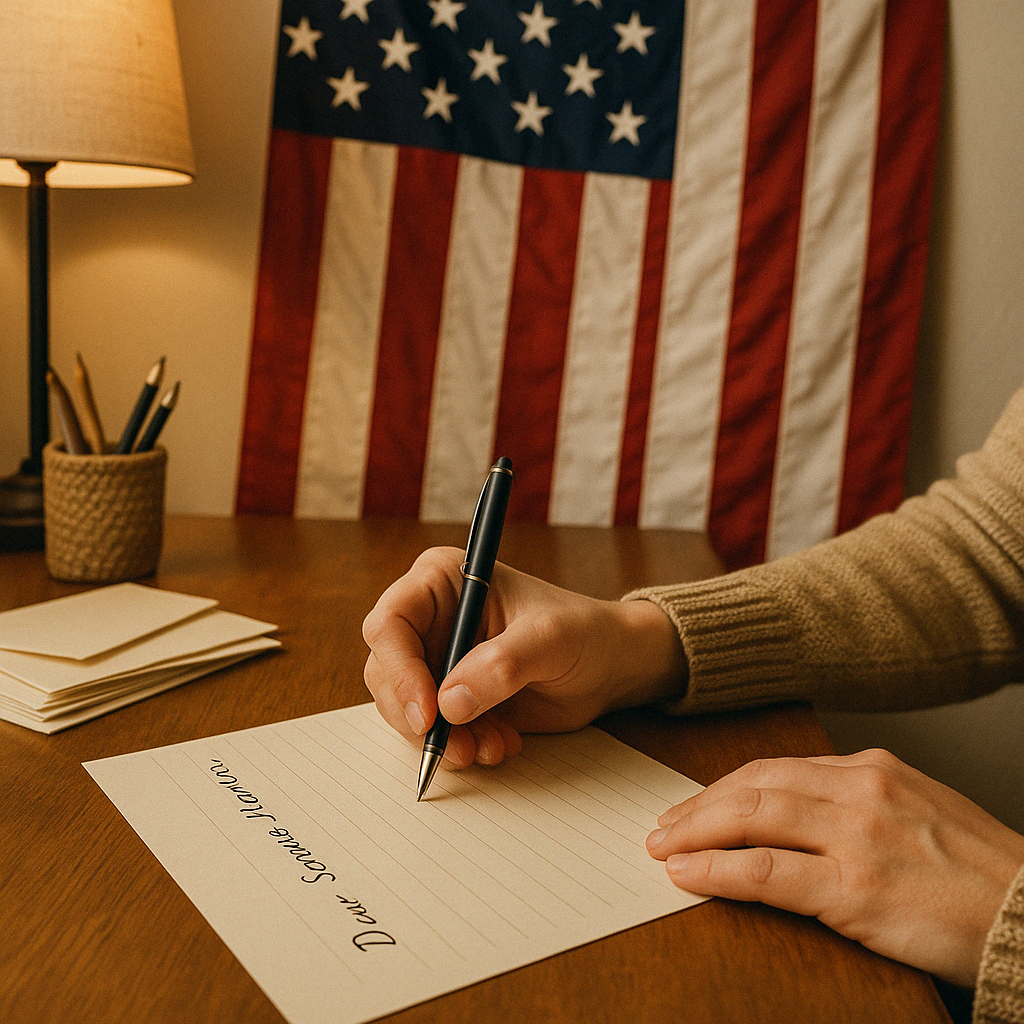
There’s something deeply personal about putting pen to paper. Organizations like A Million Thanks collect and distribute handwritten letters of appreciation to active duty service members, veterans, and families who have lost loved ones in service.
I’ve made this a family tradition with my children each Memorial Day. We spread craft supplies across the kitchen table and spend an afternoon creating colorful cards with heartfelt messages. It’s become a powerful teaching moment – my kids ask questions about service and sacrifice while creating something that will brighten someone else’s day.
When writing to active duty service members, focus on expressing genuine gratitude rather than asking about combat experiences or sharing political views. For families of the fallen, acknowledge their loved one’s sacrifice with respect and appreciation. Simple messages of thanks and support mean more than you might imagine.
Supporting Veteran-Owned Businesses
One practical way to honor those who’ve served is by intentionally supporting veteran-owned businesses in your community. From coffee shops to hardware stores, veteran entrepreneurs bring unique perspectives and leadership skills to their ventures.
Mark Stevens, a Marine veteran who now owns a popular bakery in Cleveland, shared with me: “Memorial Day is a special day for us as it allows us to take time to celebrate and memorialize the brave men and women that gave their lives for our country and freedom.”
Last Memorial Day, my family made it a point to visit only veteran-owned establishments throughout the weekend. We finded amazing restaurants we hadn’t tried before and connected with business owners who shared powerful stories about their service. Now these places have become regular stops for us year-round – a simple change that creates ongoing support.
Preserving Military History
The stories of those who served form the fabric of our nation’s history. By helping preserve these accounts, we ensure that sacrifices aren’t forgotten as generations pass.
Consider recording oral histories if you have family members who served. The Library of Congress Veterans History Project provides guidelines for collecting these narratives properly. My daughters interviewed their grandfather about his Vietnam service last year, creating a recording we’ll treasure forever – and more importantly, a account that helps them understand this chapter of American history.
Military museums also welcome financial contributions that help them continue their important work. Some even accept donations of relevant artifacts from family collections. And if you’re looking for a hands-on way to help, consider volunteering with groups working to identify and properly mark veterans’ graves, ensuring no service member is forgotten.
Educational Scholarships
Behind every fallen service member is often a family who must continue without them. Organizations like the Folds of Honor Foundation, Marine Corps Scholarship Foundation, and Children of Fallen Patriots Foundation provide educational scholarships to children who have lost a parent in military service.
Even a modest contribution to these funds helps ensure that the children of those who made the ultimate sacrifice have opportunities to pursue their dreams. What better way to honor someone who gave everything for our country than by investing in the future of their children?
By contributing to these causes, your celebrations for Memorial Day create impact that lasts far beyond a single weekend. These meaningful actions transform a holiday into a genuine tribute to those who served and sacrificed – one that makes a difference in the lives of veterans, active duty service members, and the families who love them.
Frequently Asked Questions about Celebrations for Memorial Day
What is the National Moment of Remembrance and how can I participate?
The National Moment of Remembrance is a beautiful, simple tradition that connects Americans across the country in a shared act of gratitude. At 3:00 p.m. local time on Memorial Day, we’re all invited to pause for just one minute to remember those who gave their lives for our country.
Congress established this observance in 2000, recognizing that we needed a dedicated moment during our holiday activities to refocus on what Memorial Day truly means. The timing is intentional – 3:00 p.m. is when most of us are enjoying backyard barbecues or family gatherings, making this brief pause especially meaningful.
Participating couldn’t be easier. Wherever you are at 3:00 p.m., simply stop what you’re doing and observe a minute of silence. If you’re hosting a gathering, you might gently announce, “It’s time for our National Moment of Remembrance” and invite everyone to join you. Some communities mark this moment with the haunting notes of “Taps,” while others ring bells or sound sirens.
As veteran James Wilson told me, “That single minute of silence means everything to those of us who’ve lost friends in service. It tells us America remembers.”
How can I teach my children about the true meaning of Memorial Day?
Helping children understand Memorial Day can feel challenging – we want them to grasp its importance without overwhelming them with concepts beyond their understanding. The key is meeting them where they are developmentally while still honoring the day’s solemnity.
For the little ones (ages 3-6), focus on gratitude rather than loss. I’ve found success with simple explanations like, “Today we say thank you to special heroes who helped keep our country safe.” My daughter loved making handprint flags and “thank you” cards, which gave us natural opportunities to talk about why we were thankful.
Elementary-aged children (7-11) are ready for more context. We visited our local veterans’ memorial, where my son was fascinated by the names and dates engraved in stone. This led to conversations about different wars and what it means to serve. Books like “America’s White Table” by Margot Theis Raven beautifully illustrate remembrance traditions in ways children can understand.
With teenagers, you can explore deeper concepts of sacrifice, duty, and freedom. My friend Sarah involved her teens in researching their family’s military history, which uncovered stories of their great-grandfather’s service in World War II. These personal connections made Memorial Day feel relevant rather than distant.
Perhaps most importantly, children learn from watching us. When they see us pausing at 3:00 p.m., attending a ceremony, or placing flowers at a memorial, they absorb the message that remembrance matters.
Are there virtual ways to honor fallen heroes on Memorial Day?
Absolutely! Virtual options have expanded tremendously in recent years, making meaningful celebrations for Memorial Day accessible to everyone, regardless of mobility, location, or circumstance.
The PBS National Memorial Day Concert has become a tradition in many homes, broadcasting live from the U.S. Capitol’s west lawn each year. The program blends stirring musical performances with powerful personal stories of service and sacrifice. If you miss the live broadcast, PBS typically makes it available for streaming afterward.
Arlington National Cemetery and many other memorial sites now livestream their ceremonies, allowing you to witness these solemn tributes from anywhere. The experience of watching the precision of the Tomb Guards or the laying of the presidential wreath can be profoundly moving, even through a screen.
For a more personal connection, the Veterans Legacy Memorial website lets you search for specific veterans buried in VA national cemeteries and leave digital tributes. My neighbor uses this site each Memorial Day to honor her father, uploading photos and stories that keep his memory alive.
Virtual museum tours offer another meaningful option. The National World War II Museum, the National Museum of the United States Army, and many others provide online exhibitions that can spark family discussions about service and sacrifice.
Social media provides a community space for remembrance too. Sharing a photo of a family member who served or simply posting a message of gratitude with hashtags like #MemorialDay creates a virtual mix of remembrance across platforms.
And don’t forget that online donations to organizations like the Wounded Warrior Project or Memorial Day Flowers Foundation allow you to support Memorial Day causes from anywhere, creating impact that extends far beyond the holiday weekend.
These virtual options aren’t just alternatives when in-person events aren’t possible – they’re meaningful traditions in their own right, connecting us across distances in shared remembrance.
Conclusion
Memorial Day offers us a unique opportunity to pause, reflect, and honor the brave men and women who made the ultimate sacrifice for our country. Throughout this article, we’ve explored numerous ways to make your celebrations for Memorial Day both meaningful and memorable for your family.
Finding the right balance between solemn remembrance and joyful celebration is what makes Memorial Day special. When we take time to honor fallen heroes while also enjoying the freedoms they protected, we create experiences that resonate deeply with family members of all ages.
For parents, Memorial Day presents a perfect teaching moment. Whether you’re crafting patriotic decorations with your little ones, sharing stories of relatives who served, or taking them to a local parade, you’re planting seeds of gratitude and respect that will blossom throughout their lives. These simple traditions become powerful lessons about service, sacrifice, and the true cost of freedom.
At Life As Mama, we believe family celebrations should touch both the heart and the spirit. Memorial Day calls us to accept moments of reflection while still celebrating life and connection with those we love. When we strike this balance, we honor the fallen in the most authentic way possible – by living fully and gratefully in the freedom they secured for us.
I hope these ideas inspire your family’s Memorial Day traditions this year and for many years to come. Perhaps you’ll start a new tradition of attending your local parade, or maybe you’ll gather around the table to share stories of family heroes. Whatever form your celebration takes, each moment of remembrance keeps the legacy of our fallen service members alive.
For more inspiration on creating meaningful family celebrations throughout the year, visit our celebration guides section. There you’ll find thoughtful ways to mark special occasions with the people who matter most.
As you enjoy your long weekend with barbecues, pool parties, and family gatherings, I encourage you to take just a moment to remember why we have this day. In that brief pause, we connect with generations of Americans who have set aside this day to honor those who gave everything for our tomorrow.
Related Images:

Amanda Schmitt
Latest posts by Amanda Schmitt (see all)
- Fruit Infused Waters That Make Summer Hydration Fun - July 1, 2025
- Light Up Your Life: Home Lighting Decoration Ideas - June 30, 2025
- Let’s Taco Party! Easy Steps for a Perfect Taco Bar Setup - June 27, 2025