The Truth About Beef Tallow for Acne: What You Need to Know
If you’re searching for information about beef tallow for acne, here’s what dermatologists and research tells us:
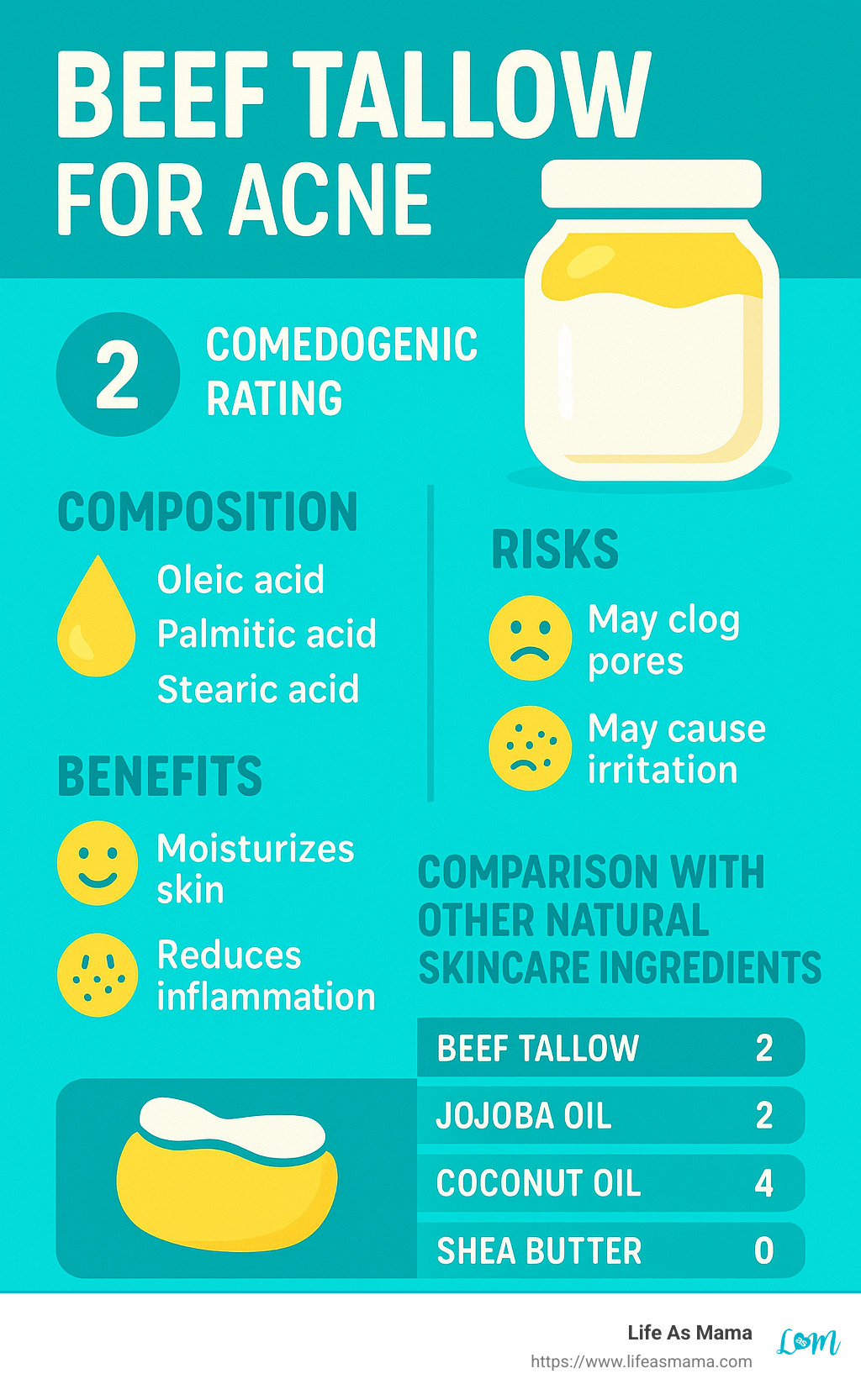
| Beef Tallow for Acne: Quick Facts | What Research Shows |
|---|---|
| Comedogenic Rating | 2-3 out of 5 (moderately pore-clogging) |
| Expert Opinion | Most dermatologists caution against use for acne-prone skin |
| Potential Benefits | Contains vitamins A, D, E, K; fatty acids; moisturizing properties |
| Potential Risks | May clog pores; worsen breakouts; cause irritation |
| Best For | Extremely dry skin; possible benefits for eczema |
| Not Recommended For | Oily or acne-prone skin |
The trending use of beef tallow for acne has taken social media by storm, with the hashtag #beeftallow accumulating over 50,000 posts on TikTok alone. This rendered animal fat, traditionally used in cooking and soap-making, has found its way into skincare routines across the country. But does the science support the hype?
While some users swear by beef tallow’s skin-changing abilities, dermatologists express significant caution. Dr. Maya Thosani warns, “Tallow is highly comedogenic and pore-clogging, so it will likely cause acne despite claims that it won’t.”
This disconnect between anecdotal success stories and expert warnings deserves a closer look. The fatty acid composition of tallow does share similarities with human skin oils, which might explain why some people experience benefits. However, its moderate comedogenic rating means it can potentially block pores for many users.
I’m Amanda Schmitt, a mom of two who has researched extensively about natural skincare options including beef tallow for acne after struggling with postpartum skin changes. My background as an Occupational Therapist has given me a unique perspective on holistic approaches to skin health.
Essential beef tallow for acne terms:
- beef tallow benefits
- how to make beef tallow
- beef tallow for sale
What Is Beef Tallow and How Is It Made?
Have you ever wondered what exactly beef tallow is while scrolling through those viral skincare videos? I certainly did! Simply put, beef tallow is rendered fat from cattle that transforms into a smooth, creamy substance when processed properly.
When I first researched beef tallow for acne treatments, I was surprised to learn about its rich history. This natural substance has been a household staple for generations before modern commercial products took over our bathroom shelves.
The rendering process is actually quite fascinating. It starts with raw suet (the hard fat found around the kidneys and loins of cattle) that undergoes a slow, gentle heating process. This careful heating separates the pure fat from proteins, water, and other impurities. The result? A pale, typically odorless substance with a consistency similar to whipped butter or shortening that solidifies at room temperature.
Dr. Robyn Gymrek explains it perfectly: “Once rendered, tallow solidifies at room temperature, creating a creamy substance that has been traditionally used in soaps, candles, and skin care.”
Throughout history, beef tallow served many purposes that might surprise you. Before vegetable oils became kitchen staples, our great-grandparents likely cooked with tallow regularly. Remember those deliciously crispy McDonald’s fries from decades ago? They were famously fried in beef tallow until the 1990s when the chain switched to vegetable oil.
Beyond the kitchen, tallow was essential for soap making, creating bars that were hard, long-lasting, and excellent for cleansing. Many artisanal soap makers still prefer tallow-based formulations today. Our ancestors also relied on tallow for candle production before paraffin wax became widely available, providing light through many dark winter nights.
Perhaps most relevant to our discussion, tallow has a long history in skincare. Traditional balms and salves often contained this natural fat to moisturize, protect against harsh weather, and treat various skin conditions. This traditional wisdom explains why we’re now seeing a revival of beef tallow for acne and other skincare concerns on social media platforms.
What makes this substance so special for skin? The answer lies in its composition, which we’ll explore more in upcoming sections. But this return to traditional skincare ingredients represents something deeper than just a trend—it’s a refindy of time-tested remedies in our modern world.
The Rise of Beef Tallow for Acne Treatment
Social media has a way of resurrecting old remedies, doesn’t it? That’s exactly what happened with beef tallow for acne. This traditional ingredient has made a spectacular comeback, largely thanks to TikTok, where the hashtag #beeftallow has accumulated over 50,000 posts. Many of these videos have racked up hundreds of thousands of likes, with creators enthusiastically sharing their “life-changing” results.
I’ve spent hours watching these testimonials, and it’s fascinating how passionate people are about this trend. Users show their before-and-after skin changes, often claiming that nothing worked for their acne until they finded beef tallow. Many proudly display their homemade tallow balms in cute little jars, explaining how they’ve simplified their previously complicated skincare routines.
“Followers of the trend are promoting the idea of using rendered animal fat, especially beef tallow, directly on the skin as a moisturizer or treatment for skin conditions such as acne,” explains Dr. Hannah Kopelman, a dermatologist at Kopelman Aesthetic Surgery. “Followers are even visiting butcher shops to source unprocessed tallow, claiming it’s a ‘natural’ and ‘ancestral’ remedy for healthier skin.”
This surge in popularity aligns perfectly with our current cultural moment. We’re seeing a growing interest in “ancestral” wellness practices everywhere – from nose-to-tail eating to barefoot walking. Beef tallow fits right into this movement, appealing to those who believe our ancestors had it right all along when it came to skincare.
However, not all experts are on board with this trend. Dr. Maya Thosani offers a stark warning that contrasts sharply with the glowing testimonials: “Tallow is highly comedogenic and pore-clogging, so it will likely cause acne despite claims that it won’t.”
This creates a puzzling situation for many of us. On one side, we have real people showing real results with beef tallow for acne. On the other, we have dermatologists raising legitimate concerns about its pore-clogging potential.
Dr. Anil Sharma adds another note of caution: “While TikTok creators may be recommending tallow as a ‘natural’ remedy, it’s important to understand that it could cause more harm than good.”
This tension between traditional wisdom and modern dermatological understanding is what makes the beef tallow conversation so interesting. Is this a case of dermatologists being too cautious about natural remedies? Or are social media users experiencing a placebo effect, or perhaps only sharing positive results while hiding negative ones?
What’s clear is that the beef tallow for acne trend isn’t just about skincare – it’s part of a larger movement questioning modern products and seeking simpler, more “natural” alternatives. Whether this particular trend stands the test of time remains to be seen, but it certainly has people talking – and slathering beef fat on their faces with unprecedented enthusiasm.
Purported Benefits of Using Beef Tallow for Skin Care
When you scroll through skincare forums or watch TikTok videos about beef tallow for acne, you’ll find plenty of enthusiastic users sharing what they believe makes this traditional ingredient so special. While dermatologists might raise their eyebrows, there’s no denying that tallow has some interesting properties that have captured the attention of natural skincare enthusiasts.
Nutritional Composition
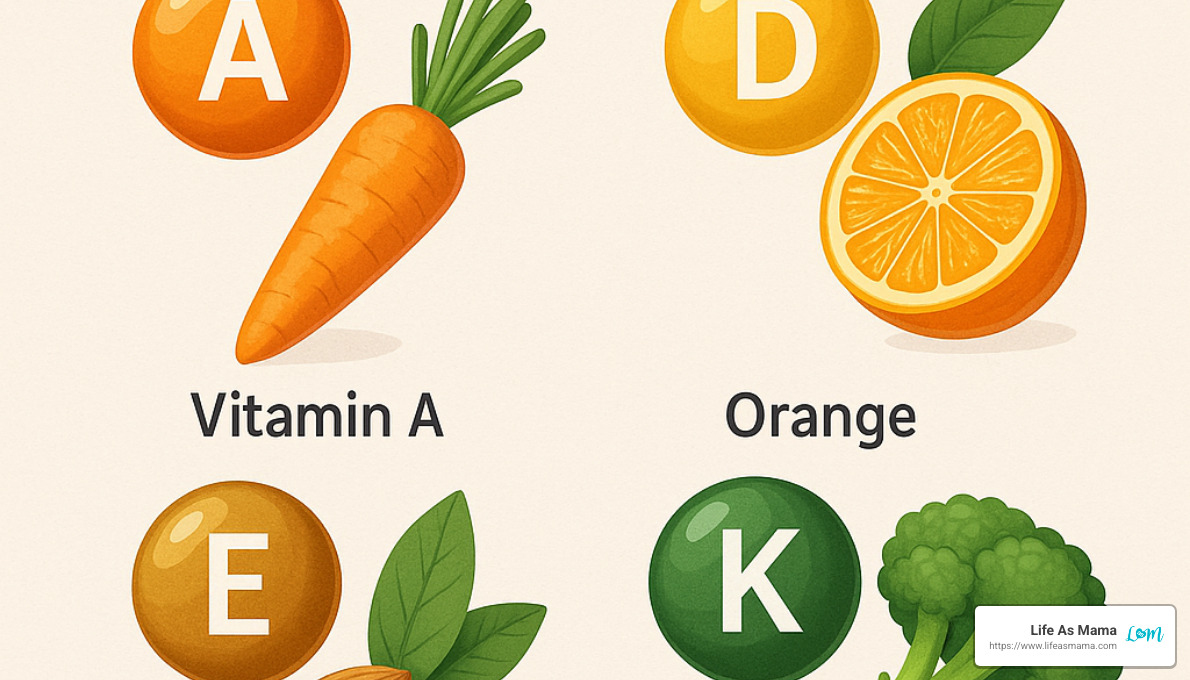
Beef tallow isn’t just fat—it’s a complex blend of compounds that might benefit your skin. It contains fat-soluble vitamins that skincare brands often add to their premium products. Vitamin A (related to retinol, the darling of anti-aging skincare) shows up naturally in tallow, alongside vitamins D, E, and K.
“The vitamin content in beef tallow is one reason some people experience positive results,” explains Dr. Michele Green. “These vitamins play various roles in skin health, from supporting cell turnover to providing antioxidant protection.”
The fatty acid profile in tallow—including oleic acid, palmitic acid, and stearic acid—might help maintain your skin’s natural barrier. Some components in animal fats have even shown mild antimicrobial effects in preliminary studies, though more research is needed to confirm these properties specifically in tallow.
Similarity to Human Sebum
Perhaps the most compelling argument for using beef tallow for acne is how closely it resembles our skin’s natural oils. This similarity isn’t just interesting trivia—it might explain why some people find tallow feels so compatible with their skin.
Dr. Michele Green points out, “Beef tallow contains fatty acids like oleic and linoleic acid, which are known for their anti-inflammatory properties. This can help reduce redness and swelling associated with acne.”
Because of this resemblance to sebum, tallow enthusiasts claim it blends seamlessly with your skin’s natural chemistry. Unlike some synthetic moisturizers that sit on top of the skin, tallow might integrate more naturally, supporting your skin’s protective barrier without feeling like an alien substance.
Moisturizing Properties
If you’ve ever touched properly rendered beef tallow, you know it has a distinctive texture—solid at room temperature but melting to a silky consistency when warmed between your fingers. This emollient quality allows it to fill the microscopic spaces between skin cells, creating a smoother surface.
For those battling extreme dryness, eczema flares, or the moisture loss that comes with aging, this intense hydration can feel like a revelation. “Due to its make-up, beef tallow closely mimics the skin’s natural oils,” acknowledges Dr. Anil Sharma. “Its natural and lipid-rich composition can make it an effective moisturizer and healing agent for those with eczema-prone or extremely dry skin.”
When your skin barrier is compromised—whether from harsh weather, aggressive skincare, or skin conditions—a simple, rich moisturizer might be just what you need. Some tallow users report that nothing else provides the same level of relief for their parched skin.
Anti-Inflammatory Claims
The redness and irritation that often accompany acne breakouts can be as distressing as the bumps themselves. Some beef tallow for acne proponents claim it helps calm these inflammatory responses, potentially due to its unique combination of fatty acids and vitamins.
But before you toss your prescribed acne treatments, remember what Dr. Omer Ibrahim cautions: “Although there are claims that beef tallow has retinol-like effects due to its vitamin A content, there’s no solid evidence to support these benefits for acne.”
While scientific research on fatty acids in skin health does suggest certain fatty acids play important roles in maintaining skin barrier function and modulating inflammatory responses, the specific effects of beef tallow on acne haven’t been thoroughly studied in clinical settings.
The gap between enthusiastic anecdotal reports and clinical evidence is significant. Your friend’s miracle cure might be your skin’s worst nightmare—especially when it comes to acne-prone skin, which can be unpredictably reactive to new products.
Does Beef Tallow Help with Acne Breakouts?
When it comes to beef tallow for acne, the internet seems divided. Scroll through TikTok and you’ll find glowing testimonials from users claiming it cleared their skin. Talk to dermatologists, and you’ll hear a much more cautious tone. So what’s the real story?
I’ve spent hours combing through both the enthusiastic social media posts and the skeptical medical opinions to bring you a balanced perspective. The truth, as often happens, seems to lie somewhere in the middle.
Many tallow enthusiasts share remarkable before-and-after photos online. One popular TikToker with over 100,000 followers documented her journey using beef tallow for acne, claiming it worked better than prescription treatments she’d tried for years. Others report that their persistent breakouts cleared within weeks, inflammation calmed down, and they finally found a moisturizer that didn’t trigger new pimples.
These personal stories are compelling—after all, who doesn’t love a good skincare change? But here’s where things get complicated.
No clinical trials have specifically studied beef tallow’s effects on acne. The potential benefits remain theoretical rather than proven. Dr. Omer Ibrahim puts it plainly: “Although there are claims that beef tallow has retinol-like effects due to its vitamin A content, there’s no solid evidence to support these benefits for acne.”
If tallow does help some people’s skin, several factors might explain why. The fatty acids could potentially reduce inflammation around existing pimples. Its moisturizing properties might help those whose acne worsens with dryness. And by strengthening the skin barrier, tallow could possibly prevent irritation that triggers breakouts for some people.
But these are educated guesses, not scientific conclusions. Your results might vary dramatically from what you see in those viral videos.
Is Beef Tallow Comedogenic and Does It Clog Pores?
Here’s where the conversation about beef tallow for acne gets particularly interesting. Beef tallow scores between 2 and 3 on the comedogenic scale (which runs from 0 to 5). This moderate rating means it has a reasonable potential to clog pores for many users.
In practical terms, this means up to half of people might experience clogged pores from using tallow. That’s a significant risk if you’re already battling acne.
Emme Diane, a licensed esthetician with years of experience treating acne, doesn’t mince words: “Even though it has some antimicrobial properties, the fact that it clogs pores outweighs any potential benefits.”
Think of beef tallow as creating a barrier on your skin—like a protective blanket. While this barrier locks in moisture (great for dry skin!), it can also trap oil, dead skin cells, bacteria, and environmental pollutants underneath. For acne-prone skin, this trapped debris can become the perfect breeding ground for new breakouts.
Dr. Maya Thosani’s statement is particularly striking: “Tallow is highly comedogenic and pore-clogging, so it will likely cause acne despite claims that it won’t.” This expert assessment directly contradicts many of the glowing testimonials you’ll find online.
So why do some people swear by tallow while others break out terribly? Skin is incredibly individual. Your unique combination of oil production, bacterial balance, cell turnover rate, and sensitivity determines how your skin reacts to any product—including beef tallow.
What Do Dermatologists Say About Using Beef Tallow for Acne-Prone Skin?
When I asked several dermatologists about using beef tallow for acne, their responses were consistently cautious. Their concerns center around both tallow’s physical properties and the lack of scientific evidence.
Dr. Ava Shamban sums up the medical perspective well: “There is still little clinical or scientific evidence that beef tallow is actually beneficial for use on skin or in skin care.” Without solid research, dermatologists hesitate to recommend something that could potentially make acne worse.
Dr. Corey L. Hartman is more direct: “Beef tallow is comedogenic, which means it can clog pores. I recommend that patients with oily, acne-prone skin stay away from beef tallow to avoid increasing breakouts.” This advice specifically addresses those with acne concerns.
Beyond the pore-clogging potential, dermatologists point out several other issues. Beef tallow quality varies widely depending on the source animal and rendering process. Improperly processed tallow may contain contaminants or bacteria. And unlike proven acne fighters like benzoyl peroxide or salicylic acid, tallow doesn’t contain ingredients specifically known to kill acne bacteria or regulate oil production.
Dr. Omer Ibrahim offers a balanced summary: “While beef tallow is rich in fatty acids, is very occlusive, and offers emollient benefits, there are better-studied plant-based fats with fewer variables in terms of quality and safety.”
The bottom line? While some people genuinely seem to benefit from using beef tallow on their skin, the medical consensus suggests proceeding with extreme caution if you have acne-prone skin. If you’re determined to try it despite the warnings, a patch test on a small area for several days can help you gauge how your skin might react before applying it to your entire face.
Risks and Potential Side Effects of Using Beef Tallow on Acne-Prone Skin
Let’s face it—while the internet is buzzing about beef tallow for acne, not every skincare trend that goes viral is right for everyone. Before you dash to your local butcher or click “add to cart” on that artisanal tallow balm, let’s talk about the potential downsides that dermatologists are concerned about.
Exacerbation of Acne
The elephant in the room is that beef tallow might actually make your breakouts worse, not better. With its moderate comedogenic rating of 2-3 out of 5, tallow can be problematic for many people with acne-prone skin.
Think of tallow like a cozy blanket on your skin—it creates a protective barrier, which is great for locking moisture in, but not so great for letting things out. This occlusive quality means it can trap all sorts of troublemakers against your skin: excess oil, dead skin cells, and acne-causing bacteria.
Dr. Anil Sharma explains this barrier effect perfectly: “When this happens, moisture escapes from your skin more easily, which can lead to dryness and irritation and an increased likelihood of other substances penetrating deeper into your skin, some of which could cause further irritation.”
Skin Irritation and Allergic Reactions
Your skin might just not be a fan of beef tallow, plain and simple. Some people experience redness, itching, or an uncomfortable burning sensation after application. Others might develop contact dermatitis (that angry, inflamed skin reaction nobody wants) or even hives.
These reactions can stem from several sources—maybe you’re sensitive to a component in the tallow itself, or perhaps your tallow contains impurities from the rendering process. Even high-quality tallow can develop irritating oxidation products as it ages, similar to how cooking oils can go rancid.
Increased Sun Sensitivity
Here’s something that doesn’t get mentioned in those glowing social media testimonials: some research suggests that certain fatty acids in animal fats might increase your skin’s sensitivity to sunlight. This photosensitivity isn’t just about getting a sunburn (though that’s certainly no fun)—it could potentially lead to hyperpigmentation, accelerated aging, and increased risk of skin damage.
If you’re using beef tallow for acne and spending time outdoors, you might be unknowingly setting yourself up for additional skin issues down the road.
Contamination Risks
The quality of your tallow matters tremendously. Unlike commercially produced skincare with standardized manufacturing processes, tallow quality can vary wildly depending on:
- How it was sourced (grass-fed? organic? conventional?)
- How carefully it was rendered (was it properly filtered?)
- How it’s been stored (is it protected from light and heat?)
Poor-quality tallow might harbor bacterial growth, become rancid through oxidation, or contain environmental pollutants that concentrate in animal fat. There’s also the concern about potential hormones or antibiotics if the tallow isn’t sourced from grass-fed, organic animals.
Disruption of Skin Barrier
Ironically, while many tallow enthusiasts claim it strengthens your skin barrier, some research suggests the opposite might be true for certain individuals. The high oleic acid content in beef tallow may actually disrupt the skin barrier in some people.
When your skin barrier gets compromised, several unwelcome things happen: water escapes more easily (leading to dryness), irritants penetrate more deeply, your skin’s natural defense mechanisms get weakened, and you become more sensitive to environmental factors.
This disruption can create a frustrating cycle where your skin becomes increasingly reactive and problematic—not exactly the glowing results promised in those viral videos.
If you’re still curious about trying beef tallow for acne despite these potential risks, proceed with caution. Do a patch test first, invest in high-quality tallow from a reputable source, watch your skin carefully for any negative reactions, and be ready to discontinue use at the first sign of trouble.
What works wonderfully for that TikTok influencer might be a disaster for your unique skin. As a mom who’s steerd plenty of skincare trends (both for myself and my teens), I’ve learned that sometimes the most hyped solutions aren’t always the right ones for everyone.
Scientific research on risks of animal fats in skincare offers more detailed information if you’re interested in diving deeper into the science behind these concerns.
Ethical and Environmental Concerns with Using Beef Tallow
If you’re considering beef tallow for acne treatment, it’s worth taking a moment to think about the bigger picture beyond your skin. Like many beauty ingredients, tallow comes with ethical and environmental considerations that might influence your decision.
Animal Welfare Considerations
Let’s face it – beef tallow comes from cows, and that raises questions for many of us. As a mom who tries to make mindful choices, I’ve found myself pondering these issues too.
The reality is that animal welfare standards vary dramatically across the industry. While some tallow comes from cattle raised on open pastures with high welfare standards, other sources may involve industrial feedlots where animal welfare isn’t the top priority.
For those who’ve made lifestyle choices around vegetarianism or veganism, tallow simply doesn’t align with their values – and that’s completely understandable. Many people prefer to avoid animal-derived ingredients in their skincare altogether, regardless of how effective they might be.
Environmental Impact
The environmental footprint of beef tallow for acne treatments is directly tied to cattle farming – an industry with significant environmental implications.
Cattle production contributes substantially to greenhouse gas emissions, with each cow requiring considerable land and water resources throughout its life. Conventional cattle farming has been linked to deforestation in some regions, along with soil degradation and water pollution issues.
Even the rendering process itself (turning fat into tallow) requires energy, though it’s worth noting that using tallow does make use of animal parts that might otherwise go to waste. This creates an interesting sustainability paradox – using a by-product versus creating demand for more production.
Sustainability Considerations
From a sustainability perspective, beef tallow presents a nuanced picture that isn’t black and white.
On one hand, tallow represents a form of upcycling – taking what would be a waste product from meat production and finding a valuable use for it. There’s something appealing about using the whole animal rather than discarding parts.
On the other hand, creating increased demand for tallow could potentially support the expansion of cattle farming. The carbon footprint of tallow production is substantially higher than many plant-based alternatives, though the exact impact varies depending on farming practices.
Small-scale, local tallow production from sustainably raised animals presents a very different environmental scenario than industrial-scale operations. This is why many conscious consumers who do use tallow seek out small producers with transparent practices.
Cultural and Traditional Perspectives
Before we dismiss tallow entirely, it’s worth acknowledging its deep roots in human history and cultural traditions. Many indigenous cultures have used animal fats in skincare for generations, representing not just a practical solution but important cultural knowledge.
These traditional uses of tallow weren’t frivolous – they emerged from generations of observation and the need to use available resources wisely. There’s wisdom in these ancestral practices, even as we balance them with modern environmental awareness.
If you’re interested in trying beef tallow for acne but concerned about these issues, you might look for products that source from small, sustainable farms, use by-products from food production rather than creating separate demand, and maintain transparency about their supply chain.
For those who prefer to avoid animal products entirely, don’t worry – the next section covers some excellent plant-based alternatives that might work just as well for your skin concerns, without the ethical complications.
As parents, we’re constantly balancing practicality with our values. Whatever you choose, making an informed decision that aligns with your family’s priorities is what matters most.
Plant-Based Alternatives to Beef Tallow for Skin Care
If you’re hesitant about using beef tallow for acne due to ethical concerns or worries about potential pore-clogging effects, nature provides us with plenty of wonderful plant-based alternatives. These options can deliver similar benefits while potentially being kinder to both your skin and the planet.
Shea Butter
Shea butter comes from the nuts of the shea tree and feels like a luxurious treat for your skin. With a comedogenic rating of just 0-2 (lower than beef tallow’s 2-3), it’s less likely to cause problems for most acne-prone individuals.
I love shea butter for its rich vitamin content—it’s packed with vitamins A, E, and F that nourish your skin while its natural anti-inflammatory properties help calm irritation. It’s particularly wonderful for dry, sensitive skin and may provide relief for conditions like eczema and dermatitis. While no product works for everyone, shea butter is generally less likely to clog pores than tallow.
Mango Butter
Have you ever tried mango butter? This delightful butter extracted from mango seeds has an incredibly low comedogenic rating of 0-1, making it suitable for most skin types.
Mango butter delivers deep moisturization along with vitamins A and C, which help promote skin elasticity and provide antioxidant protection. It’s especially beneficial for dry or mature skin and can help soothe sun damage. The best part? It’s unlikely to cause breakouts for most people, making it a safer bet if you’re prone to acne but still want that rich moisture.
Jojoba Oil
Here’s something fascinating about jojoba oil—it’s not actually an oil but a liquid wax that closely resembles our skin’s natural sebum! This similarity allows it to work harmoniously with your skin with a moderate comedogenic rating of 2.
Jojoba oil has gained popularity for its ability to balance oil production (yes, oil can actually help control oil!), while offering both anti-inflammatory and antibacterial benefits. It’s versatile enough for all skin types, including oily and combination skin. Many people with acne-prone skin find that jojoba helps regulate their sebum production without triggering new breakouts.
Squalane
Derived from olives or sugarcane, squalane mimics a component naturally found in human sebum but with a much lower comedogenic rating of 0-1. It’s become my personal favorite for its lightweight feel and impressive benefits.
Squalane provides gentle hydration without the heaviness, offers antioxidant protection, and improves skin elasticity. It’s truly suitable for all skin types, including the most sensitive and acne-prone skin. If you’re worried about triggering breakouts, squalane is one of the safest options to try first.
Rosehip Oil
Rich in essential fatty acids and antioxidants, rosehip oil has earned its place in many skincare routines. With a low comedogenic rating of 1, it’s generally well-tolerated by most skin types.
What makes rosehip oil special is its vitamins A and C content, which promote cell regeneration and help reduce hyperpigmentation. It’s particularly beneficial for aging skin, scarring, and uneven skin tone. For those dealing with acne, rosehip oil may help reduce the appearance of acne scars and the dark spots left behind after breakouts heal.
Argan Oil
Cold-pressed from the kernels of the argan tree, this “liquid gold” from Morocco has a comedogenic rating of 0, meaning it’s non-comedogenic and unlikely to clog pores.
Argan oil is rich in vitamin E and fatty acids, offering antioxidant protection while soothing inflammation. It works beautifully for all skin types, particularly dry or aging skin. Most people with acne-prone skin tolerate argan oil well, and its anti-inflammatory properties may help reduce the redness and swelling associated with breakouts.
Comparison with Beef Tallow
When comparing these plant-based options to beef tallow for acne, several advantages become clear:
Most plant alternatives have lower comedogenic ratings, reducing the risk of clogged pores. There’s also significantly more scientific research supporting the skincare benefits of these plant oils and butters. Commercial plant-based products tend to have better standardization in terms of quality and composition.
For those avoiding animal products, these alternatives align with ethical preferences. Many people also find the texture of plant oils to be lighter and less greasy than animal-derived fats.
As Dr. Omer Ibrahim wisely points out, “While beef tallow is rich in fatty acids, is very occlusive, and offers emollient benefits, there are better-studied plant-based fats with fewer variables in terms of quality and safety.”
When shopping for plant-based alternatives, look for cold-pressed, unrefined options whenever possible. Organic certification helps minimize pesticide exposure, and products without added fragrance or potential irritants are kinder to sensitive skin. Good packaging that protects oils from light and oxygen will extend shelf life, and reputable brands with transparent sourcing practices are always worth supporting.
These plant-based alternatives can provide the moisturizing and skin-supporting benefits you might be seeking from beef tallow, often with a lower risk of triggering or worsening acne. Everyone’s skin is unique, so you might need to experiment to find which option works best for your particular skin needs.
How to Incorporate Beef Tallow into Your Skincare Routine
So you’ve heard all the buzz about beef tallow for acne and despite the mixed reviews from dermatologists, you’re curious to give it a try. I completely understand! Sometimes we want to explore traditional remedies, especially when we’ve tried everything else. If you decide to experiment with beef tallow, let’s make sure you do it in the safest, most effective way possible.
Sourcing High-Quality Tallow
The quality of your tallow can make all the difference between potential benefits and unwanted side effects. Think of it like cooking oil – the better the source, the better the results!
When shopping for beef tallow, look for products from grass-fed cattle. These typically contain higher levels of beneficial nutrients like omega-3 fatty acids and vitamins A, D, E, and K. The rendering process matters too – properly rendered tallow should be clean and nearly odorless, without impurities that could irritate your skin.
Many skincare enthusiasts prefer organic options to minimize exposure to hormones, antibiotics, or pesticides that might be present in conventional cattle products. If possible, seek out cold-processed tallow, as this gentle method preserves more of those skin-loving nutrients than high-heat processing.
Dr. Anil Sharma offers this practical advice: “If you have eczema-prone or extremely dry skin and are curious to try this trend, I recommend starting with a small amount — a penny-sized portion — applied to both elbows and knees after your evening shower.”
Patch Testing
Before slathering tallow all over your face (especially if you’re trying it for beef tallow for acne treatment), please do a patch test! This simple step can save you from a potential skin disaster.
Apply a small dab of tallow to your inner forearm or behind your ear, cover it with a bandage, and leave it for 24 hours. Keep an eye out for any redness, itching, burning, or other signs your skin isn’t happy. Only if you pass this test should you consider applying it to your face – and even then, proceed with caution.
Application Methods
There are several ways to incorporate beef tallow into your skincare routine, depending on what you’re hoping to achieve:
As a spot treatment, you might apply the tiniest amount directly to inflamed acne spots on clean, dry skin. This works best in the evening, giving the tallow time to work its magic overnight without makeup or sunscreen interfering.
If you’re using it as a moisturizer, start with a pea-sized amount for your entire face – seriously, a little goes a long way! Warm the tallow between your fingertips first to soften it, then gently pat (don’t rub) onto slightly damp skin. Many people find it works better when targeted just to dry areas rather than applied all over.
Some folks use tallow as a cleansing balm, massaging a small amount onto dry skin to dissolve makeup and impurities. If you try this method, be sure to remove it thoroughly with a warm, damp cloth and follow with a gentle water-based cleanser to prevent residue from clogging your pores.
Frequency and Timing
When it comes to using beef tallow for acne, less is definitely more. Dr. Sharma cautions that “This should only be done once or twice a week. Tallow is extremely oily and isn’t good for everyday use.”
For acne-prone skin especially, consider starting with applications just every 3-4 days. This gives your skin time to respond and allows you to monitor for any adverse reactions. Nighttime application is usually best, working with your skin’s natural renewal cycle.
It’s wise to avoid applying tallow before sun exposure, as some fatty acids may increase photosensitivity. And of course, if you notice more breakouts after using tallow, stop immediately – your skin is telling you something important!
Combining with Other Skincare Products
Figuring out where tallow fits in your existing routine can be tricky. Generally, it works best applied after water-based serums but before heavier creams, following the thin-to-thick rule of skincare.
You might consider layering it with non-comedogenic hydrating ingredients like hyaluronic acid or glycerin. When first starting out, avoid using tallow alongside potentially irritating active ingredients like retinoids or exfoliating acids – this combination might be too much for your skin to handle at once.
Always ensure thorough cleansing in the morning to remove any tallow residue from the night before. A gentle foaming cleanser can help prevent buildup that might contribute to clogged pores.
Storage and Preservation
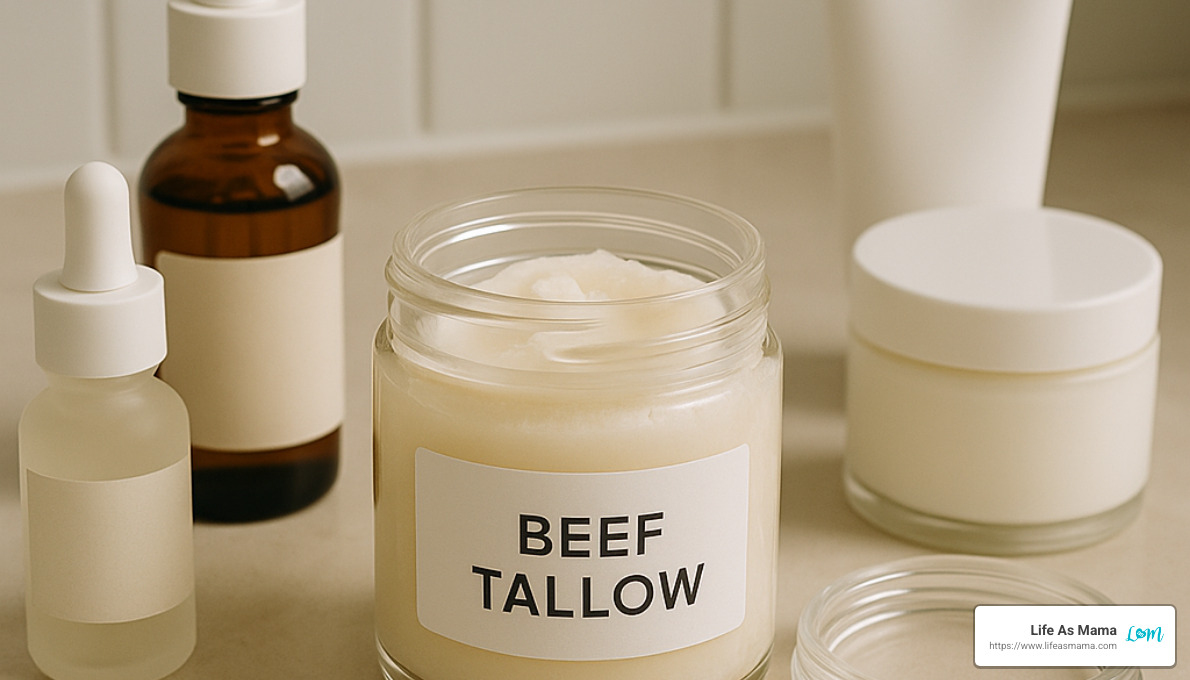
Like any natural product, beef tallow can go rancid if not stored properly. Keep your tallow in a cool, dark place – the refrigerator is perfect if you live in a warm climate. Always use clean, dry fingers or utensils when dipping into your tallow container to prevent introducing bacteria.
Some people add a few drops of vitamin E oil as a natural preservative to extend shelf life. Keep an eye (and nose) out for any changes in smell or appearance that might indicate spoilage. Even with proper storage, it’s best to use tallow within 3-6 months of opening.
While some people swear by beef tallow for acne treatment, it’s not a miracle cure. The cautious approach recommended by dermatologists acknowledges both the potential benefits for some individuals and the very real risks for others, especially those with acne-prone skin. Your skin is unique, and what works wonders for an influencer on TikTok might not be right for you!
Experiences of Individuals Using Beef Tallow for Acne Treatment
The world of beef tallow for acne treatments is filled with dramatically different stories, showing just how unique our skin can be. Scrolling through social media posts, forum discussions, and product reviews reveals a fascinating mix of experiences that range from miraculous changes to disappointing setbacks.
Positive Experiences
Many tallow enthusiasts share glowing testimonials about their skin improvements. Beth from British Columbia couldn’t contain her excitement: “I love this cream! It’s absolutely amazing! I used it for my daughter’s dry, irritated eczema on her face.” Her experience mirrors many others who found relief not just for acne but for related skin conditions as well.
Nina from Manitoba had a similar breakthrough moment with her toddler: “This balm has been a miracle for my babies! My 19-month-old had severe eczema around her mouth… This is by far the best natural, non-toxic balm I’ve ever used!”
Beyond these parent testimonials, many adults with stubborn acne share stories of finally finding relief after years of frustration with conventional treatments. These success stories often highlight how beef tallow for acne worked when nothing else would, describing skin that’s not only clearer but also calmer and less inflamed.
What’s particularly interesting is how many users appreciate tallow’s versatility. They might start using it for facial acne but end up applying it to body breakouts, dry patches, and even minor cuts. This multi-purpose quality makes it especially appealing to those looking to simplify their skincare routines.
Negative Experiences
On the flip side, tallow doesn’t work its magic for everyone. Some users have had genuinely troubling reactions that make them cautious about recommending it to others.
One Reddit user’s experience serves as a sobering reminder of potential risks: after two weeks of using a tallow-based facial product, they developed what they described as “the worst cystic acne of my life.” This wasn’t a minor breakout but a significant skin event that took months to resolve.
A popular TikTok creator who documented her week-long experiment with beef tallow for acne showed viewers her skin’s progressive deterioration – starting with small bumps on day four and ending with painful cystic acne along her jawline by day seven.
Many users note that tallow initially feels nourishing and calming, only to find their pores becoming increasingly clogged over time. Others experience immediate reactions like redness, burning sensations, or clusters of small bumps appearing within hours.
The texture of tallow also proves problematic for some. Its rich, sometimes greasy consistency can interfere with makeup application and leave skin looking shiny in all the wrong ways – a particular concern for those already dealing with oily skin.
Mixed or Neutral Experiences
Between these two extremes are the nuanced experiences that highlight how complex our relationship with skincare can be. Many users report that beef tallow for acne works beautifully on certain areas of their face – like dry, flaky patches around the mouth or cheeks – while causing breakouts in others, particularly the already oil-prone T-zone.
Seasonal variations add another layer of complexity. Some find tallow perfect during harsh winter months but too heavy once humidity rises in summer. Others notice their skin’s tolerance changes with hormonal fluctuations throughout the month.
Product quality emerges as a critical factor in many mixed reviews. Users who experiment with different sources often report dramatically different results between mass-produced tallow and small-batch, grass-fed varieties. Some find success only when tallow is combined with other ingredients rather than used in its pure form.
Factors Influencing Individual Responses
What explains these wildly different experiences with beef tallow for acne? Several key factors seem to influence outcomes:
Skin type plays a major role, with extremely dry skin types generally reporting more positive experiences than those with naturally oily complexions. This makes intuitive sense given tallow’s rich, occlusive nature.
Acne causes vary widely from person to person. Hormonal acne may respond differently to tallow than breakouts caused primarily by bacteria or congestion. This might explain why some users see improvement in certain types of blemishes but not others.
Product formulation matters tremendously. Pure tallow delivers different results than products where tallow is combined with essential oils, plant extracts, or other active ingredients.
The application method – how much product is applied and how frequently – significantly impacts outcomes. Those who use a light touch often report better results than those who apply tallow liberally.
Tallow source emerges as perhaps the most significant variable. Grass-fed versus conventional, rendering methods, additional ingredients, and preservation techniques all affect the final product’s composition and potential effectiveness.
Finally, each person’s unique skin microbiome – the collection of bacteria living on the skin – may process applied fats differently, leading to highly individualized responses.
| Reported Benefits | Reported Drawbacks |
|---|---|
| Reduced inflammation | Clogged pores |
| Improved moisture | Greasy residue |
| Faster healing of lesions | New breakouts |
| Calmed redness | Difficulty with makeup application |
| Improved skin texture | Unpleasant smell (in some products) |
| Reduced scarring | Ethical concerns |
These varied experiences remind us that when it comes to beef tallow for acne, there’s no one-size-fits-all answer. What works beautifully for one person might cause problems for another. This diversity of responses underscores the importance of patch testing, starting slowly, and being willing to adjust or discontinue use if your skin signals that tallow isn’t right for you.
Frequently Asked Questions About Beef Tallow for Acne
Is Beef Tallow Safe for All Skin Types?
When it comes to using beef tallow for acne or general skincare, I wish I could say it works for everyone—but that’s simply not the case. The truth is, while some people with dry or normal skin might find tallow to be a dream moisturizer, those with oily or acne-prone skin often find it’s more of a nightmare.
Dr. Corey L. Hartman puts it plainly: “Beef tallow is comedogenic, which means it can clog pores. I recommend that patients with oily, acne-prone skin stay away from beef tallow to avoid increasing breakouts.”
If you’re wondering about your own skin type, here’s what you should consider before reaching for that jar of tallow. For oily skin, tallow’s occlusive nature can trap excess oil against your skin—imagine putting a lid on an already overflowing pot. If you have sensitive skin, the components in tallow might trigger irritation or allergic reactions that leave your skin angrier than before. Those with dry skin generally tolerate tallow better, though responses still vary widely from person to person. And if you’re in the combination skin camp like me, you might find tallow works beautifully on those desert-dry cheeks but causes chaos in your already oily T-zone.
Still determined to try beef tallow despite having acne-prone skin? Dr. Anil Sharma offers this cautious approach: start with “a small amount—a penny-sized portion—applied to both elbows and knees after your evening shower.” This lets you test your skin’s reaction before risking a facial breakout.
Can Beef Tallow Make Acne Worse?
Unfortunately, yes—beef tallow for acne can potentially make breakouts worse for many people. I know this isn’t what you wanted to hear if you’ve been eyeing those glowing social media testimonials, but understanding why might save you from a frustrating skincare setback.
With a comedogenic rating of 2-3 out of 5, beef tallow has a moderate potential to clog pores. Think of it as placing a waxy barrier over your skin that can trap all sorts of troublemakers—bacteria, dead skin cells, and excess oil—directly against your skin. For some people, this is a recipe for breakouts.
Emme Diane, a licensed esthetician, doesn’t mince words: “Even though it has some antimicrobial properties, the fact that it clogs pores outweighs any potential benefits.”
I’ve found that certain people seem to face higher risks when using tallow. If you have naturally oily skin, you’re already producing plenty of sebum—adding more occlusive fats might be overkill. Those prone to cystic or hormonal acne often report that tallow makes those deep, painful bumps more frequent. Living in a humid environment? The added moisture trapped by tallow can create a perfect storm for breakouts. And if you’re already using other potentially pore-clogging products, adding tallow might be the tipping point.
Watch for warning signs after introducing tallow to your routine: more breakouts than usual, new pimples in places you don’t typically break out, deep and painful cystic lesions, persistent redness, or small bumps across your skin. Any of these suggest it’s time to retire the tallow, at least for facial use.
Should I Consult a Dermatologist Before Using Beef Tallow?
Absolutely yes—talking to a dermatologist before trying beef tallow for acne is one of the smartest moves you can make, especially if you’re dealing with persistent breakouts or have sensitive skin.
Think of it this way: would you try a new medication without checking if it’s right for you? Probably not. Your skin deserves the same careful consideration, particularly if you have persistent or severe acne, a history of skin sensitivities, conditions like rosacea or eczema, or if you’ve recently used prescription acne treatments that might interact with tallow.
A dermatologist brings something invaluable to the table that no TikTok influencer can offer: personalized advice based on your unique skin and medical history. They can guide you through proper patch testing, suggest how to slowly introduce tallow if appropriate, monitor for adverse reactions, and—perhaps most importantly—recommend alternatives that might work better for your specific situation.
Dr. Ava Shamban reminds us of an important reality check: “There is still little clinical or scientific evidence that beef tallow is actually beneficial for use on skin or in skin care.” A dermatologist can help you weigh this lack of evidence against the potential risks for your specific situation.
I know those before-and-after photos on social media can be incredibly compelling—I’ve fallen down that rabbit hole myself more times than I care to admit! But remember that what worked miraculously for someone else might be disastrous for your skin. A fifteen-minute consultation with a dermatologist could save you weeks or months of dealing with breakouts that could have been avoided.

As a mom who’s tried countless skincare trends over the years (with mixed results), I’ve learned that professional guidance is invaluable when it comes to skincare decisions that could potentially make existing problems worse.
Conclusion
The surge in popularity of beef tallow for acne treatment perfectly captures our current moment—where ancestral wisdom meets Instagram trends, and traditional remedies find new life through TikTok testimonials. It’s a fascinating journey we’ve explored together, and one that leaves us with some important takeaways.
When we peel back the layers of anecdotal success stories and look at what dermatologists and research tell us, we find a more nuanced picture. Beef tallow sits at a moderate 2-3 on the comedogenic scale, meaning it has the potential to clog pores for many people. While it does contain beneficial fatty acids and those lovely fat-soluble vitamins our skin craves, these same components might trigger breakouts for those with acne-prone skin.
I was particularly struck by how dramatically different people’s experiences have been. Some swear that tallow cleared stubborn acne nothing else could touch, while others developed painful cystic breakouts within days. This wide variation suggests that our individual skin chemistry, application methods, and even the quality of tallow we use all play crucial roles in determining outcomes.
Dr. Anil Sharma’s advice feels like the voice of reason in this conversation: “If you have eczema-prone or extremely dry skin and are curious to try this trend, I recommend starting with a small amount — a penny-sized portion — applied to both elbows and knees after your evening shower.” This gentle, cautious approach acknowledges both the potential benefits for certain skin types and the very real risks for others.
For those of us dealing with acne, the safest path forward probably looks something like this: talk to a dermatologist first, consider clinically-proven treatments before experimental options, start with patch tests if you do try tallow, watch your skin closely, and don’t hesitate to stop if things get worse. Those plant-based alternatives we discussed—with their lower comedogenic ratings—might offer similar benefits with fewer risks for many of us.
At Life As Mama, we completely understand the appeal of natural, traditional remedies in our family’s skincare routines. As parents, we’re constantly balancing what’s convenient, what’s affordable, what’s natural, and what actually works. The journey to clear skin can be frustrating and complex—what transforms one person’s complexion might trigger a breakout storm for another.
Whether you decide to give beef tallow for acne a try or opt for alternative solutions, approaching skincare with patience, careful observation, and professional guidance will serve you best. After all, the goal isn’t just clear skin today, but healthy skin for years to come.

For more information about achieving even, healthy skin, check out our article on Simple Solutions to Even Out Your Skin Tone.
Related Images:

Amanda Schmitt
Latest posts by Amanda Schmitt (see all)
- 20+ First Day of School Traditions to Make the Day Special - August 23, 2026
- Fruit Infused Waters That Make Summer Hydration Fun - July 1, 2025
- Light Up Your Life: Home Lighting Decoration Ideas - June 30, 2025