Motherhood and Moms Lifestyle – Live like a Mom | LifeAsMama
  • Motherhood
  • Pregnancy
  • Beauty
  • Health
  • Kids
    • Baby
    • Toddler
    • Little Kid
    • Pre-Teen
    • Teenager
    • Adoption
  • Lifestyle
    • Career
    • Beauty & Style
    • Home
    • Inspirational
    • Food
    • Fitness
    • Travel
  • DIY
    • Printable Coloring Pages
    • Crafts
    • Design
    • Holiday
  • Contact Us
Ask A Doc

Ask A Doc: How Long Is My Child Contagious?

by Guest Post June 2, 2016
by Guest Post 310 views
310

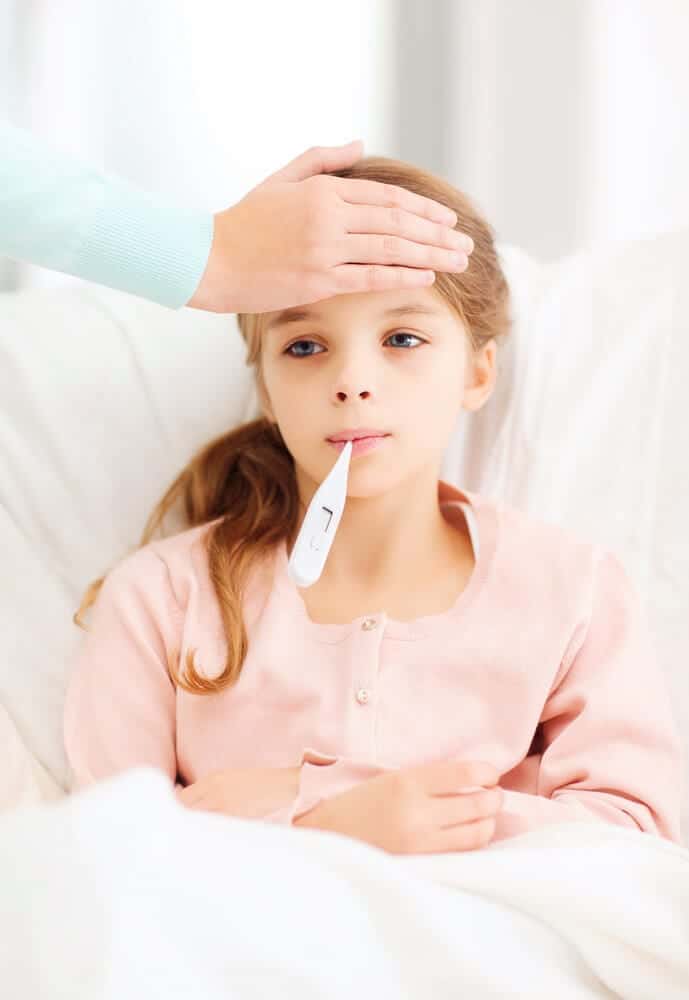
We’ve all been there. The fever is down, maybe never to return, and there’s a birthday party your child has craved all week. After diagnosing an illness in the emergency department, we’ll often get the “contagious” question, with the subtext “So can I take her to the birthday party without being a bad parent?”
shutterstock_159623486

As with most medical issues, the answer is “it depends.” The easiest answer is when your child has swab or culture proven strep throat. Twenty-four hours after beginning antibiotics, your child is no longer infectious, hooray!1 For most other illnesses, the answer is less clear cut.

Coxackie virus, or hand foot and mouth disease, can have shedding of the enterovirus that causes it in your child’s poop for up to THREE MONTHS. Most viral illness will continue to have some infectious material in the saliva for a week or so, but if you can keep your child from licking another kid and train them not to share sippy cups, you’re probably ok.

The illnesses that make the most difference are those that can affect a baby of a pregnant woman who catches it from your child. Rubella is the biggest deal, as Zika-like birth defects happen when an under-immunized mom catches it. The other classic concern is Parvovirus B19. This is a common childhood illness causing “slapped cheeks” rash or “fifth’s disease” a day or so after the fever goes away. The disease is infectious while the child has a mild fever, and if a pregnant mother catches it rarely she could lose the baby. The good news is that once the slapped cheeks arise, the child is no longer infectious. However, if there are siblings who haven’t caught it yet, NO one is going to that party.

The best rule of thumb is to consider your child infectious until fever is gone for twenty-four hours, and continue to be vigilant about drool and poop for a week. Be aware if “Fifth’s disease” is circulating if your child could be around pregnant women, and feel secure with treated strep after 24 hours even if a low-grade temperature remains.

1The RED Book: report of the committee on Infectious diseases. Kimberlin DW, Brady MT eds.; Elk Grove Village, IL: American Academy of Pediatrics, 2015


Author Bio

Dr-Amy-Baxter-01-compressorAmy Baxter MD is a pediatric emergency physician and inventor of Buzzy Pain Relief.  She lectures nationally and internationally on needle phobia, pain management, sedation, and child abuse.

Related Images:

  • Bio
  • Latest Posts
Guest Post

Guest Post

Guest Post

Latest posts by Guest Post (see all)

  • 23 Luminous Ways To Spruce Up Your Bedroom - July 10, 2025
  • 4 Easy Ways To Take Care Of Your Feet During Pregnancy - December 28, 2018
  • 6 Fun Activities That Will Get Your Family Into The Holiday Spirit - December 18, 2018
ask a doccontagiousdoctor
3 FacebookTwitterPinterestEmail

You may also like

Shrink Your Mommy Pooch: Top Exercises!

4 Important Things To Know About Your Child’s...

The No-Panic Guide to Kids Dental Emergencies

Ask A Doc: Why Is My Child Constipated?

Ask A Doc: Do I Need To Brush...

Ask A Doc: How Do I Get My...

Guest Post

previous post
5 Makeup Products Moms Need To Create The “5 Minute Face”
next post
7 Tips For Preparing Your Finances For Maternity Leave

Search

Trending

  • Summer Chore Charts To Keep The Kids Busy

  • How to Keep Your Kids Active During the Summer Break

  • 10 Must-Have Products for Expecting Moms This Summer

  • 10 Easy Summer Meal Prep Ideas for Busy Moms

  • Facebook
  • Instagram
  • Pinterest
Footer Logo
  • DMCA Policy
  • Contact Us

@2024 - All Right Reserved. Designed and Developed by LifeAsMama


Back To Top
Motherhood and Moms Lifestyle – Live like a Mom | LifeAsMama
  • Motherhood
  • Pregnancy
  • Beauty
  • Health
  • Kids
    • Baby
    • Toddler
    • Little Kid
    • Pre-Teen
    • Teenager
    • Adoption
  • Lifestyle
    • Career
    • Beauty & Style
    • Home
    • Inspirational
    • Food
    • Fitness
    • Travel
  • DIY
    • Printable Coloring Pages
    • Crafts
    • Design
    • Holiday
  • Contact Us

Understanding Contagiousness in Children

When it comes to children's illnesses, understanding how contagious they may be can be crucial for parents, especially when planning social activities like birthday parties. Each illness has its own timeline of contagiousness, and knowing this can help you make informed decisions about interactions with peers. For example, strep throat is easily transmissible, and if a child is diagnosed, even if symptoms have subsided, they can still pose a risk to others for a short period.

Additionally, viral infections like hand, foot, and mouth disease can complicate decisions around social outings due to the extended shedding of the virus in body fluids. This can mean that even after the child feels better, there is still a risk of spreading the infection, particularly if hygiene practices are not adhered to. Parents need to be mindful of these factors when determining whether it is safe for their child to participate in group activities.

Dealing with Sibling Exposure

Siblings are often the first to be exposed to contagious illnesses as they frequently share spaces and items at home. If one child is ill, it’s highly advisable to keep the infected child isolated from their siblings to minimize the risk of spreading the illness. This becomes especially critical when there are events like birthday parties on the horizon, as you want to avoid a situation where multiple children succumb to the same illness.

To mitigate the risk of contagion, parents can implement various strategies such as ensuring frequent hand washing, using separate towels, and limiting close contact. Additionally, having open conversations with children about why they can’t share food or toys during this time may foster understanding and compliance. Ultimately, watching for symptoms in siblings and acting promptly can prevent a chain reaction of illness in the household.