While paid family leave is often associated with new mothers, there is growing recognition of the benefits of paternity leave and parental leave for fathers. Allowing fathers to take time off work to bond with their newborns and assist with childcare has a positive impact on family dynamics and contributes to achieving greater gender equality in parental leave.
However, in the United States, paid family leave for fathers lags behind other countries, with few employers offering paternity leave and limited access to paid parental leave. This can have negative consequences for fathers, as well as the overall well-being of families and society.
In this section, we will explore the advantages of implementing paid family leave specifically for fathers, including the benefits of paternity leave and parental leave. We will discuss how this policy can enhance bonding and connection, reduce stress, promote equality, and support career progression. Additionally, we will examine the long-term benefits for children and the economic and social implications of implementing this policy.
Key Takeaways:
- Paid family leave for fathers has numerous benefits for families and society.
- Allowing fathers to bond with their newborns and assist with childcare positively impacts family dynamics.
- Greater access to paternity leave and parental leave contributes to achieving gender equality in parental leave.
- This policy can reduce stress, support career progression, and have long-term benefits for children.
- The economic and social implications of implementing this policy are significant.
Enhancing Bonding and Connection
One of the most significant benefits of providing paid family leave for fathers is the enhanced bonding and connection that it fosters between fathers and their children. Fatherhood support is essential in promoting a healthy family dynamic, and allowing dads to take leave positively impacts their relationships with their children.
Research has shown that when fathers take time off work to bond with their newborns, it leads to more involved and supportive fathers in the long run. A study by the University of California’s Berkeley Law found that fathers who take paternity leave are more likely to change diapers, feed, and bathe their children than those who don’t. This involvement leads to a stronger bond between fathers and their children and creates a positive impact on children’s development.
To further emphasize the importance of fatherhood support, the Society for Human Resource Management reported that when fathers are involved in their children’s lives, the children exhibit less behavioral problems, higher academic achievement, and overall better mental health. This positive impact extends beyond the family unit and creates a more inclusive and supportive society for all.
“The Society for Human Resource Management reported that when fathers are involved in their children’s lives, the children exhibit less behavioral problems, higher academic achievement, and overall better mental health.”
By providing dads with the opportunity to take paid leave after the birth or adoption of a child, employers can demonstrate their commitment to supporting working fathers and promoting a healthy work-life balance. Additionally, it allows fathers to build relationships with their children that promote family well-being and a more fulfilling family life.
In the next section, we will delve into the specific ways that paid family leave for fathers can reduce stress and promote overall well-being for fathers.
Reducing Stress and Promoting Well-being
Providing paid time off for new dads is essential for reducing stress and promoting well-being. The transition to fatherhood is a significant life event that can cause stress and anxiety, particularly when coupled with work responsibilities. Allowing fathers to take paid time off to bond with their newborns and support their partners can significantly reduce stress levels.
Moreover, providing paid family leave for fathers contributes to achieving a better work-life balance. Fathers who take time off to care for their newborns can be more productive and engaged when they return to work, as they have had time to adjust to their new family responsibilities.
| Benefits of Paid Time Off for New Dads: | Impact on Work-Life Balance: |
|---|---|
|
|
Not only does paid family leave for fathers benefit individual fathers and their families, but it also has broader societal implications. By supporting fathers in their caregiving roles, we promote gender equality and challenge traditional gender roles in the workplace and at home.
Overall, providing paid time off for new dads is crucial for reducing stress levels, promoting well-being, achieving a better work-life balance, and supporting gender equality. It is a win-win situation for fathers, families, and society as a whole.
Promoting Equality in Parental Leave
The importance of promoting equality in parental leave cannot be overstated. Father-friendly policies must be implemented to support working fathers and contribute to achieving gender equality in parental leave.
It is essential to recognize that fathers play a crucial role in child-rearing, and their involvement should be encouraged and supported. Paid family leave for fathers can help create a more inclusive work environment that values caregiving as an essential part of parenting.
| Benefits of Father-Friendly Policies | Examples of Father-Friendly Policies |
|---|---|
| 1. Promotes gender equality in parenting | 1. Providing equal parental leave for both mothers and fathers |
| 2. Reduces gender stereotypes in parenting | 2. Offering flexible work arrangements to support work-life balance |
| 3. Encourages fathers to take an active role in caregiving | 3. Offering on-site childcare facilities |
By promoting father-friendly policies, organizations can support working fathers and create a culture that values work-life balance and gender equality. This approach benefits not only fathers but also mothers and children, as it promotes a shared caregiving responsibility within the family unit.
In conclusion, promoting equality in parental leave through father-friendly policies is a crucial step towards achieving a more inclusive and equitable society. By supporting working fathers, we can create a culture that recognizes the value of caregiving and promotes gender equality in parenting.
Impact on Career Progression
One of the primary concerns for fathers considering taking paid family leave is the impact it may have on their career progression. However, supporting working fathers through paid leave can actually have a positive influence on their career trajectory and promote a more inclusive work environment.
A study conducted by Boston College’s Center for Work & Family found that employers who offer paternity leave have higher rates of employee retention and satisfaction among fathers. This is because offering paid family leave for fathers demonstrates a commitment to supporting employees in all aspects of their lives, including their family responsibilities.
Additionally, providing support for working fathers can help to combat traditional gender roles in the workplace and create a more equitable environment. When fathers are encouraged to take an active role in caregiving, it challenges the notion that childcare is primarily a mother’s responsibility.

In fact, a report by Boston College’s Center for Work & Family found that when fathers take paternity leave, they are more likely to continue to be involved in their children’s lives and take on a greater share of caregiving responsibilities overall. This can lead to a more balanced division of labor within the family and promote gender equality in parenting roles.
Supporting Working Fathers in the Workplace
Employers can support working fathers in a number of ways beyond offering paid family leave. This can include offering flexible work arrangements, such as telecommuting or flexible hours, to help fathers balance their work and caregiving responsibilities. Employers can also provide resources and support for fathers, such as parenting classes or employee resource groups focused on fatherhood.
“Offering paid family leave for fathers demonstrates a commitment to supporting employees in all aspects of their lives, including their family responsibilities.”
Ultimately, by promoting work-life balance and supporting working fathers, employers can foster a more inclusive and supportive workplace culture. This benefits not only fathers and their families, but also the organization as a whole through increased employee satisfaction, retention, and productivity.
Long-Term Benefits for Children
Providing paid family leave for fathers has been shown to have numerous long-term benefits for children. One of the most significant of these benefits is the positive impact it has on a child’s development and overall well-being. Research indicates that children who have involved fathers during early childhood exhibit better cognitive development, have higher levels of self-esteem, and tend to perform better in school.
Fatherhood support is a critical component in fostering positive relationships between fathers and their children. Paid family leave for fathers enables them to spend more time with their infants and young children, which not only strengthens bonds but also promotes better parent-child relationships. Additionally, fathers who take advantage of paid leave are more likely to continue to take an active role in their children’s lives throughout their formative years.
| Long-Term Benefits of Paid Family Leave for Fathers on Children | |
|---|---|
| Better cognitive development | Improved academic performance |
| Higher levels of self-esteem | Lower incidence of behavioral problems |
| Stronger parent-child relationships | Higher levels of emotional intelligence |
A study by the National Bureau of Economic Research found that children with fathers who took paternity leave were more likely to be vaccinated and have regular medical check-ups. This is because the father is more involved in the child’s health and well-being, leading to better outcomes in the long run.
Providing paid family leave for fathers not only benefits the family unit but also has significant positive implications for society as a whole. Children who have involved fathers during early childhood are more likely to grow up to be responsible, well-adjusted adults, which in turn leads to a more stable and productive society.
Economic and Social Implications
The implementation of paid family leave for fathers has significant economic and social implications. By promoting gender equality in parental leave, we can create a more inclusive society where both men and women have the same opportunities to balance work and family responsibilities.
Research has shown that companies with gender-neutral parental leave policies have higher rates of employee retention and lower rates of absenteeism. Additionally, these policies can lead to increased employee satisfaction, which translates to higher productivity and overall business success.
Gender equality in parental leave can also have positive social implications. By supporting working fathers in their caregiving roles, we can break down traditional gender roles and promote a more equal distribution of household and parenting responsibilities between men and women. This, in turn, can lead to healthier and more harmonious family dynamics.
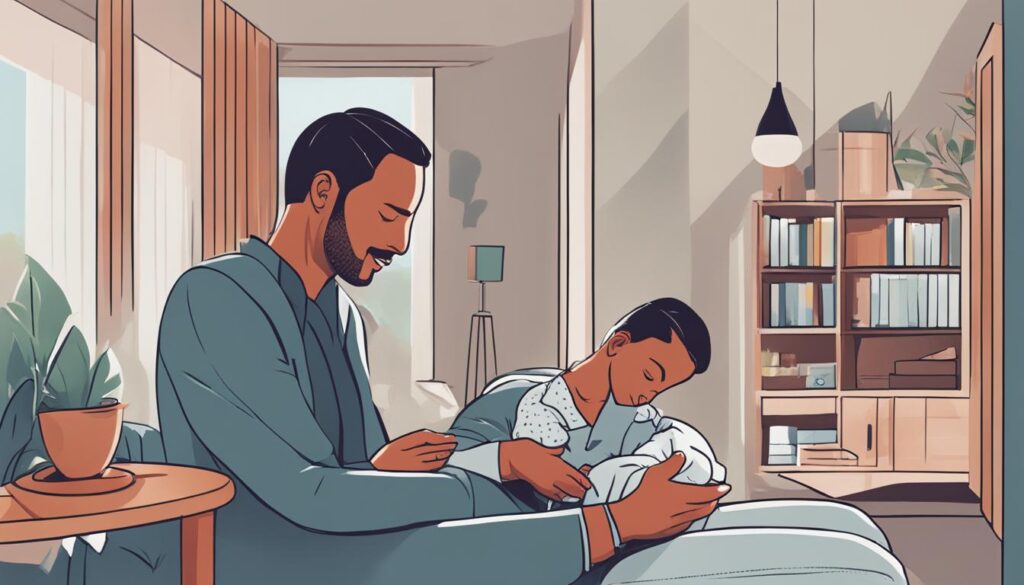
The Cost of Gender Inequality
The cost of gender inequality extends beyond individual families and businesses. It has been estimated that gender inequality costs the US economy $2 trillion each year in lost productivity and economic growth. By promoting gender equality in parenting, we can help to close this gap and create a more prosperous society for all.
The Benefits of Paid Family Leave for Fathers
Paid family leave for fathers is a crucial step towards achieving gender equality in parental leave. By encouraging and allowing fathers to take leave, we can promote a more equal distribution of caregiving responsibilities between men and women. This can lead to improved mental health for fathers, as well as greater bonding and connection between fathers and their children.
Additionally, providing paid family leave for fathers can have long-term benefits for children. Studies have shown that fathers who take parental leave are more involved in their children’s lives and have a positive impact on their development and well-being.
Ultimately, promoting gender equality in parental leave is a win-win for families, businesses, and society as a whole. By providing support and flexibility for working fathers, we can create a more inclusive and equitable society where everyone has the opportunity to thrive.
International Perspectives on Paternity Leave
While the benefits of paternity leave and parental leave have become increasingly recognized around the world, there are still significant disparities in terms of how these policies are implemented and supported in different countries. Many countries have implemented generous parental leave policies, which offer both mothers and fathers the opportunity to take time off work to care for their newborn children. However, paternity leave specifically is not always available or easily accessible for new fathers.
For example, in the United States, paternity leave is not guaranteed by federal law, and many companies do not offer it as part of their benefits package. In contrast, some European countries, such as Sweden, have implemented very generous paternity leave policies, with fathers entitled to up to 90 days of paid leave. In Iceland, fathers are entitled to three months of paid leave, and an additional three months of unpaid leave.
These policies have been successful in encouraging fathers to take a greater role in caring for their children and promoting gender equality in parenting responsibilities. However, there are also challenges associated with implementing paternity leave policies, such as the potential impact on businesses and the cost of providing paid leave.
| Country | Paternity Leave | Parental Leave |
|---|---|---|
| Sweden | Up to 90 days of paid leave | 480 days per child, 90 of which are reserved for the father |
| Iceland | 3 months of paid leave | 9 months total leave time per child, shared between parents |
| Canada | 5 weeks of paid leave | 35 weeks total leave time per child, shared between parents |
| Japan | Up to 12 months of unpaid leave | 1 year of parental leave, shared between parents |
Despite these challenges, many countries continue to recognize the importance of paternity leave and are taking steps to implement policies that support working fathers. As more research highlights the benefits of parental leave, we can expect to see greater progress in promoting gender equality in caregiving and supporting working parents around the world.
Conclusion: The Importance of Paid Family Leave for Fathers
Implementing paid family leave for fathers, including paternity leave and parental leave, is essential in creating a more inclusive and equitable society for all. By prioritizing work-life balance and supporting fathers in their caregiving roles, we can enhance bonding and reduce stress, promote equality in parental leave, and positively impact children’s long-term development and well-being.
It is crucial to recognize the economic and social implications of this policy change and learn from international perspectives to create a fair and effective system. Through fatherhood support and gender equality in parental leave, we can create a more supportive and inclusive workplace for working fathers.
Overall, investing in paid family leave for fathers is a win-win situation for both employers and employees. It promotes a healthy work-life balance, reduces turnover rates, and creates a more engaged and productive workforce. We must prioritize this policy change to ensure that fathers have the support and flexibility they need to be the best caregivers they can be.
FAQ
What is paid family leave for fathers?
Paid family leave for fathers refers to a policy that allows fathers to take time off from work to bond with and care for their newborn or newly adopted child. It is a form of paternity leave or parental leave.
Why is paid family leave important for fathers?
Paid family leave is important for fathers as it allows them to actively participate in the early stages of their children’s lives, contributing to bonding and connection. It also promotes gender equality and supports work-life balance for fathers.
How does paid family leave enhance bonding and connection?
Paid family leave enhances bonding and connection by giving fathers the opportunity to be present and involved in their children’s daily routines and caregiving. It allows them to build strong relationships and create lasting memories with their children.
What are the benefits of paid family leave for fathers?
Paid family leave for fathers has numerous benefits, including promoting equality in parenting roles, reducing stress, improving overall well-being, and positively impacting children’s long-term development.
How does paid family leave support working fathers?
Paid family leave supports working fathers by providing them with the flexibility and financial stability to take time off to care for their children without sacrificing their careers. It allows them to maintain a healthy work-life balance.
What are father-friendly policies?
Father-friendly policies are workplace initiatives that prioritize and support the needs of working fathers. These policies may include paid family leave, flexible work arrangements, and opportunities for career progression while maintaining caregiving responsibilities.
What are the long-term benefits of paid family leave for fathers?
Paid family leave for fathers has long-term benefits for children, including better cognitive development, improved social skills, and enhanced emotional well-being. It also contributes to stronger parent-child relationships.
How does paid family leave contribute to gender equality in parental leave?
Paid family leave contributes to gender equality in parental leave by recognizing and enabling fathers to take an active role in caregiving. It challenges traditional gender roles and promotes a more equal division of caregiving responsibilities between parents.
What are the economic and social implications of paid family leave for fathers?
Implementing paid family leave for fathers has positive economic and social implications. It can lead to increased workforce participation by women, improved gender equality in the workplace, and greater overall family well-being.
How do international perspectives on paternity leave vary?
International perspectives on paternity leave vary widely. Some countries have robust policies that provide extensive paid leave for fathers, while others have more limited or no policies in place. Examining these perspectives allows for learning and potential improvements in parental leave policies.
Related Images:

Amanda Schmitt
Latest posts by Amanda Schmitt (see all)
- Healthy and Quick Back to School Breakfast Ideas - August 27, 2026
- 20 DIY Easter Centerpieces That Aren’t Just for Kids - October 9, 2025
- 18 Adult Birthday Party Themes for a Sophisticated Celebration - October 3, 2025