Interior Design Tricks: Top 5 Expert Success Tips 2025
Interior design tricks can transform any space from drab to delightful. Let’s explore some of the top insider tips that help create a cohesive and inviting home without a hefty price tag. Here are some quick design tricks:
- Layer with rugs for warmth and texture.
- Use a mural as a headboard for a bold statement.
- Paint patterns on walls or furniture to refresh.
- Opt for bold colors in small spaces.
These tricks are your secrets to achieving decorating success with minimal effort. By embracing expert advice, you can create stunning interiors that reflect your unique style.
I’m Amanda Schmitt, a former Occupational Therapist turned expert in crafting serene, comfortable environments. With my knack for practical design solutions and years of experience, I offer guidance to moms and families on using interior design tricks to make home spaces both functional and beautiful.

Mastering the Basics of Interior Design
Creating a well-designed space isn’t just about picking pretty colors or trendy furniture. It’s about understanding the fundamentals that bring harmony and function to your home. Let’s break down these basics:
Balance and Space
Balance is crucial in making a room feel right. Think of it like a seesaw; too much weight on one side and the whole thing tips over. You can achieve balance by arranging furniture and decor symmetrically or by using the 60/30/10 color rule to distribute colors evenly. Symmetry often brings a sense of calm, while asymmetry can add excitement.
Unity
Unity ensures that all elements in a room work together. This doesn’t mean everything has to match perfectly. Instead, aim for a cohesive look by repeating colors, shapes, or motifs. This can be achieved through furniture, paint, and even small decor items. A unified space feels harmonious and pleasing to the eye.
Rhythm
Rhythm in interior design is like the beat in music. It guides your eyes around the room. Use repetition of colors, patterns, or textures to create this visual flow. For instance, a series of framed prints or a row of similar vases can establish a rhythm that brings cohesion.
Proportions
Getting the proportions right is about scale and size. Think of the 70/30 split, where 70% of a room’s design is one style and 30% is another. This creates visual interest without overwhelming the space. The golden ratio is another tool to ensure everything feels just right, like choosing the perfect-sized furniture for your room.
Contrast
Contrast is your friend when you want to highlight specific features. Pairing different textures, colors, or shapes can make elements pop. For example, a smooth, sleek coffee table against a plush, textured rug creates an appealing contrast that draws attention.
Emphasis
Every room needs a focal point to anchor its design. This could be a statement piece like an oversized lamp or an accent wall. Emphasis directs attention and can inspire the rest of your room’s design. Choose one standout feature and let it shine.
Details
Finally, never underestimate the power of details. The small touches, like decorative plasterwork or unique hardware, can lift a space from ordinary to extraordinary. Attention to detail shows thoughtfulness and care, making your home truly yours.
Mastering these basics gives you the foundation to design like a pro. With these principles in mind, you’re well on your way to creating spaces that are not only beautiful but also functional and inviting.
Interior Design Tricks for Every Room
Ready to take your space from drab to fab? Let’s explore some interior design tricks that can transform any room in your home.
Upholstery and Rugs
One of the simplest ways to add character to a room is through upholstery and rugs. They can completely change the vibe without needing a full makeover. Use patterned rugs and vibrant upholstery to inject personality and warmth. Designer Samantha Todhunter suggests using these elements to create a joyful and inviting scheme, especially in rental spaces where you might not want to paint walls.
Wall Murals
Want a dramatic change? Consider a wall mural. It acts as a stunning focal point, especially in bedrooms. Natalia Mylar highlights the use of a botanical wallcovering behind a bed to create a soothing yet striking statement. Murals can be custom-designed to fit your space perfectly or easily sourced online for a budget-friendly option.
Paint Patterns
Release your creativity with paint patterns. Whether it’s upcycling old furniture or adding stripes to a wall, paint can bring new life to your home. Annie Sloan mentions that painting is not only transformative but also a soothing DIY activity. A few brush strokes can make a big impact!
Bold Colors
Don’t shy away from bold colors. They can make small spaces feel vibrant and alive. For instance, the smallest room in your house, like a powder room, is the perfect place to experiment with bold patterns and colors. It’s a chance to have fun and make a statement without overwhelming your entire house.
Layering
Layering is key to creating depth and interest. Combine different textures and materials like natural stone, leather, and jute. Designer Michael Ellison uses these elements to add richness to a space. Layering isn’t just about textures; it can also involve layering lighting, colors, and accessories to create a cozy, inviting environment.
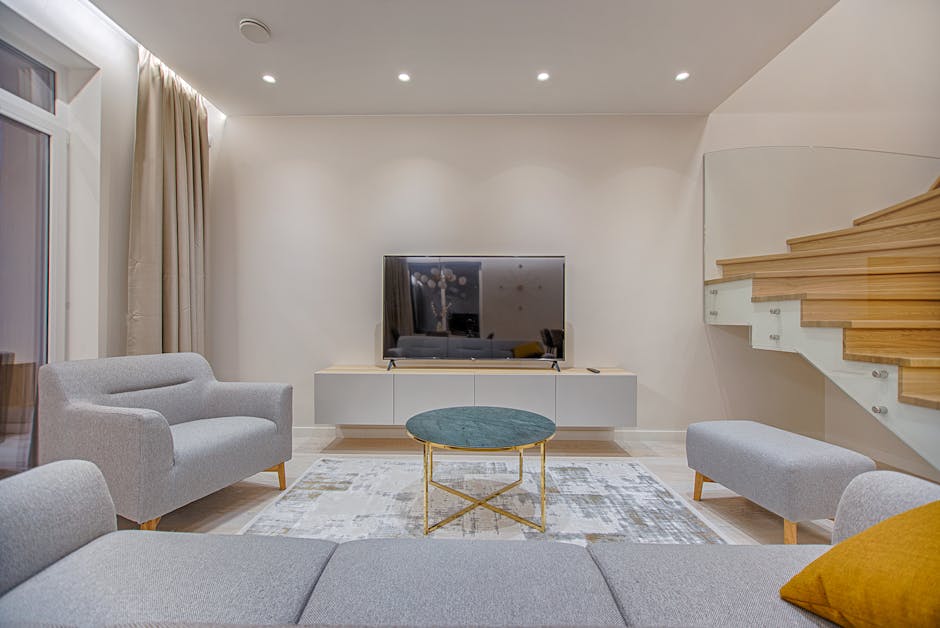
Incorporating these tricks will help you design spaces that feel both stylish and personal. Whether you’re adding a pop of color or layering textures, these techniques will ensure your home reflects your unique taste and lifestyle.
The 70/30 Rule in Interior Design
The 70/30 rule is a simple yet powerful interior design trick to create a visually balanced and harmonious space. It involves dividing your design elements into two main categories: the anchor scheme and the secondary style.
Anchor Scheme
The anchor scheme makes up 70% of your room’s design and typically includes the main color palette, furniture, and large decor items. Think of it as the foundation of your space. This is where you want to use neutral or calming colors like black, navy, gray, or creamy neutrals. These colors ground the room and provide a cohesive backdrop that ties everything together.
For example, in a living room, your anchor scheme might include a neutral-colored sofa, walls, and flooring. This creates a calming base that allows other elements to shine.
Secondary Style
The remaining 30% is your opportunity to introduce a secondary style. This is where you can have fun with bold colors, patterns, and unique decor pieces. Use this portion to add personality and flair to your space.
Imagine a room where the anchor scheme is neutral, but the secondary style incorporates vibrant throw pillows, a colorful rug, or a statement art piece. These elements add interest and prevent the space from feeling monotonous.
Visual Balance
Achieving visual balance is crucial in interior design. The 70/30 rule helps maintain this balance by ensuring that the space doesn’t become too chaotic or too bland. By sticking to this ratio, you can mix and match styles while keeping the overall look cohesive.
Consider a dining room with a classic wooden table (part of the anchor scheme) paired with modern, colorful chairs (part of the secondary style). This mix of styles creates a dynamic and engaging space without overwhelming the senses.

By applying the 70/30 rule, you can create spaces that are not only visually appealing but also reflect your personal style. It’s a simple framework that allows you to experiment while maintaining harmony and balance in your home.
Small Space Solutions
Creating a spacious feel in small rooms can be a challenge, but with some clever interior design tricks, you can make your space feel open and inviting.
Open Floor Plan Feel
An open floor plan can make even the smallest rooms feel larger. You don’t need to knock down walls to achieve this effect. Instead, focus on creating clear sightlines and using furniture strategically.
Furniture Placement: Use furniture to define areas without blocking views. For instance, a low-profile sofa can separate a living area from a dining space without creating a visual barrier.
Color Consistency: Keep the color palette consistent across your space. This creates a seamless flow from one area to another. For example, using the same flooring material throughout can improve the sense of continuity.
Furniture Ideas
When it comes to furnishing small spaces, every piece counts. Choose furniture that is both functional and space-saving.
Multi-functional Pieces: Invest in furniture that serves more than one purpose. A sofa bed, for example, can be a comfortable seating option during the day and a cozy bed at night.
Vertical Storage: Use vertical space with tall bookshelves or wall-mounted cabinets. This draws the eye upward and frees up floor space, making the room feel taller and more spacious.
Mirrors: Strategically placed mirrors can reflect light and create the illusion of more space. Consider a large mirror on one wall to double the visual size of the room.
Cohesive Design Scheme
A cohesive design scheme is key to making a small space feel organized and intentional.
Unified Color Palette: Stick to a limited color palette to keep the space from feeling cluttered. Soft, neutral shades can make a room feel airy and open.
Repetition of Elements: Use repetition to unify the space. This could be through repeated patterns, shapes, or textures. For example, using the same type of wood finish across different pieces of furniture creates a harmonious look.
Accent Pieces: While it’s important to maintain cohesion, don’t shy away from adding a few accent pieces. A bold piece of artwork or a vibrant rug can add personality without overwhelming the space.
By applying these strategies, you can transform a small room into a functional and aesthetically pleasing area that feels much larger than it actually is. With thoughtful planning and the right design tricks, even the tiniest spaces can become your favorite spots in the home.
Frequently Asked Questions about Interior Design Tricks
What is the 70/30 rule in interior design?
The 70/30 rule is a simple guideline to help you create a balanced and visually pleasing space. It suggests that 70% of your room’s decor should be one primary style or color, while the remaining 30% can be a secondary style or accent color. This rule ensures that your space feels cohesive, yet dynamic.
For example, if your main style is modern, you might choose sleek furniture and minimalist decor for 70% of the room. The other 30% could incorporate rustic elements like a wooden coffee table or vintage accessories to add warmth and interest.
How can I make a small room look bigger?
Making a small room appear larger is all about using the right interior design tricks:
- Use light colors: Light and neutral colors reflect more light, making a space feel open and airy. Consider shades like soft whites, light grays, or pastels.
- Maximize natural light: Keep windows unblocked and use sheer curtains to let in as much natural light as possible.
- Choose multi-functional furniture: Opt for pieces that serve multiple purposes, such as a storage ottoman or a fold-out desk.
- Incorporate mirrors: Mirrors can create the illusion of depth and reflect light, making a room feel more spacious.
- Keep it simple: Avoid clutter and choose a few key pieces of furniture to prevent the space from feeling cramped.
What are the seven basics of interior design?
Understanding the seven basics of interior design can help you create a harmonious and functional space:
- Balance: Distribute visual weight evenly in a room. This can be symmetrical, asymmetrical, or radial.
- Space: Consider the room’s dimensions and how furniture and decor fit within it. Allow for movement and comfort.
- Unity: Ensure all elements work together to create a cohesive look. This can be achieved through color, shapes, or motifs.
- Rhythm: Create a sense of movement by repeating elements like colors, lines, or shapes.
- Emphasis: Highlight a focal point, such as a fireplace or a piece of art, to draw attention and create interest.
- Contrast: Use opposing elements, like dark and light colors or different textures, to add depth and excitement.
- Details: Pay attention to the small things, like trim, hardware, and accessories, which can make a big impact on the overall design.
By mastering these basics and applying the right tricks, you can transform any space into a beautifully designed and functional area.
Final Thoughts on Interior Design Tips for Stylish Family Living
At Life As Mama, we know that creating a beautiful home doesn’t have to be complicated or expensive. Our practical guides are designed to help you transform your living space with ease. From simple interior design tricks to expert advice on family-friendly design, we aim to make home decorating accessible for everyone.
Our focus is on providing tips that fit seamlessly into your lifestyle. Whether you’re looking to refresh a single room or redesign your entire home, our guides offer step-by-step instructions to help you achieve success. We believe that a well-designed home can improve your everyday life, bringing comfort and joy to you and your family.
Explore more of our family-friendly design tips and find how to create a space that reflects your personality and meets your family’s needs. The first step is courage—just start, and watch your home transform into a place you love.
Thank you for joining us on this journey. Happy decorating!
Related Images:

Amanda Schmitt
Latest posts by Amanda Schmitt (see all)
- 20+ First Day of School Traditions to Make the Day Special - August 23, 2026
- Fruit Infused Waters That Make Summer Hydration Fun - July 1, 2025
- Light Up Your Life: Home Lighting Decoration Ideas - June 30, 2025