New Year’s Resolution Money: 5 Powerful Ways for 2024
New year’s resolution money is one of the most popular topics as we approach the start of a fresh year. Implementing financial resolutions can lead to a healthier financial lifestyle, whether it’s about saving more, budgeting better, or tackling that pesky credit card debt. If you’re keen to give your finances a new lease on life, begin with these steps:
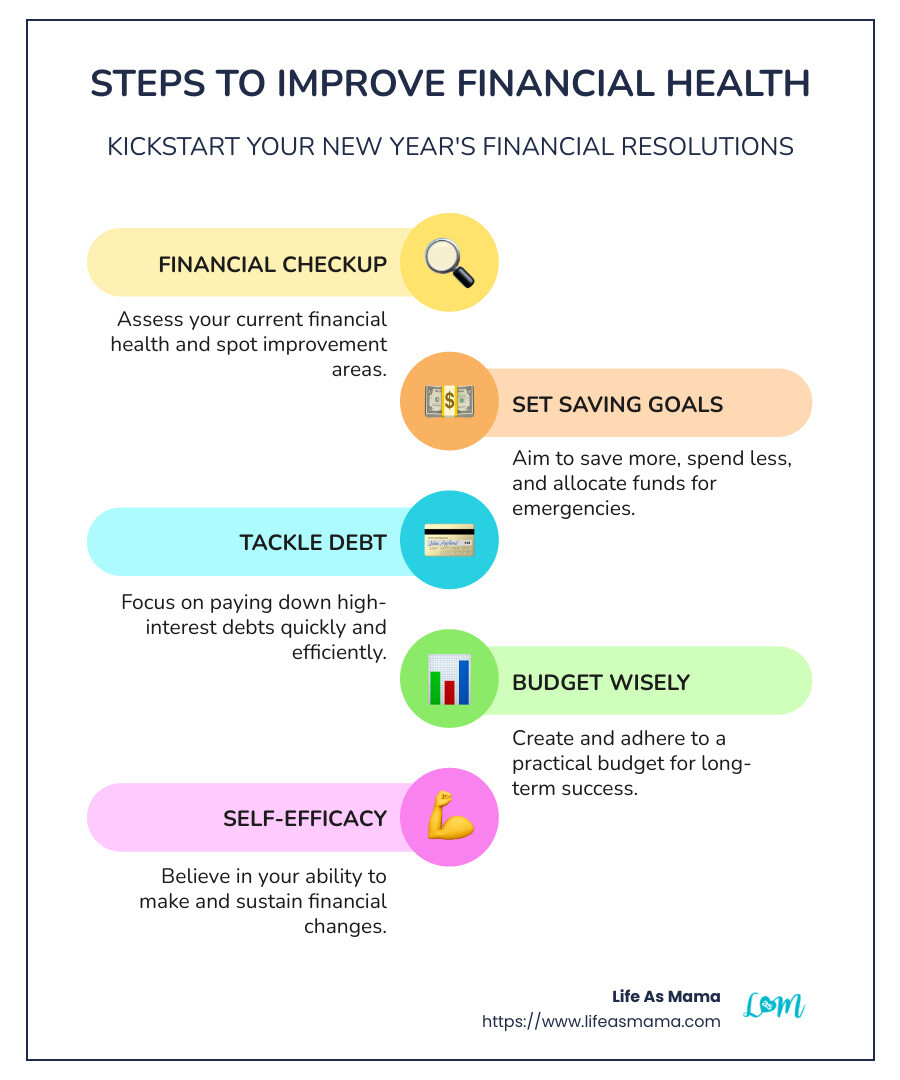
- Financial Checkup: Assess your current financial health and identify areas for improvement.
- Set Saving Goals: Aim to save more, spend less, and allocate funds to emergency savings.
- Tackle Debt: Focus on paying down high-interest debts quickly and efficiently.
- Budget Wisely: Create and stick to a practical budget for long-term financial success.
You don’t have to read further if these steps already give you what you need to kick off your financial journey.
Financial health is not just about numbers; it taps into self-efficacy, the belief in your ability to make change. They say a new year is a new beginning, but remember, financial improvements can start any day you choose to take action.
I’m Amanda Schmitt, with years of experience in managing household finances and offering practical advice on money-saving strategies for families. My journey from an Occupational Therapist to a mom and a full-time blogger taught me that financial independence is about more than just numbers; it’s about setting achievable goals and staying committed to personal growth. Let’s explore how you can make 2024 your year of financial resolution success.
New year’s resolution money vocabulary:
– new year resolutions for men
– new year resolution thoughts
– new year’s thoughts
Create a Budget and Stick to It
Creating a budget is like giving your finances a map and compass. It helps you understand where your money is going and ensures you spend less than you earn. A well-crafted budget can be the cornerstone of your new year’s resolution money plan.
Why Budgeting Matters
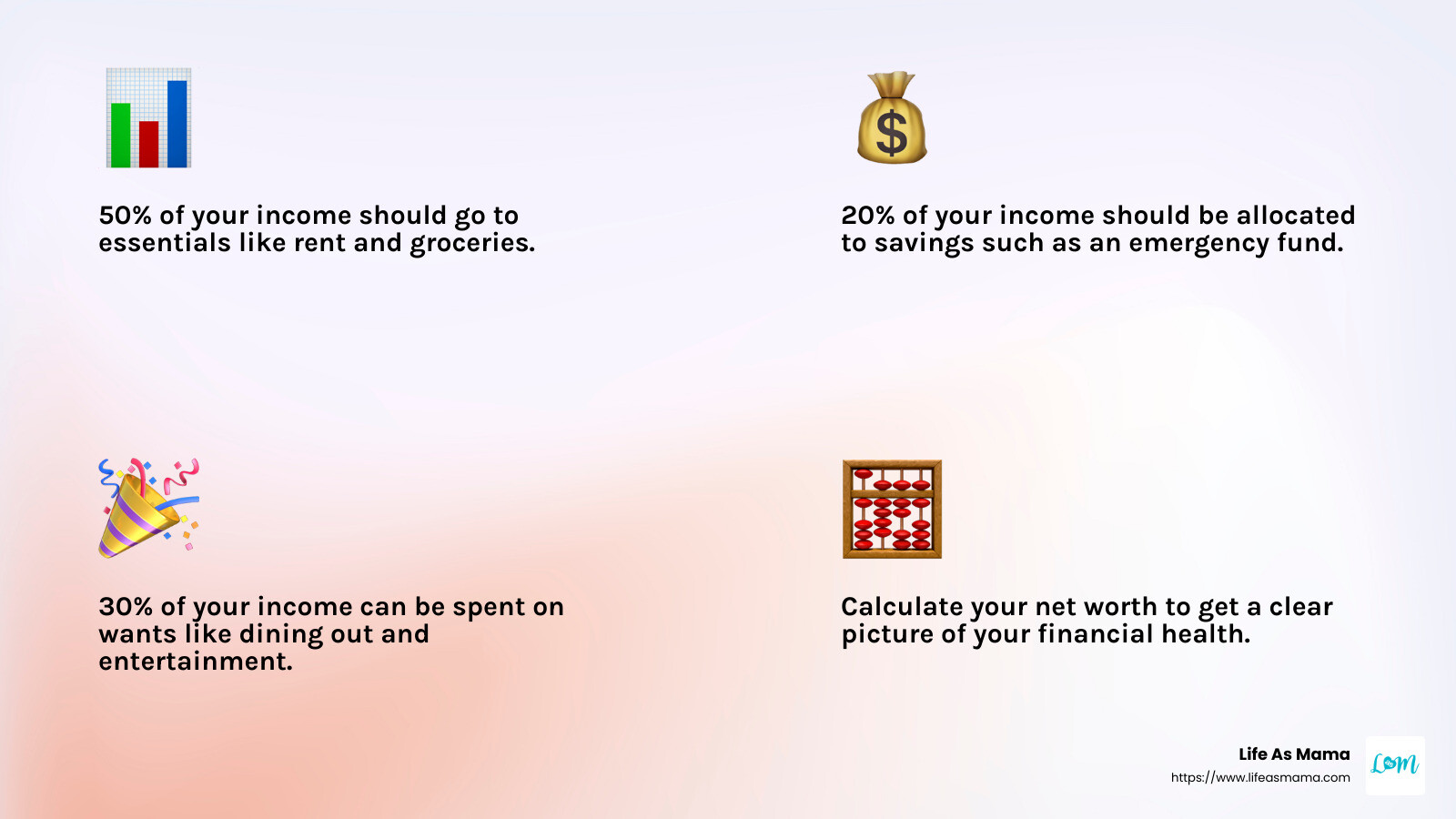
Budgeting is essential for achieving financial goals. It allows you to allocate funds wisely, avoid unnecessary expenses, and save for the future. The 50-20-30 rule is a popular budgeting method. It suggests dividing your income into three categories:
- 50% for essentials: Rent, utilities, groceries.
- 20% for savings: Emergency fund, retirement.
- 30% for wants: Dining out, entertainment.
This simple method helps you take control of your finances without feeling restricted.
Calculate Your Net Worth
Knowing your net worth is like having a financial report card. It shows you the big picture of your financial health. To calculate it, list your assets (what you own) and subtract your liabilities (what you owe). This helps you see the impact of your spending and saving habits over time.
Tips for Spending Less
Cutting down on unnecessary expenses is crucial. Here are some practical tips:
- Skip the daily coffee shop visit: Brew at home and save money.
- Cancel unused subscriptions: Streaming services and gym memberships can add up.
- Plan meals ahead: Avoid the temptation of take-out by cooking at home.
These small changes can lead to significant savings over time.
Stay Committed
Sticking to a budget requires discipline. Set realistic goals and reminders to stay on track. Consider using budgeting apps or spreadsheets to monitor your progress. The key to a successful budget is consistency.
By creating a budget and sticking to it, you’re setting a strong foundation for achieving your financial goals. Next, let’s explore how to pay down debt effectively.
Effective Strategies to Pay Down Debt and Achieve Financial Freedom
Paying down debt is a crucial step in achieving financial freedom. High-interest credit card debt can be a major obstacle, but with the right strategies, you can tackle it head-on.
Understand the Impact of High-Interest Debt
High-interest debt is like a financial quicksand. It can pull you deeper into debt if not addressed quickly. Credit card interest rates can be as high as 20% or more, which means your debt can grow rapidly if only minimum payments are made.

Effective Repayment Strategies
Here are some strategies to help you pay down your credit card debt:
- Avalanche Method: Focus on paying off the card with the highest interest rate first while making minimum payments on others. This reduces the total interest paid over time.
- Snowball Method: Start by paying off the smallest debt first. This method can boost your motivation with quick wins.
- Balance Transfers: Consider transferring high-interest debt to a card with a lower interest rate or a 0% promotional rate. Just ensure you pay off the balance before the promo period ends.
- Extra Payments: Pay more than the minimum whenever possible. Even small extra payments can significantly reduce the time it takes to pay off your debt.
Avoid New Debt
While paying down existing debt, avoid accumulating new debt. This means being mindful of your spending and using credit cards only when necessary.
Track Your Progress
Keep track of your debt repayment progress. Celebrate small victories along the way to stay motivated. You can use apps or simple spreadsheets to monitor your debt reduction journey.
By adopting these strategies, you can make significant progress in paying down your debt. Once you’ve tackled your credit card debt, you’ll have more freedom to optimize your savings and invest in your future.
Optimize Your Savings
Once you’ve tackled your debt, it’s time to optimize your savings. This means building an emergency fund, contributing to retirement accounts, and setting clear savings goals.
Build an Emergency Fund
An emergency fund is your safety net. It helps you handle unexpected expenses like car repairs or medical bills without derailing your finances. According to a Bankrate survey, 32% of Americans have less emergency savings now than they did at the start of the year.
Start small: Aim to save $1,000 first. Then, work towards saving three to six months’ worth of living expenses. Keep your emergency fund in a high-yield savings account to earn more interest.
Boost Your Retirement Contributions
Saving for retirement is crucial. A Bankrate survey found that 21% of Americans regret not starting sooner. If your employer offers a 401(k) match, contribute enough to get the full match—it’s like free money!
Diversify your investments: Consider a mix of stocks, bonds, and other assets. This can help you reduce risk while aiming for good returns. Staying invested through market ups and downs is key to long-term growth.
Set Clear Savings Goals
Setting savings goals gives you something to aim for, whether it’s a vacation, a new home, or your child’s education.
Automate your savings: Set up automatic transfers from your checking to your savings account. This ensures you save consistently without having to think about it.
Review and adjust: Regularly review your goals and adjust your savings plan as needed. This helps you stay on track and adapt to any changes in your financial situation.
By optimizing your savings with these strategies, you can build a strong financial foundation. Now, let’s explore how to make smart investment choices to grow your wealth even further.
New Year’s Resolution Money: Smart Investment Strategies
Investing wisely is crucial for growing your wealth over time. When it comes to your “new year’s resolution money,” understanding asset allocation, diversification, and portfolio rebalancing can make all the difference.
Asset Allocation
Asset allocation involves spreading your investments across different categories, like stocks, bonds, and cash. This mix depends on your risk tolerance, financial goals, and time horizon.
- Stocks offer high growth potential but come with higher risk.
- Bonds provide stability and regular income.
- Cash keeps your money safe but offers minimal growth.
Think of asset allocation like a pie. Each slice represents a type of investment. A balanced pie means you’re prepared for ups and downs in the market.
Diversification
Diversification is about not putting all your eggs in one basket. It reduces risk by spreading investments within asset classes. For example, owning stocks in different industries or bonds from various issuers.
Why diversify? If one investment does poorly, others may do well, balancing out your overall returns. Mutual funds and ETFs are easy ways to diversify because they hold a variety of assets.
Portfolio Rebalancing
Over time, your investment mix may shift due to market changes. Portfolio rebalancing helps maintain your desired asset allocation.
- Regular check-ins: Evaluate your portfolio at least twice a year.
- Adjust as needed: If stocks have grown too much compared to bonds, sell some stocks and buy bonds to restore balance.
Rebalancing can be as simple as selling high and buying low. It ensures you’re not taking on more risk than you’re comfortable with.
By focusing on these smart investment strategies, you can make your “new year’s resolution money” work harder for you. Next, let’s discuss how to protect your financial future.
Protect Your Financial Future
Securing your financial future is like building a fortress around your wealth. This involves insurance coverage, estate planning, and preparing for unexpected expenses.
Insurance Coverage
Insurance is your shield against life’s uncertainties. It protects what you’ve worked hard to build.
- Health Insurance: Essential for covering medical expenses. Choose a plan that fits your needs. If you’re healthy, a high-deductible plan might save you money.
- Life Insurance: Important if you have dependents. Term life insurance is a cost-effective option for most families.
- Disability Insurance: Protects your income if you can’t work due to illness or injury. It’s more likely you’ll be disabled than die young, so don’t overlook this.
- Property Insurance: Covers your home and belongings. Check your homeowner’s or renter’s policy to ensure it meets your needs.
Consider an umbrella policy for extra liability coverage. It adds protection if you’re at fault in an accident.
Estate Planning
Estate planning isn’t just for the wealthy. It’s about making sure your wishes are honored and your loved ones are cared for.
- Wills and Trusts: Outline who gets what. They also help avoid family disputes.
- Beneficiary Designations: Keep them updated. Life changes like marriage or divorce can affect your choices.
- Power of Attorney: Appoint someone to make decisions if you’re unable.
Estate planning gives you control over your legacy. It ensures your family is taken care of without unnecessary stress or legal battles.
Unexpected Expenses
Life can throw curveballs. An emergency fund is your cushion for those surprises.
- Aim for 3-6 months’ worth of expenses: This buffer can cover things like car repairs, medical bills, or job loss.
- Keep it accessible: Store your emergency fund in a savings account, not tied up in investments.
Review your insurance to see what’s covered and what’s not. Consider additional coverage for natural disasters if you live in a high-risk area.
By focusing on insurance coverage, estate planning, and preparing for unexpected expenses, you can protect your financial future. This helps ensure your “new year’s resolution money” goals are not derailed by unforeseen events.
Next, we’ll dive into frequently asked questions about New Year’s resolution money.
Frequently Asked Questions about New Year’s Resolution Money
How to start the New Year off right financially?
Begin with a financial checkup. This means reviewing your income, expenses, debts, and savings. Knowing where you stand financially helps you set realistic goals.
Next, focus on debt reduction. Paying down high-interest credit card debt should be a priority. Use methods like the debt avalanche (tackle highest interest rates first) or debt snowball (start with the smallest balances) to clear debts efficiently.
Finally, create a budget. A budget helps you manage spending and ensures you’re saving enough. Remember the 50-20-30 rule: 50% for needs, 20% for savings, and 30% for wants.
Is saving money a New Year’s resolution?
Yes, saving more is a common new year’s resolution money goal. Many people aim to boost their emergency fund or increase retirement contributions.
Start small if needed. Set up automatic transfers to a savings account. Even small amounts add up over time. Consider high-yield savings accounts for better returns.
What is the value of New Year’s resolutions?
New Year’s resolutions are about self-efficacy and goal setting. They help you take personal control of your finances.
Setting clear financial goals gives you direction and motivation. It’s like having a roadmap to financial success. Achieving small goals boosts confidence and encourages you to tackle bigger challenges.
By focusing on these aspects, you can make the most of your “new year’s resolution money” goals and set yourself up for a financially healthy year.
Next, we’ll explore smart investment strategies to optimize your savings.
Conclusion
At Life As Mama, we understand that financial planning might not be the most exciting topic, but it can lead to a more secure and enjoyable life for you and your family. Practical tips and family-friendly financial planning are at the heart of what we do. We believe that by taking small, manageable steps, you can create a financial plan that works for your family and helps you achieve your goals.
Start by setting realistic financial goals that align with your family’s needs. Use the 50-20-30 rule to guide your budgeting process. This simple rule can help ensure you’re covering essentials, saving for the future, and still enjoying life.
Consider involving your family in the planning process. Teaching children about money management can be a valuable life skill. Discussing goals and strategies with your partner can strengthen your financial partnership.
Financial planning is not a one-time event. Regularly review and adjust your plan as your family’s needs evolve. Whether it’s saving for a family vacation, planning for college, or preparing for retirement, having a plan can make these goals achievable.
For more inspiration and practical advice on making this year your best yet, check out 10 Ways to Make 2022 Your Best Year Yet. Let’s make this year a financial success story for you and your family!
Related Images:

Amanda Schmitt
Latest posts by Amanda Schmitt (see all)
- 20+ First Day of School Traditions to Make the Day Special - August 23, 2026
- Fruit Infused Waters That Make Summer Hydration Fun - July 1, 2025
- Light Up Your Life: Home Lighting Decoration Ideas - June 30, 2025