Is your water heater not working as it should be? Are you tired of taking cold showers or not having enough hot water for your daily needs? Don’t worry; we have got you covered. In this comprehensive guide, we will walk you through the process of troubleshooting and repairing your water heater.
Whether you are facing common water heater problems or your water heater is not working at all, we will provide you with step-by-step DIY tips to fix it effectively and safely. No expertise is needed, so let’s get started!
Key Takeaways
- Learning how to troubleshoot and fix a water heater can save you money on professional repairs.
- Before starting any repairs, you should have a basic understanding of how a water heater works.
- Regular maintenance can extend the lifespan of your water heater and prevent future problems.
- While many water heater issues can be fixed DIY, some situations may require professional help.
- Prioritizing safety is essential throughout the repair and maintenance processes.
Understanding How a Water Heater Works
Before delving into the process of troubleshooting and repairing your water heater, it’s important to have a basic understanding of how it works. A water heater consists of a tank, heating element or burner, thermostat, and pipes to deliver hot water to your fixtures.
The heating element or burner heats the water to the set temperature which is controlled by the thermostat. As you use hot water, cold water enters the tank and is heated to maintain the desired temperature.
Proper water heater maintenance is vital to ensure it functions correctly, reducing the likelihood of unexpected breakdowns. Routine maintenance includes flushing the tank to remove sediment buildup, checking the anode rod, and inspecting the pressure relief valve.
Water Heater Troubleshooting
If your water heater is not functioning correctly, it’s important to troubleshoot the issue before proceeding with repairs. Here are some common water heater problems and troubleshooting steps:
| Issue | Possible Cause | Troubleshooting Steps |
|---|---|---|
| No hot water | Heating element or burner malfunction, thermostat failure, power supply issue | Check the thermostat settings, reset the high-temperature cutoff, inspect the heating element or burner, check the power supply |
| Inadequate hot water | Sediment buildup, incorrect thermostat settings, undersized water heater | Flush the tank to remove sediment buildup, check the thermostat settings, consider upgrading to a larger water heater |
| Water heater leaking | Loose connections, damaged pipes, tank corrosion | Check for loose connections, inspect pipes for damage, check if the tank needs to be repaired or replaced |
If you are unsure how to troubleshoot your water heater, it’s always best to seek professional help to avoid causing further damage.
Water Heater Maintenance
Regular maintenance is crucial to keeping your water heater functioning effectively. Here are some maintenance tasks to add to your to-do list:
- Flush the tank regularly to remove sediment buildup
- Inspect the anode rod for corrosion and replace if necessary
- Check the pressure relief valve for proper function
- Set the thermostat to the manufacturer-recommended temperature
- Insulate the pipes to prevent heat loss
By performing regular maintenance, you can extend the lifespan of your water heater and avoid costly repairs in the future.
Common Water Heater Problems and Solutions
Whether your water heater is gas or electric, it’s susceptible to several common problems. Some of the most common include:
- No hot water
- Inconsistent or inadequate hot water supply
- Strange noises coming from the unit
- Leaking or pooling water around the heater
- Smelly or discolored water
If you’re experiencing any of these issues, don’t worry! They’re all fixable with the right know-how and tools. Let’s take a closer look at each problem and how to solve it.
No Hot Water
If your water heater is not producing any hot water, the first step is to check the power source. For electric water heaters, make sure the circuit breaker hasn’t tripped. For gas water heaters, check the pilot light. If it’s out, relight it and wait for the water to heat up. If neither of these fixes the issue, it may be a faulty heating element or a malfunctioning thermocouple, and it’s best to call a professional to diagnose and fix the problem.
Inconsistent or Inadequate Hot Water Supply
If you’re experiencing inconsistent or inadequate hot water, the issue may be a malfunctioning thermostat or a buildup of sediment in the tank. To fix this, try turning up the water heater’s temperature setting or flushing the tank to remove any built-up sediment. If neither of these solutions works, it may be time to replace the thermostat altogether.
Strange Noises Coming from the Unit
If your water heater is producing loud banging or popping noises, it’s likely due to a buildup of sediment in the tank. To fix this, flush the tank to remove the sediment. If the noises persist, it may be a sign of a more serious problem, such as a faulty heating element, and it’s best to call in a professional.
Leaking or Pooling Water Around the Heater
If you notice water pooling around the base of your water heater or leaking from the unit itself, it’s likely due to a faulty temperature and pressure relief valve or a leak in the tank. Try replacing the valve first, and if that doesn’t solve the problem, it may be time to replace the entire unit.
Smelly or Discolored Water
If your hot water has a foul odor or appears discolored, it’s likely due to a buildup of bacteria in the tank. To fix this, try flushing the tank and adding a small amount of hydrogen peroxide to the water. If the problem persists, it may be time to replace the unit.
By following these simple solutions, you can fix common water heater problems and enjoy consistent, reliable hot water once again.
Tools and Safety Precautions
Before beginning any DIY water heater repair, it’s crucial to gather the necessary tools and ensure your safety throughout the process. Here’s a list of essential tools you’ll need:
- Adjustable wrench
- Screwdriver set
- Multimeter
- Teflon tape
- Electric drill (for gas water heater venting)
- Flashlight
In addition to having the proper tools, it’s important to take safety precautions to avoid injury or damage to your water heater. Here are some key safety tips to keep in mind:
- Turn off the power supply or gas to the water heater before beginning any repairs.
- Never touch the water heater while it’s still hot.
- Wear protective gloves and eye goggles to prevent burns and injuries.
- Be sure to read and follow the manufacturer’s instructions carefully.
- If you’re unsure about any aspect of the repair process, it’s best to call a professional instead.
By following these safety tips and having the necessary tools, you’ll be better equipped to address any water heater issues that may arise.
Troubleshooting and Repairing Electric Water Heaters
If you have an electric water heater, you may encounter certain issues that require troubleshooting and repair. Here are some of the most common problems and solutions:
No hot water
If you’re not getting any hot water, the heating element may be faulty or burned out. To fix this, you will need to replace the element. Here are the steps:
- Turn off power to the water heater by switching off the circuit breaker or removing the fuse.
- Drain the water heater.
- Remove the heating element cover and element.
- Install the new heating element and cover.
- Refill the water heater and turn the power back on.
If you’re not comfortable doing this yourself, it’s best to call a professional.
Inadequate hot water
If you’re not getting enough hot water, the thermostat may be set too low or may be faulty. Here’s how to fix it:
- Turn off the power to the water heater.
- Remove the thermostat cover.
- Adjust the thermostat to the desired temperature or replace the thermostat if it’s faulty.
- Replace the cover and turn the power back on.
Water heater not working at all
If your water heater isn’t working at all, it could be due to a number of reasons. Here are a few things to check:
- Make sure the power is connected to the unit.
- Check for a tripped circuit breaker or blown fuse.
- Check the thermostat and heating element as described above.
- If none of these solutions work, the issue may be with the control board or wiring. It’s best to call a professional to diagnose and repair these types of problems.
Remember to always follow safety precautions when working with electricity, and if you’re not comfortable completing any of these repairs yourself, call a professional.
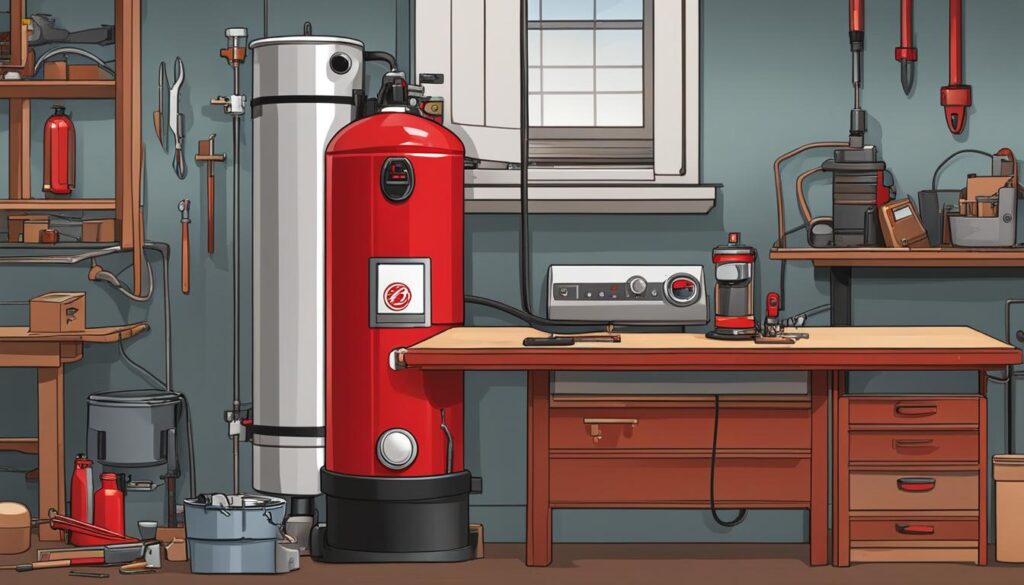
Troubleshooting and Repairing Gas Water Heaters
If your gas water heater is not working correctly, don’t panic. Here are some common issues and solutions to help you troubleshoot and repair your unit.
First Steps
If your water heater is not producing hot water, check the following:
- Is the pilot light lit?
- Is the gas valve turned on?
- Is the temperature set too low?
If the pilot light is out, follow the manufacturer’s instructions to relight it. If the pilot light won’t stay lit, it could be an issue with the thermocouple, and you may need to replace it.
If the gas valve is turned off, turn it on and relight the pilot light.
If the temperature is set too low, adjust it to the appropriate setting.
Pilot Light Problems
If your pilot light won’t stay lit, there could be a few different causes:
- A dirty pilot tube
- A faulty thermocouple
- A bad gas valve
To fix a dirty pilot tube, follow the manufacturer’s instructions to clean it. If the thermocouple is faulty, you’ll need to replace it. A bad gas valve will also need to be replaced.
Gas Leaks
If you smell gas around your water heater, turn off the gas supply and exit your home immediately. Contact your gas company or a professional plumber to diagnose and repair the leak. Gas leaks are a serious safety hazard and should be taken seriously.
Other Common Gas Water Heater Problems
| Problem | Solution |
|---|---|
| No hot water | Check the pilot light, gas valve, and temperature setting. If these are all functioning correctly, it could be a defective gas control valve or thermocouple. Contact a professional plumber for help. |
| Insufficient hot water | Check the temperature setting and adjust if necessary. If the temperature is correct, it could be a sediment buildup in the tank. Flush out the tank following the manufacturer’s instructions. |
Remember to turn off the gas supply and follow all safety precautions when troubleshooting and repairing your gas water heater. If you are not confident in your abilities to fix the problem, contact a professional plumber for assistance.
Maintaining Your Water Heater for Longevity
Regular maintenance is crucial to keeping your water heater running efficiently and avoiding costly repairs or replacements. Here are some essential tips to help you maintain your water heater:
- Check the temperature and pressure relief valve: Lift and release the valve’s handle to allow a burst of hot water into the drainpipe. If it doesn’t work, call a professional. Do not attempt to fix the valve on your own.
- Flush the tank: Sediment can build up at the bottom of the tank, reducing its efficiency and shortening its lifespan. Drain a few gallons of water from the tank every six months to remove the sediment.
- Insulate the tank: Insulating your water heater can reduce heat loss and save energy. Make sure the insulation material is appropriate for your tank, and don’t cover the thermostat or temperature and pressure relief valve.
- Check the anode rod: The anode rod is a sacrificial metal rod that protects the tank from rust and corrosion. Check it every year and replace it if it’s worn out. A corroded anode rod can lead to leaks and costly repairs.
By following these maintenance tips, you can extend the lifespan of your water heater and avoid the need for frequent repairs. If you encounter any issues or are unsure about how to perform any of these tasks, consult a professional.
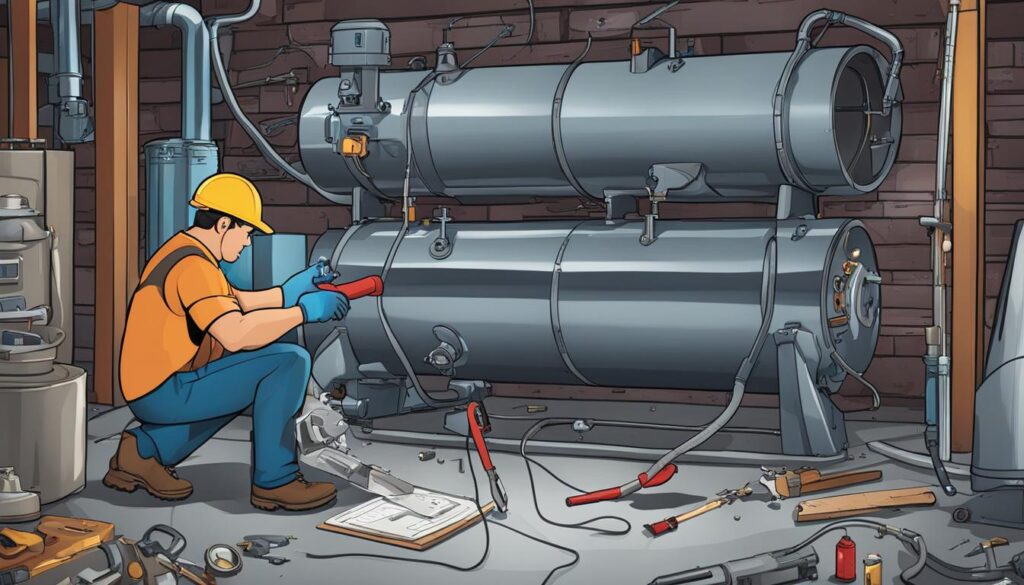
“Regular maintenance is crucial to keeping your water heater running efficiently and avoiding costly repairs or replacements.”
When to Call a Professional
While DIY repairs can save you money, some water heater issues require professional attention. Below, we’ve highlighted signs that indicate it’s time to call a water heater repair expert:
- If you notice leaks around your water heater
- If your water heater is making strange noises
- If you smell gas near your gas water heater
- If you experience frequent hot water outages
- If you notice significant rust or corrosion on your water heater
Calling on a professional for water heater maintenance is also a wise decision. Ideally, you should have a professional inspect and maintain your water heater once a year, depending on the manufacturer’s recommendations. Routine water heater maintenance can extend its lifespan and improve its overall performance, saving you money in the long run.
When choosing a water heater repair or maintenance technician, make sure to do your research. Look for a reputable and licensed professional with good reviews and reasonable pricing. Don’t be afraid to ask for references or proof of insurance before scheduling a repair or maintenance appointment.
“Don’t wait for a small problem to turn into a big one. If in doubt, call a professional to repair or maintain your water heater to ensure it’s working safely and efficiently.”
Remember, taking the necessary precautions and seeking professional help when needed can help avoid costly water heater repairs in the future. By following the tips in this guide, you can fix common water heater issues on your own and keep your water heater in top shape for years to come.
Key Takeaways and Conclusion on Fixing Your Water Heater
Congratulations on learning how to fix common water heater problems on your own! By following the steps outlined in this guide, you now have the knowledge and confidence to troubleshoot and repair your water heater safely and effectively. Remember to prioritize regular maintenance, and you can prevent future problems and extend the lifespan of your unit.
If you ever encounter a problem that feels beyond your expertise, it’s essential to call a professional. They can quickly diagnose and fix the issue, ensuring that your water heater stays in good working order.
Thank you for joining us in this comprehensive guide on how to fix a water heater. We hope you found it helpful and informative. Remember, if you have any questions or concerns about your water heater, don’t hesitate to seek help from a professional.
Happy Repairing!
FAQ
Can I fix a water heater on my own?
Yes, many common water heater problems can be fixed DIY. This guide will provide you with step-by-step instructions to troubleshoot and repair your water heater effectively and safely.
What tools do I need to repair a water heater?
Some essential tools for water heater repair include a multimeter, wrenches, screwdrivers, and a pipe cutter. Consult the Tools and Safety Precautions section for a detailed list.
How do I troubleshoot a lack of hot water?
If you’re experiencing a lack of hot water, start by checking the thermostat, heating elements, and power supply of your water heater. Follow the instructions in the Troubleshooting and Repair sections specific to your water heater type.
When should I call a professional to repair my water heater?
While many water heater issues can be fixed DIY, it’s best to call a professional if you encounter gas leaks, major electrical problems, or if you’re unsure about the repair process. Refer to the When to Call a Professional section for more guidance.
How often should I maintain my water heater?
Regular maintenance is recommended to keep your water heater in good condition. It’s advisable to flush the tank annually and check the pressure relief valve and anode rod every few years. Detailed maintenance tasks can be found in the Maintaining Your Water Heater section.
Related Images:

Amanda Schmitt
Latest posts by Amanda Schmitt (see all)
- Healthy and Quick Back to School Breakfast Ideas - August 27, 2026
- 20 DIY Easter Centerpieces That Aren’t Just for Kids - October 9, 2025
- 18 Adult Birthday Party Themes for a Sophisticated Celebration - October 3, 2025