As an expectant mother, you may experience discomfort and pain in your hip joints due to the changes your body undergoes during pregnancy. Hormonal changes, weight gain, and shifts in posture can all contribute to hip pain during pregnancy. Managing this discomfort requires a holistic approach that includes safe remedies, exercises, and lifestyle adjustments. In this guide, we will provide practical tips and strategies for effectively managing hip joint pain throughout your pregnancy.
Key Takeaways:
- Hip joint pain is common during pregnancy due to hormonal changes, weight gain, and shifts in posture.
- A holistic approach that includes safe remedies, exercises, and lifestyle adjustments can effectively manage hip joint pain during pregnancy.
- Consulting with a healthcare provider is essential if the pain becomes severe, persistent, or is accompanied by other concerning symptoms.
- Proper sleep, exercise, and prenatal yoga and stretching can help alleviate hip pain during pregnancy.
- Preventive measures such as maintaining proper posture, engaging in regular low-impact exercise, and ensuring adequate rest and relaxation can minimize the occurrence of hip joint pain.
Understanding Hip Joint Pain during Pregnancy
As the body of an expectant mother undergoes various changes, it is common to experience discomfort and pain in the hip joint area. Listed below are some of the causes of hip pain during pregnancy:
- Hormonal changes: During pregnancy, the body releases a hormone called relaxin, which softens the ligaments and joints to prepare for childbirth. This hormone can cause instability in the hip joint, leading to pain.
- Weight gain: As the pregnancy progresses, the additional weight can put pressure on the hip joint and cause pain.
- Shifts in posture: As the baby grows, the center of gravity shifts, which can affect the posture of the mother and cause strain on the hip joints.
- Early pregnancy: For some expectant mothers, hip pain can occur in the early stages of pregnancy due to the hormonal changes and increased blood flow to the pelvic area.
In addition to the above factors, certain pre-existing conditions such as arthritis or previous hip injuries can also contribute to hip joint pain during pregnancy. It is important to consult a healthcare provider if the pain is severe or persistent.
Coping Strategies for Hip Joint Pain during Pregnancy
Managing hip pain during pregnancy can be challenging, but there are effective coping strategies that expectant mothers can employ. By making simple modifications to daily activities and practicing gentle exercises and stretches, you can alleviate discomfort and improve your quality of life. Here are some tips for managing hip pain during pregnancy:
- Modify daily activities: Avoid activities that aggravate your hip joint pain, such as standing for long periods, climbing stairs, or lifting heavy objects. Instead, try using a support belt or brace to help distribute the weight of your belly more evenly. You may also want to consider using a pregnancy pillow to provide support and cushioning when sleeping or resting.
- Engage in low-impact exercises: Low-impact exercises such as swimming, walking, and prenatal yoga can help alleviate hip joint pain during pregnancy. Consult with your healthcare provider before starting any exercise program to ensure that it is appropriate for your condition.
- Apply heat or cold therapy: Applying heat or cold therapy to the affected area can help relieve hip joint pain. You may try using a hot water bottle or a warm towel for heat therapy, or a cold pack or frozen vegetables for cold therapy. Be sure to wrap the heat or cold source in a towel to avoid skin irritation or burns.
- Practice relaxation techniques: Stress can exacerbate hip joint pain, so it’s essential to find ways to relax and reduce anxiety during pregnancy. Consider practicing deep breathing, meditation, or prenatal massage to help calm your mind and alleviate pain.
- Get adequate rest: Getting enough rest is crucial for managing hip joint pain during pregnancy. Try to get at least 7-8 hours of sleep per night, and take breaks throughout the day to rest and elevate your feet if possible.
Remember, every pregnancy is different, and what works for one person may not work for another. It’s essential to listen to your body and consult with your healthcare provider if you experience severe or persistent hip joint pain during pregnancy.
Safe Remedies for Hip Joint Pain Relief during Pregnancy
Expectant mothers experiencing hip joint pain during pregnancy may find relief through a variety of safe and effective remedies. Here, we’ll explore some of the most commonly recommended options for managing hip pain during pregnancy.
Hot and Cold Therapy
Hot and cold therapy can be an effective way to reduce inflammation and promote healing in the hip joint. Applying a heating pad or warm compress to the affected area for 20 minutes at a time can help increase blood flow and soothe sore muscles. Similarly, using a cold pack or ice wrapped in a towel can help reduce swelling and numb the pain.
Prenatal Massage
Prenatal massage can help alleviate hip pain and promote relaxation during pregnancy. A trained prenatal massage therapist can apply gentle pressure and kneading techniques to release tension in the hip muscles. Massage can also help improve circulation and reduce stress hormones.
Pregnancy-Specific Support Devices
There are several support devices designed specifically for pregnancy-related hip pain relief. These include pregnancy pillows, belly bands, and maternity support belts. These devices can help distribute weight more evenly, reduce pressure on the hips, and improve posture.
Acupuncture
Acupuncture is a traditional Chinese medicine technique that involves inserting thin needles into specific points on the body. Many women find acupuncture helpful for managing hip pain during pregnancy. It can help stimulate the body’s natural healing processes, reduce inflammation, and promote relaxation.
Remember to consult with a healthcare provider before trying any new remedies or techniques for managing hip joint pain during pregnancy. They can provide personalized advice and ensure that any treatment is safe for both mother and baby.

Exercise and Physical Therapy for Hip Pain Relief
Pregnancy hip pain relief exercises can be a safe and effective way to manage discomfort and improve mobility. However, it is important to consult with a healthcare provider before starting any exercise program to ensure it is appropriate for your specific needs and stage of pregnancy.
Low-impact aerobic exercises such as walking, swimming, and cycling are often recommended as they can help strengthen the hip muscles without putting excessive strain on the joints. Additionally, specific exercises targeting the hip muscles can provide relief from pain, improve flexibility, and prevent further injury.
Here are some examples of pregnancy hip pain relief exercises:
- Glute Bridges: Lie on your back with your knees bent and feet flat on the ground. Lift your hips towards the ceiling, squeezing your glutes at the top. Slowly lower back down to the starting position and repeat for 10-15 repetitions.
- Side-Lying Leg Lifts: Lie on your side with your legs straight and stacked on top of one another. Lift your top leg towards the ceiling, keeping it straight. Lower back down and repeat for 10-15 repetitions before switching to the other side.
- Pelvic Tilts: Stand with your feet hip-width apart and your hands on your hips. Tilt your pelvis forward and backward, tightening your abdominal muscles as you do so. Repeat for 10-15 repetitions.
Physical therapy can also be an effective way to manage hip joint pain during pregnancy. A physical therapist can provide individualized exercises and stretches to help alleviate discomfort and improve mobility.
Always listen to your body and stop any exercise or activity that causes pain or discomfort. It is also important to stay hydrated and wear appropriate clothing and footwear when exercising.
Preventing Hip Joint Pain during Pregnancy
Pregnant women can take several preventive measures to minimize the occurrence of hip joint pain. Here are some tips:
Maintain Proper Posture
It is essential to maintain good posture during pregnancy to avoid putting unnecessary strain on your hip joints. Stand up straight, keep your shoulders back, and distribute your weight evenly on both feet. Avoid crossing your legs when sitting, as it can exacerbate hip pain.
Engage in Regular Low-Impact Exercise
Regular exercise can help strengthen the muscles that support the hips, reducing the risk of pain and discomfort. Opt for low-impact exercises such as walking, swimming, and prenatal yoga to avoid excessive strain on your joints. Remember to consult with your healthcare provider before starting an exercise program.
Ensure Adequate Rest and Relaxation
Resting and relaxing are crucial during pregnancy, and getting enough sleep can help manage hip joint pain. Use pillows to support your hips and legs while sleeping, and experiment with different positions to find what’s most comfortable for you. Consider taking a warm bath or getting a prenatal massage to ease tension and promote relaxation.
Wear Comfortable Shoes
Wearing comfortable, supportive shoes can help alleviate hip pain by providing adequate cushioning and stability. Opt for low-heeled shoes with good arch support and avoid high heels or shoes with no support.
Use Pregnancy-Specific Support Devices
Pregnancy-specific support devices, such as maternity belts or support bands, can help distribute the weight of your growing belly more evenly, reducing the strain on your hip joints. Consult with your healthcare provider to determine if these devices are appropriate for you.
Seeking Professional Help: When to Consult a Healthcare Provider
While pregnancy-related hip pain is common, there are instances where seeking professional help is necessary. If the pain becomes severe, persistent, or is accompanied by concerning symptoms such as vaginal bleeding or contractions, you should contact your healthcare provider immediately. Additionally, if you experience sudden swelling, redness, or warmth in the hip joint, it may indicate an infection that requires prompt medical attention.
If you have a history of hip issues or injuries, it is essential to consult with your healthcare provider before starting any exercise program. They can evaluate your condition and recommend the most suitable exercises or physical therapy techniques for your specific needs.
Pregnancy Hip Pain Relief Exercises to Avoid
Some exercises may aggravate hip joint pain during pregnancy and should be avoided. High-impact activities such as running, jumping, or aerobics put undue stress on the hip joints and can exacerbate existing discomfort. Additionally, exercises that require lying on your back, such as traditional sit-ups or leg raises, can strain the lower back and pelvic muscles, causing pain and discomfort. Instead, opt for low-impact exercises that focus on gentle stretching and muscle strengthening.
When to Consult a Physical Therapist
If you have tried various remedies and exercises without significant improvement, it may be time to seek the guidance of a physical therapist. They can assess your condition and develop a personalized treatment plan to alleviate hip pain during pregnancy. Physical therapy techniques may include joint mobilization, soft tissue massage, and exercise programs tailored to your specific needs.
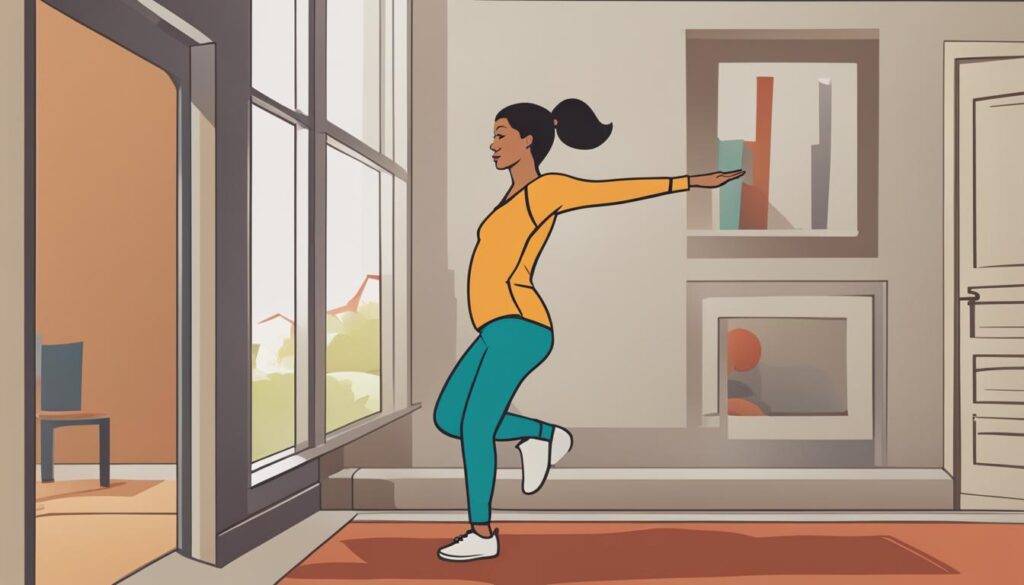
“It is essential to consult with your healthcare provider before starting any exercise program.”
Tips for Sleeping Comfortably with Hip Pain
Sleep is essential for expectant mothers to ensure a healthy pregnancy, but hip pain can make it challenging to get the restful night’s sleep necessary for their well-being. Here are some tips to help relieve hip pain and allow for comfortable sleep:
- Choose the right sleeping position: Sleeping on the side with a pillow between the knees can help align the hips and reduce pressure on the joints. Alternatively, try propping up the hips and upper body with pillows to relieve pressure on the hips.
- Invest in a pregnancy pillow: A specially designed pregnancy pillow can provide additional support and cushioning for the hips and other parts of the body to promote comfortable sleep.
- Consider a new mattress: A firm, supportive mattress can help evenly distribute body weight and reduce pressure on the hips during sleep.
- Practice relaxation techniques: Stress and tension can exacerbate hip pain, so incorporating relaxation techniques like deep breathing, meditation, or aromatherapy can help promote a more restful sleep.
Implementing these tips can help expectant mothers find relief from hip pain and get the restful sleep needed for a healthy pregnancy.
Prenatal Yoga and Stretching for Hip Pain Relief
During pregnancy, hip joint pain is a common issue that can cause discomfort and affect your daily routine. Prenatal yoga and stretching exercises are excellent ways to help alleviate this discomfort by improving flexibility and strengthening the hip muscles. Here are some pregnancy hip pain relief exercises that can be easily incorporated into your daily routine:
Prenatal Yoga
Prenatal yoga is a gentle form of exercise that can help improve flexibility and reduce stress. Here are some yoga poses that can help relieve hip pain:
- Bound Angle Pose: This pose helps to open the hips and release tension. Sit on a pillow or yoga block and bring the soles of your feet together. Gently press your knees towards the floor and take deep breaths, holding the pose for a few seconds.
- Warrior II Pose: This pose strengthens the legs and stretches the hips. Start with your feet hip-width apart, then step your left foot back, turning your left toes out. Bend your right knee and extend your arms out to the sides. Hold for a few breaths, then repeat on the other side.
Stretching Exercises
In addition to yoga, stretching is an effective way to relieve hip pain. Here are some simple stretching exercises:
| Exercise | Description |
|---|---|
| Butterfly Stretch: | Sit on the floor with the soles of your feet touching. Gently press your knees towards the floor for 30 seconds. |
| Seated Figure Four Stretch: | Sit on a chair and cross one ankle over the opposite knee. Gently press down on your raised knee and hold for 30 seconds, then repeat on the other side. |
| Leg Up Wall Stretch: | Lie on your back with your legs up against a wall. Relax your hips and hold for 2-3 minutes. |
Remember to always consult with your healthcare provider before starting any new exercise program. By incorporating these gentle exercises into your daily routine, you can help alleviate hip pain during pregnancy and improve your overall well-being.
Conclusion: Final Thoughts on Managing Hip Joint Pain During Pregnancy
In conclusion, managing hip joint pain during pregnancy requires a comprehensive approach that involves safe remedies, exercises, lifestyle adjustments, and seeking professional help when needed. As an expectant mother, you should prioritize your well-being and seek relief from the discomfort and pain that may arise from your body’s changing needs.
By incorporating the coping strategies, exercises, and remedies discussed in this guide, you can find relief and improve your overall comfort level. It is important to remember that every pregnancy is unique, and what works for one woman may not work for another. Therefore, it is essential to consult with your healthcare provider before starting any new exercise program or trying any new remedies.
We hope this guide has been helpful in providing you with a better understanding of the causes of hip joint pain during pregnancy and how to manage it effectively. Remember to prioritize self-care and consult with your healthcare provider for any concerns or questions you may have. Best of luck on your pregnancy journey!
FAQ
What causes hip joint pain during pregnancy?
Hip joint pain during pregnancy can be caused by hormonal changes, weight gain, and shifts in posture.
How can I manage hip joint pain during pregnancy?
There are several strategies for managing hip joint pain during pregnancy, including modifying daily activities, practicing gentle exercises and stretches, and utilizing safe remedies.
What are some safe remedies for hip joint pain relief during pregnancy?
Some safe remedies for relieving hip joint pain during pregnancy include hot/cold therapy, prenatal massage, and the use of pregnancy-specific support devices.
Is it safe to exercise and do physical therapy for hip pain relief during pregnancy?
It is important to consult with a healthcare professional before starting any exercise program, but there are specific exercises and physical therapy techniques that can help alleviate hip pain during pregnancy.
How can I prevent hip joint pain during pregnancy?
Preventive measures for minimizing hip joint pain during pregnancy include maintaining proper posture, engaging in regular low-impact exercise, and ensuring adequate rest and relaxation.
When should I consult a healthcare provider for hip joint pain during pregnancy?
It is important to seek professional help if the hip joint pain becomes severe, persistent, or is accompanied by other concerning symptoms.
What are some tips for sleeping comfortably with hip pain during pregnancy?
Tips for sleeping comfortably with hip pain during pregnancy include finding proper sleeping positions, using pregnancy pillows, and utilizing additional supports.
Can prenatal yoga and stretching help relieve hip pain during pregnancy?
Yes, prenatal yoga and stretching exercises can be beneficial for relieving hip pain during pregnancy. They can help strengthen the hip muscles and improve flexibility.
Related Images:

Amanda Schmitt
Latest posts by Amanda Schmitt (see all)
- 20 DIY Easter Centerpieces That Aren’t Just for Kids - October 9, 2025
- 18 Adult Birthday Party Themes for a Sophisticated Celebration - October 3, 2025
- 20 Classic Orange & Black Halloween Ideas with Modern Twists - October 3, 2025