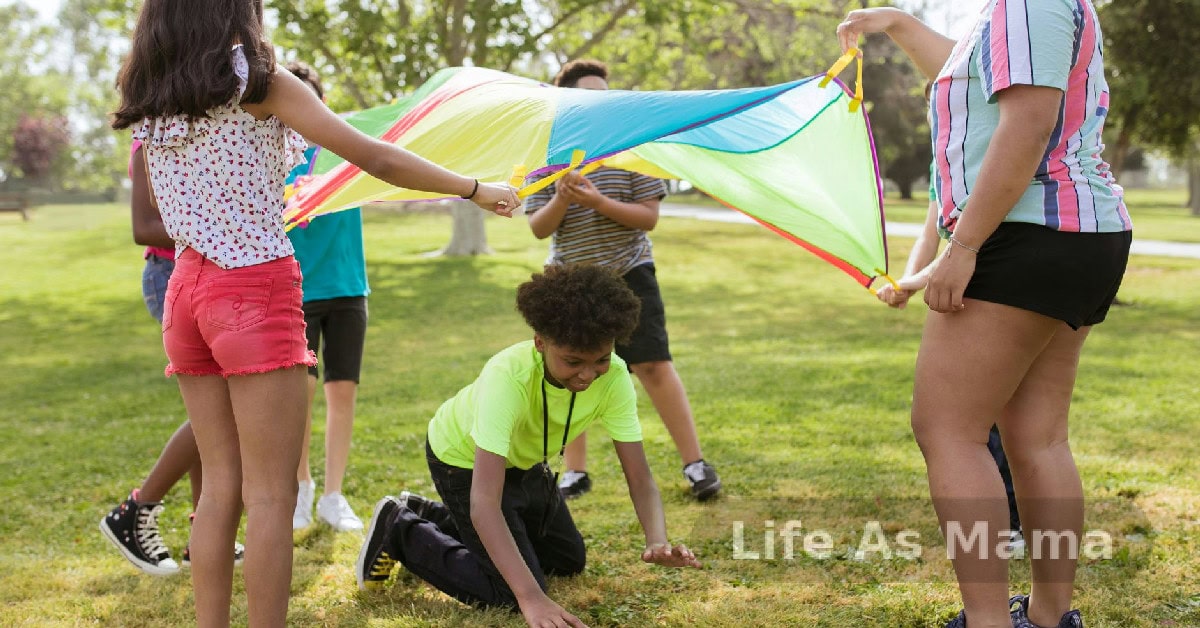
A real mom’s guide to an active, screen-free-ish summer, with personal stories, expert-backed tips, and ideas that actually work
Every single June, I go into summer with the best intentions. I have a mental list of summer activities for kids. I’ve pinned things. I’ve made promises. And then, approximately three days in, I catch my kids staring at a screen with the glazed look of people who have been professionally sedated, and I think: okay, we need a new plan.
I know I’m not alone in this. Summer is genuinely hard to manage, especially if you’re working, running a household, and trying to keep everyone fed at the same time. But when kids spend the whole summer inside, both they and we feel it.
The American Academy of Pediatrics recommends kids ages 6 and up get at least 60 minutes of physical activity daily, while the CDC notes that keeping kids active during the summer shows improved concentration, better behavior, and stronger academic performance.
That’s just good information to have, because when I reframe “getting the kids outside” as something that actually helps their brains and bodies rather than just giving me peace and quiet? The motivation hits differently.
I’ve spent years trialing summer activities with my own kids (and failing at a fair number of them). This list is everything I actually come back to, organized so you can grab what works for your family, your budget, and your kid’s age(s) and personality.
What To Do About Screen Time This Summer
Before we get into the activities, a quick note: this isn’t an anti-screen article. Screens are fine. Movie nights, family TV time, the occasional rainy-day iPad session, all good. But research from the journal JAMA Pediatrics has shown that excessive recreational screen time is linked to lower psychological well-being in children, including higher rates of anxiety and attention issues. The key word is excessive.
What works in my house: screens in the evening, not during daylight hours in summer. That one rule removes about 90% of the daily negotiation. The kids grumble for roughly the first week and then stop asking, because they’ve found other things to do.
Your family’s version of this might look different, but having a simple, consistent rule (rather than making it a daily decision) takes the friction out of it.
How to Plan for a Great Active Summer
Boredom is actually fine and even healthy for kids in the summer. But the “I’m bored, there’s nothing to do” loop (the one that ends in screens) usually happens when kids don’t have any self-starting options in front of them.
A couple of small setups prevent that spiral:
- Make a summer bucket list together. Sit down with your kids and let them contribute ideas. When they pick the activities, they’re invested in doing them. Post it on the fridge.
- Set up an activity basket or shelf. Keep a rotating selection of art supplies, a few outdoor toys, books, and craft kits accessible. If a kid has to ask you every time, it creates dependency. If it’s right there, they’ll be more likely to reach for it.
- Plan one “big thing” per week and one outing per week. It gives the summer shape without over-scheduling, and gives you something to look forward to too.
- Let boredom sit for 20 minutes before you intervene. It’s one of those active summer ideas for kids that costs nothing and pays off the most. This is genuinely uncomfortable as a parent, but kids who push through boredom are more creative problem-solvers. Research from psychologist Dr. Sandi Mann found that boredom actually spikes creative thinking.
If you’re also thinking about how to build patience alongside all of this, there’s a genuinely helpful read on how to teach your children patience that pairs well with the boredom-tolerance idea above.
Fun Outdoor Summer Activities for Kids
If you do nothing else on this list, get your kids outside every day. It doesn’t have to be elaborate. Fifteen minutes of free outdoor play does more for their mood (and yours!) than most structured activities. These are some of the best outdoor games for kids and backyard ideas we return to every single summer:
Nature & Backyard
- Nature scavenger hunt: make a list of things to find: three different types of leaves, something smooth, something that makes a sound, a bug, a feather. Younger kids absolutely love this one, and it counts as one of those easy preschool activities that sneaks in learning without anyone noticing.
- Plant a mini garden: even a pot of herbs on the porch teaches patience, responsibility, and the genuinely magical experience of growing something you can eat.
- Backyard obstacle course: use whatever’s around: hula hoops, jump ropes, buckets, pool noodles. My kids will redo this course for two hours and ask to make it harder. It’s chaos. I love it.
- Build a fairy garden: a shoebox or a corner of the yard, some moss, pebbles, and sticks, and suddenly you have a whole afternoon.
- Kite flying: underrated. There’s something about waiting for the wind that teaches kids to be patient in a way nothing else does.
- Cloud watching: I know this sounds too simple to be on the list, but this is one of the things I remember most from my own childhood. A blanket in the grass, taking turns calling shapes. Costs nothing. Slows everyone down.
Active & Physical
- Water balloon games: we use reusable water balloons now, better for the environment and kids actually find them easier to throw. Fill a bucket and let them loose.
- DIY slip-and-slide: a plastic tarp and a garden hose. This is not complicated and it is always fun.
- Sidewalk chalk town: not just drawing, but creating a whole pretend city with roads, buildings, and addresses. My kids once spent three days building and extending the same sidewalk town.
- Jump rope with rhymes: look up a few classic jump rope rhymes, the ones that have been around forever exist because kids genuinely love them.
- Bike rides on trails: pack snacks and make it a destination. Even a mile feels like an adventure when there’s a picnic at the end.
- Tree climbing: if the tree is safe and the kid is old enough, let them go for it! The confidence that comes from climbing something and getting back down safely is real.
A note on age-appropriateness: Toddlers and preschoolers thrive with sensory play, water tables, mud kitchens, sand. School-age kids (6-10) do best with goal-oriented games and creative projects. Tweens and teens often engage more with activities that feel autonomous. Let them plan the picnic or design the obstacle course, and you’ll get far more buy-in.
The Best Water Activities for Summer
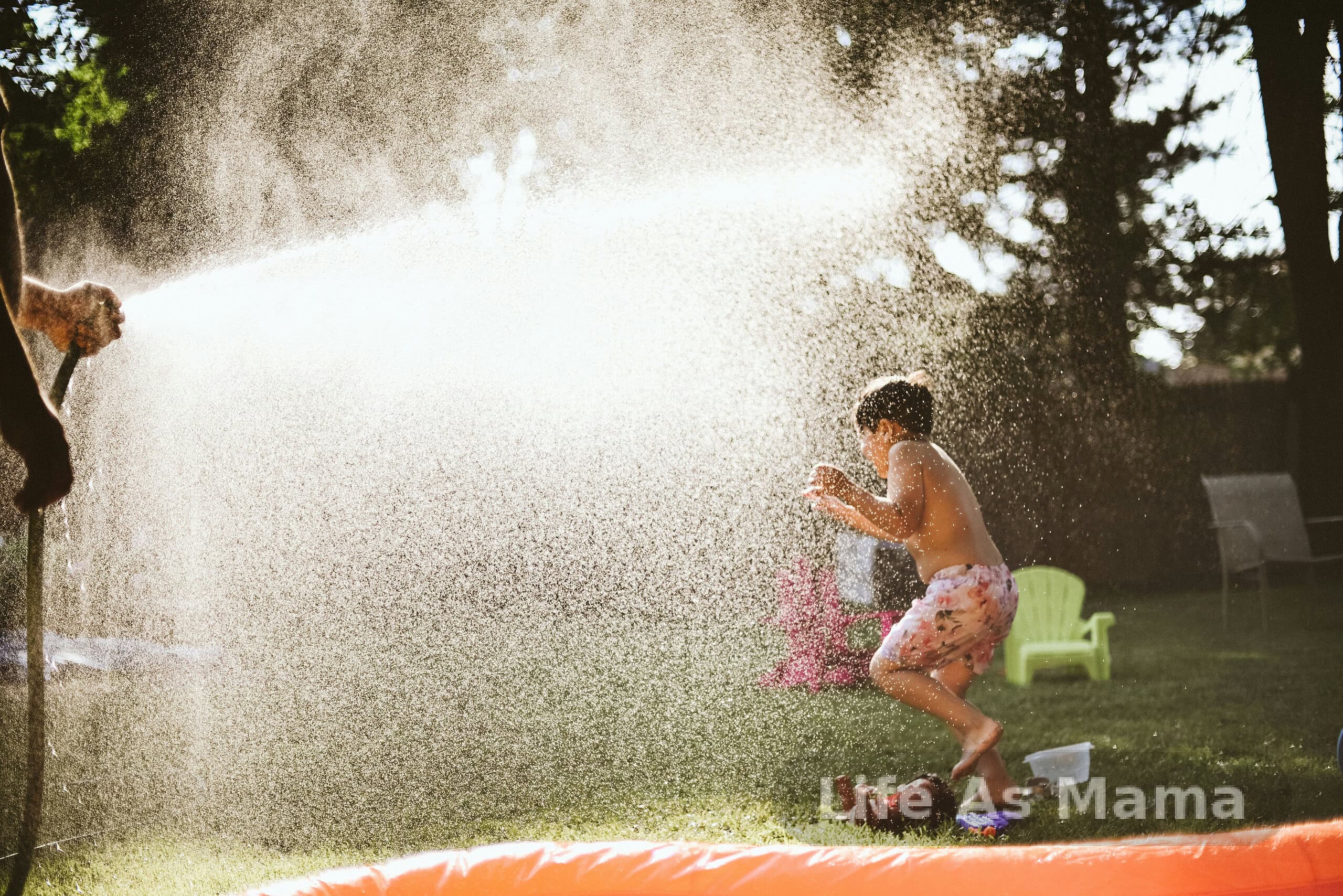
Water play is the single most reliable summer activity in my experience. Kids will stay engaged with water for hours. You don’t need a pool either to have water fun. A sprinkler, a water table, or a bin of water with cups and funnels will do it for the younger ones.
- A sprinkler and a lawn: this is free if you already own a sprinkler. Add a slip-and-slide tarp from the dollar store for maximum effect.
- Sensory water bin: an under-bed storage box filled with water, measuring cups, funnels, small toys, and food coloring. Toddlers will stay in this for an entire afternoon.
- “Car wash”: set up a line of bikes and toy cars and let kids wash them with sponges and buckets. Everyone ends up soaked and nobody minds.
Creative Indoor Summer Activities
When it comes to creative summer activities, the less structure, the better. Give a kid a blank canvas and too many rules and they freeze. Give them a pile of supplies and walk away and they’ll make a masterpiece.
Art & Craft
- Rock painting: collect smooth rocks on a nature walk, paint them with whatever’s on hand, hide them around the neighborhood for others to find. Kids love the idea that strangers will discover something they made.
- Tie-dye: messy, yes. Worth it, absolutely. Use rubber bands and food-safe dye on white shirts. Every kid ends up with something uniquely theirs.
- A running summer mural: tape a long piece of craft paper to the garage wall. All summer, family members add drawings, paintings, words. Unveil it to grandparents at the end.
- Pressed flower pictures: pick wildflowers or garden blooms, press them between wax paper and heavy books for a week, then frame them. They’re beautiful and kids are genuinely proud of them.
- Making friendship bracelets: this one has had a renaissance and for good reason. Fine motor skills, creativity, and something to give away, it checks every box.
- Build a cardboard city: save boxes for a week, then give kids tape, scissors, paint, and markers. You’ll be amazed what they make.
Writing & Storytelling
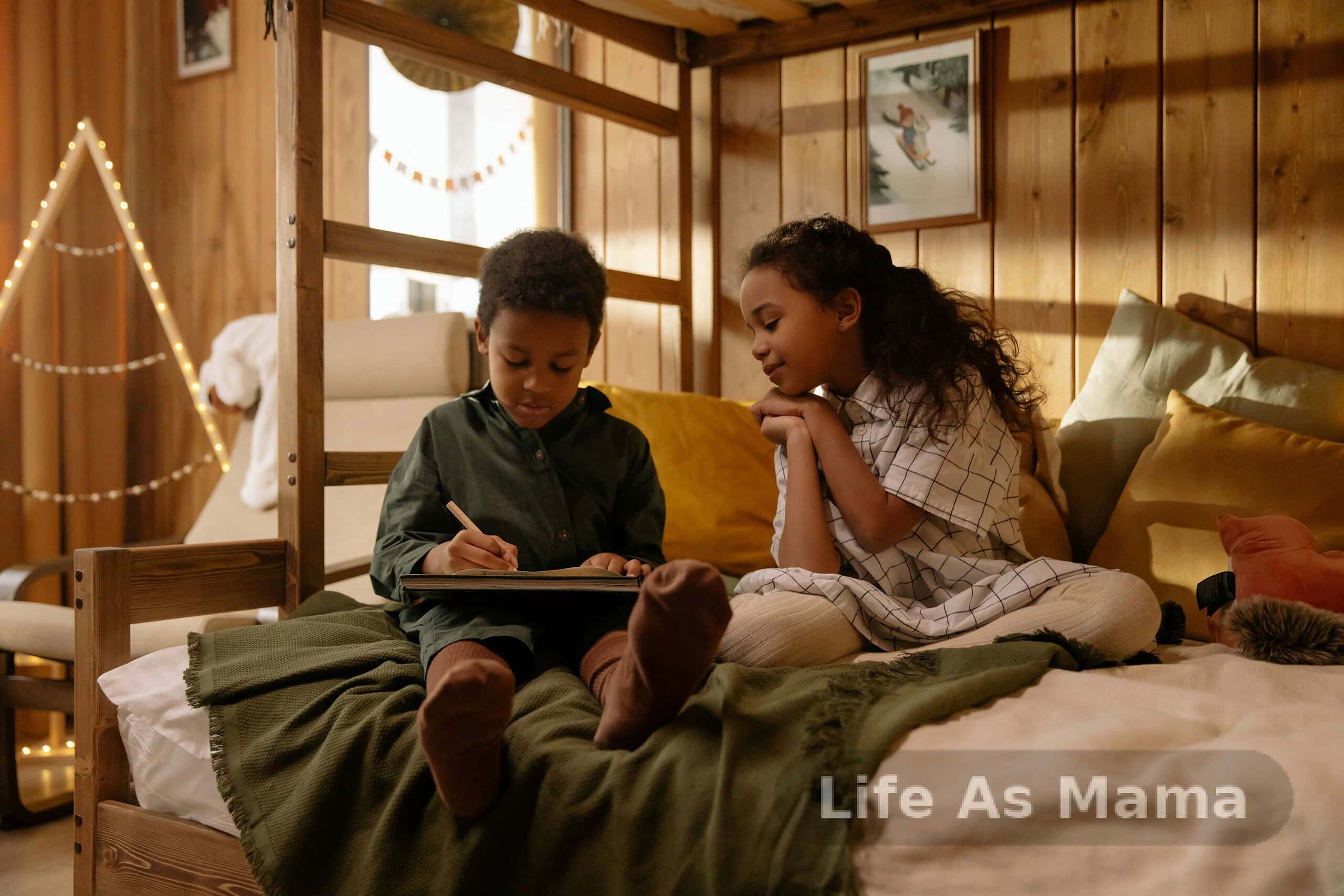
- Summer journal: let kids draw or write one thing per day that happened or that they’re thinking about. At the end of summer, read through it together. It becomes a keepsake.
- Write and illustrate a book: give them blank paper, staple it into a booklet, and let them create. My son wrote a four-chapter story about a rabbit this summer. What?!?
- Make a comic strip: panels, speech bubbles, a plot. Great for reluctant writers who don’t like the “write an essay” format.
Beat the Summer Slide: Activities That Sneak in Learning
Research from Johns Hopkins University found that students can lose up to two months of reading and math skills over the summer, a phenomenon called the “summer slide.” The good news: you don’t need worksheets to prevent it. Play-based learning does the same job without the arguments.
- Library summer reading program: most public libraries run free summer reading challenges with prizes. Sign your kids up. The gamification works.
- Interview an older relative: give them a list of questions and a voice recorder app. What was your school like? What did you eat for lunch? The resulting recording is family history gold.
- A puzzle race: set timers, two 100-piece puzzles, go. Competitive kids who hate “learning” activities will do this happily.
- Science experiments at home: baking soda and vinegar volcanoes never get old. Neither do density towers (layered liquids in a jar) or homemade slime.
- Map the neighborhood: give older kids a notebook and have them make a hand-drawn map of your block or neighborhood. Then walk it together and compare the map to reality.
- Learn a new skill together: juggling, origami, a new card game, basic knitting. Learning alongside your kids (and being openly bad at it) is one of the best modeling experiences you can give them. And if you want to think more deeply about what that kind of intentional parenting looks like, the Battle Hymn of the Tiger Mother book review at Mother U is a thought-provoking read on the topic of how much to push vs. how much to let kids lead.
Cooking & Baking: The Activity That Also Solves Dinner
Cooking is one of the most underused summer activities, and it’s genuinely one of the best. It builds math skills (measuring), science skills (what happens when you mix baking soda and acid), reading skills (following a recipe), and life skills. And unlike a craft project, you get to eat the outcome!
- “Kids cook dinner” night: let them plan the menu, write the grocery list, and make it. Supervise but don’t take over. The pride on their faces when the family sits down to eat something they made is something I cannot put into words.
- Homemade ice cream: with an ice cream maker or the bag-shaking method with salt and ice. The bag method is especially satisfying because they have to work for it.
- Lemonade stand: this is both a cooking activity and a money lesson and a community activity. Let them make the lemonade from scratch, set the price, and make change. Consider raising money for a cause they care about, it brings the experience to a whole new level.
- Pizza night: kids who make their own pizza will eat vegetables they wouldn’t touch otherwise. Fact. Proven in my kitchen repeatedly.
- Family recipe project: ask older relatives for a favorite recipe, make it together, and start a little family cookbook. This is a beautiful legacy project that takes all summer.
Summertime Low Cost Community Outings
You don’t need to spend a lot of money to make summer memorable. Some of the best outings are free or close to it, and research consistently shows that it’s experiences, not things, that children remember and that contribute to lasting wellbeing.
Free or Nearly Free
- Your local public library: beyond the summer reading program, most libraries host free storytimes, craft programs, and even movie screenings. Check their summer calendar.
- Farmers markets: give kids a small budget and let them pick something to buy. The responsibility of spending their own few dollars is its own lesson.
- Free outdoor concerts and movies in the park: most cities have these; search + “movies in the park” or “free summer concerts.”
- Nature walks and local trails: pack a snack and a scavenger hunt list. The difference between a walk kids hate and a walk kids love is usually a mission.
- The library, the park, and a picnic: three free things combined into one morning that feels like a full outing.
Worth the Splurge (Occasionally)
- Children’s museums: they’re expensive, but a year membership often pays for itself in two or three visits and becomes a reliable rainy-day backup all summer. Our local library also has free passes to many local museums and science centers available for rent. Check yours!
- Zoos and aquariums: same logic on the annual membership. Our local zoo has a summer program where kids can come for weekly themed activities, which makes it feel fresh.
- Minor league baseball games: family-friendly, affordable compared to major league, and kids love the food, the between-inning games, and the energy. You don’t even have to be a baseball fan.
- A local amusement park or splash pad: you don’t need to go to Disney for this. Every region has local options that cost a fraction of the price and are just as exciting for kids under 10.
Rainy Day Indoor Activities for Kids (When You’re Trapped Inside)
Every summer has them. Those Tuesday mornings when it’s raining and the kids are already restless by 8 a.m. Here are the ones that reliably work at our house:
- Build a fort and commit to it all day: not just for ten minutes. Get the sleeping bags, the snacks, the books, the flashlights. Make it a whole thing. Rainy days are FORT DAYS.
- “Kitchen science” afternoon: vinegar and baking soda, cornstarch and water (oobleck), a sink full of water and objects to test for floating/sinking. Messy, but they’re already inside.
- Board game tournament: write a bracket on paper, rotate through games, keep score. The formality of a “tournament” makes board games feel more exciting than usual. You can even pull from a list of trivia questions for kids to add a trivia round.
- Marble run building: if you have marble run sets, get them all out and build the most elaborate track you can.
- Hold marble races with pool noodles: cut a pool noodle in half lengthwise, use it as a track. Old school, works every time.
- Let the kids rearrange their bedroom: give them full permission. They’ll spend hours on it and feel genuinely empowered by the result.
Nighttime Summer Activities for Kids
One of the things I love most about summer is the way the evenings stretch out. These slower, cooler hours are genuinely some of the best moments of the whole season.
- Backyard campout: sleeping bags on the lawn, a flashlight, and stargazing. Even if you come inside at midnight because it got cold, they’ll talk about it for years.
- Catch lightning bugs: if you live somewhere they exist, this is non-negotiable. Watch them, catch a few in a jar, let them go. Pure magic.
- S’mores around a fire pit: wood fires, propane fire tables, or even long-handled marshmallow sticks over a gas stove burner (yes, I’ve done this). The ritual of a s’more is the point, not the flame.
- Outdoor movie night: a projector and a white sheet on a fence or the side of the house. Sleeping bags as seating. The most memorable movie nights are always the outdoor ones.
- Stargaze with a free app: Google Sky Map or SkySafari are free and let kids point their tablet at the sky and see what they’re looking at. Instant wonder.
How to Make a Loose Summer Routine
The loose activity menu genuinely transformed our summers. Instead of a tight schedule, at the start of each week I make a simple list of three categories on a piece of paper and post it on the fridge:
- Something outside (could be the backyard, a park, a splash pad, a bike ride)
- Something creative (craft, cooking, art project)
- Something out-of-the-house (a library trip, a farmer’s market, an outing)
The kids can pick from the list and have input on what each thing looks like. There’s no rigid schedule, but there’s always a direction. It gives kids something to look forward to and helps us keep a flexible schedule.
For even more family summer outings and low-cost idea inspiration, check out these Summer Activities For Kids ideas from Affordable Homeschooling.
And some days? Some days nothing goes to plan, someone cries, and everyone watches a movie at 2pm in a fort. That’s summer too.
The Bottom Line
You don’t need to be a Pinterest parent to give your kids a great summer. You need a few reliable ideas, a little bit of structure, and the willingness to get outside with them sometimes, even when you’re tired.
The summer memories my kids are going to carry into adulthood won’t be the fancy vacations (though those are wonderful). They’ll be the sidewalk chalk town that lasted three days, or the night we slept outside and woke up covered in dew. Those moments are available to everyone. I hope this list helps you find yours.
Have a summer activity your kids absolutely love that isn’t on this list? Drop it in the comments. We’re always adding to our summer arsenal and would love to hear what’s working for your family!
Related Images:

Jessica P
Latest posts by Jessica P (see all)
- How to Keep Your Kids Active During the Summer Break - June 26, 2026
- 10 Must-Have Products for Expecting Moms This Summer - June 19, 2026