What plants do Exciting Gardens ship in fall? If you’re thinking about boosting your garden’s beauty during the autumn months, you’ve come to the right place. Exciting Gardens offers a wide variety of fall plants to keep your garden vibrant and colorful.
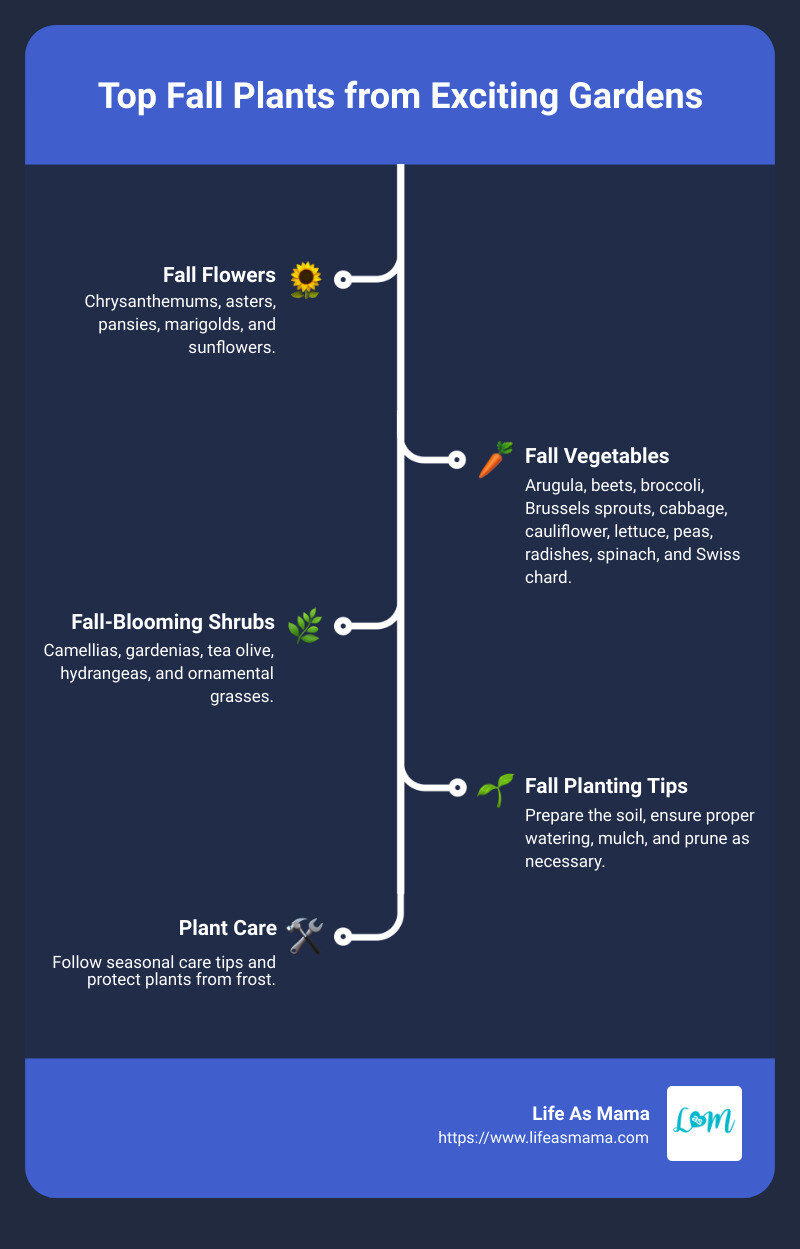
Here’s a quick look at what plants do Exciting Gardens ship in fall:
- Fall Flowers: Chrysanthemums, asters, pansies, marigolds, and sunflowers.
- Fall Vegetables: Arugula, beets, broccoli, Brussels sprouts, cabbage, cauliflower, lettuce, peas, radishes, spinach, and Swiss chard.
- Fall-Blooming Shrubs and Perennials: Camellias, gardenias, tea olive, hydrangeas, and ornamental grasses.
As we transition into cooler months, gardening doesn’t have to come to a stop. Instead, it transforms into a unique opportunity to focus on fall-specific plants that can handle the chill and provide late-season interest. We’ll dig deeper into why fall is a great season for planting and highlight some of the top choices from Exciting Gardens.
I’m Amanada Schmitt. With years of experience as an Occupational Therapist and a knack for gardening, I’ve dedicated myself to helping families bring the best out of every season. My journey into fall gardening began four years ago with Exciting Gardens, making me well-versed in what plants do Exciting Gardens ship in fall.
In the sections that follow, we’ll explore the best options for fall flowers, vegetables, shrubs, and more. Let’s get ready to make your garden the star of the season!
What Plants Do Exciting Gardens Ship in Fall?
When the air turns crisp and the leaves start to fall, it’s the perfect time to refresh your garden with new plants. Exciting Gardens offers a variety of fall plants that will keep your garden vibrant and colorful even as the days grow shorter. Here’s a rundown of what you can expect.
Fall Flowers
Fall flowers are a must for any garden to maintain its beauty and charm. Exciting Gardens ships a range of flowers that thrive in cooler weather:
- Chrysanthemums: Often called “mums,” these flowers are a fall staple. They come in a variety of colors and can bloom well into late fall.
- Asters: With their daisy-like appearance, asters add a touch of elegance to your garden. They are available in shades of purple, pink, blue, and white.
- Pansies: Known for their vibrant colors and “faces,” pansies are perfect for fall. They can tolerate light frost and bloom until the first winter freeze.
- Marigolds: These bright orange flowers complement the golden fall leaves and are easy to grow from seeds.

Shrubs
Shrubs add structure and long-lasting interest to your garden. Here are some fall-blooming shrubs you can expect from Exciting Gardens:
- Hydrangeas: Fall is the ideal time to plant hydrangeas. Their large, colorful blooms can last well into the cooler months.
- Camellias: These shrubs offer beautiful blooms in late fall and early winter, making them a great addition to your garden.
- Tea Olive: Known for their fragrant flowers, tea olives can bloom in fall and continue to provide interest through winter.
Perennials
Perennials are a great investment as they come back year after year. Exciting Gardens offers a variety of fall-blooming perennials:
- Ornamental Grasses: These add texture and movement to your garden. They look stunning even when covered in frost.
- Gardenias: Known for their fragrant flowers, gardenias can add a touch of elegance to your fall garden.
- Black-eyed Susans: These cheerful yellow flowers with black centers bloom until winter and readily self-sow for the next season.
Annuals
While perennials come back year after year, annuals provide a burst of color for a single season. Exciting Gardens offers several fall annuals that are perfect for adding immediate impact:
- Snapdragons: These flowers can tolerate cooler temperatures and come in a variety of colors.
- Violas: Similar to pansies but smaller, violas can add a delicate touch to your fall garden.

Whether you’re looking to add fall flowers, shrubs, perennials, or annuals, Exciting Gardens has a wide selection to keep your garden looking its best. Next, we’ll dive into the top fall flowers you can plant from Exciting Gardens to make your garden the star of the season!
Top Fall Flowers to Plant from Exciting Gardens
Chrysanthemums, often called “mums,” are a fall garden staple. These hardy perennials come in a variety of colors like yellow, white, red, and purple. They thrive in cooler temperatures and can last until the first frost. Mums are perfect for adding a splash of vibrant color to your garden beds or containers.
Asters
Asters are another excellent choice for fall gardens. These daisy-like flowers come in shades of purple, pink, blue, and white. Asters are versatile and can be used in flower beds, borders, or even as cut flowers for indoor arrangements. They attract butterflies, making them a great option for a butterfly-friendly garden.
Pansies
Pansies are known for their “faces,” created by contrasting colors and patterns on their petals. Available in a wide range of colors, including purple, yellow, orange, and white, pansies are incredibly versatile. They can be planted in flower beds, borders, or containers. Pansies prefer cool weather and can tolerate light frost, making them perfect for fall.
Marigolds
Marigolds are a low-maintenance fall flower that grows quickly. They can be started from seeds about eight weeks before the first fall frost. Bright orange marigold flowers will bloom from spring to winter, complementing the golden fall leaves. Deadheading encourages more blooms, but as winter approaches, let them go to seed to collect for next season.
Sunflowers
Sunflowers may seem like a summer flower, but certain varieties can bloom well into fall. Their tall stems and large, bright yellow blooms can add a dramatic touch to your garden. Sunflowers are also great for attracting pollinators like bees and butterflies.
Best Fall Vegetables to Plant from Exciting Gardens
When planning your fall garden, don’t just think about flowers. Vegetables can thrive in cooler weather and give you a bountiful harvest. Here are the best fall vegetables to plant:
Arugula
Arugula is a fast-growing leafy green with a peppery flavor. It thrives in cooler temperatures and can be harvested in as little as 30 days. Plant seeds directly in the soil, and you’ll have fresh greens all season.
Beets
Beets are perfect for fall planting. They grow well in cooler temperatures and can be harvested for both their roots and greens. Beets take about 50-70 days to mature, so plant them early in the fall.
Broccoli
Broccoli loves cool weather and can withstand light frost. It’s a bit of a slow grower, taking around 60-100 days to mature. Plant broccoli in well-drained soil and keep it well-watered for the best results.
Brussels Sprouts
Brussels sprouts are another cool-weather favorite. They take a long time to mature, usually around 90-120 days. However, the wait is worth it for these nutrient-packed veggies. Plant them early in the fall for a late-season harvest.
Cabbage
Cabbage is hardy and can tolerate frost, making it an excellent fall vegetable. It takes about 70-100 days to reach maturity. Plant in well-drained soil and keep the soil moist to ensure a healthy crop.
Cauliflower
Cauliflower is a bit finicky but thrives in cool weather. It takes about 50-85 days to mature. Keep the soil consistently moist and provide plenty of sunlight for the best results.
Lettuce
Lettuce is one of the easiest and fastest vegetables to grow in the fall. It matures in as little as 30-50 days. Plant seeds directly in the soil and enjoy fresh salads all season long.
Peas
Peas prefer cool weather and can handle light frost. They take about 60-70 days to mature. Plant them in well-drained soil and provide a trellis for support.
Radishes
Radishes are one of the fastest-growing fall vegetables, maturing in just 20-30 days. Plant them in well-drained soil and keep them well-watered for a quick harvest.
Spinach
Spinach is another fast-growing leafy green that thrives in cool weather. It takes about 30-45 days to mature. Plant seeds directly in the soil and enjoy fresh, nutrient-packed greens.
Swiss Chard
Swiss chard is hardy and can grow well into the fall. It takes about 50-60 days to mature. Plant it in well-drained soil and keep it well-watered for a continuous harvest.
Fall-Blooming Shrubs and Perennials
Fall is a fantastic time to add shrubs and perennials to your garden. These plants not only provide beautiful blooms but also add structure and interest that can last well into the colder months. Let’s explore some of the top choices you can get from Exciting Gardens.
Camellias
Camellias are a classic choice for fall gardens. These evergreen shrubs offer stunning blooms from late fall to early spring. Their flowers come in a variety of colors including pink, red, and white. Camellias thrive in partial shade and well-drained, acidic soil. They are perfect for adding a touch of elegance to your garden.
Gardenias
Gardenias are known for their fragrant, creamy-white flowers. These shrubs bloom in late summer and can continue into fall in milder climates. Gardenias prefer full sun to partial shade and acidic, well-drained soil. They are ideal for planting near windows or walkways where their fragrance can be enjoyed.
Tea Olive
Tea Olive, or Osmanthus, is a versatile shrub that offers small, fragrant flowers in the fall. The scent is often compared to apricots or peaches. Tea Olive shrubs are hardy and thrive in full sun to partial shade. They are excellent for creating hedges or as standalone specimens in your garden.
Hydrangeas
Hydrangeas are a popular choice for their large, showy blooms that can last from summer into fall. Varieties like the Oakleaf Hydrangea offer beautiful foliage color in addition to their flowers. Hydrangeas prefer partial shade and well-drained soil. They can be used in borders, as foundation plants, or even in containers.
Ornamental Grasses
Ornamental grasses add texture and movement to your fall garden. Varieties like Miscanthus and Pennisetum offer feathery plumes that sway in the breeze. These grasses are low-maintenance and drought-tolerant, making them an excellent choice for any garden. They thrive in full sun and well-drained soil.
By incorporating these fall-blooming shrubs and perennials from Exciting Gardens, you can create a garden that is both beautiful and resilient. Next, we’ll dive into some essential tips for planting and caring for your fall shipments.
Tips for Planting and Caring for Fall Shipments
When you receive your fall plant shipments, it’s important to follow best practices to ensure they thrive. Here’s a handy guide on soil preparation, watering tips, mulching, pruning, and pest control to keep your garden healthy and vibrant.
Soil Preparation
Before planting, check the soil in your garden. Good soil preparation is key to successful planting.
-
Test Soil Drainage: Water the area and observe how quickly the top two inches dry out. If it dries too quickly, your soil might need compost to help retain moisture. If it stays wet, add pine fines, leaf mulch, peat moss, or gypsum to improve drainage.
-
Amend the Soil: Dig a hole twice as wide as the root ball of your plant and mix the backfill soil with compost or manure. This enriches the soil and provides essential nutrients.
-
Aerate the Soil: For vegetable gardens, tilling helps incorporate organic matter and aerates the soil, making it easier for roots to grow.
Watering Tips
Proper watering is crucial, especially when establishing new plants.
-
Water Deeply and Infrequently: Aim for an inch of water per week. Deep watering encourages roots to grow deeper, making plants more drought-resistant.
-
Use Soaker Hoses or Water Gators: These tools help keep soil deeply hydrated on a regular basis, ensuring consistent moisture levels.
-
Check Soil Moisture: When the top two inches of soil are dry to the touch, it’s time to water again. This prevents overwatering and root rot.
Mulching
Mulch is your fall planting’s best friend. It helps regulate soil temperature and retains moisture.
-
Apply a 2-3 Inch Layer: Use organic mulch around your plants to keep the soil warm and moist.
-
Keep Mulch Away from Stems: Leave an inch of space around plant stems to prevent disease.
Pruning
Pruning in the fall helps prepare your plants for winter and encourages healthy growth.
-
Sanitize Your Tools: Use rubbing alcohol or a 2% bleach mixture to clean your tools. Clean cuts heal faster and reduce the risk of disease.
-
Remove Dead or Diseased Material: Clearing out dead plants and spent summer annuals prevents the spread of fungus and bacteria.
Pest Control
Keep an eye out for pests that can harm your fall garden.
-
Regular Inspection: Check your plants regularly for signs of pests or diseases. Early detection is key to effective control.
-
Natural Remedies: Use neem oil or insecticidal soap for a natural way to control common pests like aphids and spider mites.
By following these tips for planting and caring for fall shipments, you’ll set your garden up for success and enjoy a beautiful, thriving landscape well into the season.
Next, we’ll answer some frequently asked questions about fall plant shipments.
Frequently Asked Questions about Fall Plant Shipments
What is the best time to plant fall flowers?
Planting fall flowers at the right time can make a big difference. Generally, aim to plant fall flowers about 6 to 8 weeks before the first frost. This gives them enough time to establish roots before the cold weather sets in.
-
Check Frost Dates: Look up the first frost date for your area. This will help you plan backward to determine the best planting time. For instance, if the first frost is expected on October 15th, aim to plant by the end of August or early September.
-
Cooler Weather: Fall flowers thrive in cooler temperatures. Planting too early can expose them to late summer heat, which can be stressful. Wait until daytime temperatures drop below 80°F.
How do I care for fall-shipped plants?
Caring for fall-shipped plants involves a few key steps to ensure they thrive in their new environment.
-
Watering: Water thoroughly right after planting. Keep the soil moist but not waterlogged. Check soil moisture regularly and water when the top two inches are dry.
-
Mulching: Apply mulch around the base of your plants but keep it an inch away from the stem to prevent disease. Mulching helps retain moisture and regulate soil temperature.
-
Soil Preparation: Amend the soil with compost or organic matter to provide nutrients. Avoid using high-nitrogen fertilizers as they can stimulate unwanted growth.
-
Maintenance: Regularly inspect your plants for pests and diseases. Use natural remedies like neem oil for pest control. Deadhead spent flowers to encourage new blooms.
Can I plant bulbs in the fall?
Yes, fall is the perfect time to plant spring-flowering bulbs. They need the cold winter months to break dormancy and bloom beautifully in the spring.
-
Timing: Plant bulbs about 4 to 6 weeks before the ground freezes. This usually means planting in late September to October, depending on your region.
-
Depth: Plant bulbs at a depth of about 6 inches, with the pointed end facing up. This ensures they have enough soil coverage to protect them from frost.
-
Soil Preparation: Prepare the soil by loosening it and adding compost. Well-draining soil is crucial to prevent bulb rot.
Final Thoughts on Navigating Motherhood and Family Life
Fall gardening is a wonderful way to keep your outdoor space vibrant and engaging as the seasons change. At Life As Mama, we believe that gardening can be a family-friendly activity that brings everyone together.
Fall gardening offers a unique opportunity to plant a variety of flowers, vegetables, and shrubs that thrive in cooler temperatures. This season, consider adding chrysanthemums, asters, and marigolds to your garden for a burst of color. Don’t forget about vegetables like broccoli, Brussels sprouts, and spinach that can be harvested well into the fall.
Here are some seasonal tips to make your fall gardening a success:
- Soil Preparation: Always start with well-prepared soil. Add compost to enrich the soil and ensure good drainage.
- Watering Tips: Water your plants regularly but avoid overwatering. The top few inches of soil should be dry before you water again.
- Mulching: Use mulch to keep the soil warm and retain moisture. This is especially important as temperatures drop.
- Family-Friendly Activities: Get the kids involved! Planting bulbs, raking leaves, and even simple tasks like watering can be fun and educational for children.
Gardening in the fall can be both rewarding and enjoyable for the whole family. It’s a chance to teach kids about nature, responsibility, and the joys of seeing something grow.
For more tips and tricks on how to make the most of your fall garden, visit our Gardening Tag Page.
Happy gardening!
Related Images:

Amanda Schmitt
Latest posts by Amanda Schmitt (see all)
- 20+ First Day of School Traditions to Make the Day Special - August 23, 2026
- Fruit Infused Waters That Make Summer Hydration Fun - July 1, 2025
- Light Up Your Life: Home Lighting Decoration Ideas - June 30, 2025