Is the year flying by that fast already? The school year is nearing completion once again, which means our little ones will soon be home for the next twelve weeks! Summer will be here before we know it. When you’re not at the beach or barbecuing, you and your kids can beat the boredom blues with these ten activities that are sure to make this summer one that your children will always remember!
Save this Post for Later! ⬇

Water-Based Adventures That Beat the Heat
Your kids are hot, cranky, and bored. Sound familiar? Water activities fix all three problems at once.

PhotoCredit: FreePik
Water Balloon Fight turns your backyard into a battleground. Fill 50-100 balloons ahead of time. Store them in kiddie pools or buckets. Cost: $5 for balloons. Pro tip: Assign teams by shirt color to avoid chaos.
PVC Water Park gives you a DIY sprinkler system. Buy 10 feet of PVC pipe and drill holes every 6 inches. Attach to your garden hose. Total cost: $15. Kids get soaked while you stay dry on the porch.
Kids Car Wash makes chores fun. Hand over sponges, soap, and the hose. They’ll wash bikes, wagons, and maybe even the actual car. Cost: Free if you already have supplies. Bonus: Your car gets cleaner.
DIY Slip ‘N Slide Spectacular beats the expensive store version. Lay out a plastic tarp (at least 20 feet long). Add dish soap and water. Place pool noodles on the sides for safety barriers. Cost: $20 for materials. Safety rule: Adults check for rocks and sticks first.
Frozen Treasure Hunt works perfect on 90-degree days. Freeze small toys in ice cube trays or containers. Hide the ice blocks around the yard. Give kids spray bottles with warm water to “rescue” the treasures. Cost: $10 for toys and containers.
Safety first with water play. Always supervise young kids. Check water temperature before activities start. Have towels ready to prevent slipping. Set boundaries for where water games happen.
Setup takes 15 minutes max for most activities. Store water balloons in the shade so they don’t pop. Keep extra towels handy. For slip and slides, choose a gentle slope away from fences or trees.
Age modifications matter. Kids under 5 need shallow water only. Older kids can handle more complex games like water relay races. Teens love competition – add timers and prizes.
Most outdoor water activities for kids cost under $25. Summer water games keep everyone cool and tired in the best way possible.
Creative Indoor Projects for Rainy Summer Days
Rain ruins your outdoor plans. Your kids are bouncing off the walls. Here’s how to turn that energy into something productive.

PhotoCredit: FreePik
Spy Training transforms your living room into headquarters. Create obstacle courses using pillows and furniture. Make invisible ink with lemon juice. Cost: Free using household items. Kids learn problem-solving while burning energy.
Glowbug Craft lights up dark rooms. Fill mason jars with glow sticks and cotton balls. Add battery-operated tea lights for extra magic. Cost: $15 for supplies. These make perfect nightlights too.
DIY Lava Lamps teach science without boring lectures. Mix vegetable oil, water, food coloring, and Alka-Seltzer tablets in clear bottles. Cost: $10 total. Kids watch chemical reactions happen in real time.
Indoor Obstacle Course Challenge uses every room. Set up stations: crawl under tables, hop on one foot, balance books on heads. Time each run and keep score. Cost: Free. Rainy day activities for kids don’t get more active than this.
Rainy Day Fort Building Olympics makes mess acceptable. Gather sheets, chairs, and clothespins. Award points for creativity, stability, and teamwork. Cost: Free. Clean-up becomes part of the game when you set a timer.
Materials come from your house already. Cardboard boxes become rockets. Old socks turn into puppets. Empty containers hold craft supplies. You don’t need special art stores.
Educational benefits sneak in naturally. Building forts teaches engineering. Lava lamps show density. Spy training develops logic skills. Kids learn while playing.
Storage tips save your sanity. Use clear bins for each activity. Label everything. Keep supplies in one closet. Set up and cleanup become faster when everything has a place.
Sibling cooperation happens with the right strategy. Assign roles based on age. Older kids lead, younger kids help. Rotate who picks the activity. Share cleanup duties equally.
Indoor summer activities work when rain keeps you inside. These projects cost almost nothing but deliver hours of entertainment.
Science Experiments That Spark Curiosity
Your kids ask “why” about everything. Science experiments give them answers they can see and touch.

PhotoCredit: FreePik
No Smoke S’mores happen right on your stovetop. Use a small candle flame to roast marshmallows on skewers. Safer than campfires, same delicious result. Cost: $8 for ingredients. Kids learn about heat transfer while making snacks.
Homemade Ice Cream turns your kitchen into a laboratory. Mix cream, sugar, and vanilla in a small bag. Seal inside a larger bag filled with ice and salt. Shake for 15 minutes. Cost: $12 for supplies. They learn about freezing points and get dessert.
Backyard Volcano Eruption creates the biggest wow factor. Mix baking soda, vinegar, dish soap, and red food coloring in a plastic bottle. Stand back and watch it foam. Cost: $5 for materials. The acid-base reaction teaches chemistry basics.
Color-Changing Milk Experiment looks like magic but follows science rules. Drop food coloring into milk, then touch it with a cotton swab dipped in dish soap. Colors swirl and dance. Cost: $8 for supplies. Kids see how molecules interact.
DIY Weather Station tracks real conditions outside. Use a thermometer, rain gauge (plastic cup), and wind direction indicator (ribbon on a stick). Record data daily. Cost: $15 for equipment. They learn meteorology and develop observation skills.
STEM learning happens without textbooks. Every experiment teaches cause and effect. Kids form hypotheses and test them. They measure, observe, and record results like real scientists.
Safety precautions prevent accidents. Adult supervision required for all experiments. Wear safety glasses when mixing chemicals. Keep baking soda and vinegar away from eyes. Have water nearby for cleanup.
Extend learning with simple questions. “What would happen if we used more vinegar?” “Why did the colors move that way?” “Can you predict tomorrow’s temperature?” Questions turn single experiments into ongoing investigations.
Document results like professionals. Give kids notebooks for observations. Draw pictures of what happens. Write down measurements. Take photos of each step. Summer science experiments for kids become more valuable when they keep records.
Educational summer activities disguise learning as fun. These experiments cost under $20 each but create memories that last years.
Outdoor Adventures and Nature Exploration
Kids spend too much time indoors staring at screens. Nature fixes that problem and costs almost nothing.

PhotoCredit: FreePik
Plant Pals connects kids to growing things. Give each child a small pot, soil, and seeds (beans work fast). They water daily and measure growth. Cost: $10 per child. Responsibility and patience develop naturally.
Nature Photography Scavenger Hunt turns walks into treasure hunts. Create lists: find red flowers, smooth rocks, bird nests, or interesting bark. Kids use phones or disposable cameras to document discoveries. Cost: $15 for film cameras. They notice details they normally miss.
Backyard Camping Adventure brings wilderness home. Set up tents or make blanket forts outside. Sleep under stars and cook breakfast on a camp stove. Cost: $30 for supplies if you don’t own camping gear. City kids get outdoor experiences without traveling.
Mud Kitchen Masterpieces make dirt acceptable. Set up old pots, spoons, and water buckets in a designated yard area. Kids mix mud pies and nature soup. Cost: Free using kitchen castoffs. Sensory play develops creativity and reduces screen time.
Bug Hotel Construction teaches habitat creation. Stack logs, hollow stems, and pine cones in wooden boxes. Place in shady garden spots. Cost: $20 for materials. Kids learn about insect life cycles while helping local ecosystems.
Connecting kids with nature builds environmental awareness. They learn plant names and animal behaviors. Outdoor time reduces stress and improves focus. Fresh air and exercise benefit physical health.
Safety in outdoor exploration matters most. Check areas for poison ivy or dangerous plants first. Bring first aid supplies on nature walks. Set boundaries about how far kids can wander. Teach them to identify harmful insects.
Seasonal timing affects success. Spring offers new growth and baby animals. Summer brings flowers and active insects. Fall shows color changes and seed collection. Winter reveals animal tracks and bare tree structures.
Equipment and supplies stay simple. Magnifying glasses help with close observation. Small containers collect interesting finds. Field guides identify discoveries. Outdoor activities for kids summer or winter need minimal gear.
Nature activities for children cost less than video games but provide more lasting benefits. Kids develop curiosity about their environment and respect for living things.
Creative Arts and Crafts That Wow
Rainy afternoons and hot days call for creative projects. These crafts produce real art kids want to keep and show off.

PhotoCredit: FreePik
Sidewalk Chalk Paint Murals transform boring driveways into gallery spaces. Mix cornstarch, water, and food coloring into paintable chalk. Use brushes and sponges to create masterpieces. Cost: $8 for supplies. Rain washes everything clean for next time.
Solar Print Art Projects use sunlight as your developer. Place objects on special light-sensitive paper, leave in direct sun for 5 minutes, then rinse with water. Leaves and flowers create beautiful silhouettes. Cost: $20 for paper pack. Kids learn about light exposure while making art.
DIY Tie-Dye Extravaganza brings hippie vibes to your backyard. Use rubber bands and liquid dye on white cotton shirts, socks, or pillowcases. Each piece turns out unique. Cost: $25 for dye kit. Mess stays outside where cleanup happens with the hose.
Rock Painting Village starts with nature collection. Gather smooth stones from yards or parks. Clean with soap and water, then paint with acrylics. Create animals, faces, or patterns. Cost: $15 for paint supplies. Finished rocks make great gifts for neighbors.
Cardboard Box City recycles shipping boxes into architectural wonders. Cut doors and windows, then paint or color building exteriors. Connect boxes with tape to create neighborhoods. Cost: Free using recycling. Kids learn planning and spatial reasoning.
Mess management keeps parents sane. Cover work areas with plastic tablecloths or old newspapers. Keep wet wipes handy for quick cleanups. Dress kids in old clothes or aprons. Set up stations outside when weather allows.
Preserving and displaying artwork shows respect for creativity. Take photos before projects get destroyed by weather or play. Create art portfolios using manila folders. Display favorites on refrigerators or bedroom walls. Summer crafts for kids deserve proper showcasing.
Group vs. individual projects serve different purposes. Solo work develops personal expression and concentration. Group activities teach cooperation and idea sharing. Mix both types based on your kids’ moods and social needs.
Budget-friendly material sourcing stretches craft budgets. Dollar stores carry basic supplies cheaply. Ask neighbors to save cardboard boxes and containers. Nature provides free decorating materials like leaves and stones. Creative activities for children don’t require expensive art stores.
Most craft projects cost under $30 but provide hours of engagement. Kids develop fine motor skills, color recognition, and artistic confidence through hands-on creation.
Active Games and Nighttime Magic
Evening hours offer special opportunities for family fun. These activities create magical memories while getting kids moving.

PhotoCredit: FreePik
Backyard Carnival brings fair excitement home. Set up ring toss using bottles and rope rings. Create bean bag tosses with cardboard boxes. Offer small prizes for participation, not just winning. Cost: $35 for supplies. Kids burn energy while learning good sportsmanship.
Glow Bowling works perfectly in dark garages or basements. Fill plastic bottles with glow sticks and water. Use any ball to knock them down. Reset pins between frames. Cost: $20 for glow sticks and bottles. Active summer games for kids don’t need daylight.
Backyard Movie Theater transforms ordinary evenings into special events. Hang white sheets on fences or between trees. Use a projector or laptop for the screen. Provide blankets and popcorn. Cost: $15 for sheet and snacks (if you own projector). Kids get cinema experience without leaving home.
Glow Stick Dance Party gets everyone moving to music. Give each person multiple glow sticks to wave and wear. Dim all lights and let kids create their own light show moves. Cost: $25 for glow stick variety pack. Dancing provides exercise disguised as pure fun.
Flashlight Tag Championships modernizes classic hide-and-seek. Instead of touching players, tag them with flashlight beams. Set boundaries clearly before starting. Play in safe, familiar areas only. Cost: Free if you own flashlights. Nighttime activities for children build confidence in darkness.
Physical activity benefits extend beyond tired kids at bedtime. Running games improve cardiovascular health. Dancing develops coordination and rhythm. Competitive activities teach rule-following and fair play. Movement reduces stress and improves sleep quality.
Creating magical evening experiences builds family traditions. Special lighting makes ordinary backyards feel mysterious and exciting. Music adds energy and atmosphere. Simple decorations transform familiar spaces. These memories last longer than expensive entertainment.
Neighbor-friendly considerations prevent conflicts. Keep noise levels reasonable after 9 PM. Choose activities that contain light and sound within your property. Inform nearby neighbors about special events. End activities by 10 PM on school nights.
Equipment setup and breakdown should be simple. Store supplies in dedicated bins for quick access. Assign older kids cleanup responsibilities. Check all equipment before activities start. Have backup plans ready for weather changes.
Active games work because they tire kids out naturally while building social skills and family connections. The investment in supplies pays off through months of repeated entertainment.
Stage A Water Balloon Fight!
Nothing is more classic during summer than tossing a few water balloons around! Up the ante with this awesome idea! Have this ready on your kid’s last day of school, and this will be one activity that your children will always remember!
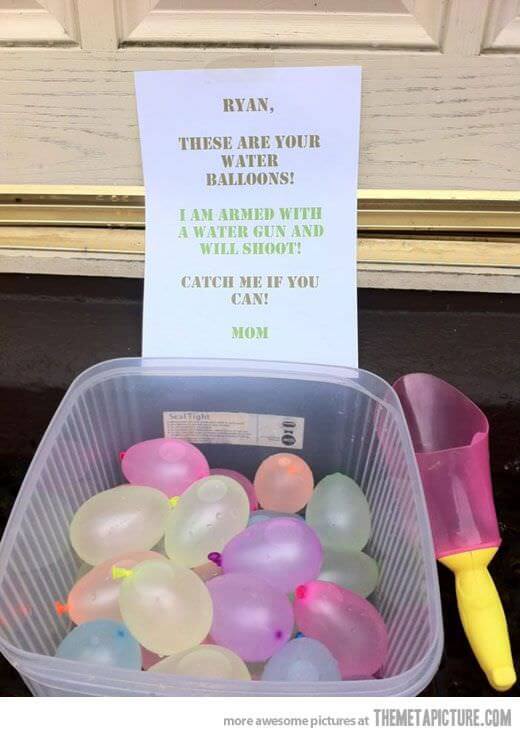
Source: The Meta Picture
Related Images:

Jennifer Corter
Latest posts by Jennifer Corter (see all)
- 20 Activities That’ll Make Your Kid’s Summer Unforgettable - September 1, 2025
- 13 Awesome Fort Ideas To Build With Your Kids - September 18, 2018
- 10 Fabulous and Freaky Family Costumes for Halloween - October 31, 2014

