4. Do Your Research
It’s important to understand the risks as well as the benefits of having a VBAC. If you don’t want to research the internet for fear of finding false facts, ask your doctor for good books or websites to look at. They should be able to give you some things to read so you know what to expect and what your risks are. Don’t just assume that everything will go as planned, but also don’t assume that you’ll end up in another C-section. According to the American Pregnancy Association, 60-80% of women who try a VBAC are successful. So, the odds are in your favor, which is definitely comforting.

5. Be Firm When It Comes To Your Wishes
Make sure that you tell your doctor or midwife, as well as all the nurses in the delivery room, your wishes and don’t let them push you around! Write out a birth plan if you need to and give a copy to your doctor weeks prior to your delivery as well as to the nurses that are assisting in your labor. Make sure they all know how much you want this so that they’ll be less likely to pressure you into something that you really don’t want to do. If they understand how important having a VBAC is to you, they will most likely respect your wishes and help you in any way they can.
6. Avoid Interventions
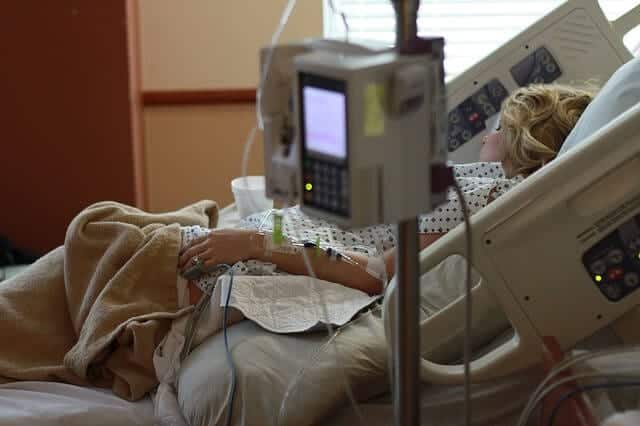
Interventions when it comes to labor and delivery could be anything from pitocin, to being induced, to an epidural. Pitocin can make your contractions stronger, as well as more frequent, putting you and the baby under more stress, which can lead to a C-section because the labor is now too hard on you or the baby. The American Pregnancy Association also has found that there are increased rates of uterine rupture in women who undergo labor induction or augmentation. This is another reason why it’s important to do your research because if you don’t understand the side effects of many of the interventions the hospital will recommend, you’ll just think that it’s okay for them to give you those things, when in reality it’s not what you want.
Related Images:

Mary Mulroney
Latest posts by Mary Mulroney (see all)
- Super Fun Spooktacular Halloween Crafts For Kids - September 9, 2026
- 5 Easy Changes To A Healthier You - October 12, 2020
- 7 Great Resources For Affordable And Beautiful Rugs - October 12, 2020