Collagen for skin health: 7 Powerful Benefits for Glowing Skin
Understanding Collagen for Radiant Skin
Have you ever wondered why your skin doesn’t bounce back like it used to? The secret lies beneath the surface, in a remarkable protein called collagen. Collagen for skin health isn’t just another beauty buzzword—it’s the very foundation of that youthful glow we all cherish.
As the most abundant protein in your body, collagen works like the scaffolding beneath your skin, providing the structure and support that keeps everything firm, smooth, and hydrated. Think of it as your skin’s internal support system, quietly working behind the scenes to maintain that plump, youthful appearance we all love.
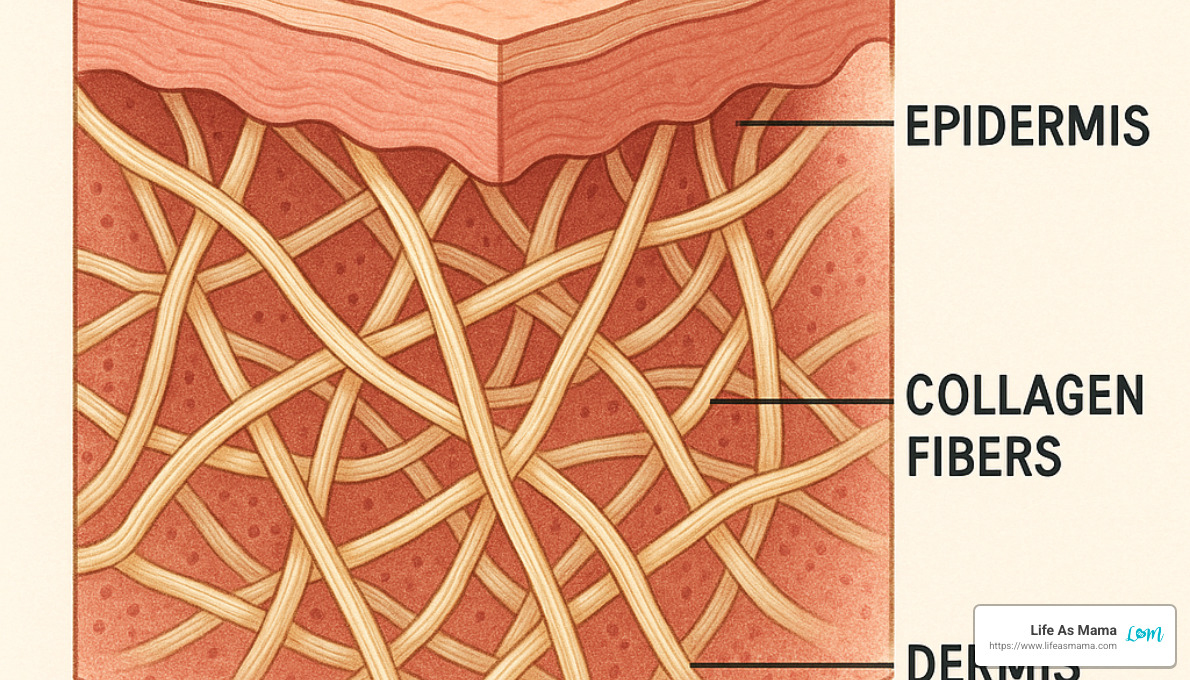
By your mid-20s, something unfortunate starts happening—your natural collagen production begins declining about 1% each year. This gradual loss is what leads to those first fine lines, decreased elasticity, and the subtle dryness that seems to creep up on us. The mesh-like network of collagen fibers in your dermis (the middle layer of skin) slowly weakens, and gravity starts winning the battle.
But here’s where things get exciting. Scientific research shows that supplementing with collagen for skin health can make a real difference. Clinical studies demonstrate impressive benefits: improved skin moisture (by about 4%), improved elasticity (around 2%), and reduced wrinkle depth (approximately 2.5%). Most people taking a daily dose of 2.5-10g of hydrolyzed collagen start noticing these changes within 8-12 weeks of consistent use.
I’m Amanda Schmitt, and during my 13 years as an Occupational Therapist, I’ve witnessed how skin health affects not just appearance but also confidence and overall wellbeing. As a busy mom myself, I understand the need for simple, effective solutions that fit into our hectic lives.
What makes collagen for skin health so powerful is its comprehensive approach. Rather than just treating surface symptoms, it works from within to strengthen your skin’s foundation. A 2021 systematic review analyzing 19 different studies confirmed that collagen supplements significantly improve multiple aspects of skin appearance and function—from firmness and hydration to elasticity and wrinkle reduction.
While your body naturally produces collagen, several factors accelerate its breakdown. Sun exposure, smoking, high-sugar diets, and environmental pollution all contribute to faster collagen loss. Understanding these factors is the first step toward protecting what you have while supporting new production.
In the sections that follow, we’ll dive deeper into exactly how collagen for skin health works, what science really says about its effectiveness, and practical ways to incorporate it into your family-friendly lifestyle. Because radiant skin shouldn’t require complicated routines or hours of your precious time—just smart, evidence-based choices that work with your busy life.
Collagen 101: Why Your Skin Depends on It
Imagine your skin as a beautiful mattress. While the surface fabric (your epidermis) is what everyone sees, it’s the supportive structure underneath (your collagen) that determines whether that mattress stays firm and comfortable or becomes saggy and worn. Collagen for skin health isn’t just a beauty buzzword—it’s the essential foundation that keeps your skin looking youthful and feeling resilient.
This remarkable protein makes up about one-third of all protein in your body and roughly 80% of your skin. What makes collagen so special is its unique triple-helix structure—three protein chains twisted together like a sturdy rope. This architectural marvel gives your skin both strength and flexibility, exactly what you need to maintain that plump, youthful appearance.
Type I collagen dominates in your skin, accounting for about 90% of your skin’s collagen content. It creates the structural framework that keeps everything firm and wrinkle-resistant. Without enough of this protein powerhouse, your skin loses its bounce-back quality, and those fine lines start appearing faster than RSVPs to a free spa day.
As dermatologist Dr. Whitney Bowe explains, “Collagen is like the glue that holds your body together. It forms a mesh-like network in the dermis that supports the epidermis above it, giving skin its thickness and plumpness.”
Beyond just holding things up, collagen for skin health serves multiple crucial roles: it maintains your skin’s firmness and elasticity, supports hydration by working with hyaluronic acid, provides the foundation for new skin cell growth, and even helps protect against environmental damage.
What Collagen Does Inside the Dermis
Deep beneath your skin’s surface, in the dermis layer, tiny cellular workers called fibroblasts are constantly on the job. Think of these specialized cells as mini-factories, diligently producing collagen and other components that create your skin’s supportive network.
The collagen fibers they produce form an intricate lattice throughout your dermis. This isn’t just static scaffolding—it’s a dynamic system that gives your skin both structure and bounce. When you smile or frown, this collagen network helps your skin spring back rather than staying creased.
At the molecular level, collagen has a fascinatingly precise design. It consists of three amino acids—glycine, proline, and hydroxyproline—repeating in a specific pattern. This unique sequence allows collagen molecules to form their characteristic triple-helix structure, which then links together to create fibrils that bundle into strong collagen fibers.
These fibers work in harmony with elastin (providing stretch) and hyaluronic acid (delivering hydration) to create the perfect balance of strength, flexibility, and moisture. Together, they’re responsible for that coveted youthful glow and resilience we all cherish.
How the Body Makes Collagen (and Why It Slows Down)
Your body’s collagen production is like a gourmet kitchen preparing a complex dish. It starts with raw ingredients—proteins from your diet that get broken down into amino acids. Your fibroblasts then reassemble these building blocks into procollagen, collagen’s precursor.
This intricate process requires several essential nutrients to succeed. Vitamin C works as a crucial co-factor, stabilizing and cross-linking collagen molecules. Zinc activates proteins needed for synthesis, while copper helps link collagen fibers together. The amino acids proline and glycine form collagen’s basic structure.
Unfortunately, this well-oiled production line begins to sputter as we age. Starting around your 20th birthday (sorry!), collagen for skin health production decreases by approximately 1% each year. By 40, you’ve typically lost about 20% of your collagen, and by 60, over 40%. That’s when those fine lines and sagging become more noticeable.
Several factors accelerate this decline. Hormonal changes, especially dropping estrogen levels during menopause, reduce collagen support. UV exposure triggers enzymes that break down existing collagen. Oxidative stress from free radicals damages collagen fibers while impairing new production. Smoking constricts blood vessels that deliver vital nutrients to your skin, and high sugar consumption creates advanced glycation end products (AGEs) that damage collagen.
The good news? A 2023 meta-analysis in the International Journal of Dermatology found that oral collagen supplementation significantly improved skin elasticity by 2.28%, increased hydration by 4.12%, and reduced wrinkles by 2.57% compared to placebo. This suggests that supplementation may help offset the natural decline in collagen production—giving busy moms another tool in our never-ending quest for healthy, radiant skin.
Factors That Influence Natural Collagen Production
Have you ever wondered why some people seem to maintain youthful skin longer than others? The secret lies in how well their bodies produce and maintain collagen. Let’s take a peek behind the curtain at what’s really influencing your skin’s collagen factory.
Sun exposure is perhaps the biggest culprit when it comes to collagen damage. Those UV rays don’t just cause sunburn – they actually trigger enzymes that chew up your precious collagen fibers. Even brief daily exposure adds up over time, with research showing that a whopping 80% of facial aging comes from the sun rather than just getting older!
“Most people don’t realize that incidental sun exposure—walking to your car, sitting by a window—accounts for the majority of UV damage over a lifetime,” says dermatologist Dr. Patricia Wexler. “Wearing broad-spectrum SPF daily is the single most effective way to preserve collagen.”
The air around us isn’t helping either. Environmental pollution contains tiny particles that create oxidative stress in your skin, essentially rusting your collagen from the inside out. If you live in a city, your skin is fighting an extra battle every day.
What’s on your plate matters tremendously too. That sweet tooth might be aging you faster than you think! When you eat sugary foods or refined carbs, they create something called advanced glycation end products (AGEs) – and they’re exactly as unpleasant as they sound. These AGEs make your collagen stiff and brittle, like an old rubber band that’s lost its stretch.
Hormones play a huge role as well, especially for women. During menopause, estrogen levels take a nosedive, and with them goes up to 30% of your collagen production in just five years. This explains that seemingly sudden change many women notice in their skin’s appearance during this life stage.
Your genes also have a say in how well you maintain collagen. Some lucky folks are simply programmed to keep producing quality collagen longer than others – thanks, Mom and Dad!
Feeling stressed? Your skin is too. Chronic stress raises cortisol levels, which actively breaks down collagen and tells your skin cells to slow down making new collagen. It’s like your body’s way of saying, “We’ve got bigger problems right now than keeping your skin plump!”
And don’t underestimate the power of beauty sleep. During deep sleep, your body releases growth hormone that stimulates collagen repair. Miss out on quality ZZZs, and you’re missing a crucial collagen-building opportunity.
Everyday Habits that Harm Collagen
Some daily routines might be sabotaging your skin without you even realizing it. Photoaging from unprotected sun exposure tops the list – even on cloudy days, those UV rays are reaching your skin and damaging collagen.
Your afternoon cookie habit isn’t just affecting your waistline. High-sugar diets cause glycation, essentially caramelizing your collagen and making it brittle. A study in the American Journal of Clinical Nutrition found women who consumed more sugar showed more visible signs of aging – not exactly a sweet deal!
Sitting all day reduces blood flow to your skin, limiting the delivery of nutrients needed for collagen production. Your skin literally needs you to move to stay healthy!
That evening glass (or two) of wine might be relaxing, but alcohol dehydrates your skin and depletes vitamin A levels that are essential for collagen production. It also generates those pesky free radicals that damage existing collagen.
Even how you sleep matters. Sleeping face-down creates mechanical stress along compression lines night after night, potentially leading to sleep wrinkles as collagen breaks down in those areas.
Nutrients & Micronutrients That Support Collagen
The good news is that your diet can also be your skin’s best friend! Certain nutrients act like collagen’s cheerleading squad, supporting production and protecting what you already have.
Vitamin C is absolutely non-negotiable for collagen production. Without it, the collagen production line simply shuts down. Load up on citrus fruits, strawberries, bell peppers, and broccoli to give your skin what it needs.
Zinc activates the proteins that assemble collagen, found in oysters, beef, pumpkin seeds, and lentils. Its partner copper helps link collagen fibers together for strength – look to liver, sesame seeds, cashews, and lentils to get your fill.
The building blocks of collagen are amino acids – primarily proline, glycine, and hydroxyproline. While your body makes some of these, eating protein-rich foods like eggs, dairy, meat, and legumes ensures you have plenty on hand for collagen construction.
Don’t forget your antioxidants! These protective compounds in colorful fruits and vegetables help shield existing collagen from damage. Berries, green tea, and even dark chocolate (yes, really!) are particularly good sources.
A 2019 randomized controlled trial showed impressive results when participants took a collagen for skin health supplement containing vitamin C and other nutrients. They saw improvements in skin hydration, elasticity, roughness, and density – with no side effects. This suggests these nutrients work even better together than separately – much like a family working as a team!
By understanding what influences your collagen production, you can make smarter choices for healthier, more resilient skin that maintains its youthful glow longer. Small daily habits really do add up when it comes to preserving your skin’s most precious protein.
Collagen for Skin Health: What Science Says
When I first started researching collagen for skin health, I was honestly skeptical. Could taking a supplement really improve my skin? Turns out, the science is surprisingly compelling!
Recent research has transformed how we view collagen supplements, with impressive evidence backing up those before-and-after photos you see online. Let me walk you through what researchers have finded.
A comprehensive 2023 meta-analysis published in the International Journal of Dermatology looked at 26 randomized controlled trials involving 1,721 participants. The results? Pretty remarkable:
- Skin hydration improved by an average of 4.12%
- Skin elasticity increased by 2.28%
- Wrinkle depth reduced by 2.57%
These aren’t just random fluctuations—they represent statistically significant improvements compared to placebo groups. In plain English: collagen supplements really do seem to work!
Another major review from 2021 analyzed 19 studies with 1,125 participants and found consistent improvements in skin firmness, suppleness, and moisture, with wrinkles becoming less noticeable after regular use.
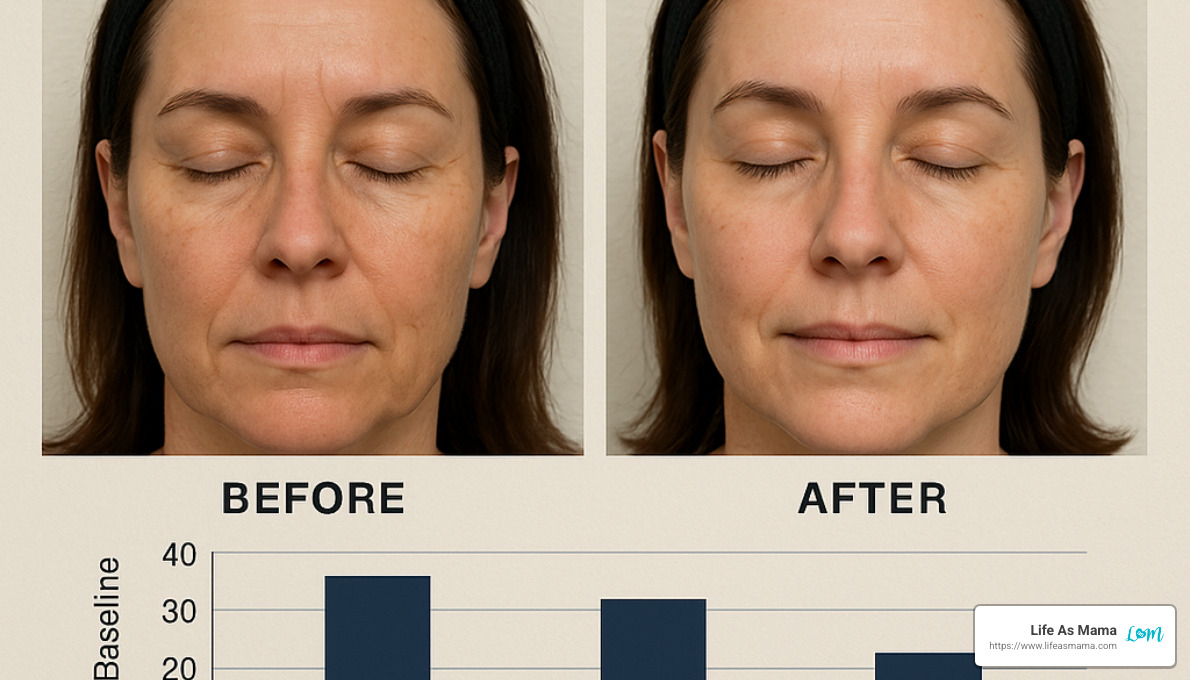
What makes these findings particularly strong is that many studies were randomized, double-blind, and placebo-controlled—the gold standard in scientific research. Yes, some studies were funded by supplement companies (common in nutrition research), but seeing consistent results across different research groups gives me confidence in the findings.
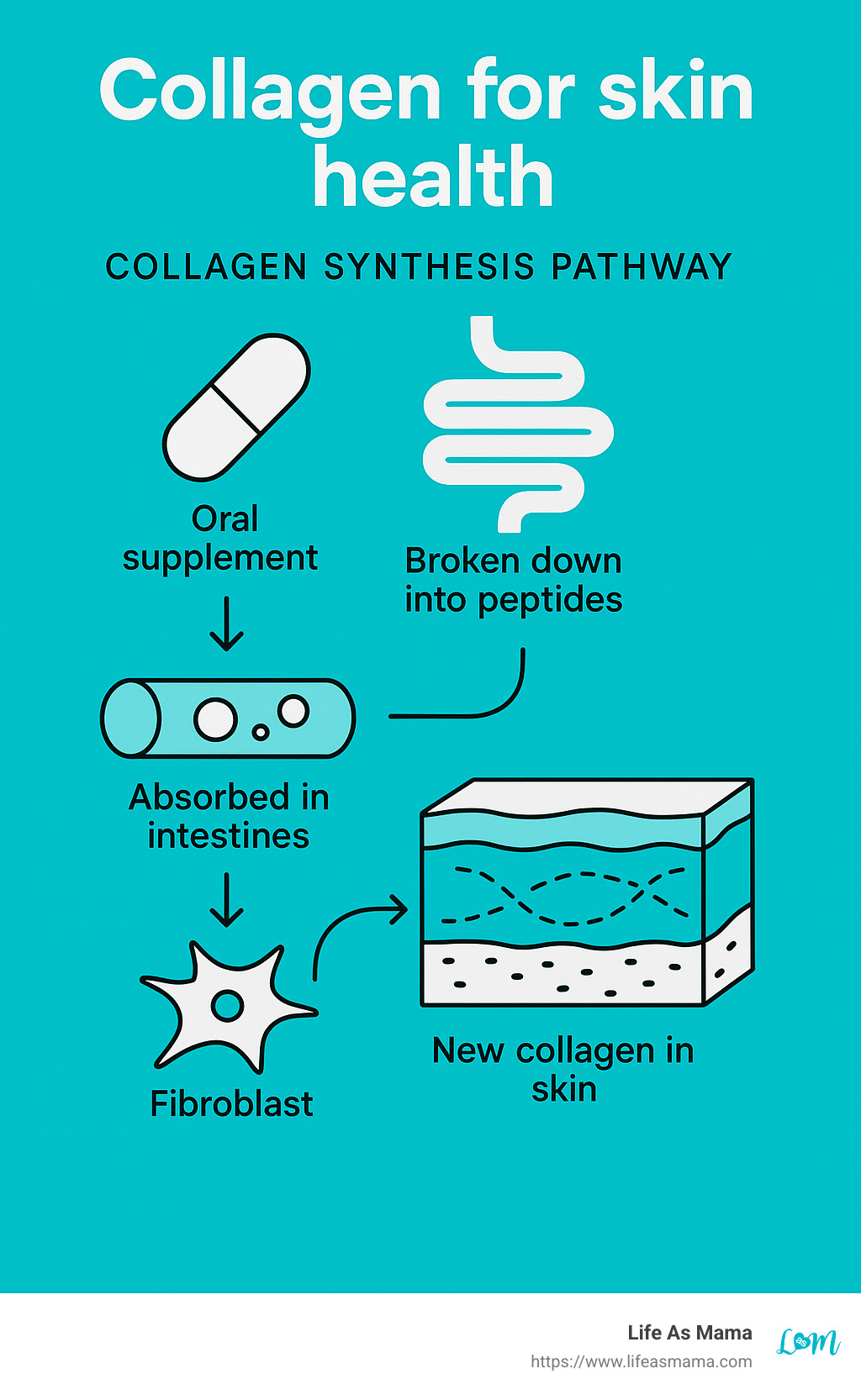
So how do these collagen peptides actually work? It’s fascinating! When you consume hydrolyzed collagen, your body breaks it down in your digestive system. But here’s the cool part—some of these tiny peptides, especially ones rich in prolylhydroxyproline and hydroxyprolylglycine, actually enter your bloodstream intact and make their way to your skin. Once there, they act like little messengers, signaling your skin cells (fibroblasts) to start producing more collagen, elastin, and hyaluronic acid.
In one eye-opening study published in the Journal of Drugs in Dermatology, women aged 40-60 who took just 2.5 grams of collagen peptides daily for 8 weeks showed a 20% reduction in eye wrinkle volume compared to the placebo group. That’s the difference between seeing crow’s feet every time you smile and having smoother skin around your eyes!
The scientific research on oral collagen benefits continues to grow, with newer studies exploring the best doses, timing, and combinations with other nutrients.
Hydration & Moisture Barrier Gains
If there’s one thing nearly every study agrees on, it’s that collagen helps your skin stay hydrated. This matters so much because well-hydrated skin not only looks younger but actually functions better as your body’s protective barrier.
In one study, women aged 40-65 took 10 grams of collagen daily for 8 weeks. Scientists used a special device called a corneometer to measure skin hydration (much more accurate than just asking “does your skin feel more hydrated?”), and the improvements were significant.
But what’s happening beneath your skin’s surface? It appears collagen peptides stimulate your body’s production of hyaluronic acid—a remarkable molecule that can hold up to 1,000 times its weight in water! Think of hyaluronic acid as your skin’s internal moisture magnet, drawing water into the dermis and maintaining optimal hydration levels.
Beyond just adding moisture, collagen seems to strengthen your skin’s moisture barrier—that protective outer layer that prevents water from evaporating. A stronger moisture barrier means your skin holds onto hydration better, giving you that plump, dewy look we all want.
Some fascinating research suggests collagen peptides may even influence specialized proteins called aquaporins that regulate water movement within skin cells. By optimizing these tiny water channels, collagen helps ensure your skin stays properly hydrated from within.
One study published in 2019 found participants taking collagen showed a 28% increase in skin moisture after 8 weeks, with even better results at 12 weeks—suggesting that sticking with supplementation pays off with continually improving results.
Elasticity, Firmness & Bounce-Back
Remember how your skin bounced right back when you were younger? That youthful “bounce-back” quality is another area where collagen supplementation shows real promise.
Scientists measure skin elasticity using special devices called cutometers that assess how skin responds to being stretched and released. Multiple studies show improvements in these measurements (known as R2/R5/R7 parameters) following regular collagen intake.
A 2014 study published in Skin Pharmacology and Physiology found women taking just 2.5g of collagen peptides daily for 8 weeks showed a 7% improvement in skin elasticity compared to the placebo group. Even more exciting? Women over 50 saw even greater benefits—up to 15% improvement in elasticity! That’s meaningful progress for skin that might have been losing firmness for decades.
Beyond just elasticity, research shows collagen supplementation increases dermal density—essentially making the supportive layer of your skin thicker and more robust. This increased density translates to improved firmness and less sagging.
Under the microscope, skin biopsies have revealed that collagen supplementation actually increases collagen fibril thickness and density in the dermis. Thicker, more numerous collagen fibrils create a stronger structural network, helping your skin better resist the gravitational forces that cause sagging.
As dermatologist Dr. Leslie Baumann notes, “What’s particularly interesting about the elasticity improvements is that they appear to result from actual structural changes in the dermis, not just temporary surface effects like you might get from topical products.”
Wrinkle Reduction & Photoaging Markers
Let’s talk about everyone’s favorite benefit: fewer wrinkles! Multiple studies have shown reductions in wrinkle depth and volume with regular collagen supplementation.
In a 12-week study involving 114 women aged 45-65, those taking collagen peptides showed a significant decrease in eye wrinkle volume compared to the placebo group. Using advanced imaging technology to measure crow’s feet depth, researchers found an average reduction of 20% in the collagen group. That’s the difference between seeing deep lines when you smile and having subtler, softer creases.
The science behind this wrinkle reduction is fascinating. Collagen for skin health works in two ways: First, collagen peptides reduce the activity of matrix metalloproteinases (MMPs)—enzymes that break down collagen and elastin. By keeping these “collagen-destroying” enzymes in check, supplements help preserve your skin’s existing collagen network.
Second, collagen peptides stimulate your fibroblasts to increase pro-collagen I expression—essentially turning up your body’s production of new collagen. This two-pronged approach—protecting what you have while boosting new production—creates a powerful anti-wrinkle effect over time.
Collagen supplementation also seems to help with photoaging—that sun damage we all accumulated during our less sun-savvy years. A 2016 study found participants taking collagen showed improved resistance to UVB-induced skin damage compared to controls.
The most comprehensive meta-analysis to date found that collagen supplementation reduced wrinkles by an average of 2.57% across multiple studies—a modest but visible improvement that both researchers and participants could see.
While these numbers might not sound huge on paper, they represent real improvements in how your skin looks and feels—and that can make a big difference in your confidence and how you feel when you look in the mirror.
Choosing & Using Collagen Supplements Safely
With so many options flooding the shelves these days, finding the right collagen for skin health supplement can feel overwhelming. Let me help you steer these choices so you can use collagen safely and effectively.
I’ve learned through my research that not all collagen supplements deliver the same results. For the best skin benefits, look specifically for hydrolyzed collagen peptides on the label. These are collagen proteins that have been broken down into smaller fragments that your body can actually absorb and put to good use.
When I’m shopping for collagen, I always consider the source first. Marine collagen (from fish) tends to have smaller peptide sizes that absorb more easily, making it a favorite for skin health. Bovine collagen (from cows) contains types I and III collagen that benefit skin, hair and nails, while chicken collagen primarily contains type II, which is better for joint health than skin.
For dosage, the sweet spot seems to be between 2.5-10 grams daily according to clinical studies. I usually recommend starting at the lower end and seeing how your body responds before increasing.
“When choosing a collagen supplement, I recommend looking for ‘collagen peptides’ or ‘hydrolyzed collagen’ on the label,” advises registered dietitian Kimberly Gomer. “These terms indicate the collagen has been processed into smaller, more absorbable particles.”
Purity matters tremendously with supplements. I always check for products tested by third-party organizations like NSF International or USP. These verifications help ensure you’re actually getting what’s promised on the label without contaminants.
Some supplements include bonus ingredients like vitamin C (which helps your body make more collagen), hyaluronic acid (for extra hydration), or antioxidants. These additions can improve benefits but aren’t essential.
Consistency is absolutely key with collagen. Take it daily, ideally at the same time to establish a routine. I personally add mine to my morning coffee, but many people prefer taking it before bed when the body naturally repairs itself.
Oral vs Topical Collagen: What Works?
One question I hear constantly is whether to take collagen orally or apply it topically in creams and serums. The science gives us a pretty clear answer here.
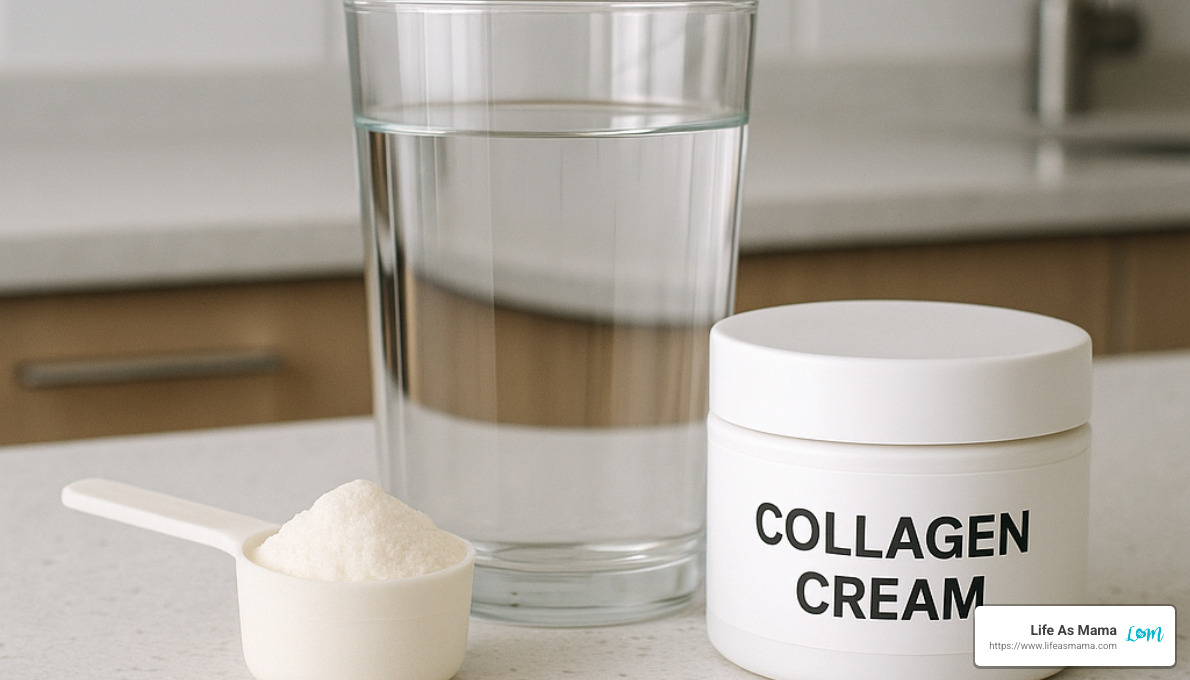
Oral collagen works from the inside out. When you consume it, your digestive system breaks it down into smaller peptides that enter your bloodstream and reach your skin. These peptides then stimulate your skin cells to produce more collagen naturally. It typically takes 8-12 weeks to see results, but these changes happen throughout your entire body—not just your face.
Topical collagen, on the other hand, faces a significant challenge: the skin barrier. Dermatologists refer to something called the “500-Dalton rule”—molecules larger than 500 Daltons simply can’t penetrate deeply into your skin. Collagen molecules are massive by comparison (15,000-50,000 Daltons), so they mostly sit on the surface.
While topical collagen products can temporarily hydrate and smooth your skin, they can’t penetrate deeply enough to stimulate collagen production or integrate into your skin’s existing collagen network.
A 2022 study in the Journal of Cosmetic Dermatology confirmed what many dermatologists have long suspected: participants taking oral collagen showed significantly greater improvements in skin elasticity and hydration compared to those using topical products.
| Aspect | Oral Collagen | Topical Collagen |
|---|---|---|
| Penetration | Reaches dermis via bloodstream | Limited to skin surface |
| Mechanism | Stimulates natural collagen production | Primarily moisturizes |
| Time to Results | 8-12 weeks | Immediate surface effects |
| Duration of Effects | Longer-lasting | Temporary |
| Scientific Evidence | Strong support from multiple RCTs | Limited evidence for structural benefits |
| Cost-Effectiveness | Better long-term value | Requires ongoing application |
Is Collagen for Skin Health Safe for Everyone?
While collagen for skin health is generally safe for most people, there are some important considerations to keep in mind.
If you have allergies, pay close attention to the collagen source. Those with fish or shellfish allergies should avoid marine collagen, beef allergies mean bovine collagen is off the table, and chicken or egg allergies make poultry-derived collagen problematic. Always check labels carefully if you have known food sensitivities.
Vegans and vegetarians should know that true collagen supplements come from animal sources. While some products market themselves as “plant-based collagen boosters,” these contain ingredients that may support your body’s natural collagen production but don’t actually contain collagen itself.
For expectant or nursing moms, the research is still limited. While no specific risks have been identified, I always recommend checking with your healthcare provider before starting any supplement during pregnancy or breastfeeding.
If you have kidney issues, approach with caution. People with kidney disease or impaired kidney function should talk to their nephrologist before starting collagen, as the kidneys process protein waste products.
The good news is that pure collagen supplements typically don’t interact with medications. However, some products contain additional ingredients like herbs or vitamins that might. Always review the full ingredient list and check with your doctor if you’re taking prescription medications.
“Most people tolerate collagen supplements very well,” says Dr. Elizabeth Bradley, Medical Director of the Center for Functional Medicine. “But as with any supplement, it’s always wise to start with a lower dose and gradually increase to assess your individual tolerance.”
Do Collagen Supplements Help Hair & Nails?
While we often focus on facial benefits, many of us wonder if collagen for skin health can also improve our hair and nails. Here’s what we know so far.
For hair, the connection is indirect but promising. Hair is primarily made of keratin, not collagen. However, collagen provides amino acids that help build hair proteins, maintains the health of the dermis around hair follicles, and may slow age-related thinning.
The research is still developing, but a 2018 study in the Journal of Cosmetic Dermatology found that women taking a supplement containing collagen peptides (along with other nutrients) showed improvements in hair volume, scalp coverage, and shine after 90 days. Since the supplement contained multiple ingredients, we can’t be 100% sure which component delivered the benefits.
For nails, the evidence is a bit stronger. A fascinating 2018 study found that taking just 2.5 grams of collagen daily for 24 weeks improved nail brittleness and growth rate. Participants experienced a 12% increase in nail growth, a 42% decrease in broken nails, and a remarkable 64% improvement for those with brittle nails. The main limitation was the lack of a placebo group for comparison.
“While we need more research, the existing studies on collagen for nail health are promising,” notes Dr. Chris Adigun, a board-certified dermatologist specializing in nail disorders. “The improvement in nail brittleness is particularly noteworthy, as this is a common complaint among my patients.”
Be patient if you’re taking collagen for hair and nail benefits—visible improvements typically take longer than skin changes, often requiring 3-6 months of consistent supplementation. This is simply due to the natural growth cycles of these tissues.
If you’re specifically interested in hair and nail benefits, look for collagen supplements that also contain biotin, silica, and vitamins C and E, as these nutrients work together to support keratin structures.
Lifestyle Hacks to Boost Collagen Without Pills
You don’t always need to reach for a supplement to support your skin’s collagen. Mother Nature (with a little help from modern science) offers plenty of natural ways to maintain that youthful glow. These approaches can work beautifully alongside supplements or stand alone for those who prefer a pill-free approach.
Retinoids are truly the skin’s best friend when it comes to collagen production. Dermatologists consistently rank these vitamin A derivatives as the gold standard for stimulating new collagen. Research shows prescription-strength tretinoin can boost collagen synthesis by an impressive 80% after just 12 weeks. If prescriptions aren’t your thing, over-the-counter retinol products work too—they’re gentler but still effective with regular use.
Sun protection might be the most underrated collagen-booster of all. I can’t stress this enough: wearing broad-spectrum SPF 30+ daily preserves the collagen you already have. One fascinating study showed regular sunscreen users had 24% less photoaging over four years compared to non-users.
“If you’re investing in collagen supplements but skipping sunscreen, you’re essentially filling a bucket with a hole in it,” explains dermatologist Dr. Shereene Idriss. That image always sticks with me when I’m tempted to skip my morning SPF!
Professional treatments like micro-needling create tiny, controlled injuries that prompt your skin to produce fresh collagen during healing. After 3-6 sessions, most people see noticeable improvements in wrinkles and skin texture. It’s like tricking your skin into thinking it needs repairs, and it responds by creating beautiful new collagen.
What you eat matters tremendously for collagen for skin health. A protein-rich diet provides your body with the amino acid building blocks needed to create collagen naturally. Aim for at least 0.8g of protein per kilogram of body weight daily, mixing up sources between lean meats, fish, eggs, beans, and dairy products.
Don’t underestimate the power of picking up those weights! Strength training increases protein synthesis throughout your entire body—including collagen production. Women who regularly strength train have been shown to maintain higher skin collagen levels than their sedentary peers, even at the same age. Just another reason to accept those dumbbells!
Red light therapy (those futuristic-looking panels or wands) uses specific wavelengths of light to stimulate collagen production right where you need it. A review of 31 different studies found consistent improvements in skin texture and wrinkle reduction with regular sessions.
Inflammation is collagen’s enemy, which is why an anti-inflammatory diet works wonders for skin health. The Mediterranean approach—rich in colorful fruits and vegetables, omega-3 fatty acids, and antioxidants—helps protect your existing collagen while supporting new production.
Beauty sleep isn’t just a saying—it’s science! During deep sleep phases, your body releases growth hormone that stimulates collagen synthesis. Aim for those 7-9 quality hours, and consider sleeping on your back to prevent those “sleep creases” that can gradually become permanent when collagen production slows.
These lifestyle approaches work differently than supplements—some boost your natural collagen factory, while others prevent the premature breakdown of what you already have. For best results, I’ve found combining several of these strategies creates a comprehensive approach to keeping skin firm and youthful.
Does Collagen for Skin Health Work Faster than Lifestyle Tweaks?
When comparing the speed of results between collagen for skin health supplements and lifestyle changes, it helps to have realistic expectations about timing for both approaches.
With collagen supplements, most people notice the first improvements in skin hydration around the 4-8 week mark. Changes in elasticity typically become apparent after 8-12 weeks, while visible wrinkle reduction usually takes 12 weeks or longer. A comprehensive review of studies found that most participants experienced significant improvements after taking collagen daily for about 8 weeks, with results continuing to improve through the 12-week mark.
Lifestyle approaches have their own timeline. Retinoids typically show initial improvements at 4-6 weeks, with more dramatic changes appearing after 12+ weeks of consistent use. Sun protection prevents damage immediately but takes 3-6 months of daily use to show visible improvements in overall skin quality. Dietary changes usually create subtle improvements after 4-8 weeks, while exercise boosts circulation for an immediate glow but takes months for structural changes.
The truth is, neither approach offers overnight change. Both require patience and consistency. The key differences lie in how they work:
Supplements deliver concentrated collagen peptides directly to your system, while lifestyle changes support your body’s natural processes and address multiple aspects of skin health simultaneously.
I’ve found in my own skincare journey that these approaches work best together rather than separately. This isn’t just personal experience—research backs it up. A fascinating clinical trial showed that people who combined collagen supplements with healthy eating, sun protection, and regular exercise experienced 38% greater improvements in skin elasticity than those relying on supplements alone.
“I tell my patients to think of collagen supplements as part of a comprehensive skin health strategy, not a magic bullet,” says dermatologist Dr. Papri Sarkar. “The supplements may jump-start your results, but lifestyle habits sustain them long-term.”
For realistic expectations, your results will depend on several factors. Your genetics, age, starting collagen levels, and overall health all influence how quickly you’ll see changes. Consistency matters more than speed—both approaches require daily commitment for lasting benefits.
For busy moms (and I know how precious time is!), finding the right balance is key. I recommend starting with simple changes like daily sunscreen and gradually adding other elements—perhaps including a collagen supplement if it fits your budget and preferences. This approach provides the most manageable path to healthier, more radiant skin while fitting into your family-focused lifestyle.
Want more family-friendly wellness tips that fit seamlessly into your busy life? Check out our celebration-ready wellness tips that help you look and feel your best without sacrificing precious family time.
Frequently Asked Questions about Collagen for Skin Health
How long before I see visible skin benefits?
If you’re starting your collagen for skin health journey, you’re probably wondering when you’ll start seeing results in the mirror. The truth is, good things take time!
Most people notice the first subtle improvements in skin hydration around the 4-week mark – your skin might feel a bit more supple and moisturized. But for those more significant changes like improved elasticity and fewer visible wrinkles, you’ll need to stick with it for 8-12 weeks.
“I tell my clients to think of collagen supplementation as a marathon, not a sprint,” says dermatologist Dr. Melissa Kanchanapoomi Levin. “The most impressive before-and-after results come from people who have been consistent with their collagen routine for 3-6 months.”
What’s interesting is that the benefits actually continue building over time. Research shows that improvements at the 12-week mark are typically more pronounced than at 8 weeks. Your skin is gradually rebuilding its support structure from within, which simply can’t happen overnight.
The key is consistency – taking your supplement daily creates the steady environment your skin needs to improve its natural collagen production. Many of my mom friends keep their collagen by their coffee maker or tea kettle as a visual reminder to take it each morning!
What type of collagen is best for beauty results?
When it comes to choosing the right collagen for skin health, Types I and III are your skin’s best friends. Type I makes up about 90% of your skin’s natural collagen and provides that crucial structural support, while Type III works alongside it to maintain elasticity.
Marine collagen (from fish) has gained popularity for skin benefits because it’s primarily Type I collagen and has smaller peptide particles that your body may absorb more easily. In fact, a 2023 meta-analysis found that marine collagen showed slightly better hydration improvements than bovine collagen, though both effectively supported overall skin health.
Bovine (cow) collagen is another excellent option that won’t break the bank. It naturally contains both Types I and III, making it a comprehensive choice for skin support.
If you’re seeing chicken collagen on labels, know that it’s predominantly Type II, which targets joint health more than skin benefits. Some multi-collagen formulas combine different sources for broader benefits, which can be great if you’re looking to support both skin and joints.
When shopping for your collagen, look for these key features:
– Hydrolyzed collagen peptides (these smaller molecules are more easily absorbed)
– Types I and III collagen specifically mentioned on the label
– Clean ingredient list without unnecessary fillers
– Third-party testing for purity (this ensures you’re getting what you pay for)
As nutritionist Jennifer Hanway explains, “The molecular weight of the collagen peptides is actually more important than the source. Smaller peptides—under 5,000 Daltons—are more easily absorbed and used by the body, regardless of whether they come from marine or bovine sources.”
Can I take collagen with other supplements like vitamin C?
Not only can you take vitamin C with your collagen for skin health – it’s actually a match made in beauty heaven! Vitamin C is like collagen’s best supporting actor, serving as a critical co-factor that your body needs to produce collagen effectively.
When you pair these two together, they create a synergistic effect that can improve your results. A 2014 study in Skin Pharmacology and Physiology found that combining collagen peptides with vitamin C improved skin elasticity more effectively than taking collagen alone. The vitamin C helps stabilize collagen’s structure and activates key enzymes involved in producing new collagen.
Beyond vitamin C, collagen plays nicely with several other supplements:
Hyaluronic acid helps your skin retain moisture, complementing collagen’s structural benefits – like having both good foundation and hydration in your skincare routine.
Biotin supports healthy hair and nails alongside collagen’s skin benefits, making it a great pairing for all-over beauty support.
Zinc and copper are minerals your body requires for collagen synthesis, so they’re helpful teammates in your supplement routine.
Antioxidants like vitamin E help protect your existing collagen from damage – they’re like the security guards for the collagen you already have.
There are a few timing considerations to keep in mind. If you take calcium supplements, try to separate them from collagen by at least 2 hours since they may compete for absorption. Similarly, iron supplements might reduce collagen absorption if taken at the same time.
“I recommend taking collagen with vitamin C either in the morning with breakfast or before bed,” suggests registered dietitian Jess Cording. “The morning routine pairs well with citrus fruits or a vitamin C supplement, while the evening routine may support overnight skin repair processes.”
As a busy mom, I find it easiest to mix my collagen into my morning smoothie along with some berries for natural vitamin C – two birds with one stone! But always check with your healthcare provider before starting any new supplement combination, especially if you’re taking prescription medications or have underlying health conditions.
Conclusion
Throughout this guide, we’ve explored the science behind collagen for skin health and finded how this remarkable protein helps maintain that youthful glow we all desire. From understanding collagen’s essential role in skin structure to exploring evidence-based supplementation strategies, we’ve uncovered the many ways collagen benefits your skin.
The research speaks for itself: when used consistently as part of a thoughtful skin health routine, collagen supplementation can significantly improve hydration, elasticity, and overall appearance. Whether you choose a high-quality supplement, focus on collagen-boosting lifestyle practices, or combine both approaches (which I personally recommend!), supporting your body’s collagen network is one of the smartest investments you can make in your skin’s future.
I know that as busy moms juggling family responsibilities, careers, and personal well-being, elaborate skincare routines simply aren’t realistic. That’s why I’ve emphasized approaches that seamlessly fit into your daily life—stirring collagen powder into your morning coffee, being diligent about sun protection, or including collagen-supporting foods in family meals you’re already preparing.
Skin health is a journey, not a destination. The benefits of collagen support build gradually over time, and consistency matters more than perfection. Start with one or two sustainable changes and build from there as they become habit.
At Life As Mama, we’re committed to helping you steer the sometimes overwhelming world of wellness with evidence-based information that respects your busy lifestyle. Taking care of yourself isn’t selfish—it’s essential for being the best version of yourself for those you love.
Whether you’re preparing for a special celebration or simply embracing the everyday moments of motherhood, healthy, glowing skin can give you that extra boost of confidence when you need it most. By supporting your natural collagen production, you’re investing not just in your appearance but in your overall vitality and well-being.
For more family-friendly wellness tips and celebration-ready beauty advice that actually works for busy moms, visit our celebrations section where we share practical ways to look and feel your best for life’s special moments.
Here’s to your radiant skin and the beautiful life you’re creating—one collagen molecule at a time!
Related Images:

Amanda Schmitt
Latest posts by Amanda Schmitt (see all)
- Fruit Infused Waters That Make Summer Hydration Fun - July 1, 2025
- Light Up Your Life: Home Lighting Decoration Ideas - June 30, 2025
- Let’s Taco Party! Easy Steps for a Perfect Taco Bar Setup - June 27, 2025