Motherhood and Moms Lifestyle – Live like a Mom | LifeAsMama
  • Motherhood
  • Pregnancy
  • Beauty
  • Health
  • Kids
    • Baby
    • Toddler
    • Little Kid
    • Pre-Teen
    • Teenager
    • Adoption
  • Lifestyle
    • Career
    • Beauty & Style
    • Home
    • Inspirational
    • Food
    • Fitness
    • Travel
  • DIY
    • Printable Coloring Pages
    • Crafts
    • Design
    • Holiday
  • Contact Us
Ask A Doc

Ask A Doc: I Found A Tick On My Child, Will They Get Lyme Disease?

by Guest Post July 19, 2016
by Guest Post 1.6K views
1.6K


Tick = Time bomb?

When is a freckle not a freckle? If you’ve ever seen a little black dot on your child where you know one wasn’t, welcome to the scary world of ticks.

Ticks are more common in the months kids are outside. With Pokemon Go, the good news that they’re more likely to be outdoors means we all need to know what to do with the tick. Fortunately, despite the media, tick attachment truly isn’t a ticking lyme bomb. While Lyme disease is becoming more common, chances are less than 1% of getting it even from a tick that’s been there a while.


shutterstock_353256131

Lyme is more commonly transmitted in the spring and early summer by nymphs. Adult ticks are the culprits in the fall, but they’re less likely to transmit Lyme because they’re bigger and easier to see and get off.

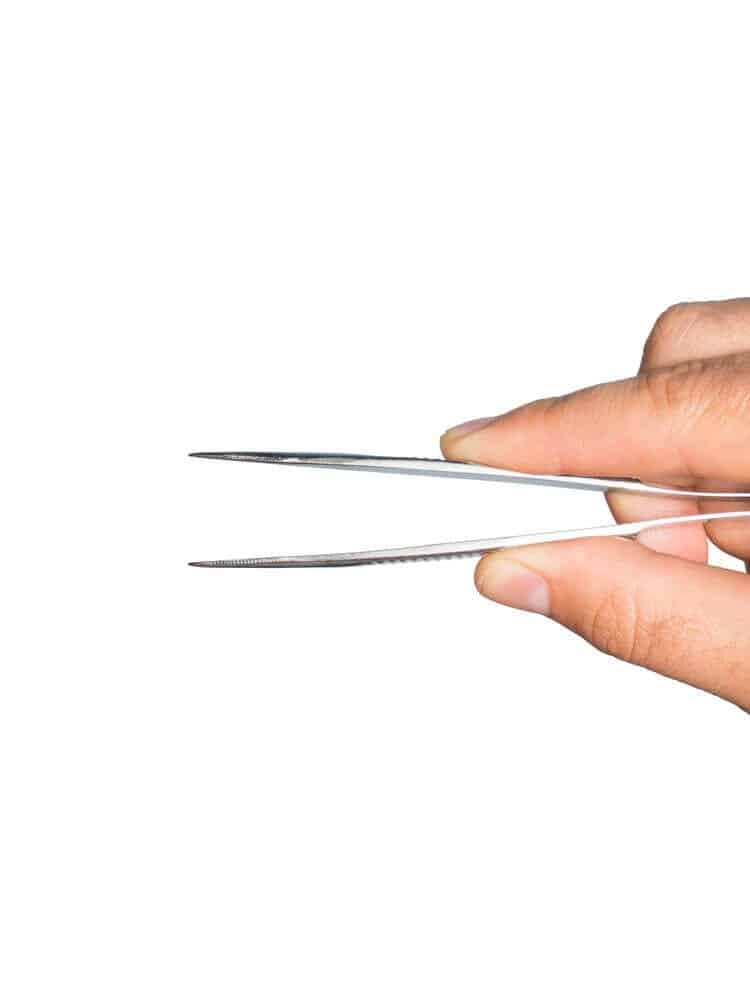
Time IS of the essence: if you see a tick, get it off as soon as possible yourself, don’t go to an emergency room. Ticks rarely transmit disease when they’re attached less than 48 hours. In fact, only 1% in one study got Lyme when the tick was on less than 3 days.1 The nymphal form of the ticks are the size of a poppy seed. Take tiny tweezers, firmly grab the tick by the head, and pull straight off with firm slow pressure. If a tick has gotten fat, it’s been feeding and the risk of prolonged attachment is more. Avoid squeezing while you pull, clean with soap and water after the tick is off.

Most places recommend watching for the 30 days to see if target-like red rashes develop, and starting antibiotics if so. However, if you’re in a Lyme-frequent area (see the CDC map here), it gets fuzzier.

For children who are 8 and older, a single dose of 4mg/kg doxycycline up to 200 mg reduces the risk of developing Lyme. Since it’s pretty uncommon to develop lyme disease from a single tick, studies to prove antibiotics help have to be HUGE to find a benefit. Existing studies aren’t really solid, but if you are in a heavy Lyme area and the tick was fat (or known to be on more than 48 hours), one dose is probably a good idea. If you’re younger than 8, the tick wasn’t fat, or outside the region, the best medicine right now is to wait and see. Often MDs will prescribe amoxicillin if a rash develops, but there’s a lot of leeway here.

Blood tests aren’t recommended after a tick bite, most people won’t need antibiotics, and while you can save the tick to compare it to pictures to see if it really IS an Ixodes tick, testing the tick itself isn’t recommended. The most important thing to know is that if you get a tick off quickly, you’re probably out of the woods. See what I did there?

1. Duration of tick attachment as a predictor of the risk of Lyme disease in an area in which Lyme disease is endemic. Sood SK, Salzman MB, Johnson BJ, Happ CM, Feig K, Carmody L, Rubin LG, Hilton E, Piesman J J Infect Dis. 1997;175(4):996.


Author Bio

tina is a work-from-home freelance writer and a mom to a toddler boy who challenges her ability to cope with her household and her freelancing career on a daily basisAmy Baxter MD is a pediatric emergency physician and inventor of Buzzy Pain Relief.  She lectures nationally and internationally on needle phobia, pain management, sedation, and child abuse.


Related Images:


  • Bio
  • Latest Posts
Guest Post

Guest Post

Guest Post

Latest posts by Guest Post (see all)

  • 23 Luminous Ways To Spruce Up Your Bedroom - July 10, 2025
  • 4 Easy Ways To Take Care Of Your Feet During Pregnancy - December 28, 2018
  • 6 Fun Activities That Will Get Your Family Into The Holiday Spirit - December 18, 2018
ask a docdoctorlyme diseasepokemon gotick
1 FacebookTwitterPinterestEmail

You may also like

Shrink Your Mommy Pooch: Top Exercises!

4 Important Things To Know About Your Child’s...

The No-Panic Guide to Kids Dental Emergencies

Ask A Doc: Why Is My Child Constipated?

Ask A Doc: Do I Need To Brush...

Ask A Doc: How Do I Get My...

01andreas1973
Guest Post

previous post
13 Fun Products To Help You Celebrate National Watermelon Day
next post
8 Fun “Mr. & Mrs.” Products For Married Couples

Search

Trending

  • 20 DIY Easter Centerpieces That Aren’t Just for Kids

  • 18 Adult Birthday Party Themes for a Sophisticated Celebration

  • 20 Classic Orange & Black Halloween Traditional Ideas with Modern Twists

  • Digital Detox Home: 15 Screen-Free Family Activity Corners

  • Facebook
  • Instagram
  • Pinterest
Footer Logo
  • DMCA Policy
  • Contact Us

@2024 - All Right Reserved. Designed and Developed by LifeAsMama


Back To Top
Motherhood and Moms Lifestyle – Live like a Mom | LifeAsMama
  • Motherhood
  • Pregnancy
  • Beauty
  • Health
  • Kids
    • Baby
    • Toddler
    • Little Kid
    • Pre-Teen
    • Teenager
    • Adoption
  • Lifestyle
    • Career
    • Beauty & Style
    • Home
    • Inspirational
    • Food
    • Fitness
    • Travel
  • DIY
    • Printable Coloring Pages
    • Crafts
    • Design
    • Holiday
  • Contact Us

Understanding Lyme Disease Risk

When a tick is discovered on your child, one of the first concerns is the potential for Lyme disease. Lyme disease is caused by the bacterium Borrelia burgdorferi and is primarily transmitted through the bites of infected ticks. While the risk of contracting Lyme disease from a single tick bite is relatively low, especially if the tick is removed promptly, understanding the symptoms and risks associated with Lyme disease is essential for parents.

It's crucial to monitor your child for signs of Lyme disease after a tick bite, which can include rash, fever, or other flu-like symptoms. In the early stages, Lyme disease can be effectively treated with antibiotics. However, if left untreated, it can lead to more severe complications, so awareness and vigilance are key.

What To Do If You Find a Tick

If you find a tick on your child, it’s vital to act quickly to minimize the risks associated with tick bites. The first step is to use fine-tipped tweezers to grasp the tick as close to the skin's surface as possible. Pull upward with steady, even pressure to remove the tick entirely; avoid twisting or jerking, as this might cause parts of the tick to break off and remain in the skin.

After removal, thoroughly clean the bite area and your hands with rubbing alcohol, an iodine scrub, or soap and water. Monitoring the bite site for any signs of redness or swelling is essential, as these could indicate an infection or tick-borne illness. If your child shows any concerning symptoms, especially if you live in an area where Lyme disease is prevalent, it’s important to consult a healthcare provider for guidance and possible testing.

Prevention Strategies

Prevention is paramount when it comes to protecting children from tick bites and the potential risks associated with them. Dressing your child in light-colored clothing can help you spot ticks more easily. Additionally, applying insect repellent that is effective against ticks can create a protective barrier, especially during outdoor activities in areas known for tick populations.

Regularly checking your child's skin for ticks after being outside is a key strategy for removal before any potential transmission of diseases occurs. Teaching your family about ticks—where they live, how they attach, and when they are most active—can empower everyone to take proactive measures. Ultimately, a multifaceted approach to prevention can significantly reduce the likelihood of tick bites and associated illnesses.

Understanding Lyme Disease Risk

When a tick is discovered on your child, one of the first concerns is the potential for Lyme disease. Lyme disease is caused by the bacterium Borrelia burgdorferi and is primarily transmitted through the bites of infected ticks. While the risk of contracting Lyme disease from a single tick bite is relatively low, especially if the tick is removed promptly, understanding the symptoms and risks associated with Lyme disease is essential for parents.

It's crucial to monitor your child for signs of Lyme disease after a tick bite, which can include rash, fever, or other flu-like symptoms. In the early stages, Lyme disease can be effectively treated with antibiotics. However, if left untreated, it can lead to more severe complications, so awareness and vigilance are key.

What To Do If You Find a Tick

If you find a tick on your child, it’s vital to act quickly to minimize the risks associated with tick bites. The first step is to use fine-tipped tweezers to grasp the tick as close to the skin's surface as possible. Pull upward with steady, even pressure to remove the tick entirely; avoid twisting or jerking, as this might cause parts of the tick to break off and remain in the skin.

After removal, thoroughly clean the bite area and your hands with rubbing alcohol, an iodine scrub, or soap and water. Monitoring the bite site for any signs of redness or swelling is essential, as these could indicate an infection or tick-borne illness. If your child shows any concerning symptoms, especially if you live in an area where Lyme disease is prevalent, it’s important to consult a healthcare provider for guidance and possible testing.

Prevention Strategies

Prevention is paramount when it comes to protecting children from tick bites and the potential risks associated with them. Dressing your child in light-colored clothing can help you spot ticks more easily. Additionally, applying insect repellent that is effective against ticks can create a protective barrier, especially during outdoor activities in areas known for tick populations.

Regularly checking your child's skin for ticks after being outside is a key strategy for removal before any potential transmission of diseases occurs. Teaching your family about ticks—where they live, how they attach, and when they are most active—can empower everyone to take proactive measures. Ultimately, a multifaceted approach to prevention can significantly reduce the likelihood of tick bites and associated illnesses.