How Much Weight Can You Lose in a Month? 5 Shocking Facts
How to Set Realistic Monthly Weight Loss Goals
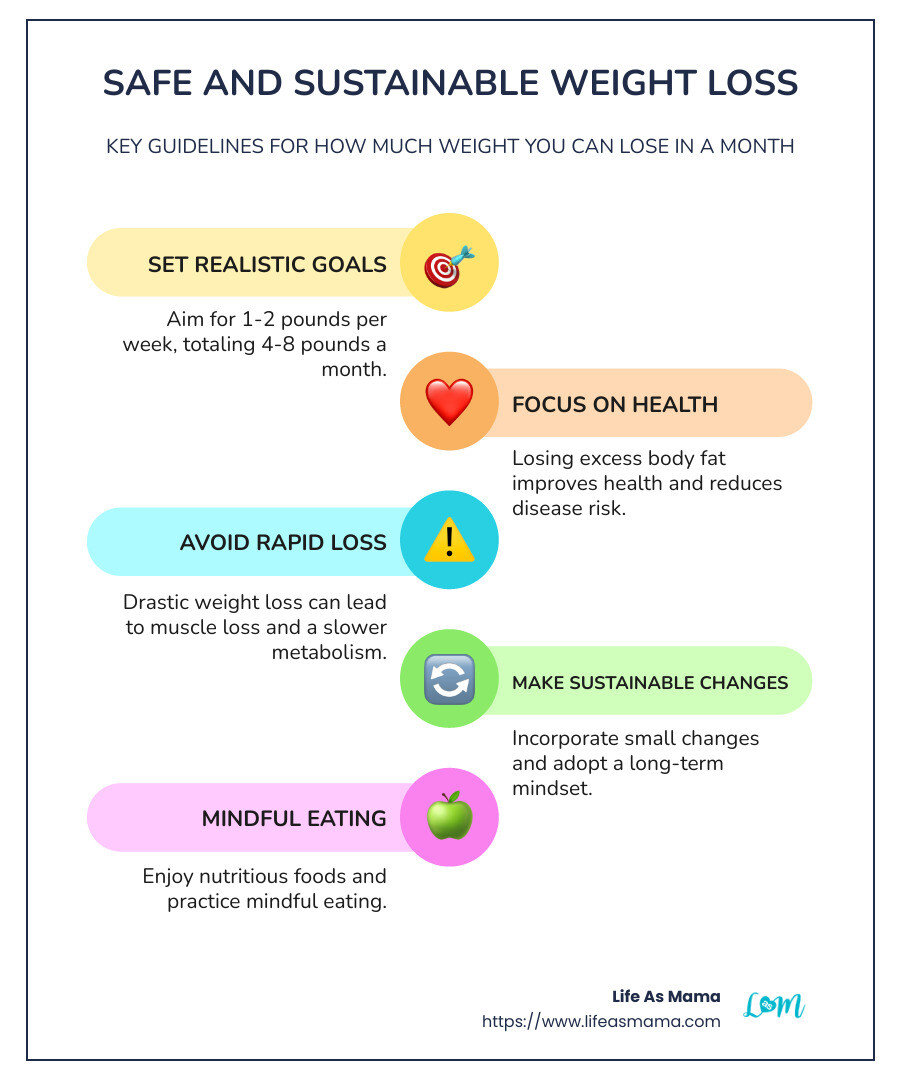
When it comes to how much weight can you lose in a month, achieving steady and sustainable results is key. Experts generally recommend aiming for a loss of 1-2 pounds per week, which adds up to 4-8 pounds a month. This approach not only lowers the risk of health complications but also aids in keeping the weight off long-term.
Setting realistic weight loss goals is essential for success. Losing excess body fat can boost your health dramatically, improving mobility and reducing the risk of diseases like cancer, heart disease, and diabetes. However, it’s crucial to remember that drastic, rapid weight loss can be counterproductive, leading to muscle loss, increased appetite, and a slower metabolism. So, the focus should be on creating manageable, sustainable changes.
I’m Amanda Schmitt, an expert in breaking down intricate topics into simple terms. My work at Life As Mama involves supporting families in their health journeys. With over a decade in healthcare, I’ve seen the benefits and pitfalls of weight loss strategies. Knowing how much weight can you lose in a month helps in setting healthy expectations and sticking to them.
Learn more about how much weight can you lose in a month:
– diet plan for weight loss
– weight loss programs
– weight loss calculator
How Much Weight Can You Lose in a Month?
When it comes to how much weight can you lose in a month, it’s important to aim for a safe and sustainable pace. Experts, like Sarah Gold Anzlovar, M.S., RDN, suggest that losing 1-2 pounds per week is ideal. This means you could expect to lose 4-8 pounds in a month.
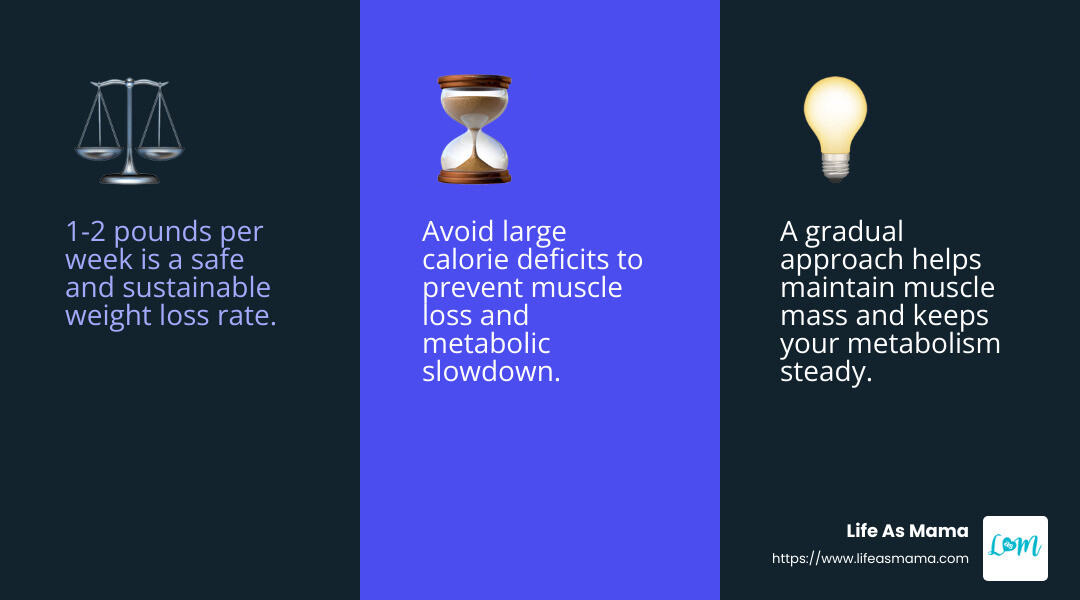
Why is this range considered safe? It’s because losing weight too quickly can lead to losing muscle and water instead of fat. This isn’t just less effective for long-term weight loss, but it can also harm your metabolism. Megan Ostler, M.S., RDN, warns that a large calorie deficit might cause your body to break down muscle for energy, which can slow your metabolism.
The Science Behind Safe Weight Loss
Your body is smart. It knows when it’s not getting enough fuel. If you cut calories too drastically, your body might think it’s starving. This can slow down your metabolism as your body tries to conserve energy. That’s why experts recommend a gradual approach.
1-2 pounds per week might not sound like much, but it’s a pace that’s more likely to lead to lasting results. This approach helps you maintain muscle mass and keeps your metabolism steady. Plus, it’s more manageable and less stressful than extreme dieting.
Why Not More?
While it’s tempting to aim for more, losing more than 8 pounds in a month often involves unhealthy practices. Quick fixes like crash diets might show fast results on the scale, but they usually don’t last. You’ll often regain the weight, and sometimes even more, once you stop the diet.
The goal is not just to lose weight but to keep it off. By focusing on 1-2 pounds per week, you’re setting yourself up for success in the long run.
In the next section, we’ll explore the factors that can affect how quickly or slowly you lose weight. Understanding these can help you tailor your approach to your unique situation.
Factors Affecting Weight Loss
When it comes to weight loss, several factors can influence how quickly or slowly you shed those pounds. Understanding these can help you tailor your weight loss plan to suit your individual needs.
Age
As we age, our metabolism tends to slow down. This means our bodies burn calories less efficiently, making weight loss a bit more challenging. Older adults might need to focus more on strength training to maintain muscle mass, which can help boost metabolism.
Gender
Men and women lose weight differently. Generally, men tend to have more muscle mass, which helps them burn calories faster. This can make weight loss a bit easier for them compared to women, who naturally have a higher body fat percentage.
Calorie Intake
The number of calories you consume plays a significant role in weight loss. To lose weight, you need to create a calorie deficit, meaning you burn more calories than you consume. However, it’s crucial to avoid extreme calorie restriction, which can slow your metabolism and make it harder to keep the weight off in the long run.
Activity Levels
Your level of physical activity greatly impacts your weight loss journey. Regular exercise not only helps burn calories but also maintains or builds muscle mass. Activities like running, swimming, and cycling are excellent options to improve your calorie burn.
Health Conditions
Certain health conditions can affect weight loss. Conditions like hypothyroidism can slow metabolism, making weight loss more difficult. On the other hand, conditions like hyperthyroidism might cause unintentional weight loss. Always consult with a healthcare provider to understand how your health status might impact your weight loss efforts.
Tailoring Your Approach
Recognizing these factors can help you create a more personalized weight loss plan. For instance, if you’re older, incorporating strength training can be beneficial. If you’re dealing with a health condition, working closely with a healthcare provider or a registered dietitian can ensure your approach is safe and effective.
In the next section, we’ll dig into the risks associated with rapid weight loss and why a steady pace is often the best course of action.
Risks of Rapid Weight Loss
Losing weight quickly might sound appealing, but it comes with significant risks. Let’s look at why taking it slow and steady is often the healthier choice.
Muscle Loss
When you lose weight too quickly, your body doesn’t just shed fat. It often sacrifices muscle mass as well. Muscle is crucial because it helps you burn more calories even at rest. Losing muscle can slow down your metabolism, making it harder to keep the weight off in the long term.
Metabolic Rate
Your metabolic rate is the number of calories your body needs to function. Extreme calorie restriction can lower your metabolic rate, meaning your body burns fewer calories. This makes it easier to gain weight back once you resume normal eating habits.
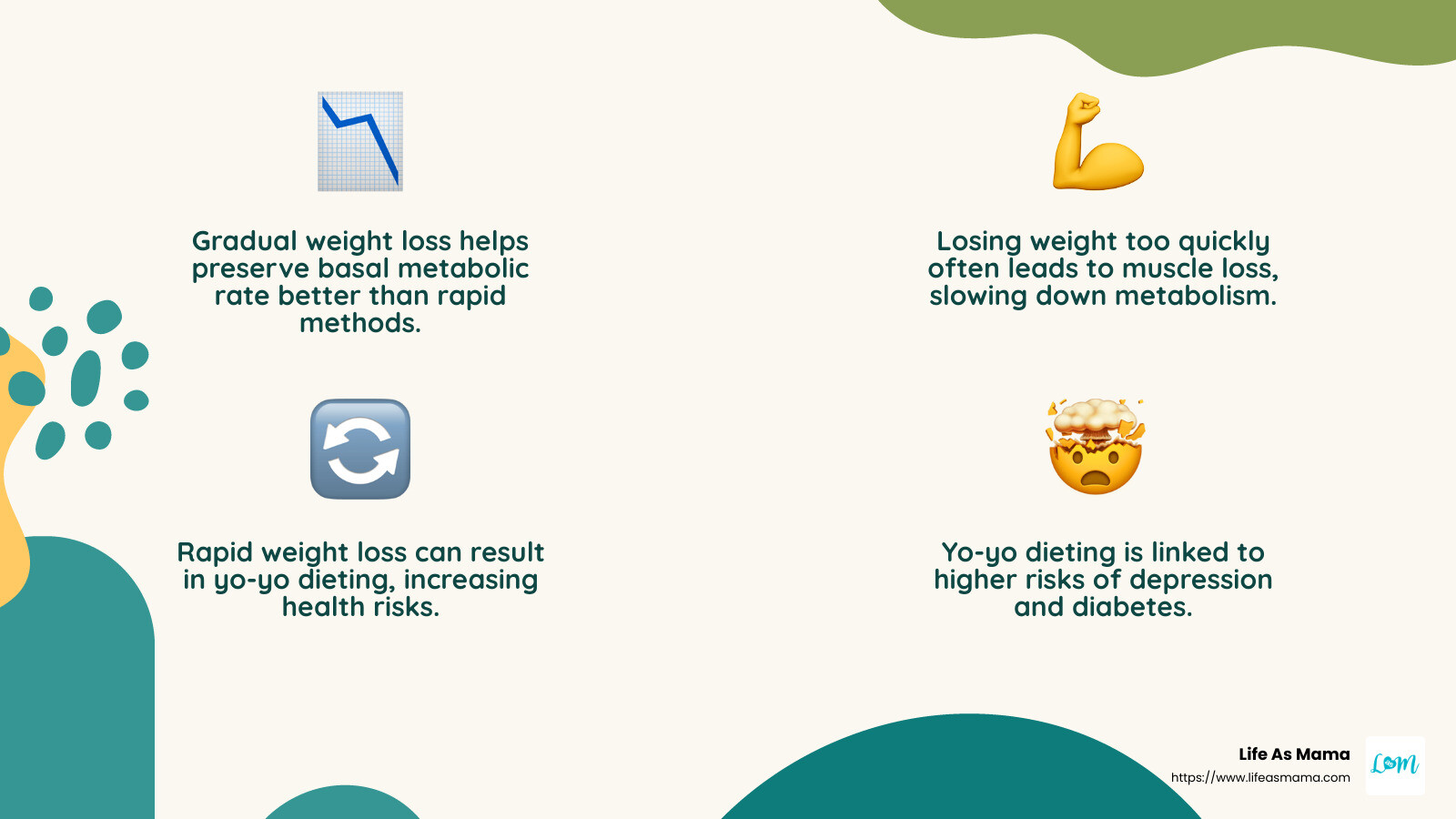
A study comparing gradual and rapid weight loss found that slower weight loss helped preserve your basal metabolic rate (BMR) better than faster methods.
Yo-Yo Dieting
Rapid weight loss often leads to yo-yo dieting, a cycle of losing and regaining weight. This cycle can be harmful to your health. It’s linked to an increased risk of conditions like depression and diabetes. Moreover, the frustration of regaining weight can lead to emotional distress and a negative relationship with food.
What can you do instead?
- Focus on losing 1-2 pounds per week. This rate is generally considered safe and sustainable.
- Incorporate strength training to maintain muscle mass.
- Eat a balanced diet rich in nutrients to support your body’s needs.
- Avoid extreme calorie restriction to keep your metabolism healthy.
By understanding the risks of rapid weight loss, you can make informed choices that support your health and long-term success. In the next section, we’ll explore tips for sustainable weight loss that can help you achieve your goals without sacrificing your well-being.
Tips for Sustainable Weight Loss
Achieving and maintaining a healthy weight is more about making small, consistent changes than drastic overhauls. Let’s explore some effective strategies to help you on this journey.
Small Changes
Small changes can have a big impact over time. Instead of overhauling your entire lifestyle, try:
- Adding an extra serving of vegetables to your meals.
- Swapping sugary drinks for water or herbal tea.
- Walking for 10 minutes after meals to boost activity levels.
These small steps are easier to stick with and can lead to lasting results.
Nutritious Foods
Focus on eating nutrient-dense foods rather than cutting calories drastically. Fill your plate with:
- Fruits and vegetables for vitamins and fiber.
- Whole grains to keep you full longer.
- Lean proteins like fish, beans, or chicken to support muscle health.
Limiting processed foods and sugary beverages can also make a significant difference.
Long-Term Mindset
Think of weight loss as a marathon, not a sprint. Adopting a long-term mindset helps you focus on sustainable habits rather than quick fixes:
- Understand that weight can fluctuate over time, and that’s normal.
- Focus on body composition—building muscle and reducing fat—instead of just the number on the scale.
This mindset shift can lead to more satisfaction and less frustration.
Mindful Eating
Mindful eating encourages you to pay attention to your body’s hunger and fullness cues. Try these tips:
- Eat slowly and savor each bite.
- Avoid distractions like TV or phones during meals.
- Listen to your body—eat when you’re hungry and stop when you’re full.
Practicing mindful eating can reduce overeating and improve your relationship with food.
By implementing these tips, you can create a sustainable path to weight loss that supports your health and well-being. In the next section, we’ll tackle some frequently asked questions about monthly weight loss to address common concerns and misconceptions.
Frequently Asked Questions about Monthly Weight Loss
Can I lose 20 pounds in a month?
Losing 20 pounds in a month is an ambitious goal and generally not recommended. Rapid weight loss can pose significant health risks, including muscle loss and a slower metabolism. According to experts like Sarah Gold Anzlovar, losing more than 8 pounds in a month often means you’re losing water weight, not fat. This can lead to yo-yo dieting, where you regain the weight quickly after stopping the diet.
Extreme weight loss methods can also lead to nutritional deficiencies and mental stress. It’s important to focus on sustainable practices that promote long-term health rather than quick fixes.
Is it realistic to lose 10 pounds in a month?
Losing 10 pounds in a month might be achievable for some, especially if they have a higher starting weight or are making significant lifestyle changes. However, it still borders on the upper limit of what’s considered safe and sustainable. Many healthcare providers recommend aiming for a weight loss of 4-8 pounds per month to ensure that the loss is primarily fat, not muscle or water.
Rapid weight loss can be difficult to maintain and often leads to regaining the weight. Instead, focus on creating a balanced diet and exercise routine that you can stick with over time.
How much weight loss is noticeable?
The amount of weight loss that’s noticeable can vary from person to person. On average, losing 5-10% of your body weight can lead to physical changes that others might notice. For some, this might mean that clothes fit better or that they feel more comfortable in their bodies.
However, remember that weight loss isn’t just about what you see in the mirror. Improvements in health markers, like blood pressure and energy levels, are also significant benefits of losing weight.
In summary, when considering how much weight you can lose in a month, focus on sustainability and health rather than quick results. This approach not only supports your physical health but can also lead to lasting changes in your overall well-being.
In Conclusion: Embracing Weight Loss on Your Journey as a Mom
When it comes to weight loss, the key is sustainability. Quick fixes might offer immediate results, but they often lead to disappointment and health risks down the line. Instead, focusing on small, consistent changes can lead to lasting success.
At Life As Mama, we believe in empowering you to make informed choices that benefit your whole family. Embracing a balanced lifestyle that includes nutritious foods, regular exercise, and mindful eating habits can transform not just your weight, but your overall well-being. Weight loss is a journey, not a race.
Our platform is committed to providing practical, family-friendly guides to help you on this journey. Whether you’re looking for delicious recipes or tips on celebrating life’s special moments, we’re here to support you every step of the way.
For more tips and resources on supporting your weight loss goals, check out our Top Keto Shakes for Weight Loss Reviewed. Together, let’s focus on creating a lifestyle that’s not only healthy but also enjoyable and sustainable.
Related Images:

Amanda Schmitt
Latest posts by Amanda Schmitt (see all)
- 20+ First Day of School Traditions to Make the Day Special - August 23, 2026
- Fruit Infused Waters That Make Summer Hydration Fun - July 1, 2025
- Light Up Your Life: Home Lighting Decoration Ideas - June 30, 2025