How Soon Can You Travel Internationally with a Newborn: Top Tips for 2025
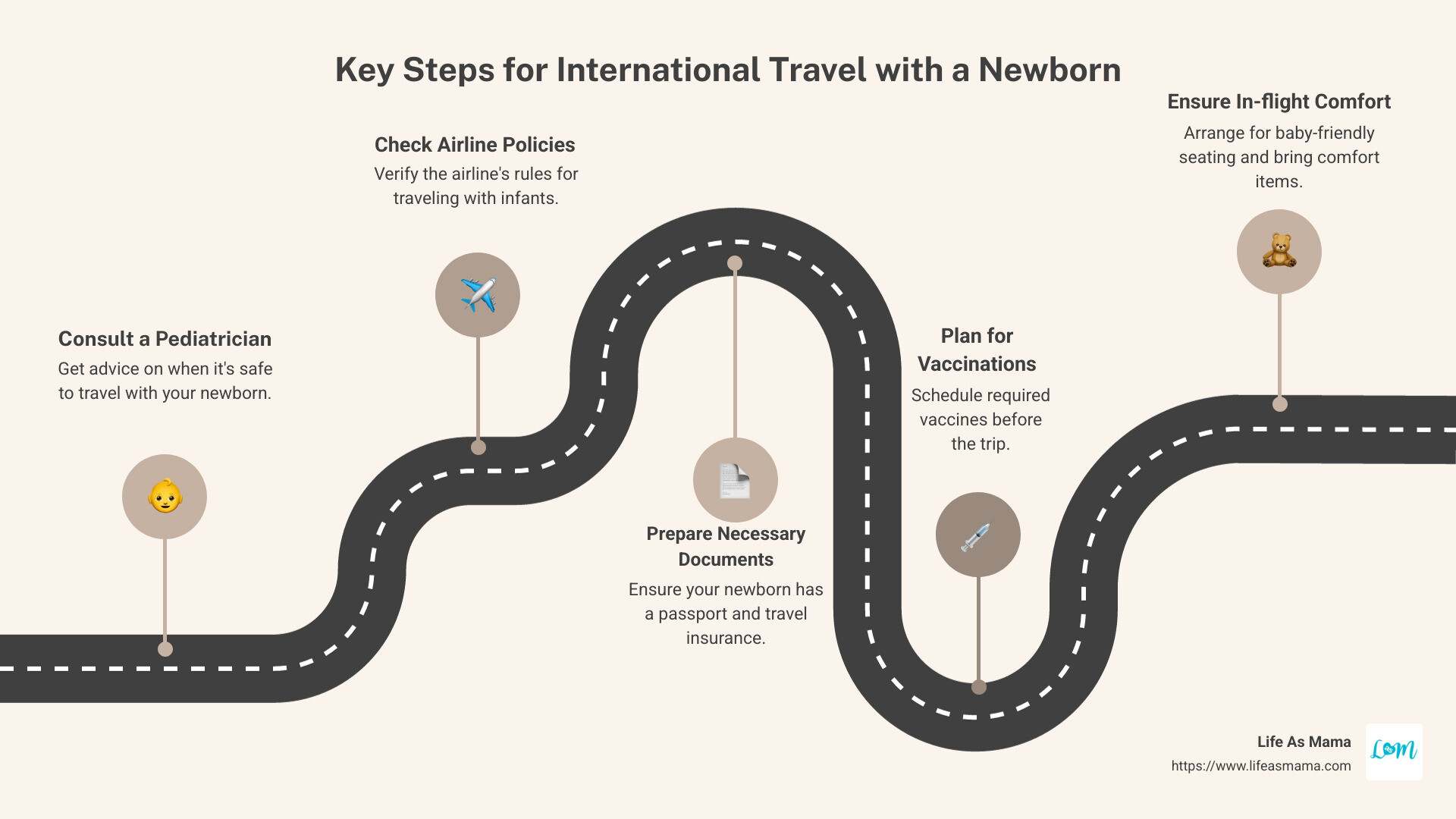
How soon can you travel internationally with a newborn? Parents often wonder about the best time to set off on an international trip with their newest family member. While many dream of showing their infant the world, wait until the right moment. Pediatricians generally recommend waiting until your baby is at least 2 to 3 months old to give their immune system time to develop. After this point, many families find that road trips, domestic flights, and even international journeys are not only possible but wonderfully rewarding.
Traveling with a newborn might seem intimidating at first, but with the right preparation, it opens up a world of new perspectives and priceless family memories. Whether you’re eyeing a serene retreat in the South of France or an exploration of the cobbled streets of Tuscany, international travel with an infant can be a uniquely fulfilling experience.
My name is Amanda Schmitt, and I’ve transitioned from a career in healthcare to dedicate my time to helping families steer the many stages of parenthood. With personal insights and professional knowledge, I’ll guide you through considering how soon can you travel internationally with a newborn to ensure a smooth start to your family’s travel trips.
How soon can you travel internationally with a newborn terms to know:
– how soon can i travel with a newborn by car
– tips for air travel with infant
How Soon Can You Travel Internationally with a Newborn?
Pediatrician Advice:
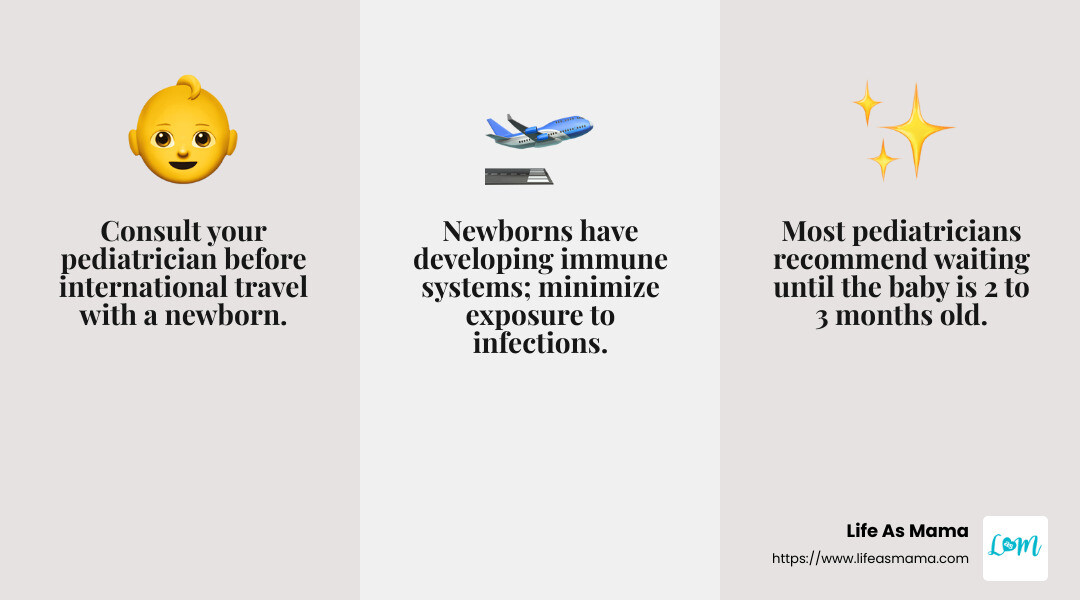
Before booking that flight to Paris or planning a stroll through London’s parks, consult your pediatrician. Most pediatricians suggest waiting until your baby is at least 2 to 3 months old before starting on international travel. This waiting period allows your baby’s immune system to develop, offering better protection against the germs and illnesses they might encounter while traveling.
Understanding the Immune System:
In those first few months, your newborn’s immune system is still learning how to defend against germs. While adults and babies face similar risks of exposure to illnesses during travel, infants can be more vulnerable. Their bodies are still building defenses, so it’s crucial to minimize exposure to potential infections. Hence, the advice to wait a bit longer before taking your baby on an international trip.
Airline Policies:
Airlines have their own rules regarding traveling with infants. Typically, most airlines allow infants as young as two weeks old to fly, but policies can vary. It’s a good idea to check with your chosen airline about specific requirements or restrictions. Many airlines permit infants to fly on a caregiver’s lap, but the Federal Aviation Administration recommends using a certified safety seat for added protection.
Planning Ahead:
When planning your trip, consider factors like flight duration and the health of your baby. Shorter flights might be more manageable initially to gauge how your baby handles air travel. Also, be mindful of your own health and energy levels, as traveling with a newborn can be tiring.
By aligning with professional guidance and considering these factors, you can confidently decide how soon can you travel internationally with a newborn and start planning your family’s first big trip.
Preparing for Your Newborn’s First International Trip
Getting ready for your newborn’s first international trip involves some important steps. With a little preparation, you’ll be well on your way to a smooth journey.
Passport Requirements
Your baby needs a passport just like every other traveler. To get started, obtain your newborn’s official birth certificate and social security number as soon as possible. You’ll need these documents to apply for a passport.
- Complete Form DS-11: Fill out the application form but don’t sign it until instructed to do so at your appointment.
- Passport Photos: Take your baby’s passport photos at home by placing them on a white sheet and shooting from above. Most passport agencies are lenient with infant photos.
- Application Appointment: Apply in person at a passport acceptance facility. If you’re in a hurry, you can pay extra to expedite the process.
Vaccinations
Before traveling, ensure your baby is up-to-date with vaccinations. It’s wise to schedule these at least two weeks before your trip. This timing helps ensure your baby is protected against illnesses they might encounter abroad.
Check with your pediatrician about any additional vaccines recommended for your travel destination. For instance, some countries may require specific vaccinations due to prevalent diseases in the area.
Travel Insurance
Travel insurance is a smart choice for peace of mind. Consider purchasing a policy that covers medical emergencies, trip cancellations, and lost luggage. Since traveling with a newborn can be unpredictable, having insurance can save you stress and money if plans change unexpectedly.
When choosing a policy, look for coverage that includes:
- Medical Emergencies: Ensure it covers your baby.
- Trip Cancellations: Refunds if you need to change plans.
- Lost Luggage: Compensation for lost or delayed baggage.
By taking these steps, you’ll be prepared for your newborn’s first international trip. Next, we’ll explore tips for ensuring a smooth flight experience with your little one.
Tips for a Smooth Flight with Your Newborn
Flying with a newborn might seem daunting, but with the right planning, you can make it a breeze. Let’s explore some practical tips for flight booking, seating arrangements, and in-flight comfort.
Flight Booking
Book Early: Secure your flights well in advance. This allows you to choose the best dates and times that align with your baby’s routine. Aim for flights during your baby’s usual sleep times for a more peaceful journey.
Refundable Tickets: Consider purchasing refundable tickets. They might cost a bit more, but the flexibility they offer is invaluable if your plans change.
Add a Lap Infant: When booking, don’t forget to add your newborn as a lap infant. This means they can travel without their own seat, saving you money.
Seating Arrangements
Bulkhead Seats: These seats offer extra space and are often where airline bassinets are available. Bassinets are perfect for letting your baby sleep comfortably on long flights. Check with your airline about bassinet availability and requirements.
Adjacent Seating: Ensure your seat is next to your baby’s. The U.S. Department of Transportation Airline Family Seating Dashboard is a helpful resource for finding airlines that guarantee adjacent seating for families.
In-Flight Comfort
Dress in Layers: Airplane temperatures can fluctuate. Dress your baby in layers and bring extra clothes for both of you. This makes it easy to adjust to temperature changes.
Ear Pain Relief: Help your baby manage ear pressure during takeoff and landing. Nursing, bottle-feeding, or offering a pacifier can ease discomfort.
Noise Reduction: Airplane cabins are noisy. Use cotton balls or noise-canceling headphones to protect your baby’s ears and help them sleep.
Feeding and Hydration: Keep your baby hydrated. The dry cabin air can lead to dehydration. The TSA’s 3-1-1 rule does not apply to formula, breast milk, and juice, so bring what you need.
By following these tips, you’ll be well-prepared for a smooth and enjoyable flight with your newborn. Up next, we’ll look into the essential gear you’ll need for traveling with your little one.
Essential Gear for Traveling with a Newborn
When you’re planning an international trip with your newborn, having the right gear can make all the difference. Here are the essentials you’ll need to ensure a smooth journey:
Strollers
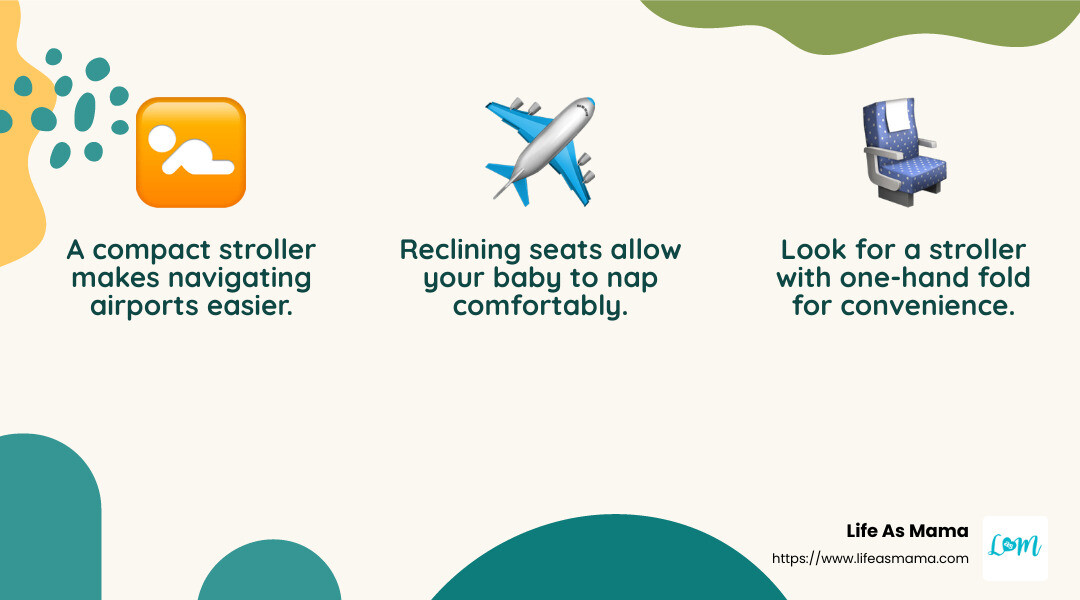
A compact stroller is a must-have for navigating airports and city streets. Look for one that’s lightweight and easy to fold, like the UppaBaby Minu V2. This model is praised for its portability and ease of use, making it a favorite among parents on the go.
Consider the following features when choosing a stroller:
– Lightweight: Easier to carry and maneuver.
– One-hand fold: Essential for juggling a baby and luggage.
– Reclining seat: Allows your baby to nap comfortably.
Car Seats
A rear-facing car seat is crucial for your newborn’s safety during car rides. Choose one that’s airline-approved if you plan to use it during the flight. Secure installation is key, whether you’re using a seatbelt or the LATCH system.
Key points to consider:
– Compatibility: Ensure it fits your vehicle and any rental cars.
– Ease of installation: Look for models with clear instructions and indicators for proper setup.
– Portability: Some car seats double as carriers, making transitions smoother.
Baby Carriers
A baby carrier is invaluable for hands-free convenience. Whether you’re boarding a plane or exploring a new city, carriers keep your baby close and secure.
Popular types include:
– Soft-structured carriers: Offer support and comfort for both you and your baby.
– Wraps and slings: Ideal for younger infants and provide a snug fit.
– Front-facing options: Some carriers allow your baby to face outward as they grow.
Using a carrier also helps soothe your newborn with your movement, and it can make them more likely to sleep during travel.
By equipping yourself with the right gear, you’ll be ready to tackle any travel challenge with your newborn. Next, let’s address some frequently asked questions about traveling internationally with a newborn.
Frequently Asked Questions about Traveling Internationally with a Newborn
When is it safe to fly with a newborn?
Flying with a newborn can be a daunting task, but knowing when it’s safe can make all the difference. Most doctors suggest waiting until your baby is at least three months old. This gives their immune system a chance to develop and handle the exposure to germs commonly found in airports and planes.
However, some airlines allow babies as young as one week old to fly, provided you have a doctor’s permission. If your baby was born prematurely or has health concerns, always consult your pediatrician before booking that flight.
What documents are needed for a newborn’s international travel?
When traveling internationally, even newborns need their own passport. Here’s what you’ll need to get one:
- Passport application (Form DS-11): You must apply in person with your baby.
- Proof of citizenship: Your baby’s birth certificate will do.
- Passport photo: This can be tricky, but laying your baby on a white blanket for the photo often works well.
- Parental identification: Both parents should be present, or provide a notarized consent form if one cannot attend.
A passport is essential for your newborn to travel internationally, so plan this well in advance of your trip.
How can I ensure my newborn’s comfort during the flight?
Ensuring your newborn’s comfort on a flight involves a few thoughtful preparations:
- Timing: Try to book flights that align with your baby’s sleep schedule. A sleeping baby is a happy baby!
- Feeding during takeoff and landing: This can help ease ear pressure. Offer a breast, bottle, or pacifier to soothe discomfort.
- Noise protection: Consider using cotton balls or noise-canceling headphones to protect your baby’s sensitive ears from loud engine noise.
- Onboard essentials: Pack plenty of diapers, wipes, and a change of clothes. Bring toys, books, and perhaps a tablet with videos as a backup to keep them entertained.
By preparing ahead, you can make your baby’s first international flight a pleasant experience. Next, we’ll wrap up with some final thoughts on creating memorable family travel experiences.
Conclusion
Traveling with a newborn may seem like a daunting task, but it can also be an incredibly rewarding experience for the entire family. At Life As Mama, we believe that family-friendly travel is about creating memorable experiences that bring you closer together. Whether you’re exploring the charming streets of Italy or enjoying the serene landscapes of Denmark, these moments become cherished memories.
Family travel is not just about the destination; it’s about the journey. With the right preparation, you can ensure a smooth and enjoyable trip for everyone. From securing the necessary documents to packing the essential gear, a little planning goes a long way in making your baby’s first international trip a success.
As you start on this exciting journey, remember to accept the slower pace that comes with traveling with a newborn. It’s a chance to see the world through fresh eyes and appreciate the simple joys of being together.
If you’re looking for more family-friendly travel tips and experiences, check out our Ultimate Guide to Family-Friendly Experiences in Scottsdale, AZ. We hope this inspires you to create unforgettable moments with your loved ones, wherever your travels may take you.
Happy travels from all of us at Life As Mama!
Related Images:

Amanda Schmitt
Latest posts by Amanda Schmitt (see all)
- 20+ First Day of School Traditions to Make the Day Special - August 23, 2026
- Fruit Infused Waters That Make Summer Hydration Fun - July 1, 2025
- Light Up Your Life: Home Lighting Decoration Ideas - June 30, 2025