How to Make Beef Tallow: Top 5 Surprising Benefits
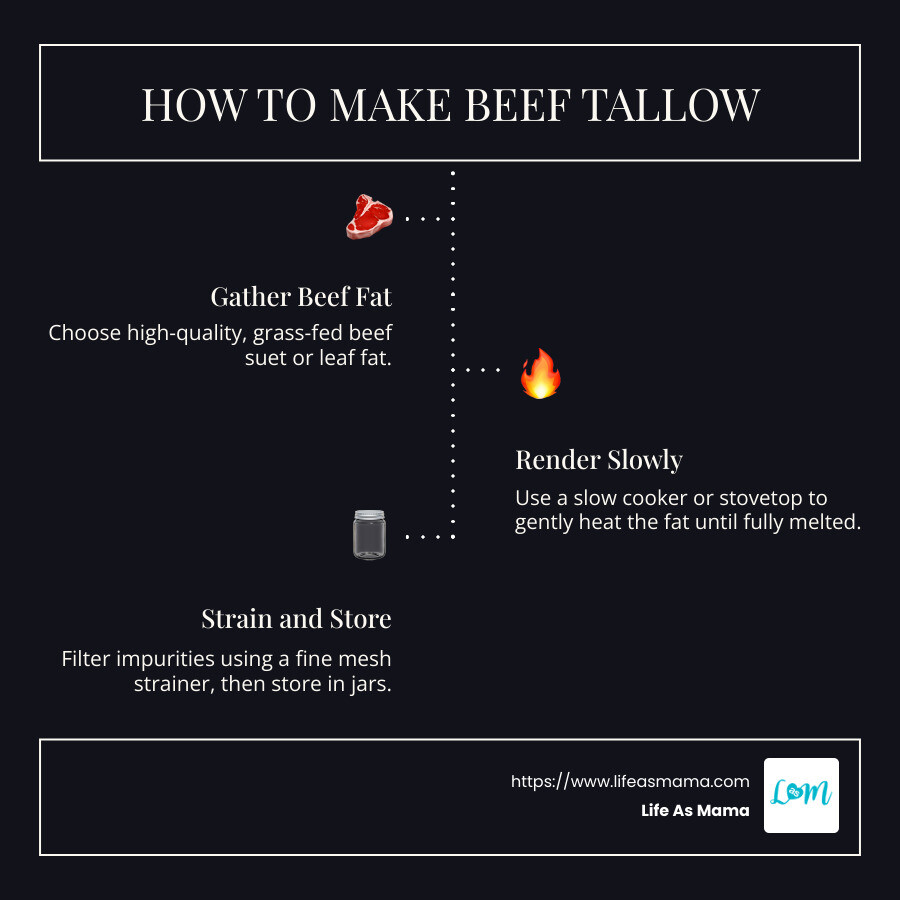
How to make beef tallow offers you a versatile ingredient used in both the kitchen and personal care. To quickly create this amazing ingredient, follow these simple steps:
- Gather Beef Fat: Choose high-quality, grass-fed beef suet or leaf fat.
- Render Slowly: Use a slow cooker or stovetop to gently heat the fat until fully melted.
- Strain and Store: Filter impurities using a fine mesh strainer, then store in jars.
Beef tallow provides an exceptional base for delicious culinary creations like french fries and roasted potatoes. Yet, its benefits extend beyond cooking. It offers nourishing properties for skincare, making it ideal for natural balms and lotions. The ability to enjoy both culinary and skincare benefits from one ingredient makes it truly remarkable.
To introduce myself, I’m Amanda Schmitt. My experience in occupational therapy helped me understand the value of efficient solutions, which translates into my expertise in how to make beef tallow for culinary and skincare needs. This introduction extends into our detailed guide on making and using beef tallow effectively.
Similar topics to how to make beef tallow:
– beef tallow for deep frying
– beef tallow for frying chicken
Understanding Beef Tallow
Beef tallow, often called “liquid gold,” is a cherished ingredient with deep roots in culinary history. But what makes it so special? Let’s break it down.
Composition
At its core, beef tallow is mainly composed of saturated fats. This gives it a firm texture at room temperature, making it different from other fats like olive oil or butter. Saturated fats are known for their stability, which means they don’t spoil easily and have a long shelf life.
Saturated Fats
While saturated fats have had a bad reputation in the past, recent research suggests they can be part of a healthy diet. Beef tallow, specifically, contains small amounts of vitamins like D and E, which are essential for our body. It’s also a good source of selenium, a mineral that plays a role in metabolism and thyroid function.
High Smoke Point
One of the standout features of beef tallow is its high smoke point. At around 420°F (about 216°C), it can handle high-heat cooking without breaking down. This makes it perfect for frying, roasting, and searing. When used in dishes like fried chicken or roasted veggies, beef tallow adds a rich flavor and crispy texture that’s hard to beat.
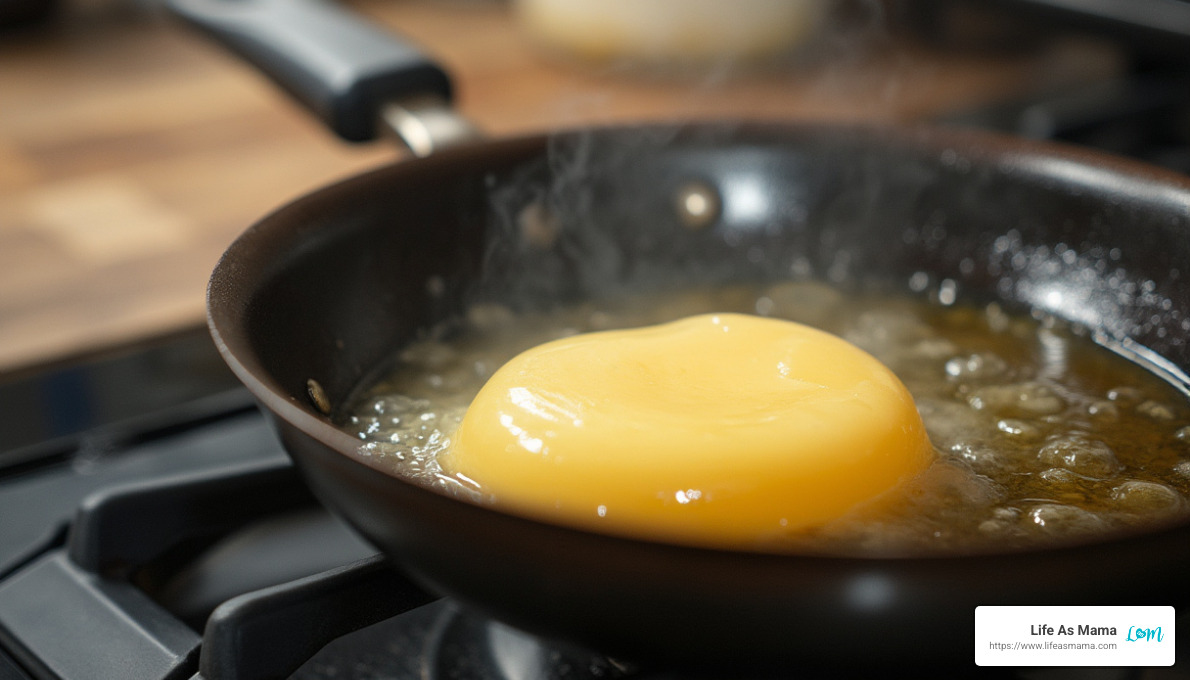
In summary, beef tallow is a versatile and valuable ingredient. Its unique composition and high smoke point make it a favorite among chefs and home cooks alike. Whether you’re cooking up a storm or exploring its skincare benefits, beef tallow is a fantastic addition to your kitchen.
How to Make Beef Tallow
Choosing the Right Beef Fat
Selecting the right beef fat is crucial when learning how to make beef tallow. The quality of the fat you choose will directly influence the flavor and purity of your tallow.
- Leaf Fat and Suet: These are the top choices for rendering. Leaf fat is found around the kidneys and is known for its mild flavor. Suet, the hard fat around the loins and kidneys, is especially prized for its high-fat content and minimal impurities.
- Grass-Fed Beef: Opting for grass-fed beef fat can improve the nutritional profile of your tallow. Grass-fed beef fat tends to have higher levels of omega-3 fatty acids and vitamins compared to conventionally raised cattle. Plus, it often has a more distinct and pleasant flavor.
Rendering Methods
Rendering is the key process in changing raw beef fat into usable tallow. There are two primary methods: dry rendering and wet rendering. Both have their own merits depending on your needs and preferences.
- Dry Rendering: In this method, the beef fat is heated slowly without adding any water. This allows the fat to melt and separate from impurities naturally. It’s a straightforward approach that tends to produce a purer and more concentrated tallow. However, it requires careful attention to avoid burning.
- Wet Rendering: This method involves adding water to the fat during the heating process. As the fat melts, it rises to the top, while impurities sink to the bottom. Wet rendering can be beneficial when dealing with beef fat that contains more connective tissue or when a thorough separation of impurities is desired.
Stovetop vs. Slow Cooker
When it comes to the actual rendering process, you have a couple of options:
- Stovetop Method: This traditional approach uses a heavy-bottomed pot or Dutch oven. Cut the beef fat into small pieces, place them in the pot, and heat slowly over medium-low heat. Stir occasionally to prevent sticking and burning. After a few hours, strain the liquid tallow through a fine-mesh strainer or cheesecloth to remove any remaining solids.
- Slow Cooker Method: For a more hands-off approach, consider using a slow cooker. Simply add the cut-up beef fat to the slow cooker and set it on low. As the fat renders over several hours, impurities will settle, making it easy to strain the clear tallow once it’s done.
Both methods are effective, but the choice depends on your preference for convenience versus traditional cooking. Whichever method you choose, the end result will be a rich, golden tallow ready for a variety of uses.
Creative Uses for Beef Tallow
Beef tallow isn’t just for cooking. Its versatility extends to several surprising applications that make it a valuable addition to any household.
Cooking
Beef tallow is a superstar in the kitchen. It boasts a high smoke point of around 400°F (204°C), making it perfect for frying, roasting, and sautéing. The rich flavor improves dishes like roasted vegetables, homemade French fries, and seared meats. Many chefs prefer it for its ability to add depth and a savory taste that other fats can’t match.
Skincare
Tallow isn’t just for your taste buds; it’s great for your skin too. Its composition is similar to the natural oils in human skin, making it an excellent moisturizer. Beef tallow is packed with vitamins A, D, and E, which help nourish and refresh the skin. You can use it to make lip balms, lotions, and even salves. The natural, chemical-free nature of tallow-based skincare products is a big draw for those seeking more natural beauty solutions.
Candle Making
For a sustainable and unique candle-making ingredient, look no further than beef tallow. Tallow candles have been around for centuries and are known for their long-lasting burn and bright flame. They are a charming way to create a cozy atmosphere at home. Plus, making your own candles with tallow can be a fun and rewarding DIY project.
Machine Lubrication
Did you know that beef tallow can also be used as a machine lubricant? Its natural, biodegradable properties make it an environmentally friendly alternative to synthetic lubricants. Tallow can be used to lubricate small household machines or tools, offering a practical and sustainable solution for maintenance needs.
Beef tallow’s versatility is truly remarkable, making it a valuable resource beyond the kitchen. Whether you’re cooking, caring for your skin, crafting candles, or maintaining machines, tallow offers natural, effective solutions that align with a sustainable lifestyle.
Frequently Asked Questions about Beef Tallow
How do I make my own beef tallow?
Making beef tallow at home is a straightforward process that involves rendering beef fat to remove impurities. Start by choosing high-quality beef fat, such as leaf fat or suet, which is the hard fat found around the kidneys and loins of cattle. This fat is ideal for rendering due to its high-fat content and mild flavor.
- Preparation: Cut the beef fat into small, uniform pieces to ensure even rendering. You can also grind the fat to speed up the process.
- Rendering: Use either the stovetop or slow cooker method. For the stovetop method, place the fat in a large pot over medium-low heat. Allow it to simmer gently for several hours, stirring occasionally. For the slow cooker, set it on low and let the fat render for about 4-5 hours.
- Straining: Once the fat has fully melted and the solids have browned, strain the liquid tallow through a fine-mesh strainer lined with cheesecloth or a coffee filter. This removes any remaining impurities.
- Storage: Pour the strained tallow into a glass jar and let it cool. It will solidify at room temperature. Store it in the fridge for up to three months or at room temperature for a shorter period.
Can I use any beef fat to make tallow?
Not all beef fat is created equal when it comes to making tallow. Leaf fat and suet are the best choices because they have a higher fat content and a neutral flavor. Using these types of fat ensures a cleaner and more flavorful tallow. Marrow bones can also be used, but they may impart a stronger flavor.
While you can technically use other types of beef fat, the quality and flavor of the tallow may vary. For the best results, opt for grass-fed or organic beef fat. Grass-fed fat often has a richer flavor and higher nutritional value.
Is beef tallow healthy?
Beef tallow is primarily composed of saturated fat, which has been a topic of debate in health discussions. However, it also contains beneficial nutrients like vitamins A, D, and E. These vitamins are fat-soluble, meaning they are better absorbed by the body when consumed with fat.
While beef tallow is a source of saturated fat, it is also heat-stable and resistant to oxidation, making it a healthier choice for high-heat cooking compared to some plant oils. It’s important to consume it in moderation as part of a balanced diet.
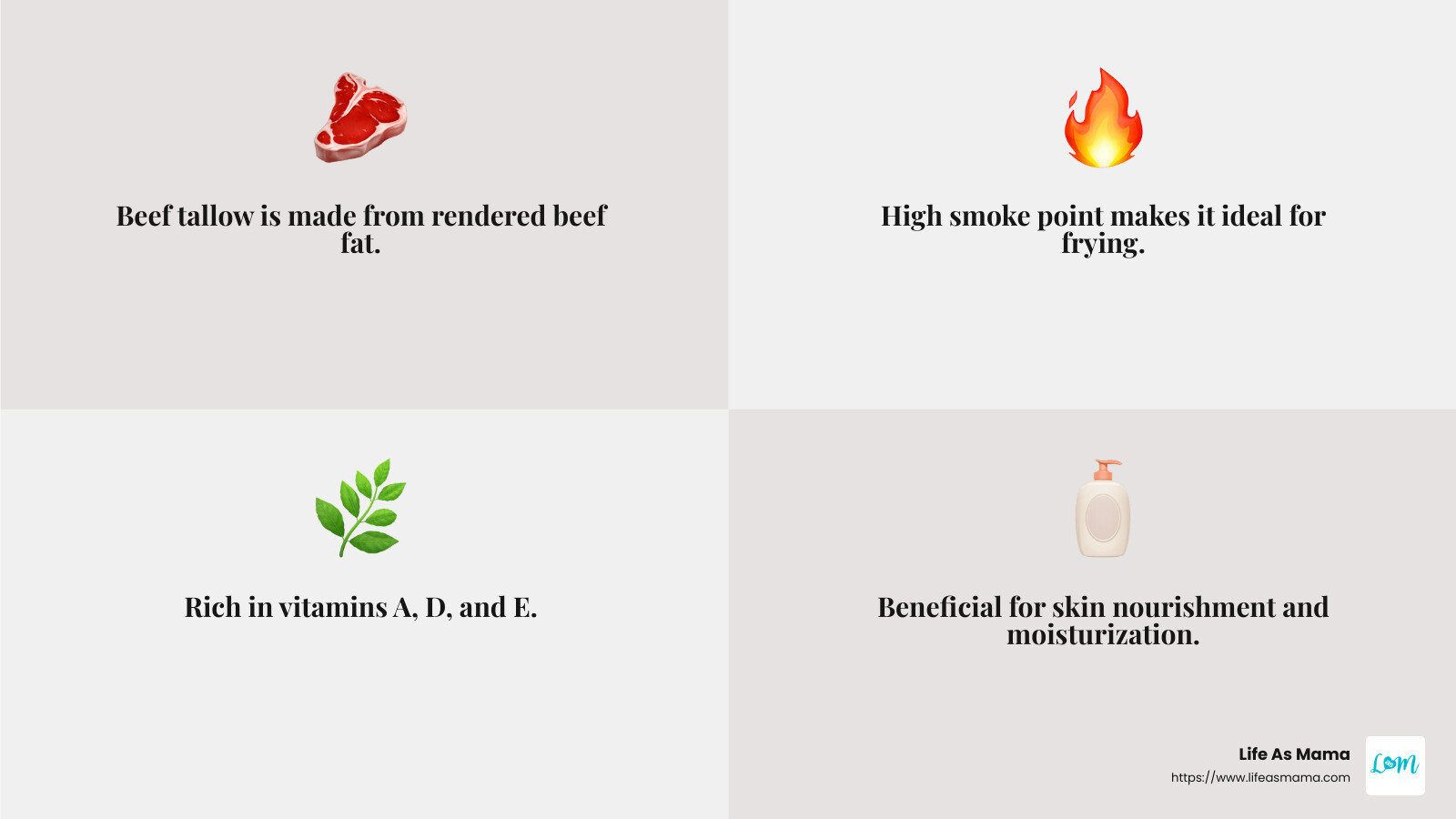
Beef tallow offers both culinary and skincare benefits, making it a versatile addition to your kitchen and beauty routine.
Conclusion
At Life As Mama, we believe in the power of simple, family-friendly guides that can transform everyday activities into memorable experiences. Beef tallow is one such versatile ingredient that can lift both your culinary creations and skincare routines.
By learning how to make beef tallow at home, you open the door to a world of possibilities. From creating crispy, flavorful dishes to crafting nourishing skincare products, beef tallow is a true multitasker. Its rich history and resurgence in modern kitchens highlight its enduring appeal.
In the kitchen, beef tallow’s high smoke point makes it perfect for frying, roasting, and sautéing. Imagine the delight of your family as they enjoy perfectly crispy fries or a beautifully seared steak. Plus, its natural flavor improves any dish, making it a favorite among culinary enthusiasts.
Beyond cooking, beef tallow’s moisturizing properties make it an excellent choice for skincare. Whether you’re crafting homemade lotions or lip balms, tallow can help achieve that natural, healthy glow without the need for harsh chemicals.
At Life As Mama, we are committed to providing you with practical, easy-to-follow guides that fit seamlessly into your lifestyle. Whether you’re exploring new recipes or diving into DIY skincare, we’re here to support you every step of the way.
Ready to explore more family-friendly culinary trips? Check out our Ultimate BBQ Meatball Recipe for a delicious and easy-to-make dish that your whole family will love.
Accept the possibilities of beef tallow and let it become a staple in your home for both cooking and skincare. Here’s to finding new ways to enrich your life with simple, natural ingredients!
Related Images:

Amanda Schmitt
Latest posts by Amanda Schmitt (see all)
- Healthy and Quick Back to School Breakfast Ideas - August 27, 2026
- 20 DIY Easter Centerpieces That Aren’t Just for Kids - October 9, 2025
- 18 Adult Birthday Party Themes for a Sophisticated Celebration - October 3, 2025