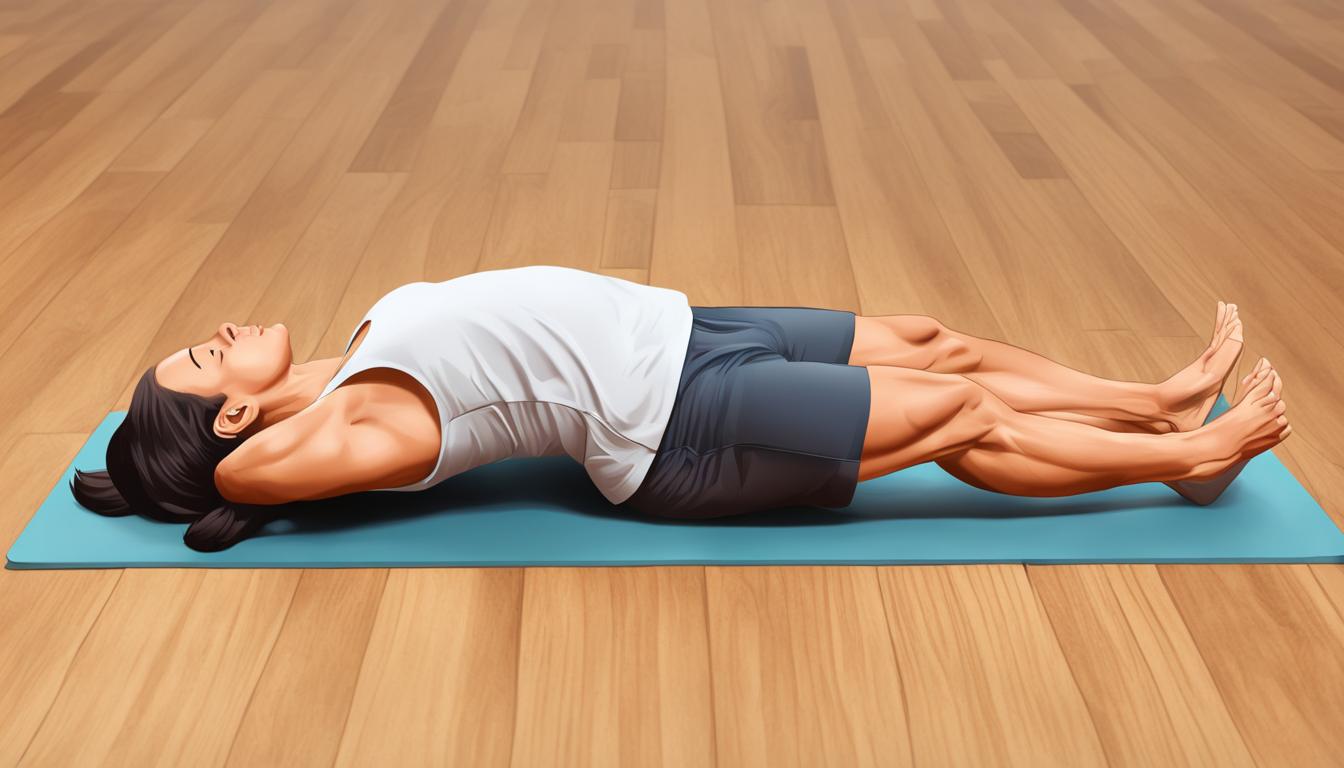
Pelvic floor exercises are one of the most effective ways to strengthen your core and improve overall wellbeing. These exercises target the muscles that support the pelvic organs, providing a strong foundation for the rest of the body. By practicing pelvic floor exercises, you can mitigate the risk of pelvic floor problems and improve bladder control.
Key Takeaways
- Pelvic floor exercises can improve core strength and overall wellbeing
- Practicing these exercises can mitigate the risk of pelvic floor problems
- Pelvic floor exercises can also improve bladder control
Understanding Pelvic Floor Muscles
The pelvic floor muscles are a group of muscles that support the pelvis and are vital for controlling bladder and bowel function, as well as sexual health. These muscles are located at the base of the pelvis, stretching from the pubic bone to the tailbone, and from side to side. Their primary function is to support the pelvic organs, including the bladder, uterus, and rectum.
Weak pelvic floor muscles can result in several issues such as urinary incontinence, pelvic organ prolapse, and sexual dysfunction. Regular kegel exercises can strengthen these muscles and help prevent these problems. Kegel exercises involve contracting and relaxing the pelvic floor muscles, similar to the action of stopping and starting urine flow.
By regularly performing kegel exercises, you can improve pelvic floor strength and functioning, leading to better bladder control, heightened sexual sensitivity, and improved core stability. It is essential to ensure proper technique and form to avoid overexerting the muscles and causing discomfort or injury.
Benefits of Pelvic Floor Exercises for Women
Pelvic floor exercises can provide numerous benefits for women, especially during pregnancy and postpartum recovery. These exercises help strengthen the pelvic floor muscles, which can become weakened due to factors such as childbirth, aging, and obesity. By engaging in pelvic floor exercises for women, you can improve your overall pelvic health and quality of life.
Pelvic Floor Exercises during Pregnancy
During pregnancy, pelvic floor exercises can help prepare your body for childbirth and aid in postpartum recovery. These exercises can alleviate pregnancy-related symptoms, such as incontinence and constipation, and improve overall pelvic muscle tone. The American Pregnancy Association recommends practicing Kegel exercises throughout pregnancy to promote optimal pelvic health.
Postpartum Pelvic Floor Exercises
Postpartum pelvic floor exercises are essential for new moms to aid in the healing process and prevent long-term complications. These exercises can improve bladder control, decrease pelvic pain, and reduce the risk of prolapse. It is crucial to consult with your healthcare provider before beginning any postpartum exercise routine to ensure safety and effectiveness.
Overall Pelvic Health for Women
“Pelvic floor exercises are a powerful tool for maintaining optimal pelvic health for women,” says Dr. Jane Smith, a women’s health specialist. “By engaging in regular pelvic floor muscle training, women can improve core strength, prevent incontinence, and enhance overall wellbeing.”
Pelvic floor exercises for women should be a part of every woman’s fitness routine to promote healthy aging and prevent pelvic health complications. By incorporating these exercises into your daily life, you can experience the benefits of a strong pelvic floor.
Benefits of Pelvic Floor Exercises for Men
Pelvic floor exercises are not just for women! Men can also benefit greatly from incorporating these exercises into their fitness routine. Not only do pelvic floor exercises aid in improving bladder control, but they can also enhance sexual function and overall core strength.
In fact, pelvic floor muscle training is a recommended treatment for men who experience urinary incontinence following prostate surgery. Studies have shown that regular pelvic floor exercises can significantly reduce incontinence and improve quality of life for these men.
Furthermore, incorporating pelvic floor workouts into your fitness routine can also enhance sexual function. Strong pelvic floor muscles create stronger erections and can prolong sexual activity.
By focusing on pelvic floor muscle training, men can also improve overall core strength, stability, and balance. Strong pelvic floor muscles play a crucial role in supporting the core and improving balance during physical activities.
Benefits of Pelvic Floor Exercises for Men
| Benefit | Description |
|---|---|
| Improved bladder control | Pelvic floor exercises can help reduce urinary incontinence and improve quality of life for men, especially those who have undergone prostate surgery. |
| Enhanced sexual function | Strong pelvic floor muscles can improve sexual function and create stronger erections for men. |
| Improved core strength, stability, and balance | Strong pelvic floor muscles are crucial in supporting the core and improving balance during physical activities. |
Image description: An image of a man performing pelvic floor exercises, lying on his back with his knees bent and feet flat on the ground.
If you are new to pelvic floor exercises, consult with your healthcare provider for guidance on proper technique and frequency. Remember, consistency is key when it comes to seeing results from pelvic floor muscle training.
Pelvic Floor Exercises During Pregnancy
Pregnancy is an exciting journey in a woman’s life, but it can also be a challenging one for your pelvic floor muscles. As your body changes during pregnancy, your pelvic floor muscles have to bear the weight of your growing uterus and the baby inside. This can lead to weakening of the pelvic floor muscles and incontinence issues. Pelvic floor exercises can help prepare your pelvic floor muscles for childbirth and aid in postpartum recovery.
One of the simplest pelvic floor exercises during pregnancy is Kegel exercises. Kegels strengthen the pelvic floor muscles and help them to contract and relax during childbirth. To do Kegels correctly, contract your pelvic floor muscles (the muscles you use to control the flow of urine) for 10 seconds, then relax for 10 seconds. Repeat this cycle 10-15 times, three times a day.
Pelvic Floor Exercises During Pregnancy Table
Pelvic floor exercises during pregnancy:
| Exercise | Description |
|---|---|
| Kegels | Contract your pelvic floor muscles for 10 seconds and then relax for 10 seconds. |
| Bridge | Lie on your back with knees bent. Lift your hips toward the ceiling and squeeze your glutes and pelvic floor muscles. |
| Aquatic therapy | Water provides resistance and support for pelvic floor muscle work. |
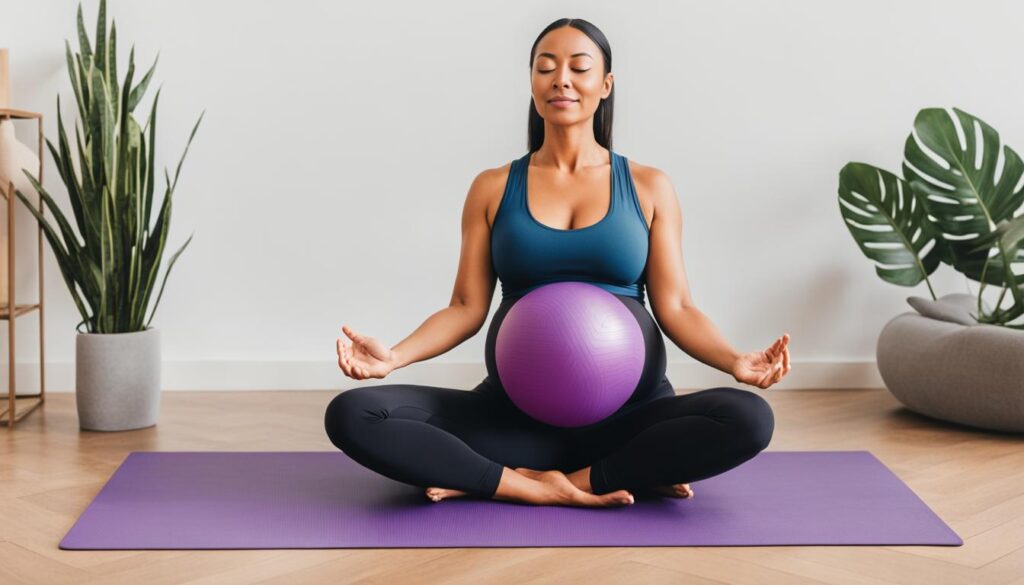
While Kegels are a simple exercise and can be done anywhere, it is important to consult your healthcare provider before introducing any new exercise into your routine. They can help you tailor a pregnancy exercise routine that suits your medical history and physical condition.
Pelvic Floor Exercises for Pelvic Floor Dysfunction
If you are experiencing symptoms of pelvic floor dysfunction, it is important to speak with your healthcare provider about incorporating pelvic floor exercises into your treatment plan. These exercises can help improve muscle tone, increase circulation and reduce discomfort.
One effective exercise is the Kegel exercise. This targets the muscles that control the flow of urine and can help alleviate symptoms of urinary incontinence. To perform this exercise, squeeze your pelvic floor muscles, hold for a few seconds, then release. Repeat this ten times, three times a day.
Another exercise is the bridge pose. This yoga pose strengthens the pelvic floor muscles and helps improve overall core strength. To perform this pose, lie on your back with your knees bent and feet on the floor. Lift your hips up towards the ceiling, squeezing your glutes and pelvic floor muscles. Hold for a few seconds, then release. Repeat this ten times.
| Exercise | How to perform | Benefits |
|---|---|---|
| Kegel exercise | Squeeze pelvic floor muscles, hold for a few seconds, then release. Repeat ten times, three times a day. | Improves muscle tone, aids in bladder control, reduces discomfort. |
| Bridge pose | Lie on your back with knees bent and feet on the floor. Lift hips towards ceiling, squeeze glutes and pelvic floor muscles. Hold for a few seconds, then release. Repeat ten times. | Strengthens pelvic floor muscles, improves core strength. |
| Squats | Stand with feet shoulder-width apart. Lower into a squat, squeezing pelvic floor muscles. Hold for a few seconds, then release. Repeat ten times. | Improves circulation and muscle tone in pelvic floor muscles. |
Remember to always consult with your healthcare provider before beginning any new exercise routine, especially if you are experiencing symptoms of pelvic floor dysfunction. Incorporating these exercises into your daily routine can help improve muscle tone, alleviate discomfort and improve your overall pelvic floor health.
How to Perform Pelvic Floor Exercises
Performing pelvic floor exercises is crucial to strengthen your core and improve overall wellbeing. Pelvic floor muscle training can help alleviate symptoms of pelvic floor dysfunction and improve bladder control for both men and women.
Follow these steps to perform pelvic floor exercises correctly:
- Find a comfortable position to lie down or sit up straight.
- Identify your pelvic floor muscles by stopping the flow of urine midstream. If this is difficult, try inserting a clean finger into your vagina or anus and squeeze your pelvic muscles around it.
- Once you have identified the pelvic floor muscles, contract them and hold for 5 seconds.
- Release the contraction and relax for 5 seconds.
- Repeat the exercise 10-15 times per session, at least 3 times per day for optimal results.
There are several variations of pelvic floor exercises that you can try to switch up your pelvic floor workout. One variation is called the quick flick where you contract and release the pelvic floor muscles in a rapid succession, repeating 10-15 times in a row. Another variation is to hold the contraction for a longer time, up to 10 seconds, and slowly release for maximum effectiveness.
Remember to focus on proper form during your pelvic floor muscle training. Avoid contracting the muscles in your abdomen, thighs, or buttocks, and only contract the pelvic floor muscles. Incorporating pelvic floor exercises into your regular fitness routine can result in a stronger core and overall enhanced wellbeing.
Incorporating Pelvic Floor Exercises into Your Fitness Routine
If you’re looking to strengthen your core and improve your overall wellbeing, pelvic floor exercises are a great addition to your fitness routine. Not only do they boost core strength, but they have also been linked to improved bladder control and sexual function.
One way to incorporate pelvic floor exercises into your routine is to do them during other workouts. For example, try doing kegel exercises during yoga or Pilates classes. You can also incorporate pelvic floor muscle training into your strength training routine by tightening your pelvic floor muscles during exercises such as planks or squats.
Tip: Don’t forget to breathe while doing pelvic floor exercises. Inhale and relax the muscles, then exhale and engage the muscles.
For a more comprehensive pelvic floor workout, try the following routine:
| Exercise | Instructions |
|---|---|
| Kegels | Squeeze and lift the pelvic floor muscles for 10 seconds, then relax for 10 seconds. Repeat for 10-15 repetitions. |
| Bridge with squeeze | Lie on your back with knees bent and feet flat on the ground. Lift your hips while squeezing the pelvic floor muscles, hold for 10 seconds, then lower. Repeat for 10-15 repetitions. |
| Wall sit with squeeze | Stand with your back against a wall and your feet shoulder-width apart. Slowly slide down the wall while squeezing the pelvic floor muscles, stopping when your thighs are parallel to the ground. Hold for 10 seconds, then stand back up. Repeat for 10-15 repetitions. |
| Plank with squeeze | Get into a plank position, then tighten your pelvic floor muscles and hold for 10 seconds while maintaining proper form. Release and repeat for 10-15 repetitions. |
Tip: Start with a few repetitions of each exercise and gradually increase the number of repetitions as your pelvic floor muscles become stronger.
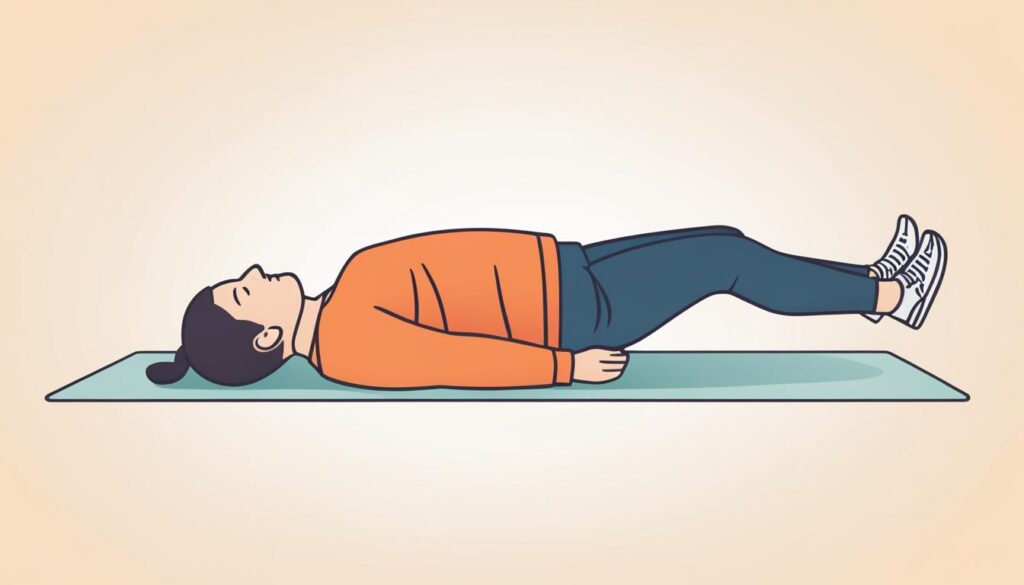
Incorporating pelvic floor exercises into your fitness routine can be easy and effective. Start slowly and gradually increase your repetitions, and you’ll be on your way to a stronger core and improved overall wellbeing!
Tips and Tricks for Effective Pelvic Floor Exercises
Pelvic floor exercises are an essential part of any fitness routine for improved core strength and overall wellbeing. Here are some practical tips and tricks to take your pelvic floor exercises to the next level:
1. Find the Right Muscles
It may take some practice to identify the correct muscles for pelvic floor exercises. To find them, try stopping your urine mid-stream. The muscles you use to do this are your pelvic floor muscles. Once you locate these muscles, you can practice contracting and releasing them without using the bathroom.
2. Perfect Your Technique
When performing pelvic floor exercises, it’s important to maintain proper technique. Keep the muscles relaxed as you inhale, then contract them as you exhale. Be careful not to hold your breath or clench your buttocks or thighs.
3. Be Consistent
Consistency is key when it comes to pelvic floor exercises. Aim to perform them daily, starting with three sets of 10 repetitions. Increase the number of repetitions and sets as you gain strength and endurance.
4. Add Variety
Don’t be afraid to mix up your pelvic floor exercises. Try incorporating kegel exercises, bridging, and squats into your routine for added variety and enhanced results.
“Consistency is key when it comes to pelvic floor exercises.”
5. Use Tools
There are a variety of tools available to aid in pelvic floor exercises, such as vaginal cones or biofeedback devices. Talk to your healthcare provider to see if these tools are right for you.
Remember to be patient and consistent with your pelvic floor exercises for optimal results. With these tips and tricks, you can master your technique and achieve a stronger, healthier core.
Lifestyle Factors That Support Pelvic Floor Health
When it comes to pelvic floor health, incorporating certain lifestyle measures can complement pelvic floor exercises and enhance overall function.
Core Strengthening
A strong core is essential for pelvic floor health, as it provides support and stability for the pelvic region. Engage in exercises that focus on all areas of the core, such as planks and side crunches, to improve core strength.
Pelvic Floor Muscle Training
Regular pelvic floor muscle training can lead to improved pelvic floor strength and function. Try incorporating Kegel exercises into your routine or using pelvic floor muscle trainers, such as vaginal weights or biofeedback devices, to enhance your training.
Overall Fitness
Maintaining overall fitness and a healthy weight can contribute to pelvic floor health. Aim for at least 30 minutes of exercise per day, such as aerobic or resistance training, to improve overall fitness levels.
Enhanced Wellbeing
Stress and tension can contribute to pelvic floor dysfunction, so it’s essential to prioritize emotional wellbeing. Practice stress reduction techniques, such as deep breathing or meditation, to alleviate tension and promote relaxation.
Nutrition
A healthy, balanced diet can also contribute to pelvic floor health. Ensure that you are getting enough fiber to promote regular bowel movements and avoid constipation, which can place strain on the pelvic floor muscles.
Hydration
Staying hydrated can also aid in proper bowel function and promote overall pelvic floor health. Aim for at least 8 cups of water per day.
Conclusion: Essential Takeaways for Strengthening Your Core
Pelvic floor exercises are an effective way to strengthen your core muscles, improve function, and enhance overall wellbeing. By incorporating these exercises into your fitness routine and paying attention to lifestyle factors such as maintaining a strong core, overall fitness, and emotional wellbeing, you can experience the positive effects of a strong pelvic floor. So start your journey to a stronger core today by adding pelvic floor exercises to your daily routine!
FAQ
What are pelvic floor exercises?
Pelvic floor exercises, also known as kegel exercises, are a series of workouts that target and strengthen the muscles located in the pelvic floor. These exercises involve contracting and relaxing these muscles to improve their tone and function.
How can pelvic floor exercises strengthen my core?
The pelvic floor muscles play a vital role in supporting the core. By performing pelvic floor exercises, you can enhance the strength and stability of these muscles, which in turn contributes to better core strength and overall stability.
What are the benefits of pelvic floor exercises for women?
Pelvic floor exercises offer a range of benefits for women. They can help improve bladder control, aid in postpartum recovery, enhance sexual function, and promote overall pelvic health and wellbeing.
Are pelvic floor exercises beneficial for men?
Absolutely! Pelvic floor exercises are not just for women. Men can also benefit from these exercises by improving bladder control, enhancing sexual function, and strengthening their core muscles.
Can I do pelvic floor exercises during pregnancy?
Yes, pelvic floor exercises are safe and beneficial during pregnancy. They can help strengthen the muscles that support the baby and prepare the pelvic floor for childbirth. However, it’s always best to consult your healthcare provider before starting any new exercise routine during pregnancy.
Can pelvic floor exercises help with pelvic floor dysfunction?
Yes, pelvic floor exercises can be effective in managing pelvic floor dysfunction. These exercises can help improve muscle tone, alleviate symptoms such as urinary leakage, and enhance overall pelvic floor function.
How do I perform pelvic floor exercises correctly?
To perform pelvic floor exercises, start by identifying the correct muscles. Imagine stopping the flow of urine or tightening your muscles to prevent passing gas. Squeeze and lift these muscles, hold for a few seconds, and then relax. Repeat this contraction and relaxation process several times.
How can I incorporate pelvic floor exercises into my fitness routine?
Pelvic floor exercises can easily be incorporated into your existing fitness routine. They can be performed before, during, or after other exercises. You may choose to focus on them during specific workout sessions or sprinkle them throughout your day.
Any tips for effective pelvic floor exercises?
It’s important to maintain consistency when performing pelvic floor exercises. Start with short, frequent sessions and gradually increase the intensity and duration over time. Remember to breathe normally and avoid tensing other muscles. Listening to instructional videos or working with a pelvic floor physiotherapist can also be helpful.
What lifestyle factors support pelvic floor health?
In addition to pelvic floor exercises, maintaining a strong core through regular exercise and incorporating overall fitness activities can help support pelvic floor health. Additionally, practicing stress management techniques, maintaining a healthy weight, and staying hydrated are important lifestyle factors for optimal pelvic floor function.
Related Images:

Amanda Schmitt
Latest posts by Amanda Schmitt (see all)
- Healthy and Quick Back to School Breakfast Ideas - August 27, 2026
- 20 DIY Easter Centerpieces That Aren’t Just for Kids - October 9, 2025
- 18 Adult Birthday Party Themes for a Sophisticated Celebration - October 3, 2025