Motherhood and Moms Lifestyle – Live like a Mom | LifeAsMama
  • Motherhood
  • Pregnancy
  • Beauty
  • Health
  • Kids
    • Baby
    • Toddler
    • Little Kid
    • Pre-Teen
    • Teenager
    • Adoption
  • Lifestyle
    • Career
    • Beauty & Style
    • Home
    • Inspirational
    • Food
    • Fitness
    • Travel
  • DIY
    • Printable Coloring Pages
    • Crafts
    • Design
    • Holiday
  • Contact Us
Adoption

5 Things About Adoption I Wish Others Knew

by Amanda Foust September 19, 2016
by Amanda Foust 10K views
10K


Adopting my daughter almost three years ago has been an incredible journey. There are highs and lows, but every situation has made our love grow! Adoption isn’t a topic typically discussed unless you are directly impacted, but you never know when a family member or friend may choose adoption! Unless you experience it yourself, many don’t understand the process or the right way to talk about it. I’ve had many people unintentionally insult the way we built our family, and it’s because they simply don’t know any better.

We know you mean well, but knowledge is power, so, here’s 5 things I wish others knew about adoption:
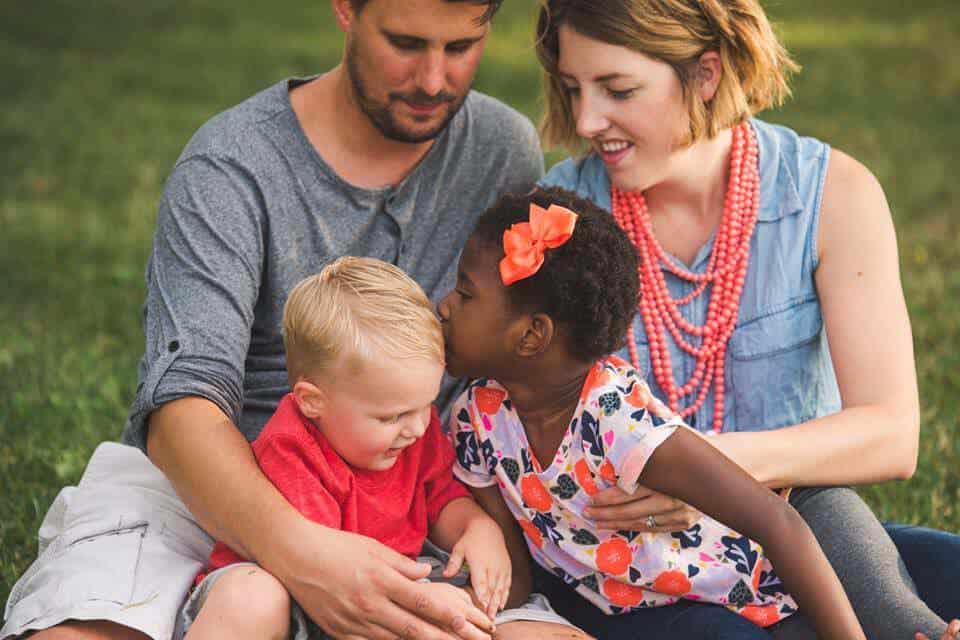
14184278_10209222757343675_7154140146309846212_n

Photo Credit: Roxana Snedeker


Note: For the sake of this article, I will refer to my daughter as my “adopted daughter,” but the first thing to know is that when addressing my family, we prefer both children to be introduced the same and not one as the “adopted child.”

Here we go…

1. Adoption isn’t a plan B.

When I announced we were adopting, most people assumed we weren’t able to have biological children. For some couples, that is their reason for adopting. But for most, it is not. Either way, couples who adopt do not go into it considering their adopted child to be their second choice. When people assume an adoption is a plan B, they unintentionally treat the adopted child like a plan B. When I announced we were pregnant three months after adopting my daughter, so many people approached me with much more excitement saying things like, “Wow! It’s a miracle! They say after you adopt, most people are able to have a baby of their own.”

There are many things wrong with this statement. 1. My adopted daughter is a miracle too. 2. An adoption doesn’t automatically make a person more likely to conceive. 3. An adopted child is my “own” as well. Which leads me to my next tip…

2. An adopted child is just as much a member of my family as my biological child.

There is no difference. Adopted children are our “actual,” “real,” and “own” children. Using those words to an adoptive family are not appropriate. If you are trying to distinguish a difference, please use the term “biological” child.

3. Adoption comes from pain.

Many people have told me how “lucky” my daughter is since being adopted. Adoptive families often discuss how frustrating this phrase can be. These children should never be made to feel “lucky” that we gave them what every child deserves. Their stories are painful and they walk around with trauma that was never supposed to be theirs to carry. Adoption is a beautiful example of redemption, but the pain that is there shouldn’t be ignored with the words “blessed” or “lucky.”

4. The location of where we chose to adopt is irrelevant.

Sure, feel free to ask about the birth country, but do not judge the response. There are children in need everywhere. No child from a continent, country, state, or city is better or worse. A child here in the states is in just as much need and as important as a child in another country. They all matter. Where the child was born is not a choice of theirs and neither is losing their family. If there is a way to give a child the family he/she deserves, cross whatever oceans you need to cross or go right next door. The location of the adoption is not a concern when a child is in need and should not ever be questioned or criticized.

5. Adoptive families often feel lonely and misunderstood. Find a way to support!

Not everyone is called to adopt, but I truly believe everyone is called to support adoption is some way. Families like mine often feel misunderstood and lonely. Read a few articles online about adoption, ask questions (preferably not in front of the children), be there when the attachment isn’t working, when the trauma reappears, and we struggle finding ways to connect with our kids, and when we feel like no one understands. You don’t have to understand, but listen and give us your time and love. We need it just like you do!

What questions do you have about adoption? We would love to write more about this topic and could use some advice on where to start. Tell us in the comments!
things about adoption i wish others knew

Related Images:


  • Bio
  • Latest Posts
Amanda Foust

Amanda Foust

Amanda is a wife, mother, writer/editor, and certified life coach. Pen and paper make her spirit come alive. She spends her creative time reading, decorating, and handwriting fonts. Her world is better with an assortment of chocolate and a stack of books packed and ready for travel. She works each day to be a creative maker and a light bringer. You can find more of her writing at Downs, Ups & Teacups and TheDailyPositive.com.
Amanda Foust

Latest posts by Amanda Foust (see all)

  • 10 Last Minute Teacher Gift Ideas - November 29, 2018
  • 10 Healthy And Tasty After School Snacks - August 16, 2018
  • What My Kids Have Learned From Seeing A Working Mom - August 8, 2017
adoptadoptedadopted childadopting a babyadoption
3 FacebookTwitterPinterestEmail

You may also like

How Much Does It Cost to Adopt a...

How Can I Adopt a Baby: A Comprehensive...

6 Tips For Making Your Home Something You’re...

Seven Things You Should Know Before Adopting A...

8 Attachment-Based Activities For Adoptive Parents

To The Parents Facing Adoption Fears

01andreas1973
Amanda Foust

Amanda is a wife, mother, writer/editor, and certified life coach. Pen and paper make her spirit come alive. She spends her creative time reading, decorating, and handwriting fonts. Her world is better with an assortment of chocolate and a stack of books packed and ready for travel. She works each day to be a creative maker and a light bringer. You can find more of her writing at Downs, Ups & Teacups and TheDailyPositive.com.

previous post
8 Ways To Boost Your Teenage Daughter’s Self Esteem
next post
7 Scent-Sational Fall Playdough Recipes

Search

Trending

  • 8 Family-Friendly Vegetarian Dinner Recipes

  • 20 DIY Easter Centerpieces That Aren’t Just for Kids

  • 18 Adult Birthday Party Themes for a Sophisticated Celebration

  • 20 Classic Orange & Black Halloween Traditional Ideas with Modern Twists

  • Facebook
  • Instagram
  • Pinterest
Footer Logo
  • DMCA Policy
  • Contact Us

@2024 - All Right Reserved. Designed and Developed by LifeAsMama


Back To Top
Motherhood and Moms Lifestyle – Live like a Mom | LifeAsMama
  • Motherhood
  • Pregnancy
  • Beauty
  • Health
  • Kids
    • Baby
    • Toddler
    • Little Kid
    • Pre-Teen
    • Teenager
    • Adoption
  • Lifestyle
    • Career
    • Beauty & Style
    • Home
    • Inspirational
    • Food
    • Fitness
    • Travel
  • DIY
    • Printable Coloring Pages
    • Crafts
    • Design
    • Holiday
  • Contact Us

Understanding the Adoption Process

The adoption process can often seem daunting for those who have never experienced it firsthand. It involves a series of legal procedures, emotional evaluations, and home assessments designed to ensure that the adopted child is placed in a safe and loving environment. Many people are unaware of the extensive preparation and background checks required, leading to misconceptions about the ease of adoption.

Furthermore, the emotional aspect of adoption cannot be overstated. Families may grapple with feelings of uncertainty and anxiety throughout the journey, not only regarding the legalities but also concerning how their future family dynamics will change. By sharing our experiences and educating others on the process, we can help demystify adoption and foster a greater understanding within our communities.

Debunking Myths About Adoption

There are numerous myths surrounding adoption that can perpetuate misunderstandings. For example, some people believe that adopted children face significant behavior issues or that they will always long for their birth parents. These misconceptions ignore the fact that, like all children, adopted kids have unique personalities and needs that are influenced by their individual backgrounds and experiences.

Another prevalent myth is that adoptive parents are merely "filling a void" in their lives by choosing to adopt. This perspective undermines the profound decision-making process and the emotional connection that adoptive families cultivate over time. By addressing these myths, we can help others see adoption for what it truly is: a deeply personal and fulfilling way to build a family.

The Importance of Support Networks

Support networks play a crucial role in the lives of adoptive families. Often, these families find themselves navigating challenges that others may not fully understand, such as bonding and attachment issues, or dealing with their children's past traumas. Engaging with support groups can provide not only emotional relief but also practical advice from those who share similar experiences.

Furthermore, having a solid support network can help mitigate feelings of isolation that many adoptive families experience. Friends, family, and community members can be instrumental in providing understanding and encouragement, as well as offering resources for navigating the unique aspects of adoption. A collective effort towards support fosters a healthier and more inclusive environment for both the adoptive parents and their children.

Resources for Adoptive Families

There are numerous resources available to support adoptive families throughout their journey. From literature on attachment theory to organizations that specialize in adoption counseling, access to information can be invaluable. These resources can help families navigate the challenges they may face, providing insights and guidance tailored to their specific circumstances.

Additionally, attending workshops, courses, or local meetups can enhance the knowledge base of adoptive families. These settings allow parents to connect with professionals and others who share their experiences, creating opportunities for community-building and shared learning. By utilizing these resources, adoptive families can equip themselves with the tools they need to thrive and support their children effectively.