Balanced diet for breastfeeding mom is crucial for both your health and your baby’s development. As a breastfeeding mom, your nutritional needs are heightened because you’re providing all the essential nutrients your baby needs through your milk. Here’s everything in a nutshell:
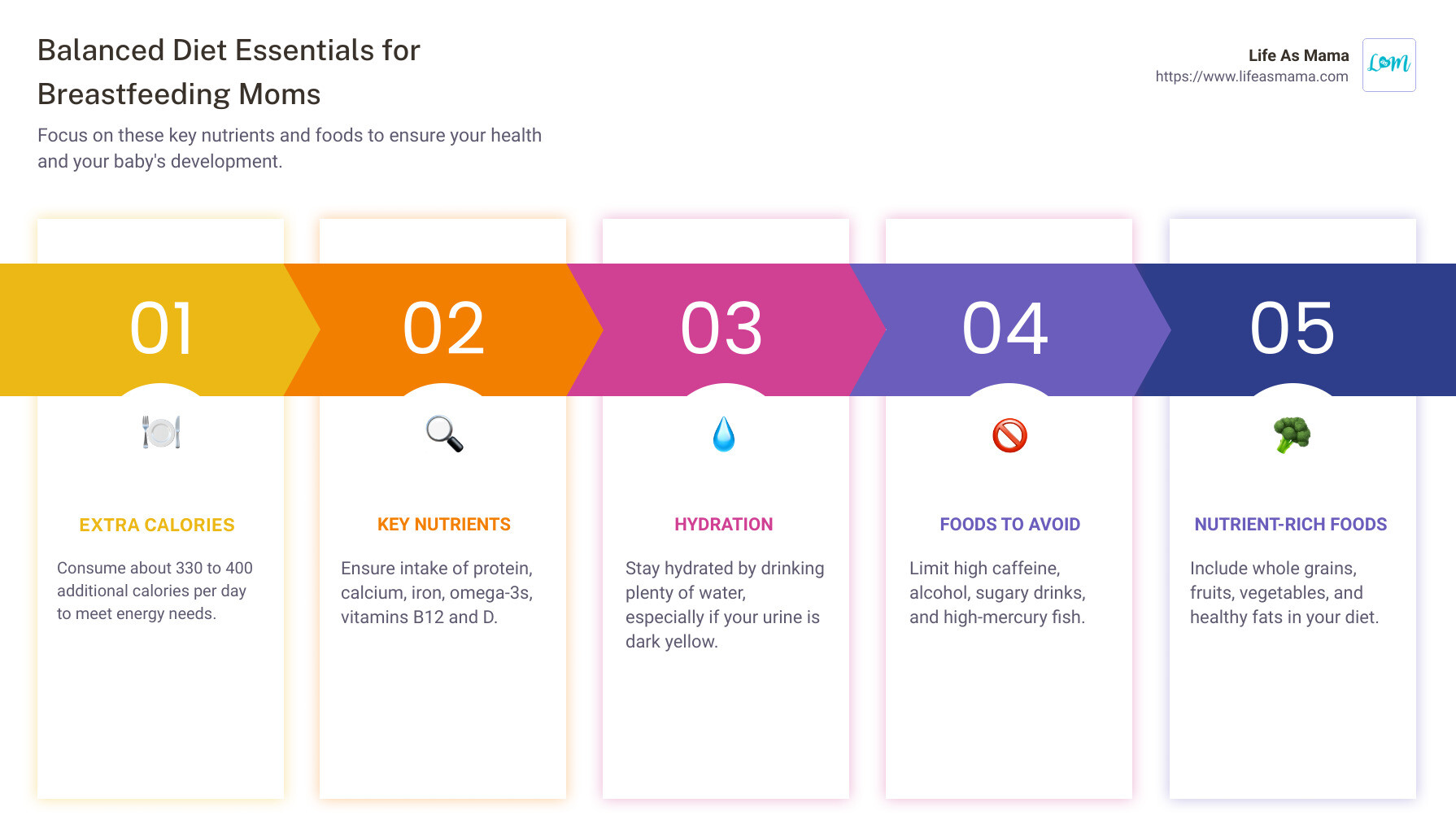
- Extra Calories Needed: About 330 to 400 additional calories per day.
- Key Nutrients to Focus On: Protein, calcium, iron, omega-3 fatty acids, vitamins B12 and D.
- Stay Hydrated: Drink plenty of water, especially if your urine is dark yellow.
- Foods to Avoid: High caffeine, alcohol, sugary drinks, and high-mercury fish.
Caring for a newborn while maintaining your health and energy can be challenging. But understanding the basics of a balanced diet for breastfeeding mom can make it simpler. Eating a variety of nutrient-rich foods not only keeps you going but also supports your baby’s growth and development.
My name is Amanda Schmitt, and I’ve dedicated my time to helping moms steer the beautiful yet challenging journey of motherhood. In my previous career as an Occupational Therapist, I understood the importance of a balanced diet, especially for breastfeeding moms, ensuring both mom and baby thrive.
Importance of a Balanced Diet for Breastfeeding Moms
A balanced diet for breastfeeding moms is more than just a list of foods to eat. It’s a vital part of ensuring both you and your baby are healthy and strong. Let’s explore why it’s so important.
Nutrient-Rich Foods for Milk Production
Breastfeeding is like a workout for your body. It requires extra energy and nutrients to produce milk. You need about 330 to 400 extra calories a day. But it’s not just about eating more; it’s about eating right.
Opt for nutrient-rich foods like lean meats, eggs, dairy, beans, and seafood low in mercury. These foods help fuel milk production and ensure your milk is packed with the nutrients your baby needs.
Supporting Baby’s Development
Your baby’s growth and development rely heavily on the quality of your breast milk. Eating a variety of foods can change the flavor of your milk, exposing your baby to different tastes. This might help them accept solid foods more easily later on.
Breast milk contains everything your baby needs for the first six months, except for vitamin D. Make sure you’re getting enough of this vitamin through fortified foods or supplements, especially if you have limited sun exposure.
Maternal Health and Energy Needs
Creating breast milk is demanding on your body. That’s why a balanced diet is crucial for maintaining your own health. Eating a variety of foods ensures you get all the macro- and micronutrients you need, like protein, calcium, and iron.
Protein-rich foods like lean meats, dairy, and legumes are essential. They help with tissue repair and muscle health. Calcium is crucial for bone strength, so include dairy products and leafy greens in your meals. Iron is important too, especially since you might have lost some during childbirth. Foods like beef and dark green vegetables are great sources.
Keeping Up with Energy Demands
Feeling tired? It’s no surprise. Breastfeeding increases your energy needs. To keep up, focus on whole grains, fruits, and vegetables. These foods provide the energy you need to care for your little one and yourself.
It’s not just about eating more but eating smarter. By focusing on a balanced diet, you’re taking care of your health and giving your baby the best start in life.
Next, we’ll explore the essential nutrients every breastfeeding mom should focus on to keep both her and her baby thriving.
Essential Nutrients for Breastfeeding Moms
Breastfeeding moms need a variety of nutrients to support their health and their baby’s development. Let’s break down the key nutrients and the best sources to include in your diet.
Protein Sources
Protein is vital for tissue repair and muscle health. Breastfeeding moms should focus on:
- Lean meats: Chicken, turkey, and lean cuts of beef provide high-quality protein.
- Eggs: A versatile protein source that also contains choline, important for brain health.
- Dairy: Milk, cheese, and yogurt are protein-rich and offer additional calcium.
- Beans and lentils: Great plant-based protein options, especially for vegetarians.
- Seafood: Fish like salmon and sardines are excellent protein sources and are low in mercury.
Calcium-Rich Foods
Calcium is crucial for maintaining strong bones. Include these in your diet:
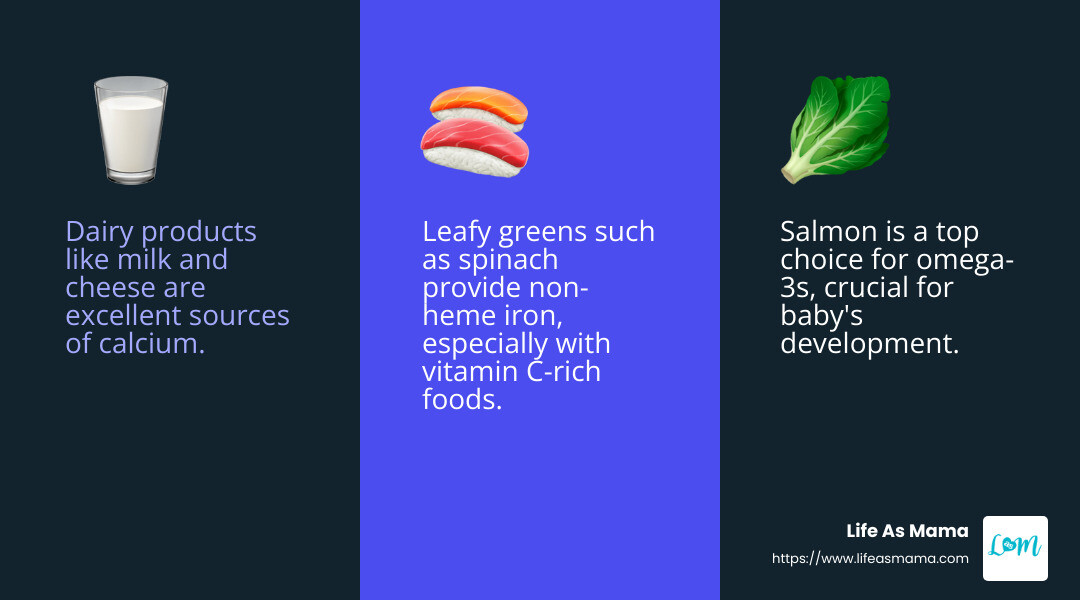
- Dairy products: Milk, cheese, and yogurt are excellent sources.
- Leafy greens: Spinach, kale, and collard greens are packed with calcium.
- Fortified foods: Some juices and cereals are enriched with calcium, offering additional options.
Iron-Rich Foods
Iron helps maintain healthy blood and energy levels. Consider these iron-rich foods:
- Beef and dark meat poultry: High in heme iron, which is easily absorbed by the body.
- Leafy green vegetables: Spinach and kale provide non-heme iron, especially when paired with vitamin C-rich foods.
- Iron-fortified cereals: A convenient way to boost your iron intake.
Omega-3 Fatty Acids
Omega-3s are essential for brain and eye development. Focus on these sources:
- Salmon: A top choice for omega-3s, particularly DHA, which is crucial for baby’s development.
- Chia seeds and flaxseed: Plant-based sources of omega-3s, ideal for vegetarians.
- Walnuts: A nutritious snack that provides healthy fats.
Vitamins and Minerals
A variety of vitamins and minerals are essential for both mom and baby:
- Vitamin B12: Found in animal products like meat, fish, and dairy. Vital for nerve function and red blood cell formation.
- Vitamin D: Important for bone health. Get it from sunlight, fatty fish, and fortified foods.
- Choline: Supports memory and brain function. Eggs and beef liver are excellent sources.
- Selenium: Found in Brazil nuts and seafood, it plays a role in metabolism and immune function.
- Iodine: Essential for thyroid function. Get it from iodized salt, dairy, and seafood.
By incorporating these nutrient-rich foods into your daily meals, you’re ensuring both you and your baby get the essential nutrients needed for optimal health and development. Next, we’ll dive into the specific foods to include in a balanced diet for breastfeeding moms.
Foods to Include in a Balanced Diet for Breastfeeding Moms
Eating a variety of nutritious foods is key to maintaining a balanced diet for breastfeeding moms. Here’s a closer look at the essential food groups to prioritize:
Whole Grains
Whole grains are packed with fiber and essential nutrients. They help keep you full longer and provide lasting energy.
- Brown rice: A great source of complex carbohydrates and fiber.
- Whole wheat bread: Offers more nutrients and fiber than white bread.
- Oatmeal: Rich in iron and helps boost milk production.
- Quinoa: A complete protein that’s also high in fiber and iron.
Fruits and Vegetables
Including a wide range of fruits and vegetables ensures you get plenty of vitamins, minerals, and antioxidants.
- Berries: Blueberries, strawberries, and raspberries are rich in antioxidants and vitamin C.
- Tomatoes and bell peppers: High in vitamin C, which helps with iron absorption.
- Broccoli: Packed with vitamins A, C, and K, as well as fiber.
- Sweet potatoes: A good source of beta-carotene, which is converted to vitamin A in the body.
Healthy Fats
Healthy fats are crucial for energy and the development of your baby’s brain and eyes.
- Avocados: Provide heart-healthy monounsaturated fats.
- Olive oil: Rich in antioxidants and healthy fats.
- Full-fat yogurt: Offers probiotics and healthy fats for digestion and health.
- Nuts and seeds: Almonds, walnuts, chia seeds, and flaxseeds are excellent sources of omega-3 fatty acids and fiber.
Fiber-Rich Starches
Fiber-rich starches support digestion and provide steady energy.
- Potatoes: A versatile source of carbohydrates and fiber.
- Butternut squash: High in vitamins A and C, and a great addition to meals.
- Beans and lentils: Offer plant-based protein and are rich in iron and fiber.
By incorporating these foods into your meals, you’re not only supporting your own health but also ensuring your baby gets the best start in life. Next, we’ll explore which foods and drinks to limit or avoid while breastfeeding.
Foods and Drinks to Limit or Avoid
While maintaining a balanced diet for breastfeeding moms, it’s important to be mindful of certain foods and drinks that can affect both you and your baby. Here’s what to watch out for:
Caffeine
Caffeine can sneak into your day through coffee, tea, and even some sodas. While a little caffeine is okay, limit intake to 2-3 cups a day. Too much caffeine can make your baby irritable and disrupt their sleep.
Alcohol
If you enjoy an occasional drink, timing is key. Wait before breastfeeding after consuming alcohol to ensure it has cleared from your system. This usually takes about two to three hours per drink. The concept of “pump and dump” doesn’t speed up alcohol removal but can help if you need to relieve engorgement.
High-Mercury Fish
Fish can be a great source of omega-3 fatty acids, but some types contain high levels of mercury which can harm your baby’s developing nervous system. Avoid fish like swordfish, king mackerel, and tilefish. Opt for safer options like salmon or sardines instead.
Sugary Drinks and Processed Foods
Sugary drinks and processed foods might be convenient, but they often lead to weight gain and offer little nutritional value. These foods can be high in empty calories and low in the nutrients you need to support milk production and overall health. Choose water, herbal teas, and whole foods whenever possible.
By being mindful of these potential pitfalls, you can help ensure a healthier diet for both you and your baby. Up next, we’ll discuss special considerations for vegetarian and vegan diets.
Special Considerations for Vegetarian and Vegan Diets
Breastfeeding while following a vegetarian or vegan diet can be perfectly healthy, but it does require some extra planning to ensure you’re getting all the nutrients you need. Here’s how to make sure you’re meeting your dietary needs:
Plant-Based Protein Sources
Protein is essential for both you and your baby’s health. While meat is off the menu, there are plenty of great plant-based protein sources to keep you fueled:
- Soy products: Tofu, tempeh, and edamame are all high in protein.
- Legumes: Lentils, chickpeas, and beans are not only protein-rich but also full of fiber.
- Nuts and seeds: Almonds, chia seeds, and hemp seeds are great for snacking or adding to meals.
- Whole grains: Quinoa, brown rice, and whole wheat bread can provide protein along with other essential nutrients.
Iron and Calcium
Iron and calcium are crucial for maintaining your energy levels and bone health. Without meat or dairy, you’ll need to find alternative sources:
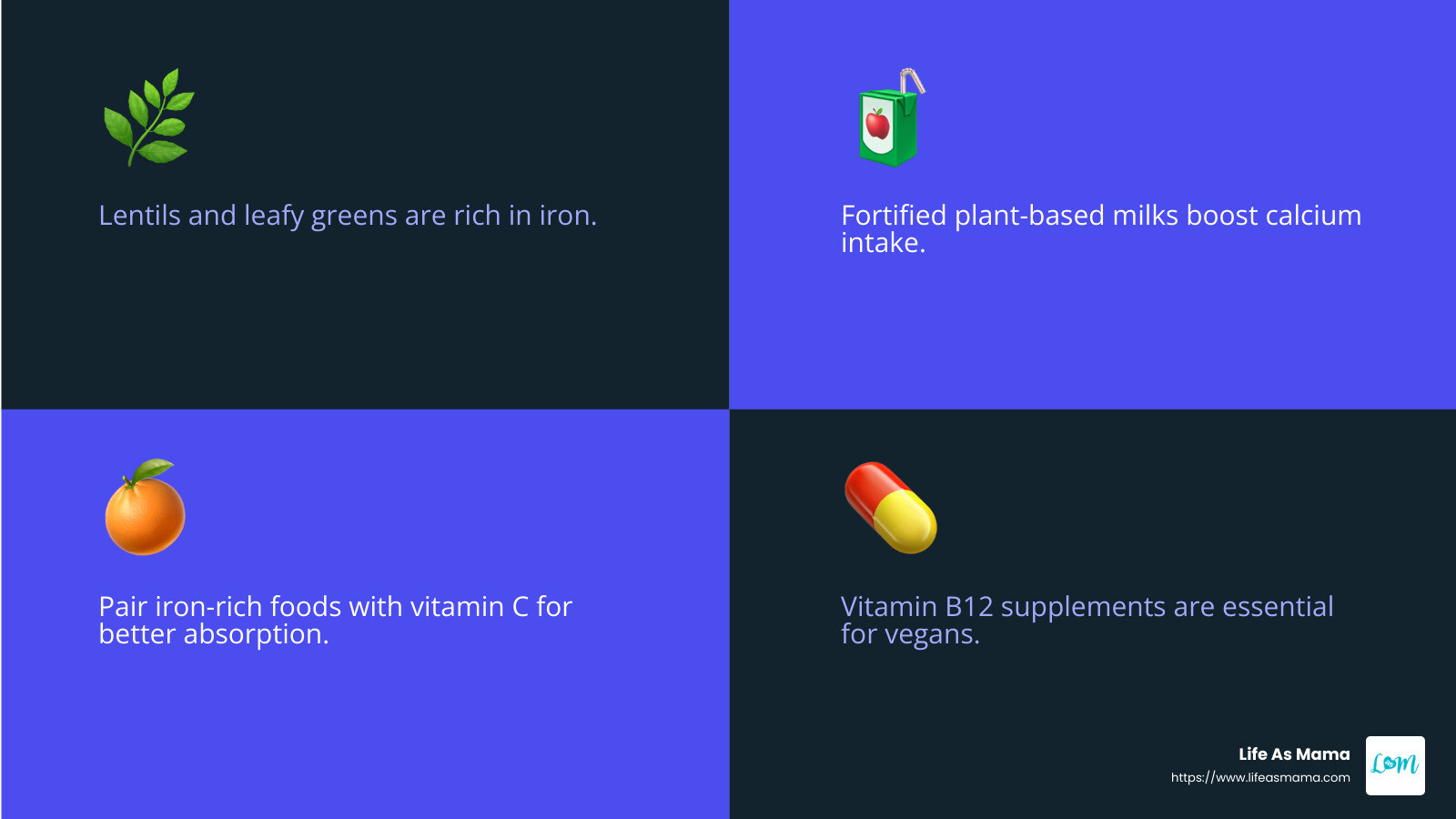
- Iron: Lentils, enriched cereals, and leafy greens like spinach are excellent plant-based sources. Pair them with vitamin C-rich foods like bell peppers or oranges to improve absorption.
- Calcium: Look for fortified products like plant-based milks and juices. Leafy greens such as kale and bok choy are also good sources.
Vitamin B12 and Omega-3 Supplements
Vitamin B12 and omega-3 fatty acids are often lacking in vegetarian and vegan diets, but they’re vital for your health and your baby’s development.
- Vitamin B12: This vitamin is crucial for nerve function and making DNA. Since it’s primarily found in animal products, consider a daily supplement or fortified foods like nutritional yeast.
- Omega-3 Supplements: Essential for brain health, omega-3s can be found in flaxseeds, chia seeds, and walnuts. However, for DHA and EPA, which are specific types of omega-3s important during breastfeeding, a supplement derived from algae can be a good option.
By focusing on these nutrient-rich foods and considering supplements where needed, you can maintain a balanced diet for breastfeeding moms that aligns with your vegetarian or vegan lifestyle.
Next, we’ll explore how hydration plays a critical role in supporting breastfeeding.
Hydration Needs for Breastfeeding Moms
Staying hydrated is crucial for breastfeeding moms. While it’s a common belief that you need to drink gallons of water, the reality is more straightforward: listen to your body’s thirst signals.
Fluid Intake and Hydration
Breastfeeding can make you feel thirsty, so it’s important to drink enough fluids to stay hydrated. Aim for about 128 ounces (or roughly 16 cups) of fluids each day from all sources. This doesn’t mean just water – juices, milk, and even the water content in fruits and vegetables count.
-
Water: Your best friend during breastfeeding. Keep a bottle handy and take sips throughout the day. Drinking a glass of water every time you nurse can help meet your fluid needs.
-
Other Drinks: While water is ideal, you can also enjoy milk, herbal teas, and diluted fruit juices. Just be cautious with sugary drinks and caffeinated beverages, as too much sugar can affect your weight and caffeine can agitate your baby.
Hydration and Milk Production
While being slightly dehydrated won’t drastically affect your milk supply, it can lead to other issues like fatigue and constipation. Your milk supply is generally resilient, but staying well-hydrated ensures you feel your best.
-
Thirst Signals: Pay attention to them! If you’re thirsty, drink. If your urine is dark yellow, it’s a sign you need more fluids.
-
Milk Production: Proper hydration supports your body’s ability to produce milk. However, your body is pretty smart and will prioritize milk production even if you’re a bit low on fluids.
Practical Tips
-
Routine: Make a habit of drinking a glass of water with every meal and snack.
-
Visual Reminders: Keep a water bottle in sight to remind yourself to drink.
-
Flavor Boost: If plain water isn’t appealing, try adding a slice of lemon or cucumber for a refreshing twist.
By staying attuned to your body’s needs and maintaining a steady intake of fluids, you can support both your health and your baby’s nutritional needs.
Next, we’ll address some common questions about maintaining a balanced diet while breastfeeding.
Frequently Asked Questions about Balanced Diet for Breastfeeding Moms
What is the best diet for breastfeeding mothers?
A balanced diet for breastfeeding moms should include a variety of nutrient-rich foods to support both your health and your baby’s development. Focus on:
-
Vegetables: Aim for a colorful plate with options like broccoli, bell peppers, and sweet potatoes. They provide essential vitamins and minerals.
-
Whole Grains: Incorporate brown rice, quinoa, and whole wheat bread. These grains offer energy and fiber to keep you full and energized.
-
Proteins: Opt for lean meats such as chicken and turkey, along with plant-based proteins like beans and lentils. Seafood is also excellent, but choose low-mercury options like salmon.
-
Nuts and Seeds: Almonds, walnuts, chia seeds, and flaxseeds are great for healthy fats and protein.
What foods should I avoid during breastfeeding?
While most foods are safe, some should be limited to avoid potential issues for your baby:
-
Caffeine: Limit intake to 2-3 cups of coffee per day. Excessive caffeine can make your baby irritable or disrupt their sleep.
-
High-Mercury Fish: Avoid swordfish, king mackerel, and tilefish to reduce mercury exposure, which can affect your baby’s nervous system.
-
Gassy Foods: Foods like cabbage and onions might make you gassy but typically don’t affect your baby. However, if you notice fussiness, consider moderating these.
-
Chocolate, Garlic, and Peppermint: These might alter the taste of your milk, which some babies might not like. Monitor your baby’s reactions and adjust as needed.
How much fluid do I need while breastfeeding?
Hydration is key for milk production and overall well-being:
-
Drink When Thirsty: Let your thirst guide you. Aim for about 128 ounces (16 cups) of fluids daily from all sources, including water, milk, and juices.
-
Watch for Signs: Dark yellow urine indicates dehydration, so increase your fluid intake if you notice this.
-
Hydration Tips: Keep a water bottle handy, and drink a glass of water with every meal and snack. Adding a slice of lemon can make water more enticing.
Understanding these dietary tips can help you maintain a balanced diet and support your baby’s growth. Next, we’ll explore considerations for vegetarian and vegan breastfeeding moms.
Key Takeaways for a Balanced Diet as a Breastfeeding Mom
As we wrap up our guide, it’s clear that making healthy choices is crucial for both your well-being and your baby’s development. At Life As Mama, we know that motherhood can be a whirlwind, and maintaining a balanced diet might seem challenging. But with practical tips and a bit of planning, you can nourish yourself effectively.
Your baby’s health starts with you. By focusing on a variety of nutrient-rich foods, you’re not only supporting your own recovery but also ensuring your baby gets the best start in life. A balanced diet fuels your energy levels, aids in milk production, and contributes to your overall maternal well-being.
Here are some practical tips to keep in mind:
-
Plan Your Meals: Dedicate some time each week to plan nutritious meals. Include a mix of proteins, whole grains, fruits, and vegetables.
-
Stay Hydrated: Keep a bottle of water within reach, especially during feeding times, to stay hydrated and support milk production.
-
Listen to Your Body: Pay attention to hunger and thirst signals, and adjust your intake accordingly. Your body knows what it needs.
For those seeking additional guidance, our Top Keto Shakes for Weight Loss Reviewed page offers insights into meal replacements that can fit into a balanced diet.
By prioritizing your nutrition, you’re taking an essential step towards a healthy and happy motherhood journey. You’re doing an amazing job, and every small effort counts towards a healthier future for you and your baby.
Related Images:

Amanda Schmitt
Latest posts by Amanda Schmitt (see all)
- Healthy and Quick Back to School Breakfast Ideas - August 27, 2026
- 20 DIY Easter Centerpieces That Aren’t Just for Kids - October 9, 2025
- 18 Adult Birthday Party Themes for a Sophisticated Celebration - October 3, 2025