Finding Balance: Weight Loss for Nursing Moms
Weight loss for nursing moms can feel like a balancing act. The demands of caring for a newborn, maintaining milk supply, and recovering from childbirth make this journey unique and challenging. If you’re looking for ways to shed those postpartum pounds, here are some quick tips to get you started:
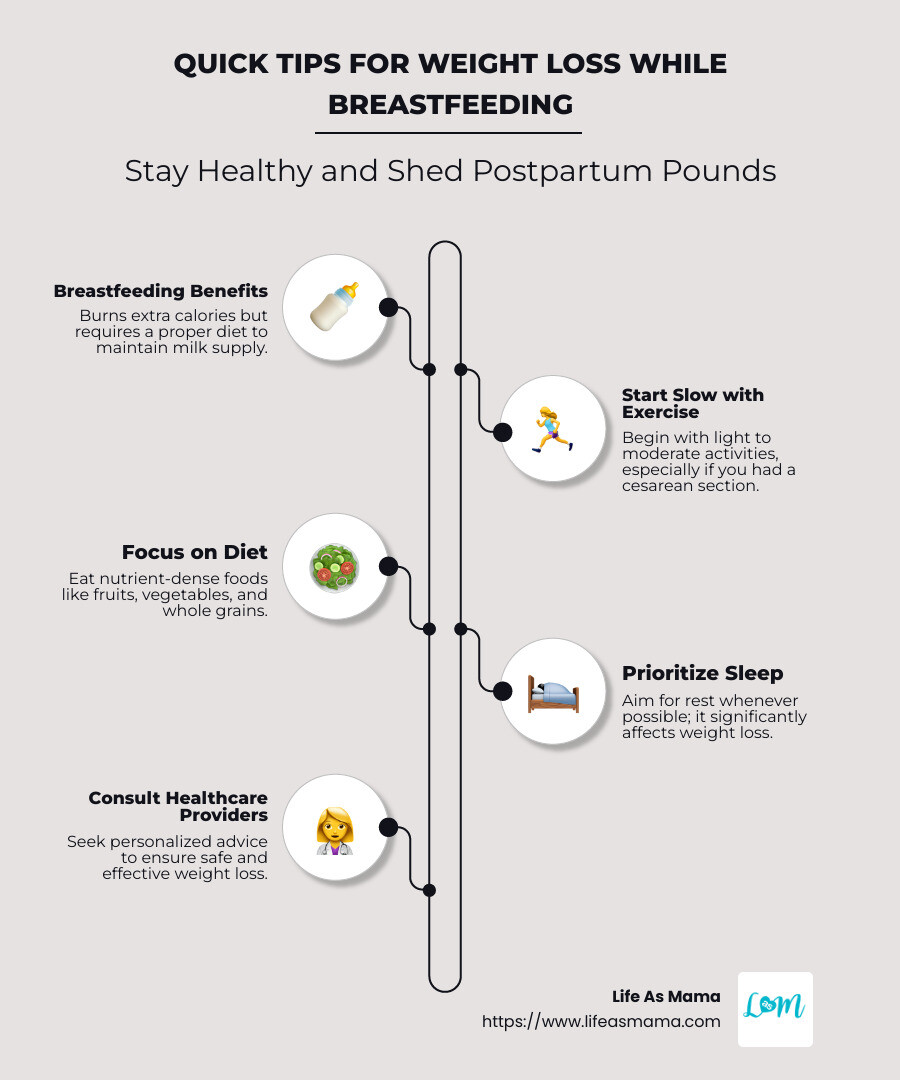
- Breastfeeding: It burns extra calories but needs a proper diet to avoid affecting milk supply.
- Exercise: Light to moderate activities are beneficial; start slow, especially after a cesarean section.
- Diet: Focus on nutrient-dense foods like fruits, vegetables, and whole grains.
- Sleep: Aim for rest whenever you can—it affects weight loss.
- Consultation: Talk to healthcare providers for personalized advice.
Navigating postpartum weight loss while breastfeeding requires a careful approach. The joy of becoming a mother often comes with the added challenge of shedding pregnancy weight safely and effectively. Maintaining a balanced diet, incorporating gentle exercise, and focusing on gradual weight loss are key elements. These steps not only promote weight loss but also ensure you and your baby stay healthy.
I’m Amanda Schmitt, a former Occupational Therapist and now a full-time mom. Having both the clinical insight and personal experience, I understand the intricacies of weight loss for nursing moms. Let’s explore how you can achieve your health goals while nurturing your newborn.
Let’s dive deeper into understanding postpartum weight loss.
Weight loss for nursing moms terms made easy:
– best food for nursing mom
– diets for breastfeeding moms
– is keto diet safe for nursing moms
Understanding Postpartum Weight Loss
Why is it Hard to Lose Weight While Breastfeeding?
Losing weight while breastfeeding can be challenging due to several factors:
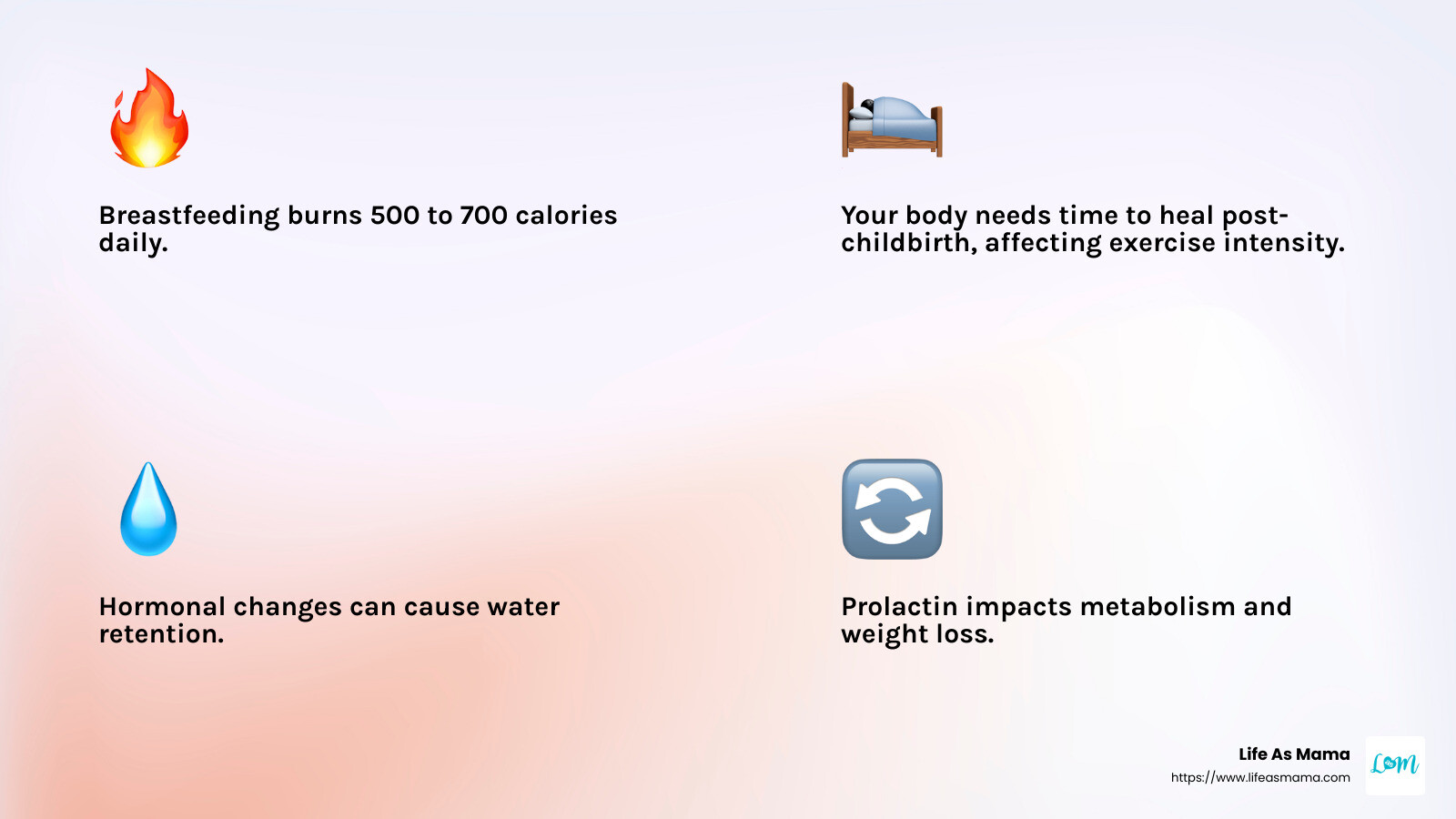
- Calorie Intake: Breastfeeding burns 500 to 700 calories per day, which means you need to consume extra calories to maintain your milk supply. This can make it harder to create a calorie deficit for weight loss.
- Exercise Limitations: After childbirth, especially if you had a cesarean section, your body needs time to heal. This limits the intensity and types of exercises you can perform initially.
- Water Retention: Hormonal changes can cause your body to retain water, making you feel and look heavier than you actually are.
- Hormone Levels: Hormones like prolactin, which is responsible for milk production, can also impact your metabolism and weight loss efforts.
Safe Weight Loss Goals
It’s crucial to set realistic and safe weight loss goals while breastfeeding:
- 1-2 Pounds Per Week: Aim to lose about 1 to 2 pounds per week. This gradual approach is safer and more sustainable in the long run.
- 500 Extra Calories: Since breastfeeding burns a significant amount of calories, you can safely consume around 500 extra calories per day without affecting your weight loss goals.
- Nutrient-Rich Foods: Focus on a diet rich in fruits, vegetables, whole grains, and lean proteins. These foods provide the necessary nutrients for both you and your baby.
- Gradual Weight Loss: Avoid crash diets or extreme calorie restrictions. These can affect your milk supply and overall health. Instead, aim for a balanced approach that includes moderate exercise and a healthy diet.
Key Factors Affecting Postpartum Weight Loss
Several factors can influence how quickly you lose the weight gained during pregnancy:
- Recovery Time: Whether you had a vaginal delivery or a cesarean section, giving your body adequate time to heal is essential. Consult your healthcare provider before starting any exercise regimen.
- Calorie Needs: Your calorie needs will vary based on your activity level. A sedentary lifestyle requires 2,250 to 2,500 calories per day, while an active lifestyle may require up to 2,900 calories.
- Breastfeeding Benefits: Breastfeeding itself can aid in weight loss by burning extra calories. However, the amount of weight lost varies from person to person.
- Metabolism: Your metabolic rate plays a significant role in how quickly you can lose weight. Factors like sleep, stress, and overall health can impact your metabolism.
- Diet and Exercise: A balanced diet and regular, moderate exercise are key to losing weight safely. Start with light activities like walking and gradually increase the intensity as your body heals.
Understanding these factors can help you steer the complexities of postpartum weight loss while ensuring you and your baby stay healthy.
Now that we’ve covered the basics, let’s dive into some practical diet tips for nursing moms.
Diet Tips for Nursing Moms
Healthy Eating Tips
Eating well while breastfeeding is essential for both you and your baby. Here are some tips to keep you on track:
- Balanced Diet: Aim for a balanced diet that includes foods from all five food groups. This ensures you get a variety of nutrients.
- Lean Protein: Choose lean meats, skinless poultry, fish, beans, eggs, nuts, and seeds. Aim for 8-12 ounces of seafood per week from low-mercury sources like salmon and shrimp.
- Whole Grains: Opt for whole-wheat bread, brown rice, and whole-wheat pasta instead of refined grains. Whole grains provide more nutrients and fiber.
- Fruits and Vegetables: Fill half your plate with colorful fruits and vegetables. They are rich in vitamins, minerals, and antioxidants.
- Healthy Fats: Use healthy oils, such as olive and canola oil, in your cooking. These contain beneficial fats that support overall health.
Meal Frequency and Hydration
- Meal Frequency: Eat three meals a day and include healthy snacks between meals. This helps maintain your energy levels and supports milk production.
- Hydration: Drink plenty of water and decaffeinated, unsweetened beverages to stay hydrated. Breastfeeding increases your fluid needs, so always have a bottle of water handy.
Nutrient-Rich Foods
- Calcium: Include three servings of low-fat or fat-free milk, yogurt, or cheese each day. If lactose intolerant, try lactose-free milk or calcium-fortified soy milk.
- Iron: Incorporate iron-rich foods like lean meats, beans, and fortified cereals. Iron is crucial for energy and overall health.
- Folic Acid: Found in leafy greens, beans, and fortified cereals, folic acid supports your baby’s development and your health.
Foods to Avoid
- Empty Calories: Avoid foods high in added sugars and unhealthy fats, such as candy, chips, and pastries. These offer little nutritional value.
- Sugary Drinks: Limit sugary beverages like soda and fruit juices. They can add unnecessary calories without providing essential nutrients.
- High-Mercury Fish: Avoid fish high in mercury, such as shark, swordfish, king mackerel, and tilefish. Mercury can harm your baby’s developing nervous system.
By focusing on nutrient-rich foods and maintaining a balanced diet, you can support your health and your baby’s development. Next, let’s look at some safe exercises for nursing moms.
Exercise and Physical Activity
Staying active after childbirth is beneficial for your physical and mental health. Here are some safe ways to get moving:
Safe Exercises for Nursing Moms
Before starting any exercise routine, get clearance from your doctor. Once you have the green light, begin with postpartum-safe workouts. Here are some options:
- Walking: Start with short walks around your neighborhood. Gradually increase the duration and intensity as you feel more comfortable. Walking with your baby in a stroller is a great way to bond and get some fresh air.
- Yoga: Postpartum yoga can help improve flexibility, strength, and relaxation. Look for classes specifically designed for new moms.
- Postpartum-Safe Workouts: Focus on gentle exercises that don’t strain your body. Pelvic floor exercises, light stretching, and low-impact aerobics are good choices.
Ease into exercise gradually. Aim for 20-30 minutes per day, working up to 150 minutes of moderate activity per week. Listen to your body and adjust your routine as needed.
Staying Hydrated
Hydration is crucial, especially while breastfeeding. Here are some tips to stay well-hydrated:
- Water Intake: Aim for 12 cups (96 fluid ounces) of water each day. Keep a water bottle with you to remind yourself to drink throughout the day.
- Avoid Sugary Drinks: Skip sugary beverages like sodas and fruit juices. They add empty calories without providing essential nutrients.
- Hydration Tips: Drink a glass of water before and after breastfeeding. Herbal teas and infused water can also help keep you hydrated.
Staying hydrated supports your overall health and helps maintain your milk supply.
By incorporating these exercises and hydration tips into your routine, you can safely work towards your weight loss goals while caring for your baby. Next, let’s address some frequently asked questions about weight loss for nursing moms.
Frequently Asked Questions about Weight Loss for Nursing Moms
Why is it so hard to lose weight while breastfeeding?
Losing weight while breastfeeding can be challenging due to several factors:
- Calorie Intake: Breastfeeding moms need extra calories to produce milk. This means you can’t cut calories too drastically without affecting your milk supply.
- Exercise: Finding time and energy to exercise with a new baby can be difficult. Recovery from childbirth also means you need to start slow.
- Water Retention: Hormonal changes can cause your body to retain water, making it harder to see immediate weight loss.
- Hormone Levels: Hormones like prolactin, which helps with milk production, can also increase appetite and make it harder to lose weight.
What is the fastest way to lose weight while breastfeeding?
The fastest way to lose weight while breastfeeding involves a balanced approach:
- Diet: Focus on nutrient-rich foods like lean proteins, whole grains, fruits, and vegetables. Avoid empty calories from sugary snacks and drinks.
- Exercise: Incorporate moderate physical activity, like brisk walking or postpartum yoga. Aim for at least 150 minutes of moderate exercise per week.
- Moderate Calorie Restriction: Don’t go below 1,800 calories per day. Cutting calories too much can reduce your milk supply.
- Hydration: Drink plenty of water to stay hydrated and support milk production.
Why is losing weight postpartum so hard?
Several factors make postpartum weight loss challenging:
- Sleep Issues: New moms often face sleep deprivation, which can affect metabolism and make it harder to lose weight.
- Breastfeeding: While breastfeeding burns calories, it also requires you to eat more, making weight loss a balancing act.
- Hormone Imbalances: Postpartum hormones can affect your metabolism and appetite, making weight loss more difficult.
- Stress and Anxiety: The emotional toll of caring for a newborn can lead to stress eating and less motivation for exercise.
Understanding these challenges can help you set realistic weight loss goals and find a balanced approach that works for you. Now, let’s look into some practical diet tips for nursing moms.
Conclusion: Key Takeaways for Nursing Moms on Weight Loss
At Life As Mama, we understand the unique challenges that come with postpartum weight loss. Our goal is to provide you with practical tips, family-friendly guides, and a balanced approach to help you steer this journey.
Gradual Weight Loss: Aim for a slow and steady weight loss of about 1-2 pounds per week. This ensures you don’t compromise your milk supply while still making progress toward your goals.
Balanced Diet: Focus on nutrient-rich foods like lean proteins, whole grains, fruits, and vegetables. Avoid empty calories from sugary snacks and drinks. What you eat directly affects both your health and your baby’s.
Exercise: Incorporate moderate physical activity into your routine. Start with walking or postpartum-safe workouts and gradually increase your intensity. Always get clearance from your doctor before starting any new exercise regimen.
Hydration: Drink plenty of water. Staying hydrated is crucial for milk production and overall health. Avoid sugary drinks and limit caffeine intake.
We hope these tips help you achieve weight loss for nursing moms in a healthy and sustainable way. For more family-friendly guides and practical tips, check out our review of the top keto shakes for weight loss.
Every mom’s journey is unique. Be kind to yourself and celebrate every small victory along the way.
Related Images:

Amanda Schmitt
Latest posts by Amanda Schmitt (see all)
- Healthy and Quick Back to School Breakfast Ideas - August 27, 2026
- 20 DIY Easter Centerpieces That Aren’t Just for Kids - October 9, 2025
- 18 Adult Birthday Party Themes for a Sophisticated Celebration - October 3, 2025