Is keto diet safe for nursing moms? This is a question that many new mothers ask when considering dietary options postpartum. For a quick overview:
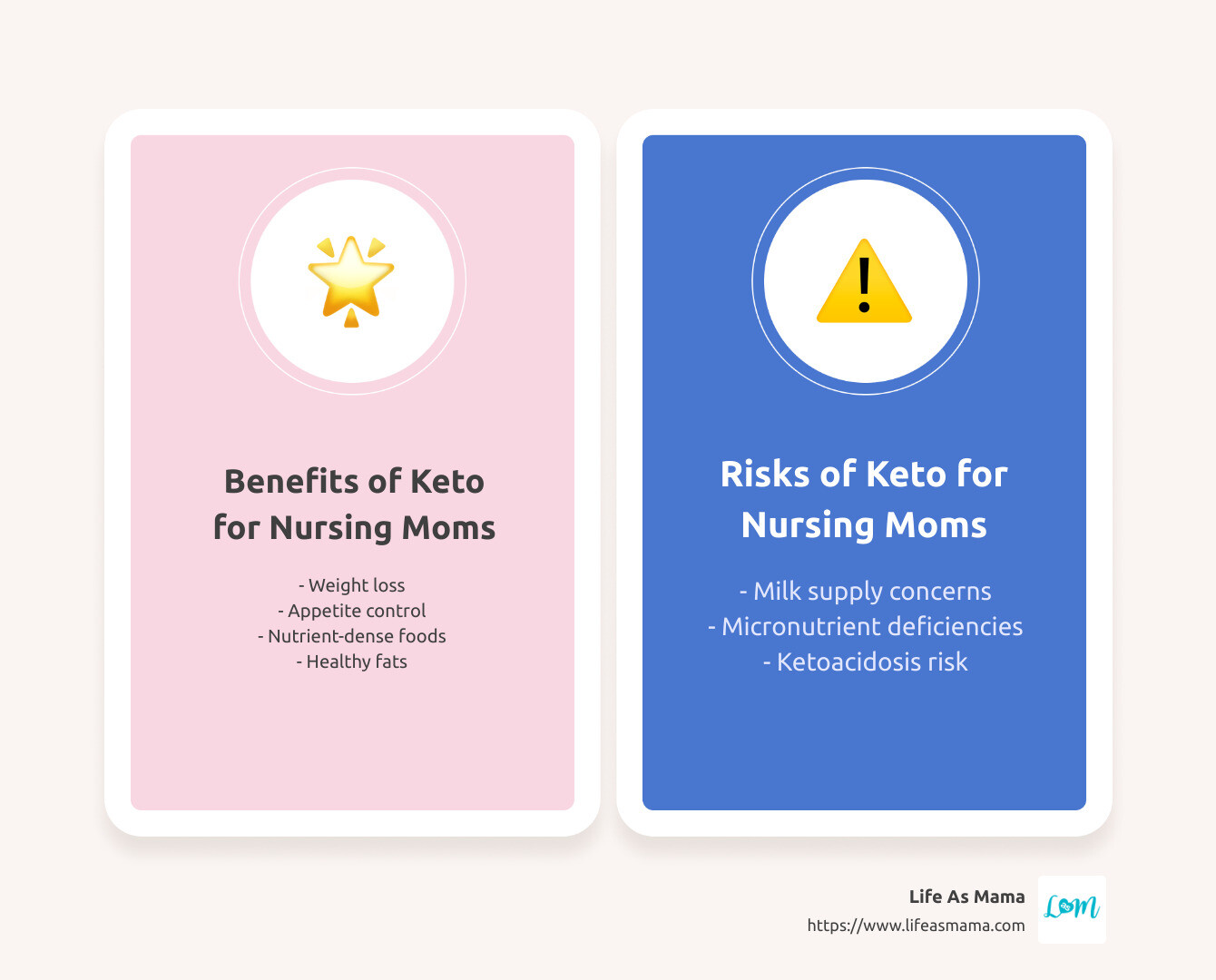
- Milk Supply Concerns: The keto diet can sometimes cause a drop in milk supply.
- Micronutrient Deficiencies: Restricting fruits, grains, and some vegetables may lead to deficiencies in essential vitamins and minerals.
- Ketoacidosis Risk: Severe breastfeeding ketoacidosis, although rare, can be life-threatening.
Breastfeeding moms need to be cautious with the ketogenic diet due to these potential health risks. While keto has gained popularity for weight loss, it may not be the best choice for everyone, especially nursing mothers who need balanced nutrition.
As Amanda Schmitt, with over a decade of experience in healthcare and motherhood, I bring valuable insights on is keto diet safe for nursing moms. My background ensures a deep understanding of the unique nutritional needs of both mother and baby.
Easy is keto diet safe for nursing moms word list:
– best food for nursing mom
– breastfeeding mom food to avoid
– diets for breastfeeding moms
Understanding the Keto Diet
The keto diet is a low-carb, high-fat diet designed to shift your body into a metabolic state called ketosis. In ketosis, your body burns fat for energy instead of glucose. This can help with weight loss and improve metabolic health. But for breastfeeding moms, it’s crucial to understand how this diet works and what foods to eat or avoid.
What Foods to Eat on Keto
To stay in ketosis, you’ll want to focus on foods that are high in fat and low in carbs. Here are some common choices:
- Meat: Beef, pork, chicken, and other meats are staples. They’re rich in protein and fats.
- Fatty Fish: Salmon, mackerel, and sardines provide healthy fats and omega-3s.
- Cheese: Most types of cheese are low in carbs and high in fat.
- Butter: A great source of fat, perfect for cooking and adding to dishes.
- Eggs: Versatile and nutrient-dense, eggs are a keto staple.
- Non-Starchy Vegetables: Think leafy greens like spinach and kale, as well as broccoli and zucchini.
These foods help you maintain ketosis while providing essential nutrients.
Foods to Avoid on Keto
Certain foods can kick you out of ketosis, so it’s important to avoid them:
- Alcohol: Most alcoholic drinks are high in carbs and sugars.
- Sugary Foods: Sweets, candies, and desserts are a no-go.
- Grains: Bread, pasta, rice, and other grains are packed with carbs.
- Starches: Potatoes, corn, and similar starchy vegetables should be avoided.
- Fruit: While fruits are generally healthy, they can be high in sugars and carbs.
- Unhealthy Fats: Avoid trans fats and highly processed oils like vegetable oil and mayo.
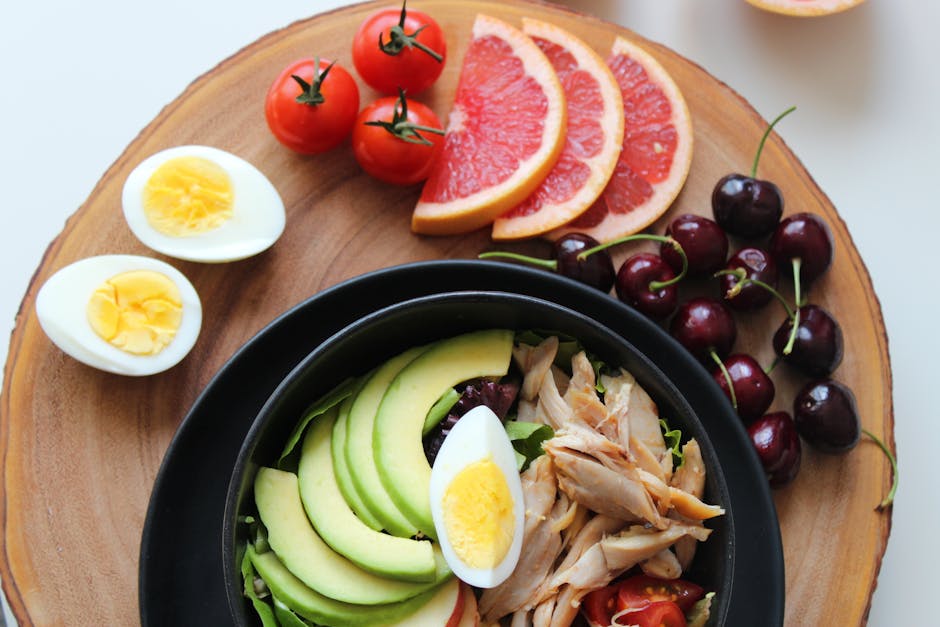
By sticking to keto-friendly foods and avoiding high-carb options, you can maintain the metabolic state of ketosis, which is essential for the diet to work effectively.
Navigating the keto diet while breastfeeding requires careful planning. The next section will dive into the potential risks and benefits of following this diet while nursing.
Is Keto Diet Safe for Nursing Moms?
Navigating the keto diet while breastfeeding requires careful consideration. While the keto diet can offer some benefits, it also comes with risks that nursing mothers should be aware of.
Risks of Keto While Breastfeeding
Ketoacidosis: One of the most serious risks is a condition called ketoacidosis. This rare but severe condition happens when ketone levels become dangerously high, making the blood too acidic. Symptoms include nausea, vomiting, abdominal pain, and confusion. If you experience any of these symptoms, seek medical attention immediately.
Milk Supply: Reducing carbohydrate intake drastically can affect your energy levels and potentially decrease your milk supply. Carbohydrates are a primary energy source, and cutting them out suddenly may lead to insufficient energy for milk production.
Hydration: The keto diet has a diuretic effect, meaning it can lead to frequent urination and dehydration. Breastfeeding mothers already need extra fluids, so this can complicate things further. Dehydration can also impact milk supply.
Caloric Intake: Breastfeeding moms need extra calories to support milk production. A restrictive diet like keto can make it hard to get enough calories, leading to fatigue and other health issues.
Keto Flu: When starting the keto diet, some people experience “keto flu,” which includes symptoms like fatigue, headache, dizziness, and irritability. This can make the already challenging postpartum period even more difficult.
Muscle Loss: Without enough carbs, your body may start breaking down muscle tissue for energy. This is not ideal, especially when you need to be strong and healthy to care for your newborn.
Bad Breath and Smelly Urine: High levels of ketones can cause bad breath and smelly urine, which can be unpleasant and embarrassing.
Digestion Issues: The keto diet can lead to constipation and other digestive issues due to low fiber intake.
Benefits of Keto While Breastfeeding
Despite the risks, there are also some potential benefits of the keto diet for breastfeeding moms:
Weight Loss: One of the main reasons people turn to keto is for weight loss. For new moms looking to shed baby weight, the keto diet can be effective.
Appetite Control: High-fat foods can help you feel full longer, reducing the urge to snack frequently. This can be particularly helpful when you’re busy caring for a newborn.
Nutrient-Dense Foods: The keto diet encourages the consumption of nutrient-dense foods like fatty fish, eggs, and leafy greens. These foods are rich in essential nutrients that can support both mom and baby.
Healthy Fats: The diet promotes the intake of healthy fats like omega-3s, which are crucial for brain health and development. These fats can benefit both the nursing mother and her baby.
Pediatricians’ Recommendations
Most pediatricians recommend a balanced diet rich in various nutrients over restrictive diets like keto. They emphasize the importance of hydration, caloric intake, and a steady supply of essential nutrients. Before starting any diet, especially one as restrictive as keto, consult your healthcare provider and a lactation consultant to ensure it’s safe for you and your baby.
Navigating the keto diet while breastfeeding can be challenging but manageable with the right precautions. The next section will cover nutritional needs during breastfeeding to help you make informed decisions.
Nutritional Needs During Breastfeeding
Breastfeeding is a critical time for both mother and baby, and maintaining a balanced diet is essential for ensuring that both receive the necessary nutrients. Here’s what you need to know:
Essential Nutrients for Nursing Moms
Protein: This is the building block for tissues and organs, crucial for both mom’s recovery and baby’s growth. Aim for at least 65 grams of protein per day. Good sources include lean meats, poultry, fish, dairy products, nuts, and legumes.
Whole Grains: Whole grains like whole-wheat bread, pasta, cereal, and oatmeal provide essential fiber, vitamins, and minerals. They help maintain energy levels and support digestive health.
Vegetables and Fruits: Aim for three servings of vegetables (especially dark green and yellow ones) and two servings of fruit daily. These provide essential vitamins like Vitamin A, which supports cell specialization, immune function, vision, and bone growth.
Dairy: Dairy products are rich in calcium, which is vital for bone health. Include yogurt, milk, and cheese in your diet. If you’re lactose intolerant, consider calcium-fortified alternatives like soymilk.
Hydration: Breastfeeding increases your fluid needs. Drink enough water to satisfy your thirst, and consider hydrating foods like fruits and vegetables.
Choline: Essential for cognitive function, choline can be found in eggs (especially the yolk), chicken liver, almonds, milk, and salmon.
Iron: Iron is critical for maintaining energy and preventing fatigue. Include iron-rich foods like beef, dark meat poultry, dark leafy greens, and iron-fortified cereals. Pair plant-based iron sources with vitamin C-rich foods to improve absorption.
Vitamin D: This vitamin supports immunity, blood-sugar metabolism, and bone health. Sources include sunlight, fatty fish, and fortified dairy products.
Impact of Keto on Breastfeeding Needs
While the keto diet can offer benefits like weight loss and appetite control, it may also impact essential nutritional needs during breastfeeding.
Nutrient Deficiencies: The restrictive nature of keto can lead to deficiencies in essential nutrients. For example, limiting fruits and whole grains can reduce intake of vitamins and minerals like Vitamin A, Iron, and Calcium.
Milk Supply Decrease: Carbohydrates are a primary energy source, and drastically reducing them can affect energy levels and milk production. Some mothers notice a decrease in milk supply when on a strict keto diet.
Dehydration: The keto diet has a diuretic effect, leading to frequent urination and potential dehydration. Since breastfeeding mothers already need extra fluids, this can further complicate hydration needs and impact milk supply.
Ketoacidosis: Although rare, severe ketoacidosis can occur when ketone levels become dangerously high, making the blood too acidic. This condition can lead to medical complications and requires immediate attention if symptoms like nausea, vomiting, and abdominal pain occur.
Navigating the keto diet while breastfeeding requires careful consideration of these nutritional needs and potential impacts. Up next, we’ll explore tips for successfully doing keto while breastfeeding to help you make informed choices.
Tips for Successfully Doing Keto While Breastfeeding
Navigating the keto diet while breastfeeding can be challenging but manageable with the right approach. Here are some practical tips to help you stay on track while ensuring both you and your baby get the nutrients you need.
Managing Cravings and Hunger
Gradual Transition: Instead of jumping straight into a strict keto diet, gradually reduce your carbohydrate intake. This helps your body adjust and minimizes the risk of sudden drops in milk supply.
Calorie Intake: Breastfeeding increases your caloric needs. Aim for at least 2,500 calories per day to maintain milk production. Focus on nutrient-dense foods to meet these needs without compromising your diet.
Hydration: Staying hydrated is crucial. The keto diet can have a diuretic effect, leading to frequent urination and potential dehydration. Drink plenty of water and consider hydrating foods like cucumbers and watermelon.
Electrolyte Balance: Electrolytes like sodium, potassium, and magnesium are essential for bodily functions. The keto diet can cause you to lose electrolytes through urination. Consume electrolyte-rich foods like avocados, leafy greens, and nuts. You can also use electrolyte supplements, but consult your healthcare provider first.
Nutrient-Dense Foods: Focus on foods that provide essential vitamins and minerals. Incorporate plenty of vegetables, fatty fish, and nuts into your diet to ensure you’re getting a broad range of nutrients.
Refined Carbs and Sugar Cravings: Breastfeeding moms often crave carbs and sugar due to sleep deprivation and hormonal changes. Avoid refined carbs and opt for low-carb fruits like strawberries, raspberries, and cantaloupe to satisfy your sweet tooth without kicking you out of ketosis.
Supplements to Consider
In addition to a balanced diet, certain supplements can support your health and milk production while on the keto diet.
Chromium: This mineral helps regulate blood sugar levels, reducing sugar cravings. It can be found in foods like broccoli, green beans, and nuts.
Vitamin B12: Essential for energy production, vitamin B12 is found in animal products like meat, fish, and dairy. If you’re vegan or vegetarian, consider a supplement.
Folate: Also known as vitamin B9, folate is crucial for cell division and growth. Leafy greens, avocados, and seeds are good sources, but a supplement can help ensure you’re getting enough.
Omega-3s: These fatty acids are vital for brain health and reducing inflammation. Fatty fish like salmon, chia seeds, and flaxseeds are excellent sources. Omega-3 supplements can also be beneficial.
Lactation-Boosting Herbs: Herbs like fenugreek, milk thistle, and red raspberry leaf can support milk production. Birds & Bees Teas offers a Red Raspberry Leaf Tea that many moms find helpful.
By following these tips, you can successfully steer the keto diet while breastfeeding. Up next, we’ll explore alternative diets for nursing moms that offer flexibility and balance.
Alternative Diets for Nursing Moms
Mediterranean Diet
The Mediterranean diet is inspired by the traditional eating habits of countries like Greece, Italy, and Spain. It’s known for its health benefits and is often recommended for nursing moms.
What to Eat:
– Whole Grains: Foods like whole-wheat bread, pasta, and oats.
– Healthy Oils: Olive oil is a staple.
– Fish and Shellfish: Salmon, sardines, and shrimp.
– Fruits and Vegetables: A variety of fresh produce, including leafy greens, tomatoes, and berries.
Benefits:
– Childhood Health: One study found that children of moms who followed a Mediterranean diet had lower rates of asthma and other inflammatory diseases.
– Weight Management: Another study showed that moms on this diet gained less fat while nursing.
Low Carb Diet
A low-carb diet is less restrictive than keto but still limits carbohydrate intake, making it a safer option for nursing moms.
What to Eat:
– Carbohydrates: Up to 130 grams per day, including complex carbs like quinoa and sweet potatoes.
– Protein and Fats: Similar to keto, focus on proteins like meat and fish, and healthy fats like avocados and nuts.
Benefits:
– Stored Fat: Helps the body burn some stored fat for energy.
– Lower Risk: Allows for more carbs, reducing the risk of ketoacidosis.
Paleo Diet
The Paleo diet focuses on unprocessed foods, mimicking what our paleolithic ancestors might have eaten.
What to Eat:
– High-Quality Foods: Meat, fish, eggs, vegetables, fruits, nuts, and seeds.
– Avoid: Grains, added sugars, dairy, and legumes.
Benefits:
– Nutrient-Dense: Emphasizes nutrient-rich foods that support overall health.
– Flexibility: Less restrictive on carbs compared to keto, allowing for foods like potatoes and honey.
By choosing one of these diets, you can still aim for weight loss and better health without compromising your milk supply. Each offers a balanced approach to nutrition, making them suitable alternatives to the keto diet for nursing moms.
Frequently Asked Questions about Keto and Breastfeeding
Can a breastfeeding mother do a keto diet?
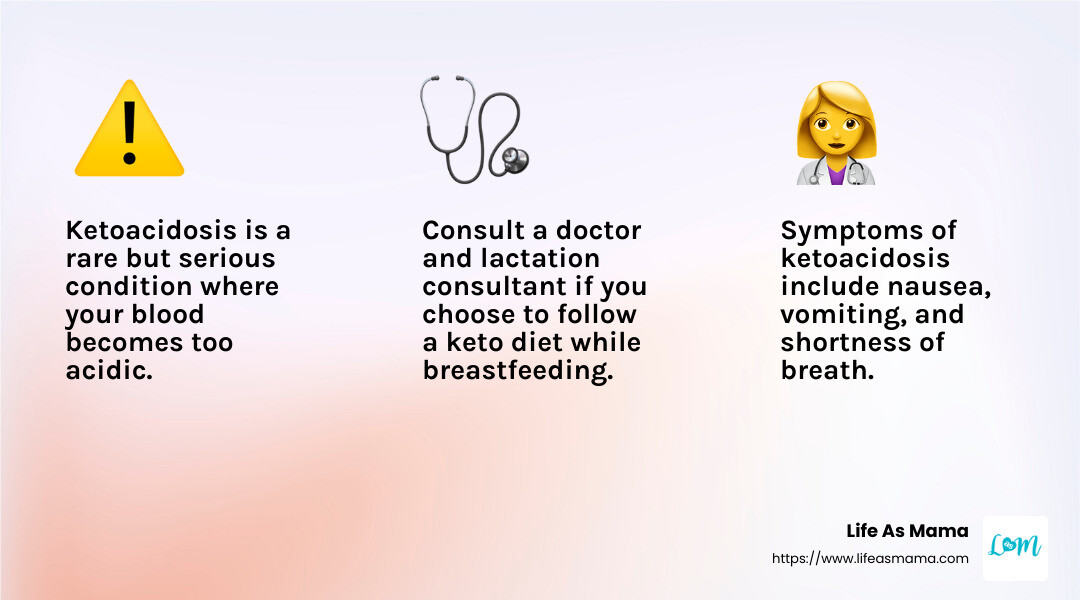
Yes, but with caution. Following a keto diet while breastfeeding can lead to ketoacidosis, a rare but serious condition where the body produces too many ketones, making the blood too acidic. Symptoms include nausea, vomiting, abdominal pain, and shortness of breath. It’s crucial to work closely with a doctor and a lactation consultant if you decide to pursue this diet.
Instead of a strict keto diet, consider less restrictive diets like the Mediterranean, low-carb, or Paleo diets. These alternatives provide a balanced approach to nutrition and are generally safer for nursing moms.
Is keto diet good for postpartum?
The keto diet can help with postpartum weight loss, but it’s important to balance it with the needs of breastfeeding. Rapid weight loss can affect milk supply and lead to nutrient deficiencies. Dietitians recommend focusing on a balanced diet that includes whole grains, vegetables, fruits, protein, and healthy fats.
Before starting any diet, consult with a healthcare professional to ensure it’s safe for both you and your baby. A balanced diet supports overall health and helps maintain a steady milk supply.
Are babies in ketosis on breast milk?
Breastfed infants are not typically in ketosis. Breast milk contains lactose, a type of sugar that provides the primary energy source for babies. While some studies have explored the benefits of ketosis for infants with epilepsy, this is a specific medical condition and not the norm for healthy babies.
Breast milk is designed to meet the nutritional needs of infants, providing a balanced mix of carbohydrates, fats, and proteins. There’s no need for a breastfeeding mother to follow a keto diet to influence her baby’s nutritional state.
Understanding these aspects can help you make informed decisions about your diet while breastfeeding. Always prioritize your and your baby’s health by consulting healthcare professionals before making significant dietary changes.
Final Thoughts on the Safety of the Keto Diet for Nursing Mothers
Navigating the keto diet while breastfeeding can be challenging, but it’s not impossible. The key is to prioritize a balanced diet that meets both your nutritional needs and those of your baby. Life As Mama is here to support you with practical, family-friendly guides to help you make informed decisions.
Health Benefits: The keto diet can offer benefits like weight loss and appetite control, but balance these with the unique needs of breastfeeding. Rapid weight loss and nutrient deficiencies can impact your milk supply and overall health.
Professional Guidance: Always consult with healthcare professionals like doctors, dietitians, and lactation consultants before starting any diet. They can provide personalized advice and monitor your health to ensure you and your baby are thriving.
Personalized Approach: Every woman’s body is different. What works for one person may not work for another. Listen to your body and adjust your diet as needed. If you experience adverse effects, consider less restrictive alternatives like the Mediterranean, low-carb, or Paleo diets.
For more tips on weight loss and healthy eating, check out our Top Keto Shakes for Weight Loss Reviewed.
Life As Mama is dedicated to providing practical advice to help you steer motherhood. Your health and your baby’s health come first. Make informed choices and enjoy this special time with your little one.
Related Images:

Amanda Schmitt
Latest posts by Amanda Schmitt (see all)
- Healthy and Quick Back to School Breakfast Ideas - August 27, 2026
- 20 DIY Easter Centerpieces That Aren’t Just for Kids - October 9, 2025
- 18 Adult Birthday Party Themes for a Sophisticated Celebration - October 3, 2025