A Celebration of Dance in Everyday Life
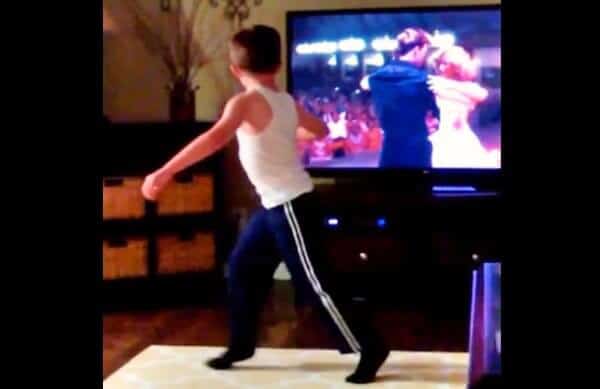
Dance is often seen as an expression of joy and freedom, and this is clearly reflected in the delight shown by the child in the video. When "Dirty Dancing" plays, it unleashes a joyful response that not only highlights rhythm but also emphasizes the connection between music and movement. Children, in particular, have an innate ability to let loose, showcasing dance as a natural form of communication and an integral part of playful existence.
The spontaneous nature of the child's dance reflects the universal appeal of music and its ability to transcend age and background. This moment captures how music can evoke fond memories, cultural connections, and even the thrill of iconic dance moves from beloved films. It serves as a reminder that dance is not just a performance art but a delightful way for everyone, especially children, to share happiness and creativity.
How Dance Benefits Child Development
Engaging in dance offers numerous benefits for children's physical and emotional development. It fosters coordination, balance, and flexibility, all of which are crucial during their formative years. Moreover, dancing boosts self-confidence as kids learn to express themselves and explore their emotions through movement, often leading to improved social skills as they dance with peers.
Beyond physical benefits, dance also stimulates cognitive development. Learning choreography enhances memory and concentration, while improvisational dancing can cultivate creativity and problem-solving skills. By dancing to memorable tunes like those from "Dirty Dancing," children not only enjoy the music but also engage in a rich, multifaceted developmental experience.
The Influence of Classic Movies on Generations
Classic films like "Dirty Dancing" have a lasting impact on pop culture and shape the way people connect with music and dance. These movies create relationships that span generations, allowing parents, grandparents, and children to share moments while reminiscing about iconic scenes and songs. Such shared experiences help solidify family bonds and create cherished memories that can be passed down through the years.
Furthermore, classic films often serve as a gateway for younger audiences to explore various dance styles and even historical cultural references. The powerful storytelling portrayed through dance sequences inspires creativity in children, encouraging them to mimic and interpret the moves they see on screen. As they grow older, these experiences can influence their artistic tastes and appreciation for various forms of dance and performance art.
Encouraging Artistic Expression in Children
When children dance, they are engaging in an important form of artistic expression that should be encouraged. Parents can foster a love for movement by providing opportunities for dance both at home and in community programs. This support helps children understand the value of creative expression, allowing them to convey feelings and ideas through movement.
Moreover, encouraging artistic activities such as dance promotes emotional intelligence. Children learn to interpret music emotionally, recognize their feelings, and articulate them through their bodies. By seeing a child joyfully react to "Dirty Dancing," parents can reflect on the importance of creating a nurturing environment that celebrates emotional and creative exploration.