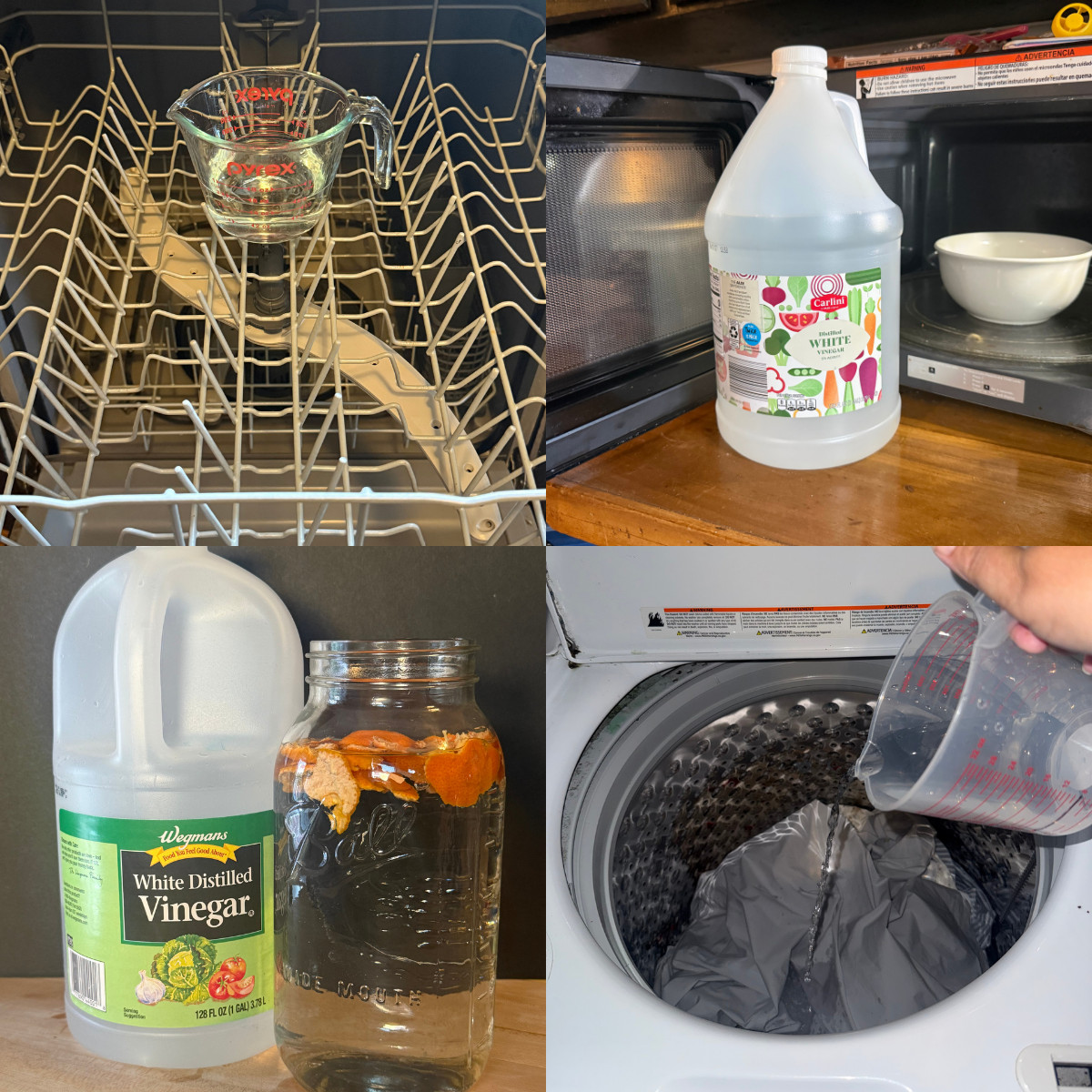
Here is what nobody tells you when you are standing in the cleaning aisle staring down a wall of specialty sprays, enzyme cleaners, and “miracle” products: grandma already figured it out. The best household uses for vinegar have been working quietly for generations, and a gallon jug that costs less than five dollars can replace half your cleaning cabinet.
This is not a chemistry class. This is a real-mom guide to what white vinegar actually does, room by room, hack by hack — so you can stop buying things you do not need and start getting more done with less.
Why Vinegar? The Mom-Approved Breakdown
Every time you turn on the TV or scroll your phone, there is an ad for the latest and greatest cleaner. You could spend thousands chasing those trends. Or you could do what grandma did.
White vinegar earns its place in your home for three very good reasons.
It is dirt cheap. Less than five dollars a gallon. Pick it up next to the ketchup.
It is safe for sticky little fingers. White vinegar is a food-grade product. That does not mean you let toddlers drink it, but once surfaces are clean and dry, you are not worrying about chemical residue on the high chair tray.
It actually works. Soap scum, hard water deposits, musty laundry, grease — vinegar handles all of it. And unlike the product that promises to do one thing brilliantly, vinegar does twenty-five things well.
One note on the smell: Yes, it is strong when you are using it. No, it does not linger. The smell fades as it dries — faster than you would expect. If you are sensitive to it, infuse your vinegar first (instructions below) and open a window while you clean.
Your Simple Vinegar Cleaning Kit
You do not need much. Here is what to grab:
- One gallon of plain white distilled vinegar (not apple cider vinegar for most cleaning jobs)
- A spray bottle or two
- Microfiber cloths
- Dish soap
- Baking soda (for the drain hack)
- Optional: lemon or orange peels, rosemary, mint, or lavender for infusing
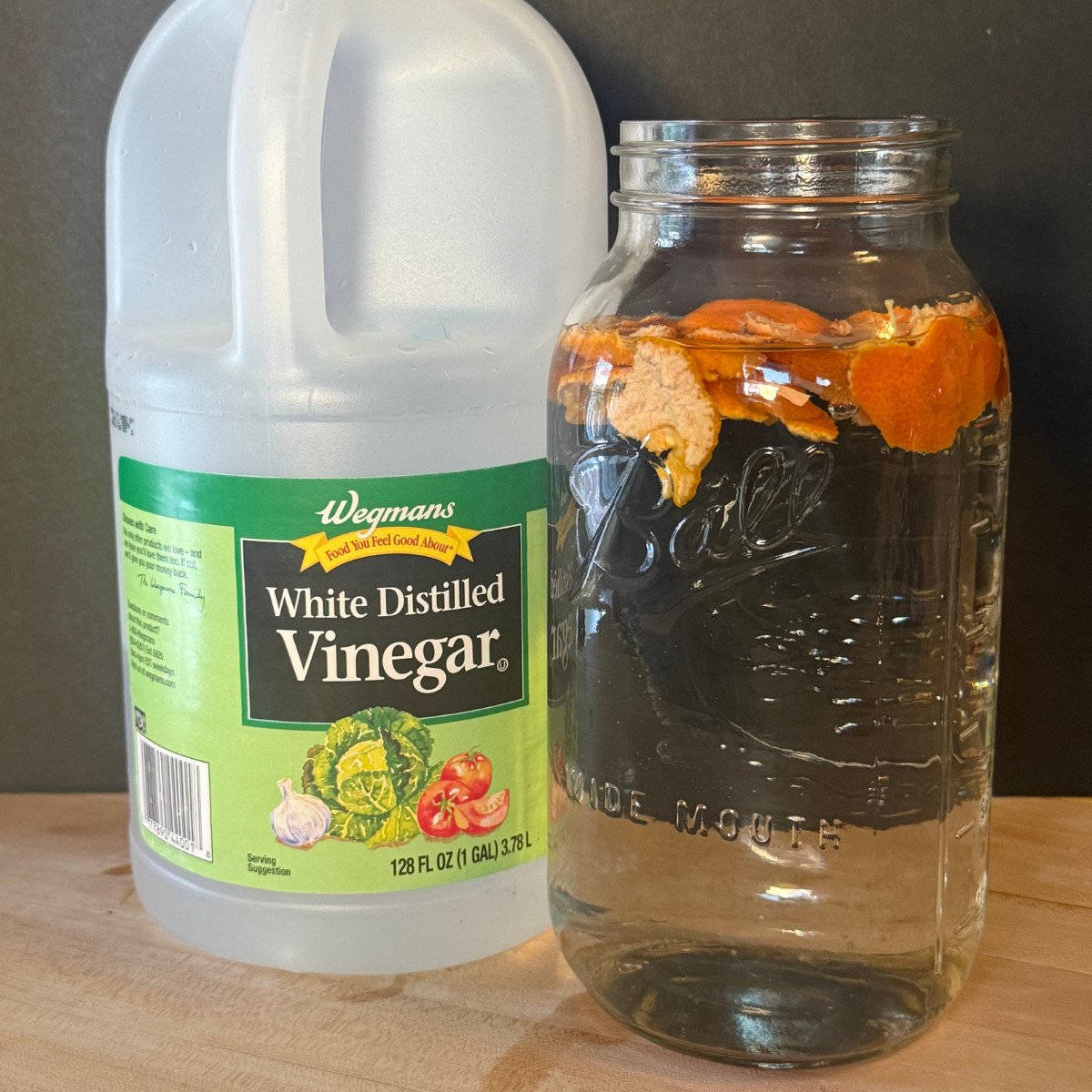
To make infused vinegar (optional but nice): Drop citrus peels, rosemary sprigs, or mint leaves directly into the vinegar jug. Let it steep for 1 to 2 weeks, then strain out the add-ins. Label it “infused cleaning vinegar” and use it anywhere you would use plain vinegar. It smells significantly better.
Basic all-purpose spray: 1 cup vinegar + 1 cup water + a small squirt of dish soap. Shake and use on counters, sinks, and most hard surfaces.
Extra-strength spray: Same as above but use 1.5 cups vinegar to 1 cup water. For tougher buildup and soap scum.
Bucket solution for floors and walls: 2 cups vinegar in a gallon of warm water + 1 tablespoon dish soap. Always test an inconspicuous area first.
Full strength, no dilution: Save this for weeds and laundry.
Once you have your kit ready, you will want somewhere smart to store it. This roundup of under-sink storage ideas is great for setting up a dedicated cleaning caddy that keeps everything within reach without the clutter.
Kitchen Hacks
The kitchen is where vinegar really earns its keep. Here are the household uses for vinegar that will make the biggest difference in your most-used room.
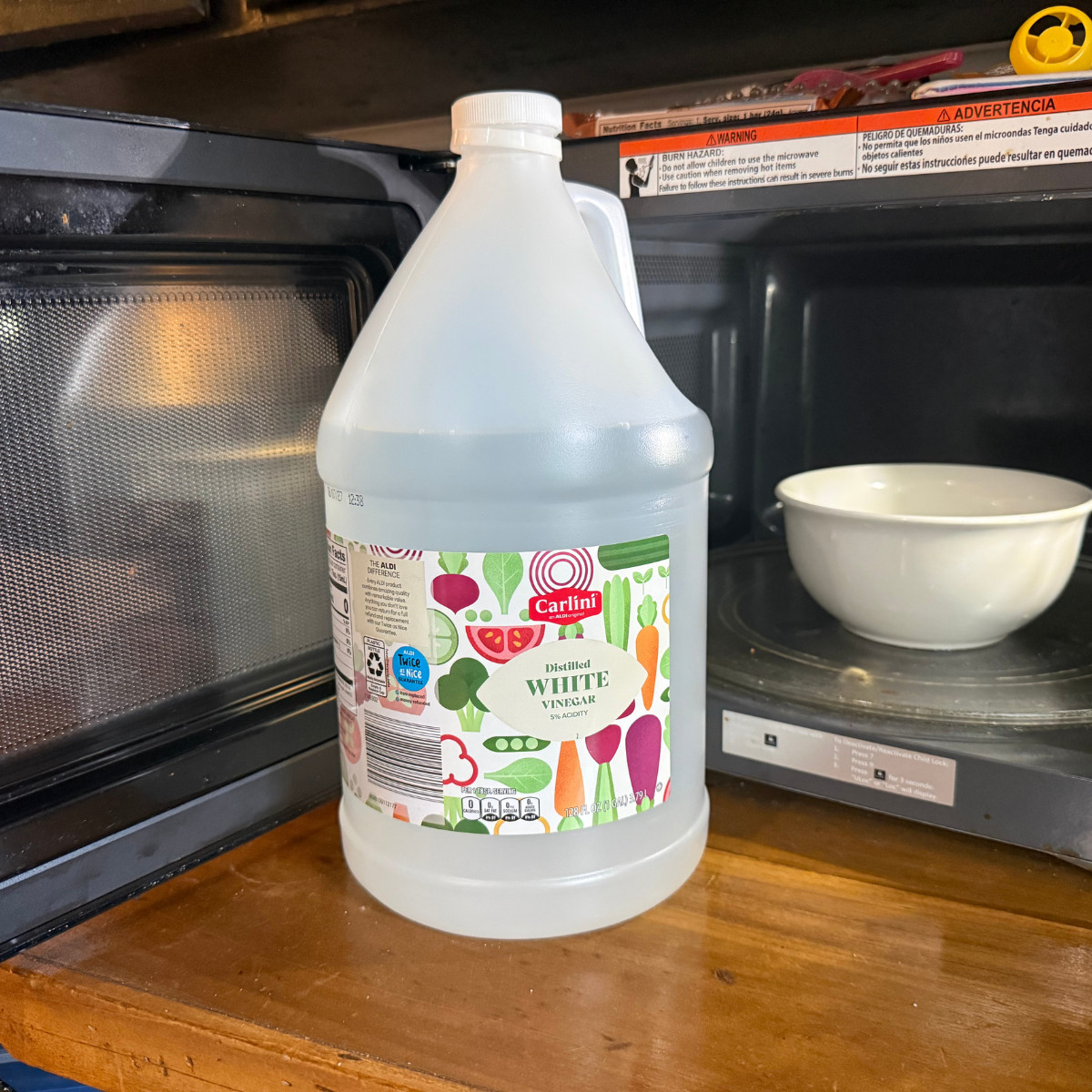
Microwave grime: Put a small bowl of white vinegar in the microwave and run it on high for 1 to 2 minutes. Let it cool, remove the bowl, and wipe. The steam and vinegar loosen everything — that dried spaghetti sauce basically wipes off.
Coffee maker limescale: If your coffee is tasting off or brewing slowly, limescale is probably the culprit. Check your manufacturer instructions first — if vinegar is approved, fill the reservoir and run a full cycle. Follow with two cycles of plain water to rinse it through completely.
Dishwasher refresh: Put a bowl of white vinegar on the top rack and run a full cycle. Cleans, deodorizes, and clears mineral deposits from the water jets.
Burnt-on food in pots: Cover the burnt area with vinegar and bring it to a boil. Watch the mess start to lift. Let it cool, then wash away whatever remains. Open a window — it gets steamy.
Garbage disposal odor: Pour a cup of vinegar down the drain and let it sit for a few minutes, then flush with cold water. Fresh in seconds.
Hard water spots on faucets: Wrap a paper towel soaked in straight vinegar around the faucet and let it sit for 30 minutes. Wipe off the mineral deposits. No scrubbing required.
Food container smells: Pour some vinegar inside the container, seal it, let it sit for 30 minutes, then wash as usual. That garlic smell is gone.
Refrigerator seals and dishwasher seals: Wipe the rubber gaskets with a hot water and vinegar spray on a microfiber cloth. Oils and residue can prevent a tight seal — this fixes it.
Kitchen caution: Do not use vinegar on natural stone countertops like marble or granite. The acid will dull and etch the surface.
Bathroom Miracles
Soap scum and hard water are two of the most stubborn cleaning challenges in any house. Vinegar handles both.
Shower doors: Spray with the extra-strength solution and let it sit for a few minutes before wiping. Soap scum lifts off without scrubbing yourself into exhaustion.
Showerhead: Fill a plastic bag with a 1:1 mixture of white vinegar and water. Tie or rubber-band it over the showerhead so the head is fully submerged. Leave for an hour, remove the bag, and run the water. Hard water deposits clear right out and the pressure improves noticeably.
Faucets and sink buildup: Same diluted spray, wipe with a microfiber cloth.
Toilet exterior: Spray and wipe. Freshens and disinfects the outside surfaces without harsh fumes.
Bathroom odors: Pour a small amount of straight vinegar into the toilet bowl and let it sit for a few minutes before flushing. Works better than most sprays.
Laundry and Fabric Refreshers
This is one of the most underrated household uses for vinegar — and one of the most useful for moms.
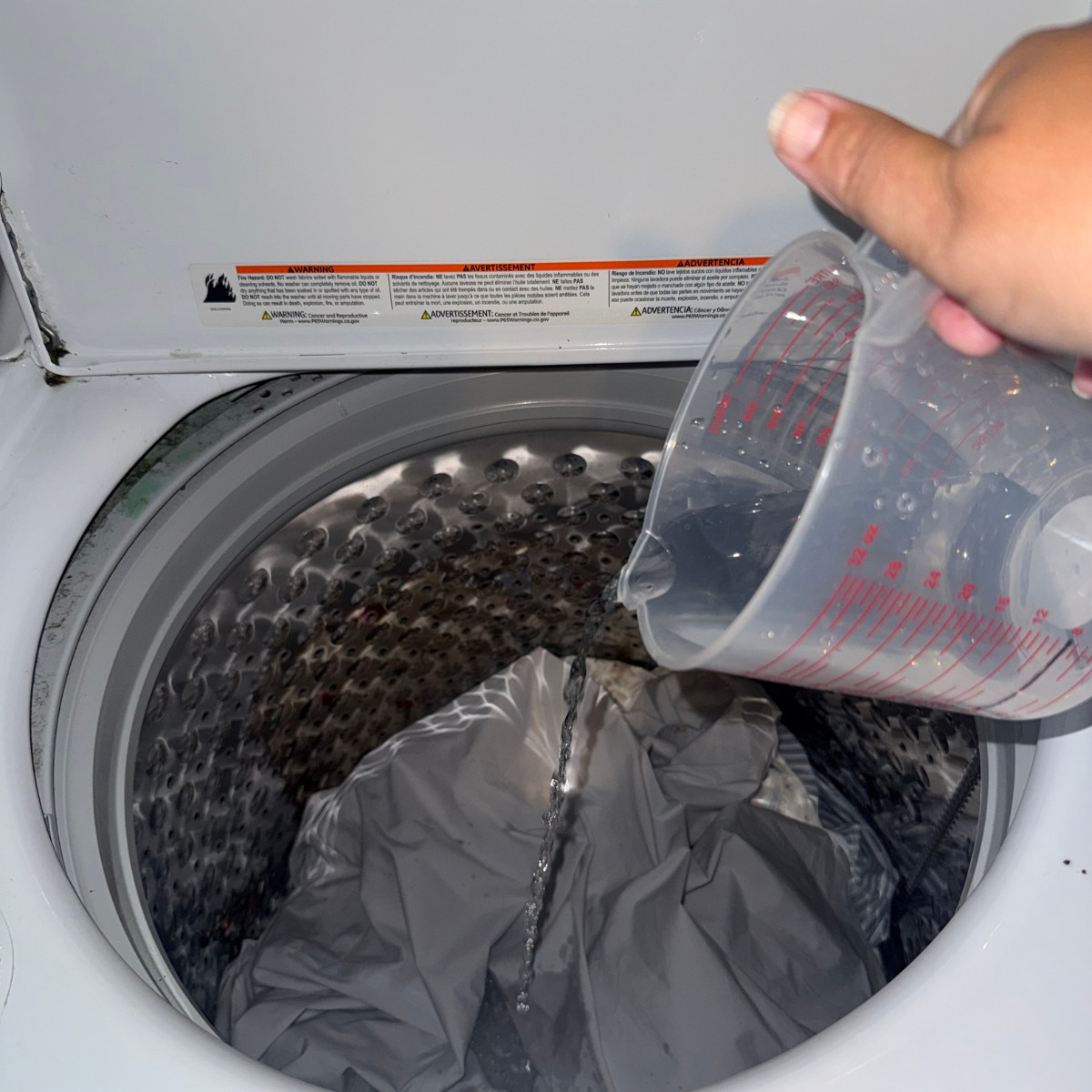
Musty laundry: Forgot a load in the washer? Add half a cup of undiluted vinegar to the load and rewash. The smell is gone. Every time.
Clean the washing machine: Soak a rag in white vinegar and use it to wipe down the lid, rim, and any grimy spots. Then add a cup of vinegar to an empty drum and run a cycle. Clean and fresh.
Help colors stay put: Add a cup of white vinegar to the wash when laundering new dark or bright clothing. It helps set the colors and keep them from running. Not foolproof with every fabric, but it has genuinely helped dark jeans and black shirts hold their color wash after wash.
Deodorant stains: Dab with a white cloth dipped in white vinegar before washing. Check on an inconspicuous seam first to make sure the piece is colorfast.
Towels smelling off? Add half a cup of vinegar to the rinse cycle. Removes detergent buildup and that mildewy smell.
And if vinegar does not quite get the stain out of the kids’ clothes, this guide on how to get stains out of kids’ clothes is the perfect companion resource.
Around the House: 25+ Uses at a Glance
Here are all the household uses for vinegar in one quick-scan list — because sometimes you just need to know if it works on that thing.
- Musty laundry: Half a cup undiluted in the wash. Done.
- Washing machine cleaning: Wipe it down, run a cup through an empty cycle.
- Sidewalk and patio weeds: Pour straight vinegar directly on the weeds. Wait an hour. Pull them out easily. (Be careful — it will kill plants too, so pour precisely.)
- Drain maintenance: 1 cup baking soda down the drain, then a squirt of dish soap, then 1 cup white vinegar. Let it fizz for 10 minutes. Follow with a pot of boiling water. Keeps drains clear and smelling fresh.
- Burnt-on food in pots: Vinegar and boil. Watch it lift.
- Microwave: Bowl of vinegar, 2 minutes on high, easy wipe-down.
- Stinky garbage cans: Bucket solution, wash out the can. Odor gone.
- Coffee maker: Run vinegar through (per manufacturer), follow with two water cycles.
- Latex paint drips on floors: Warm vinegar held over the drip, then gently scrape with a credit card or plastic putty knife.
- Color setting in laundry: A cup in the wash for new dark clothes.
- Hard plastic toys: A cup of vinegar in a sink of soapy water. Rinse well and air dry.
- Clogged or sputtering faucets: Bag of 1:1 vinegar and water tied over the faucet for an hour. Removes hard water deposits and restores flow.
- Refrigerator and dishwasher rubber seals: Hot water and vinegar spray on a microfiber cloth. Removes the buildup that prevents a tight seal.
- Dishwasher cleaning: Bowl of vinegar on the top rack, run a cycle.
- Food container odors: Vinegar inside, sealed, 30 minutes, then wash.
- Sticker residue: Vinegar on a paper towel, hold it on the residue, then wipe away.
- Vinyl and plastic blinds: Equal parts vinegar and water on a microfiber cloth. Run it over each slat.
- Mineral rings in vases and glass containers: Fill with enough vinegar to cover the ring, soak, then wash with hot water.
- Iron scaling: If your manufacturer approves it, fill the reservoir with white vinegar, iron an old towel on steam, then repeat with plain water to rinse the system.
- Fingerprints on hard surfaces: Diluted vinegar spray and a microfiber cloth. Gone in seconds.
- Fruit flies: White or apple cider vinegar in a small jar with a few drops of dish soap, left open on the counter. They fly in, they do not fly out.
- Combs and hairbrushes: Soak in a 50/50 water and vinegar solution to remove product buildup.
- Sponge deodorizing: Soak in straight vinegar to clean and refresh.
- Pet accident odor neutralizer: After cleaning the mess, spray the spot with a 50/50 vinegar and water mixture. Neutralizes odor and helps discourage repeat visits to the same spot.
- Deodorant stains on clothes: Dab with white vinegar on a white cloth before washing.
When NOT to Use Vinegar
Vinegar is an acid, and that is exactly what makes it effective — but it also means there are places it should never go.
Natural stone countertops and floors: Marble, granite, limestone, travertine. The acid etches and dulls these surfaces permanently. Stick to cleaners made for stone.
Unsealed hardwood floors: Can damage the finish. Check what your floor manufacturer recommends.
Appliances where the manufacturer says no: Always check the manual before running vinegar through any machine.
Delicate or unwashable surfaces: When in doubt, test a tiny inconspicuous spot first.
Near bleach — ever: This is worth saying twice because it is serious. Never mix vinegar with bleach or any bleach-containing product. The combination creates a toxic chlorine gas. They are not a power team. They are a hazmat situation. Use one or the other, never both.
Frequently Asked Questions
What are the best household uses for vinegar? The most practical household uses for vinegar fall into four categories: cleaning hard surfaces (soap scum, hard water, microwave grime, glass), laundry care (musty towels, color setting, washing machine cleaning), drain and appliance maintenance (dishwashers, coffee makers, drains), and outdoor tasks (killing weeds in cracks and pavement). For moms specifically, it is most valuable in the bathroom where soap scum and mineral buildup are constant battles, and in the laundry room where it handles smells and stains without adding harsh chemicals near kids’ clothes.
Is it safe to use vinegar around babies and toddlers? White vinegar is a food-grade product, which is one reason many moms prefer it. It is acidic, so store it out of reach and do not let children handle it directly. Once you have finished cleaning and surfaces are dry, there is no residue to worry about — unlike many conventional cleaners that leave chemical films behind. Always allow surfaces to dry completely before little hands explore.
How do I get the vinegar smell out of my house after cleaning? The smell is strong while you are working, but it fades faster than you would expect as the vinegar evaporates. Opening a window or running a fan speeds the process up. If you are especially sensitive to the scent, try infusing your cleaning vinegar with citrus peels, rosemary, mint, or lavender before using it — the natural scent softens the edge considerably. Strain out the add-ins before using the vinegar for cleaning.
Can I use vinegar to clean everything in my home? No — and that is actually a point in its favor. Vinegar works brilliantly in many applications, but it is an acid and should not be used on natural stone (marble, granite, limestone), unsealed hardwood, or any surface where the manufacturer specifically advises against it. Always test a small spot first if you are unsure. When something falls outside of vinegar’s wheelhouse, plain soap and water is almost always the right call.
What is the best way to mix vinegar for cleaning? For everyday surfaces like counters, sinks, and hard floors, mix equal parts white vinegar and water in a spray bottle with a small squirt of dish soap. For tougher jobs like soap scum or hard water buildup, increase the ratio to 1.5 parts vinegar to 1 part water. For laundry, use it full strength — half a cup in the wash for odors, or a cup in the rinse cycle for fabric softening. The only time you need full strength for cleaning (not laundry) is for weed killing and drain maintenance.
Related Images:

Colleen Rosenthal
Latest posts by Colleen Rosenthal (see all)
- How to Organize a Pantry (and Keep It That Way) - October 13, 2026
- Cheap Crockpot Meals the Whole Family Will Actually Eat - October 11, 2026
- How to Declutter Your Home: A Simple Room-by-Room Guide for Busy Moms - October 4, 2026