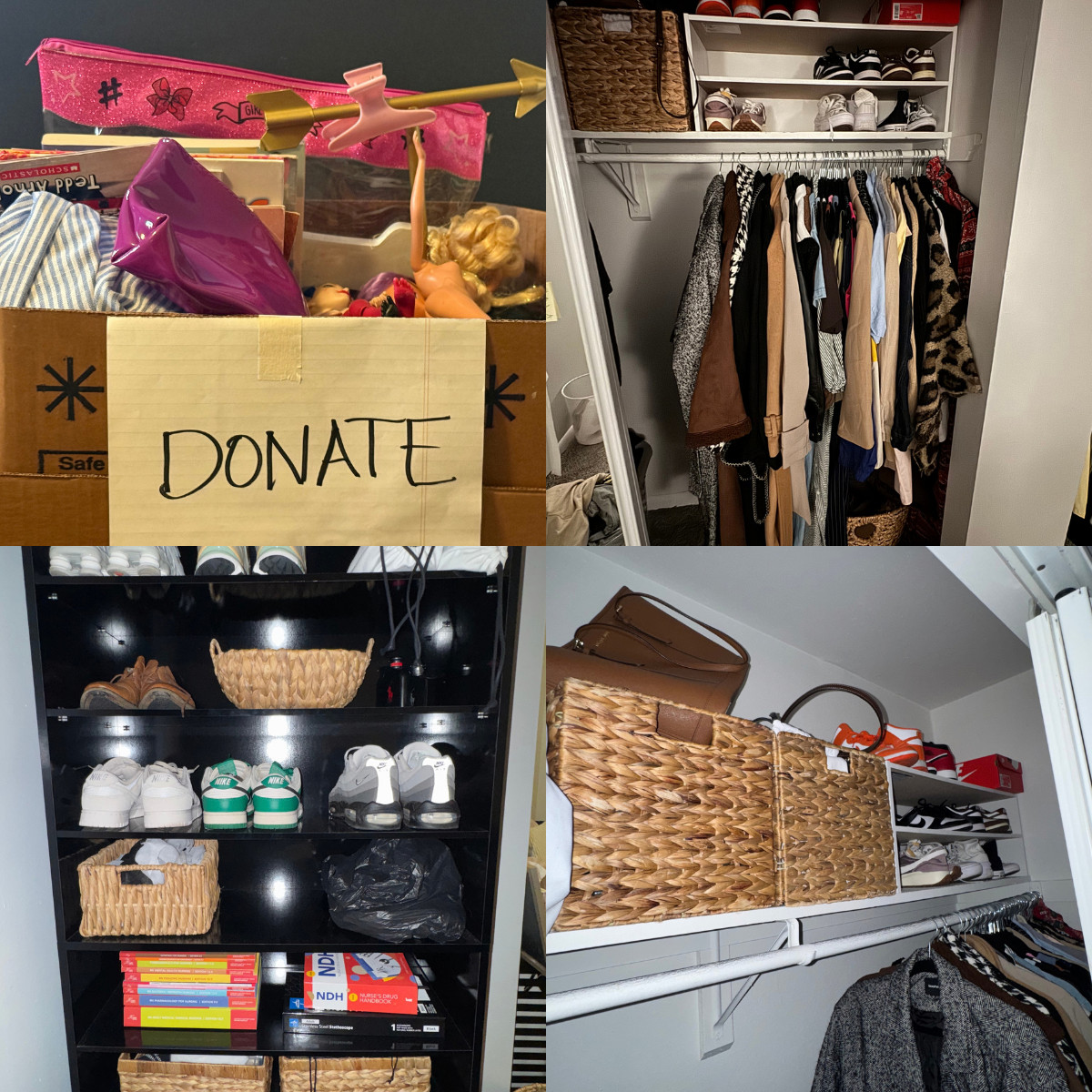
I feel like we all have a space in our home that just attracts chaos. A pile of shoes, unopened mail, toys scattered across the floor. If you’ve ever walked into a room, taken one look at the mess, and felt an immediate wave of anxiety, you are not alone. For busy moms, learning how to declutter your home isn’t just about making your house look nice. It’s really about reclaiming your peace, your time, and your sanity.
Clutter seems to grow out of nowhere, and it has a sneaky way of taking over our homes and our mental space. When surfaces are covered, daily routines take extra time, lost items trigger frustration, and the visual noise can be overwhelming. Take a deep breath, though. Getting your space under control doesn’t require a week of vacation or an expensive professional organizer.
You’ve got this! We’re going to break this down into bite-sized steps you can tackle slowly, so it never feels overwhelming and you can claim little wins that keep you motivated. We’ll work room by room with a simple keep, donate, or toss framework, and there’s a free printable decluttering checklist at the end. Give yourself a realistic timeline. I like a month as a guideline, you might like a week; you know your life best. And if your whole house feels overwhelming, don’t start with the biggest spaces. Start with one drawer, one shelf, or one bathroom cabinet. Small wins build momentum!
Why Decluttering Feels So Overwhelming
Before diving into the mess, it helps to understand why learning how to declutter feels so physically and emotionally exhausting in the first place.
As a mom, your brain is already carrying a heavy mental load. You’re managing schedules, meals, school events, emotional needs, and household chores. Adding “declutter the entire house” to your to-do list can send you right over the edge. Every single item in your home requires a decision: Do we need this? Does it fit anyone? Where does it go? What if I regret getting rid of it?
On top of that, clutter is easily tied to emotion. You might be hanging onto that chopper you were influenced to buy, or clothes that may fit you again. Maybe it’s baby clothes, or a special sweater from Grandma. What about all of those craft supplies and toys the younger kids will like someday? Recognizing that clutter carries emotional weight is the first step in letting it go without guilt, or saving what needs to be saved in a way that doesn’t overwhelm you every day. Sometimes it’s not the items we’re holding onto, it’s the memories attached to them.
Before You Start: What You Need
The key to decluttering is having a few boxes or bins ready so you keep moving forward. Have these items ready before you start so you don’t have to walk away, because walking away is how distractions happen.
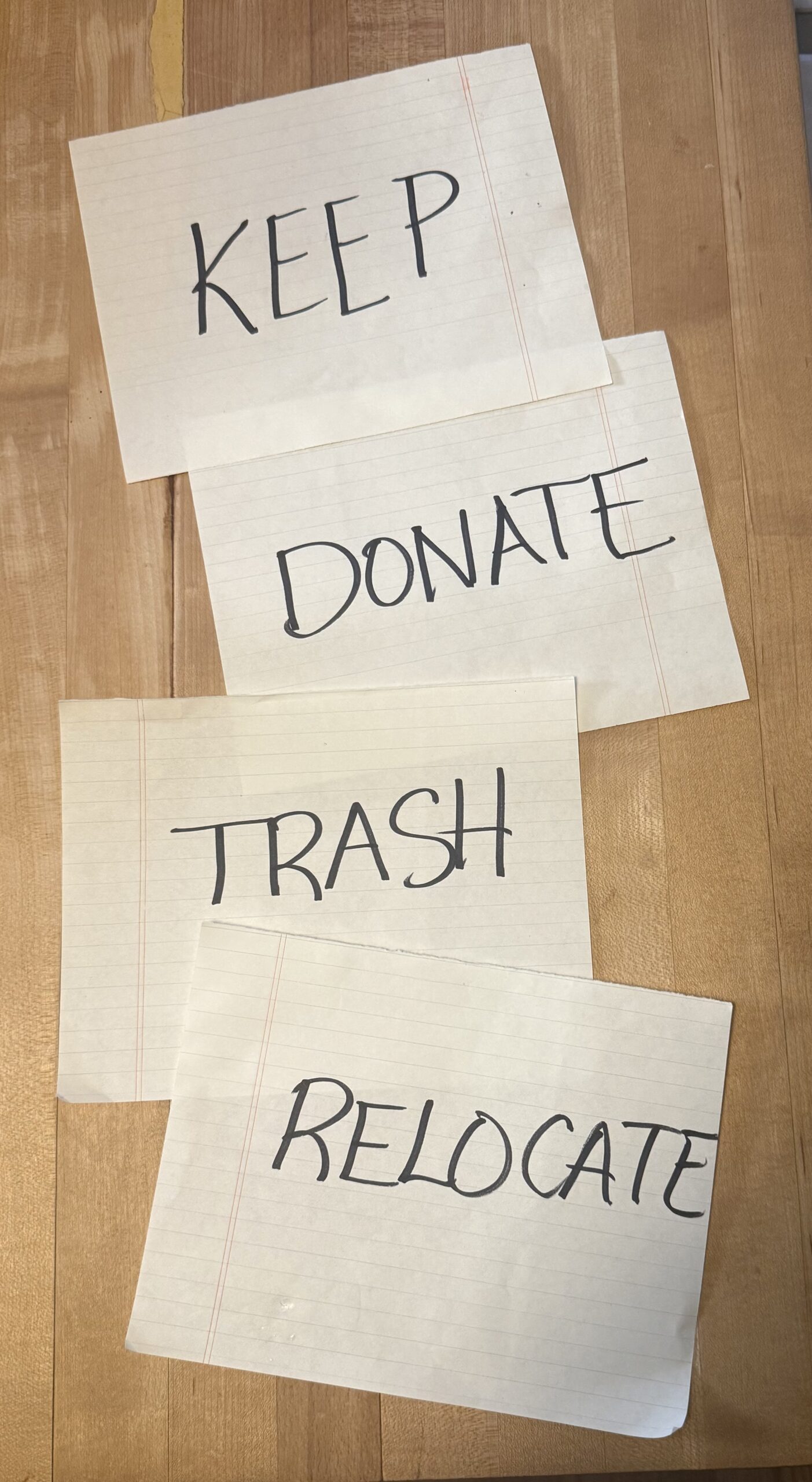
The Four-Container Success System
- DONATE (a large cardboard box): Cardboard is key here, because when you’re done with the space you can carry it straight out of the house without transferring everything to another box.
- RELOCATE (a laundry basket or open bin): These are items you plan to keep that don’t belong in this room. You want something easy to pick up and open enough to see inside, so you put everything away as soon as you finish the room.
- STORE (a lidded storage tote): These are things you’re keeping for later but don’t need right now, like clothes the kids have outgrown that a younger sibling will wear, or out-of-season items. This bin gets safely stashed away when you’re finished.
- TRASH (a big black trash bag): This is for garbage, broken toys, worn-out clothes, and excess papers. I suggest a black bag because, for most of us, out of sight, out of mind is a great rule. Once it’s in that bag and we can’t see it, it’s gone!
Anything you’re keeping that belongs in the room simply goes right back where it lives.
What Else Do You Need to Set You Up for Success?
- A timer: You may laugh, but nothing keeps me more motivated than knowing I only have half an hour. I suggest 30-minute increments. Whether you work for 30, break for 15, and work another 30, or you just give yourself 30 minutes for the day and move on, a timer keeps you moving in the right direction.
- Cleaning supplies: A microfiber cloth and multi-surface spray to wipe down surfaces as you clear them, plus a broom, dustpan, and vacuum. If you don’t have to leave the room, you’re less likely to get distracted.
How to Declutter Your Home Room by Room
A room-by-room plan helps prevent overwhelm because you get little victories along the way, and you’ll have finished spaces to retreat to instead of half-done projects all over the house.
Living Room
I like to start in the living room. Why? It’s usually the fastest room to tackle, because there isn’t as much that “lives” there full time.
- Sort: Go through the whole room and sort toy bins, game areas, books, blankets, and pillows. Don’t forget any drawers. Empty them and sort the items into the right containers.
- Clean up: Once everything is sorted, take some time to clean. Clear the coffee and side tables and clean them well. Dust tables and pictures. Take the cushions off the furniture and vacuum underneath. Fold any blankets that are staying and fluff the pillows.
- Put things away with intention: Games and puzzles stashed together. Toys in bins that can be pulled out one at a time. Bigger toys parked in an area where they don’t feel overwhelming.
Now you’ve got a peaceful spot to land! Take a few minutes to take out the trash, put the donate box in the car, and move the relocate items to wherever they belong. Try not to leave the bins for later, unless you’re moving on to another room right away.
Bathrooms
Bathrooms are another quick win, because the items are rarely sentimental and don’t require a lot of thought!
- Medicine cabinet and vanity: Check expiration dates on medications, sunscreens, and skincare, and safely dispose of anything expired. Many pharmacies have medication take-back drop boxes, so unused medicines don’t need to go in the trash.
- Toiletries: Toss empty bottles, dried-up makeup, and samples you’ll never use. Group the remaining backup items together. This is a great time to swap out toothbrushes too!
- Towels and linens: Keep 2 to 3 towel sets per family member. Donate worn or frayed towels to a local animal shelter, or cut them into rags for your cleaning stash.
Kitchen
I don’t know about your house, but in mine the kitchen is the heart of the home. It’s also where my family drops mail, shoes, and backpacks, on top of all the dishes, food, and kitchen tools. Clearing kitchen surfaces creates an immediate sense of peace. You’ll follow the same pattern as the living room (sort, clean, put away), but the kitchen has more spaces and categories, so we’re going zone by zone.
- Countertops: Clear off everything that isn’t used daily. Store specialty appliances (like waffle makers or food processors) inside cabinets. Wash the counters.
- Pantry and spice rack: Pull out expired cans, stale snacks, and duplicate open packages. Clean the shelves and floor, then group what’s left by category (baking, snacks, canned goods, and so on). If your pantry needs more help, these pantry organization ideas are a great place to start.
- Cabinets and drawers: Go through with a keen and honest eye. Purge chipped mugs, storage containers without lids, stray lids without containers, duplicate utensils, and the excess water bottles (we all have them). Clean the drawers and cabinets and give everything a specific home. You could even label the inside of cabinet doors so your family knows the new system.
- Top-down clean: Once everything is cleared, sorted, and put away, give the kitchen a ceiling-to-floor clean with hot, soapy water. Cooking grease and dust stick to surfaces, and cleaning from the top down means you won’t knock dust onto freshly cleaned counters.
Your Bedroom
Your bedroom should be your sanctuary, your place to rest and reset, but it can easily get overwhelmed with clothes, products, bedding, books, and other clutter.
- Start with the nightstands: Clear the tops and the drawers, clean them well, and put only your essentials back.
- Under the bed: Strange things end up under the bed. Stray socks, that family of dust bunnies, kid toys. If you’re short on storage, low-profile under-bed boxes are a great home for out-of-season clothes or extra bedding.
- Dresser tops and other flat surfaces: Clear, clean, and organize them.
- Time for the clothes! Tackle the closet and dressers using the same containers: donate, relocate, store (for out-of-season clothes, not the “someday” ones), and trash. Try the “one-year rule”: if you haven’t worn something in the last 12 months, it’s time to donate it. Be honest with yourself about fit, comfort, and your current lifestyle, and throw away clothes that are well past their prime.
- Clear it out! Take care of those bins and get everything out of there.
Now you’ve reclaimed your sanctuary!
Kids’ Rooms
Decluttering kids’ rooms can feel like a full-time job, but involving your children helps teach them valuable organization habits.
- Toys: As long as there are kids, there will be toys. Focus on incomplete sets, broken toys, and anything your kids have outgrown. If there are just too many but they’re in good shape, try a toy rotation system to keep toys fresh without keeping everything out at once.
- Clothes: Just like your own clothes, sort through drawers and closets and remove anything too small, stained, or ripped. Hand-me-downs for younger siblings go in the store bin.
- Artwork and papers: Make a memory binder to keep their keepsakes safe without having them strewn all over the room.
The Keep, Donate, or Toss Method
How do you know what to trash, donate, or keep? If an item isn’t actively serving your present life, it’s time to let it go. Here’s the quick decision guide:
- Broken, stained, or expired → Trash
- Usable but no longer needed in your home → Donate
- Actively used and belongs in this room → Keep (put it back)
- Used, but belongs in another room → Relocate
- Needed, but not right now (seasonal clothes, hand-me-downs) → Store

What to Do With Your Donations
Sorting your items is only half the battle. Getting donations out of your house is how to get rid of clutter for good. Filled donation bags sitting in your hallway or garage just create secondary clutter, and we definitely don’t need that!
- Local charities and thrift stores: Organizations like Goodwill, The Salvation Army, and local domestic violence shelters take gently used clothing, shoes, toys, and household goods. Check their websites for donation guidelines and drop-off hours. Some charities also offer free scheduled pickup for larger loads, which is a lifesaver if you don’t have time to haul everything yourself.
- Community Buy Nothing groups: Use local “Buy Nothing” Facebook groups or neighborhood platforms to give items directly to nearby families who can use them. Just because something isn’t serving you doesn’t mean it isn’t the solution someone else is looking for.
- Animal shelters: Often accept worn towels, blankets, and washcloths.
- Libraries: Often accept gently used books for their book sales.
- Schools and youth centers: Many are looking for the toys your kids have outgrown, so check out local teacher groups!
How to Stop the Clutter From Coming Back
Okay, we’ve done the hard work, and the clutter is decluttered. Now, how do you keep it this way? A few simple daily and weekly home decluttering tips go a long way.
- Use the one-in, one-out rule: Whenever a new item comes into your home (new shoes, a toy, a kitchen gadget), choose one existing item to donate or toss. Keep a box in a closet to drop donations into whenever the mood strikes!
- Do a nightly reset: Use that timer again. Give yourself 10 to 15 minutes every night to walk around and put things away, wipe down surfaces, and take care of dishes and trash.
- Make drop zones: Set up designated spots near your entryway for shoes, backpacks, keys, and mail to stop entry clutter in its tracks. Make sure the whole family knows the system: shoes lined up, backpacks hung, jackets on hooks.
- Take a breath before you buy something new: If you feel the impulse to buy something, ask yourself: Where will this live? Do I want to clean, organize, and store this long-term?
For more budget-friendly ways to keep things tidy, try these cheap organization hacks, and check out 4 strategies to help you declutter your home. If little ones keep undoing your hard work, these tips to keep a house clean with toddlers can help.
Free Home Decluttering Checklist
Want to keep it all on track? Download the free printable decluttering checklist, stick it on the fridge, and check off each room as you go.
Here’s the thing: clutter happens to the best of us. But with simple strategies and these decluttering guidelines, you can tackle the everyday messes that creep in and try to take your peace. So grab some boxes and a big trash bag and tackle that clutter head on! You’ve got this.
Frequently Asked Questions
How long does it take to declutter a whole house?
It depends on the size of your home and how much you have, but working in 30-minute sessions, most families can get through the main rooms in a few weeks to a month. Smaller spaces like bathrooms may take one session, while kitchens and bedrooms often take a few. Going slower is fine, since finished rooms are more motivating than a whole house of half-done piles.
How do I declutter sentimental items without feeling guilty?
Save them for last, after you’ve built some decision-making momentum on easier rooms. Give each family member one memory box, and keep only what fits. For items you love but don’t have room for, take a photo before letting them go, so you keep the memory without keeping the clutter.
How do I get my kids and partner on board with decluttering?
Start with your own things so you’re leading by example, and never toss someone else’s belongings without asking. Give kids simple choices, like picking five toys to donate to a child who needs them. Setting up drop zones and a nightly reset as family routines helps everyone share the work of keeping things tidy.
How often should I declutter my home?
After the big initial declutter, a quick seasonal pass (about four times a year) keeps things under control. Changing seasons are a natural time to go through clothes, and before birthdays and holidays is a smart time to clear out toys. The nightly reset and one-in, one-out rule handle most everyday clutter in between.
What if a donation center won’t take something?
Worn-out clothes and linens can often go to textile recycling bins, which many towns and some retailers offer. Large furniture may qualify for your city’s bulky item pickup, or you can list it for free in a Buy Nothing group. Electronics should go to an e-waste recycling drop-off rather than the trash.
Related Images:

Colleen Rosenthal
Latest posts by Colleen Rosenthal (see all)
- The Ultimate Deep Cleaning Checklist (Free Printable Included) - October 25, 2026
- How to Organize a Pantry (and Keep It That Way) - October 13, 2026
- Cheap Crockpot Meals the Whole Family Will Actually Eat - October 11, 2026