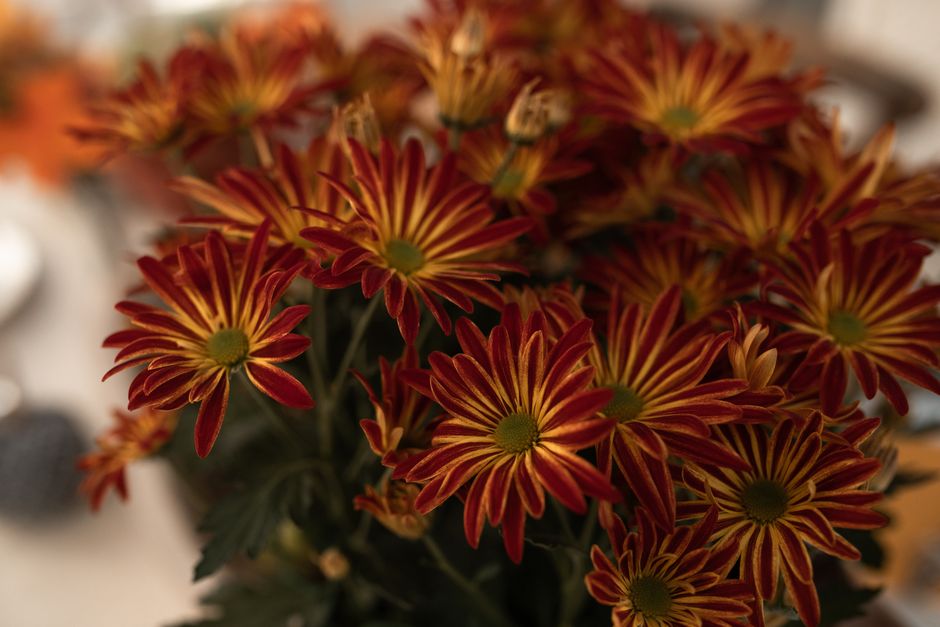
Accept the Beauty of Fall Container Gardening
When the leaves start to change and a crispness fills the air, it’s the perfect time to refresh your summer flower pots and transition to the vibrant hues of fall. Best fall potted flowers can turn any porch or patio into a seasonal showcase, adding warm, rich colors to your outdoor space that celebrate autumn.
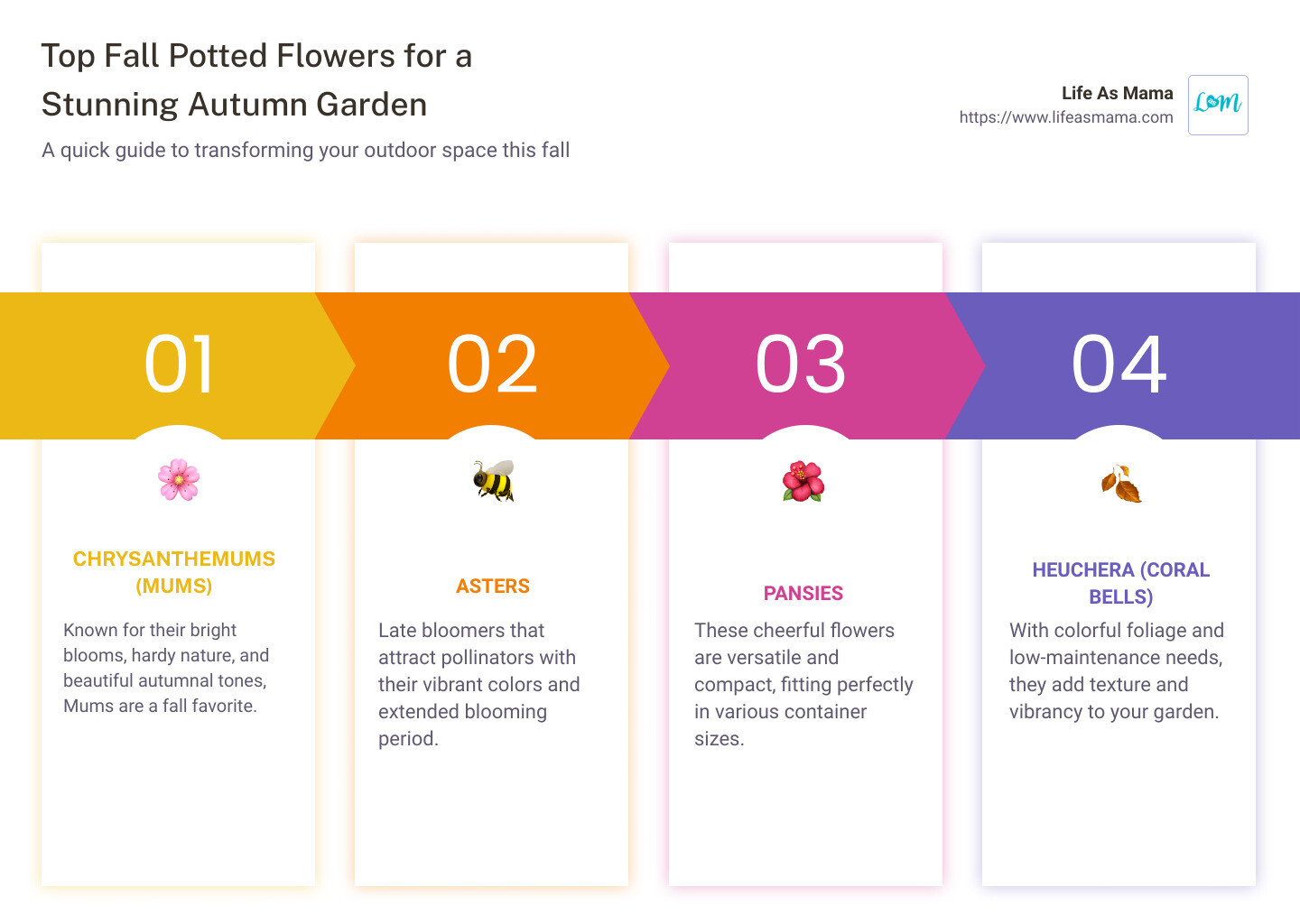
Quick Picks for Best Fall Potted Flowers:
- Chrysanthemums (Mums)
- Asters
- Pansies
- Heuchera (Coral Bells)
- Salvia
- Black-Eyed Susan
- Ornamental Cabbage
- Helenium
- Stonecrop
- Lamb’s Ears
- Ornamental Kale
- Coleus
Fall is an excellent season for gardening, filled with opportunities to give your containers a refreshing makeover. As summer blooms fade, swapping them for fall-friendly plants can save both time and money while bringing a new wave of color and texture to your garden. So, let’s dive into some simple and budget-friendly tips that will help you seamlessly transition your garden for the fall.
I’m Amanda Schmitt, a full-time blogger and mother who loves everything about fall gardening. With over 13 years of experience as an Occupational Therapist and a Certified Lymphedema Therapist, I bring an eye for detail and a passion for vibrant fall displays to Life As Mama. Let’s make your garden shine this autumn!
Relevant articles related to best fall potted flowers:
– Gardening in Fall
– fall bedding plants
– fall plants for porch
Chrysanthemums: Stunning Fall Potted Flowers for Your Garden
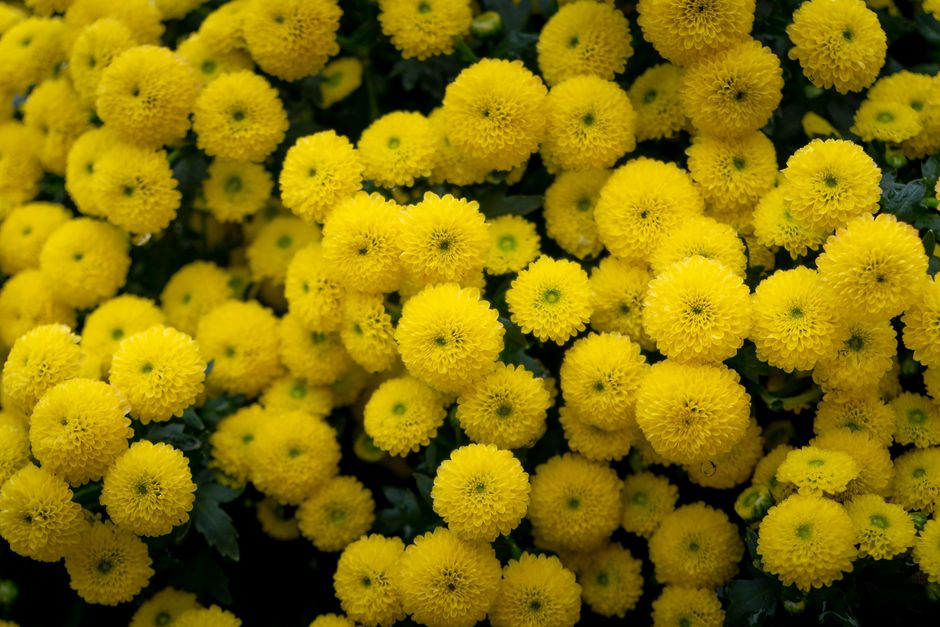
Known as the crown jewels of fall containers, Chrysanthemums (or mums) are a must-have for any autumn garden. Their bright, long-lasting blooms come in every autumnal tone you can imagine—think rich reds, sunny yellows, and deep purples. These flowers can transform your porch or patio into a vibrant fall showcase.
Why Choose Chrysanthemums?
- Bright Blooms: Mums are famous for their intense, eye-catching colors. They can brighten up any space and create a warm, welcoming atmosphere.
- Hardy Nature: These plants are not only beautiful but also tough. They can withstand cooler temperatures, making them ideal for fall.
- Autumnal Tones: With a wide range of colors, mums can easily match any fall décor. Whether you prefer bold or muted tones, there’s a mum for you.
Growing Conditions
Chrysanthemums thrive in full sun and well-draining soil. They are quite compact, growing between 1 to 3 feet tall and wide, making them perfect for containers.
Expert Tip
Kelly Funk from Jackson & Perkins suggests, “Mums’ bright and beautiful, yet highly hardy, blooms add color to any fall container arrangement.” This makes them a versatile choice for both novice and experienced gardeners.
Care and Maintenance
To keep your mums looking their best:
- Watering: Ensure the soil remains moist but not soggy.
- Deadheading: Remove spent blooms to encourage new growth.
- Fertilizing: Use a balanced fertilizer to keep the plants healthy.
Design Ideas
Pair mums with other fall favorites like Heuchera or Salvia to create a stunning container garden. Their compact size allows them to fit well in mixed arrangements, adding bursts of color and texture.
Next up, let’s explore another fall favorite that can add vibrant color and attract pollinators to your garden.
Asters
Asters are another fantastic choice for fall container gardening. These late bloomers bring a splash of vibrant color to your garden just when you need it most. Plus, they’re a favorite among pollinators like butterflies and hummingbirds.
Why Choose Asters?
- Late Bloomers: Asters are among the last flowers to bloom in the season, providing color and life to your garden well into the fall.
- Pollinator-Friendly: These flowers are a magnet for butterflies and hummingbirds, adding an extra layer of beauty and activity to your garden.
- Vibrant Colors: Asters come in a range of stunning colors including purple, pink, blue, and white. They can effortlessly brighten up any fall container arrangement.
Growing Conditions
Asters thrive in full sun and well-draining soil. They can grow up to 8 feet tall and 4 feet wide, depending on the variety, making them versatile for different container sizes.
Expert Tip
Kelly Funk from Jackson & Perkins notes, “Asters are one of the last nectar sources for pollinators, meaning you get a package deal: wildlife and blooms.” This makes them an excellent choice for eco-conscious gardeners.
Care and Maintenance
To keep your asters flourishing:
- Watering: Keep the soil consistently moist but not waterlogged.
- Deadheading: Remove faded flowers to encourage continuous blooming.
- Fertilizing: Apply a balanced fertilizer to support healthy growth.
Design Ideas
Asters pair beautifully with other fall favorites like Chrysanthemums and Salvia. Their vibrant colors and varying heights can add depth and interest to any container garden. For a wildflower look, combine asters with Heuchera and Stonecrop.
Next, we’ll dive into a cheerful flower that can add pops of color to even the smallest spaces.
Pansies
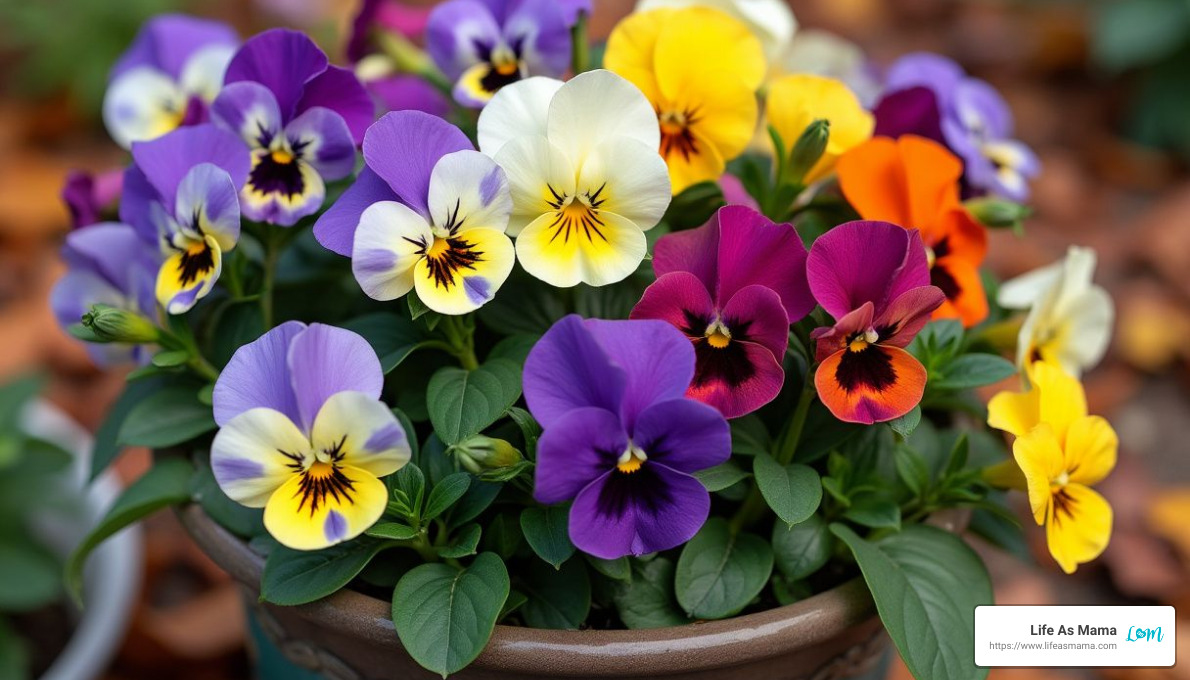
Pansies are a quintessential choice for fall container gardening. These cheerful flowers bring a burst of color to your garden, making them a favorite among many gardeners.
Why Choose Pansies?
- Cheerful Flowers: Pansies are known for their bright, happy faces. They come in a variety of colors, from deep purples to sunny yellows, guaranteed to lift your spirits.
- Compact Size: Pansies are small and compact, growing about 6 to 9 inches tall and wide. This makes them perfect for tucking into any available space.
- Versatile: Whether you want to plant them in pots, hanging baskets, or window boxes, pansies are incredibly versatile and can adapt to various settings.
Growing Conditions
Pansies thrive in full sun to partial shade and need well-draining soil. They prefer cooler temperatures, making them ideal for fall planting.
Expert Tip
Kelly Funk from Jackson & Perkins emphasizes, “Pansies’ miniature habit means you can tuck them anywhere, adding pops of color (and joy) to even the smallest of spaces.”
Care and Maintenance
To keep your pansies looking their best:
- Watering: Keep the soil moist but not soggy. Pansies need regular watering, especially when grown in containers.
- Deadheading: Remove spent flowers to encourage new blooms.
- Fertilizing: Use a balanced fertilizer every few weeks to promote healthy growth and abundant flowering.
Design Ideas
Pansies pair wonderfully with other fall favorites like Ornamental Cabbage and Heuchera. Their vibrant colors and compact size make them ideal for layering with taller plants like Salvia or Asters.
Next, we’ll explore a foliage plant that adds color and texture to your fall container garden.
Heuchera
Heuchera, also known as coral bells, is a fantastic foliage plant that adds both color and texture to your fall container garden. This plant is a go-to for many gardeners due to its low-maintenance nature and stunning appearance.
Why Choose Heuchera?
- Colorful Foliage: Heuchera is renowned for its vibrant leaves, which come in various shades of red, purple, bronze, and even silver. This makes it a perfect choice for adding a splash of color to your fall containers.
- Low-Maintenance: Heuchera is incredibly easy to care for. It’s a hardy plant that can withstand cooler temperatures, making it ideal for fall.
- Texture: The unique, ruffled leaves of Heuchera provide a beautiful texture that can improve the overall aesthetic of your container garden.
Growing Conditions
Heuchera thrives in partial shade and rich, organic, well-draining soil. While it can tolerate some sun, it prefers a bit of shade, especially during the hottest part of the day.
Expert Tip
“Heuchera is an excellent plant for fall container gardening because it is low-maintenance and adds color and texture to any container through its blooms and foliage,” says Kelly Funk from Jackson & Perkins.
Care and Maintenance
To keep your Heuchera looking its best:
- Watering: Keep the soil consistently moist but not waterlogged. Heuchera prefers evenly moist soil.
- Mulching: A layer of mulch can help retain soil moisture and keep roots cool.
- Fertilizing: A slow-release fertilizer applied in the spring can provide all the nutrients Heuchera needs for the year.
Design Ideas
Heuchera pairs beautifully with other fall plants like Pansies and Ornamental Kale. Its colorful foliage can create a stunning backdrop for the vibrant blooms of Chrysanthemums or Asters. For a striking contrast, consider combining Heuchera with plants that have different textures, such as Lamb’s Ears or Stonecrop.
Next, we’ll look at a plant that bridges the seasons with its vibrant blooms and drought-tolerant nature.
Salvia
Salvia is a standout choice for fall container gardens, especially if you’re looking for a plant that bridges the seasons beautifully. Known for its vibrant blooms and drought-tolerant nature, Salvia can keep your garden lively well into the cooler months.
Why Choose Salvia?
- Season-Bridging: Salvia is a perfect plant for transitioning from summer to fall. Its long blooming period ensures that your garden remains colorful as the seasons change.
- Drought-Tolerant: Once established, Salvia can handle dry spells with ease. This makes it ideal for gardeners who may not always remember to water their plants.
- Vibrant Blooms: Salvia’s flowers come in striking shades of blue, purple, and even red. These colors can add a vivid pop to your fall container garden.
Growing Conditions
Salvia thrives in full sun and well-draining soil. It’s a hardy plant that can withstand less-than-ideal conditions, making it a versatile option for various garden settings.
Expert Tip
“Salvia is a fantastic plant for fall containers because of its ability to bloom well into the cooler months and its low-maintenance nature,” says Kelly Funk from Jackson & Perkins.
Care and Maintenance
To keep your Salvia thriving:
- Watering: Water regularly until the plant is well-established. After that, it can tolerate periods of drought.
- Pruning: Deadhead spent blooms to encourage continuous flowering. This also helps the plant maintain a neat appearance.
- Fertilizing: A balanced, slow-release fertilizer applied in the spring can support healthy growth and vibrant blooms.
Design Ideas
Salvia pairs wonderfully with other fall plants like Asters and Chrysanthemums. Its tall, spiky flowers can add height and drama to your container garden. For a more textured look, consider combining Salvia with low-growing plants like Heuchera or Stonecrop.
Next, we’ll explore another vibrant fall flower that is easy to grow and pest-resistant: the Black-Eyed Susan.
Black-Eyed Susan
Black-Eyed Susan is a must-have for your fall container garden. Known for its bright yellow petals and dark center, this flower adds a cheerful touch to any space. Plus, it’s one of the easiest flowers to grow, making it perfect for beginners.
Why Choose Black-Eyed Susan?
- Easy to Grow: Black-Eyed Susans are incredibly low-maintenance. They thrive in various conditions and don’t require much attention once established.
- Pest-Resistant: These flowers are naturally resistant to many common garden pests. This means less worry about bugs ruining your beautiful blooms.
- Adaptable: Black-Eyed Susans can grow in different soil types and light conditions. Whether you have full sun or partial shade, these flowers will adapt and flourish.
Growing Conditions
Black-Eyed Susans prefer full sun but can tolerate partial shade. They thrive in well-draining soil and can handle periods of drought once established.
Expert Tip
“These upright plants can grow to between 2 to 3 feet tall and provide beautiful blooms from the middle of summer until late fall,” says Kelly Funk, a gardening expert. This makes them a long-lasting addition to your fall garden.
Care and Maintenance
To keep your Black-Eyed Susans thriving:
- Watering: Water regularly until they are well-established. After that, they can handle dry spells.
- Pruning: Deadhead spent blooms to encourage continuous flowering and to keep the plant looking tidy.
- Fertilizing: A balanced, slow-release fertilizer applied in the spring can support healthy growth and vibrant blooms.
Design Ideas
Black-Eyed Susans pair well with other fall flowers like Pansies and Asters. Their bright yellow blooms can add a sunny contrast to the cooler tones of other fall plants. For a more dynamic look, consider combining them with Ornamental Cabbage or Lamb’s Ears for added texture.
Next, we’ll dive into frost-resistant and colorful Ornamental Cabbage, another excellent choice for your fall containers.
Ornamental Cabbage
Ornamental Cabbage is a standout in fall container gardens. Known for its vibrant rosettes and hardiness, this plant adds a unique touch to your autumn displays.
Why Choose Ornamental Cabbage?
- Frost-Resistant: As temperatures drop, ornamental cabbage thrives. In fact, the colors intensify after a frost, making it a perfect choice for fall and early winter.
- Colorful Rosettes: Whether in shades of green, purple, or white, the rosettes of ornamental cabbage are a visual treat. These bold colors can brighten up any garden space.
- Hardy: This plant is tough and can withstand harsh conditions. It’s a reliable choice for gardeners looking for low-maintenance yet stunning plants.
Growing Conditions
Ornamental cabbage prefers full sun but can tolerate partial shade. It thrives in well-draining soil and appreciates regular watering.
Expert Tip
“Ornamental cabbages can handle full sun and appreciate regular water,” says Kelly Funk, a gardening expert. This makes them versatile for various garden setups.
Care and Maintenance
To keep your ornamental cabbage looking its best:
- Watering: Keep the soil consistently moist but not soggy. Overwatering can lead to root rot.
- Pruning: Remove any yellowing or damaged leaves to keep the plant healthy and attractive.
- Fertilizing: A balanced fertilizer applied during planting can help support growth and vibrant colors.
Design Ideas
Ornamental cabbage pairs beautifully with fall flowers like Asters and Mums. The rich, textured rosettes add depth and interest to mixed containers. For a striking contrast, combine them with Black-Eyed Susan or Lamb’s Ears.
Next, we’ll explore the bright shades and compact size of Helenium, another fantastic choice for your fall containers.
Helenium
Helenium is a must-have for your fall container garden. Known for its bright shades and compact size, this plant adds a burst of color and attracts pollinators like butterflies.
Why Choose Helenium?
- Bright Shades: Helenium comes in a variety of vibrant colors, including yellow, gold, orange, coppery brown, and red. These bold hues make it a standout in any fall display.
- Compact Size: Growing between 2 to 5 feet tall, Helenium is perfect for containers. Its stiff, upright stems mean it doesn’t take up much horizontal space, making it ideal for smaller gardens and patios.
- Pollinator Attractor: Late summer and fall blooms attract butterflies, adding another layer of beauty to your garden.
Growing Conditions
Helenium thrives in full sun and requires moist, well-draining soil. It’s not deer-resistant, so consider this if you have frequent deer visitors.
Expert Tip
“Deadhead faded flowers to encourage another blush of blooms,” advises gardening expert Kelly Funk. This simple step can keep your Helenium looking fresh and vibrant throughout the fall.
Care and Maintenance
To keep your Helenium healthy and blooming:
- Watering: Ensure the soil stays moist, especially during dry spells. Consistent watering is key to maintaining its prolific blooms.
- Staking: Some varieties may require staking to support their upright stems. This helps prevent the plant from toppling over.
- Deadheading: Regularly remove spent flowers to encourage continuous blooming.
Design Ideas
Helenium pairs well with other fall favorites like Chrysanthemums and Asters. Its bright shades can complement the deep tones of Ornamental Cabbage or the soft texture of Lamb’s Ears. For a striking display, mix Helenium with Salvia for a vibrant, pollinator-friendly container garden.
Next, we’ll dig into the drought-tolerant and vibrant blooms of Salvia, another excellent addition to your fall containers.
Stonecrop
Stonecrop is a fantastic choice for your fall container garden. Its drought-tolerant nature and fleshy leaves make it a low-maintenance option that still delivers persistent clusters of flowers.
Why Choose Stonecrop?
- Drought-Tolerant: Stonecrop is perfect if you tend to forget about watering. Once established, it can handle dry conditions with ease.
- Fleshy Leaves: The thick, succulent leaves store water, making this plant incredibly resilient. Plus, they add an interesting texture to your container garden.
- Persistent Clusters: Stonecrop blooms with clusters of flowers that persist through the fall, providing long-lasting color.
Growing Conditions
Stonecrop thrives in full sun and well-draining soil. It can adapt to a variety of soil conditions, but it performs best in soil that doesn’t retain too much moisture.
Expert Tip
“Stonecrop is a hardy and versatile plant that is easy to grow in the garden and has unique foliage and flowers that act as a foundation for any fall container,” says gardening expert Kelly Funk.
Care and Maintenance
To keep your Stonecrop healthy and blooming:
- Watering: Water sparingly. Overwatering can lead to root rot, so it’s better to let the soil dry out between waterings.
- Soil: Ensure your container has well-draining soil. This helps prevent water from pooling around the roots.
- Sunlight: Place your container in a spot that gets full sun. Stonecrop loves the light and will thrive with plenty of it.
Design Ideas
Stonecrop pairs well with other drought-tolerant plants like Salvia and Lamb’s Ears. Its persistent clusters of flowers can complement the vibrant colors of Chrysanthemums or the bold foliage of Heuchera. For a textured display, mix Stonecrop with Ornamental Cabbage for a striking contrast.
Next, we’ll explore the soft texture and low-maintenance benefits of Lamb’s Ears, another great addition to your fall container garden.
Lamb’s Ears
Lamb’s Ears are a fantastic addition to your fall container garden. Their soft, velvety leaves create a unique texture that stands out among other plants.
Why Choose Lamb’s Ears?
- Soft Texture: The fuzzy, silvery leaves of Lamb’s Ears add a soft, tactile element to your garden. This plant is perfect for adding a touch of whimsy and interest.
- Low-Maintenance: Lamb’s Ears are easy to care for and don’t require much attention. They’re ideal for busy gardeners or those new to container gardening.
- Pollinator Benefits: These plants provide a cozy spot for insects to overwinter, making them a great choice for supporting local pollinators.
Growing Conditions
Lamb’s Ears thrive in full sun to partial shade and can adapt to various soil conditions. They prefer well-draining soil to prevent root rot.
Expert Tip
“Whether you are looking for a low-maintenance plant with a soft texture or a plant with pollinator benefits, Lamb’s Ears are an excellent choice for a fall container garden,” says gardening expert Kelly Funk.
Care and Maintenance
To keep your Lamb’s Ears looking their best:
- Watering: Water moderately. Allow the soil to dry out between watering sessions to avoid waterlogged roots.
- Soil: Use well-draining soil to ensure the roots stay healthy. Adding some sand or perlite can help improve drainage.
- Sunlight: Place your container in a spot that gets at least six hours of sunlight per day. While they can tolerate partial shade, full sun will help them thrive.
Design Ideas
Lamb’s Ears pair beautifully with other fall favorites like Ornamental Cabbage and Black-Eyed Susans. Their soft texture contrasts nicely with the bold colors and shapes of these plants. For a cohesive look, combine Lamb’s Ears with Asters and Heuchera to create a container garden that is both visually appealing and easy to maintain.
Next, we’ll dive into the vibrant and hardy Ornamental Kale, perfect for adding dramatic color to your fall container garden.
Ornamental Kale
Ornamental Kale, also known as Brassica oleracea, is a standout choice for fall container gardens. Its dramatic coloring and hardy nature make it a favorite among gardeners looking to add a splash of color as the weather cools.
Why Choose Ornamental Kale?
- Dramatic Coloring: Ornamental kale boasts stunning hues of purple, pink, and white. These vibrant colors intensify with cooler temperatures, making them perfect for autumn displays.
- Cool Weather: Unlike many plants, ornamental kale thrives in cool weather. It can withstand frost, and its colors become even more vivid after a light frost.
- Hardy: This plant is tough and resilient, capable of surviving in various conditions. It’s a great option for gardeners of all skill levels.
Growing Conditions
Ornamental kale prefers partial shade and well-draining soil. It’s hardy in USDA zones 2 to 11, making it versatile for different climates.
Expert Tip
“Ornamental kale is not just for looks; it’s a robust plant that can handle the chill of fall, making it a reliable choice for your container garden,” says horticulturist Jane Smith.
Care and Maintenance
To keep your ornamental kale thriving:
- Watering: Keep the soil consistently moist but not waterlogged. Water deeply and allow the top inch of soil to dry out between waterings.
- Soil: Use loamy, well-draining soil to prevent root rot. Adding compost can improve soil fertility.
- Sunlight: Place your containers where they can receive at least 4 to 6 hours of sunlight daily. While they can tolerate partial shade, more sun will improve their color.
Design Ideas
Ornamental kale pairs well with other fall favorites like Pansies and Asters. Their bold rosettes and striking colors can serve as a focal point in mixed container arrangements. For a balanced look, combine ornamental kale with Sedum and Heuchera to create a visually appealing and hardy fall garden display.
Next, let’s explore the bright and compact Helenium, which is perfect for adding cheerful shades to your fall containers.
Coleus
Coleus is a fantastic addition to any fall container garden. Known for its striking bronze and burgundy foliage, this plant is easygoing and even has the potential to thrive indoors.
Why Choose Coleus?
- Bronze and Burgundy Foliage: Coleus leaves come in a variety of rich colors, with bronze and burgundy being particularly popular in the fall. These colors can create a warm, autumnal feel in your garden.
- Easygoing: Coleus is a low-maintenance plant. It can adapt to different light conditions and requires minimal care, making it ideal for busy gardeners.
- Indoor Potential: Coleus can be brought indoors during colder months. This makes it a versatile plant that can provide year-round color.
Growing Conditions
Coleus prefers partial shade but can tolerate full sun if kept well-watered. It thrives in USDA zones 10-11 but can be grown as an annual in cooler climates.
Expert Tip
“Horticulturist Jane Smith suggests, ‘Coleus is perfect for those who want a splash of color without the fuss. It’s adaptable and can even brighten up your indoor spaces during winter.'”
Care and Maintenance
To keep your Coleus looking its best:
- Watering: Keep the soil consistently moist but not soggy. Water when the top inch of soil feels dry.
- Soil: Use a well-draining potting mix. Adding compost can help retain moisture and provide nutrients.
- Sunlight: Place your containers where they can get 4 to 6 hours of indirect sunlight. Too much direct sun can scorch the leaves, while too little can dull their vibrant colors.
Design Ideas
Coleus pairs well with other fall favorites like Ornamental Cabbage and Pansies. Their colorful foliage can serve as a backdrop to flowers, creating a layered and textured look. For a striking display, combine Coleus with Heuchera and Sedum to add depth and contrast to your fall container garden.
Next, let’s explore the bright and compact Helenium, which is perfect for adding cheerful shades to your fall containers.
Frequently Asked Questions about Best Fall Potted Flowers
What is the best outdoor potted plant for fall?
Chrysanthemums are often considered the best outdoor potted plant for fall. Known as “mums,” these flowers are hardy and come in vibrant autumnal tones like yellow, orange, and red. They’re easy to care for and can withstand cooler temperatures, making them ideal for fall displays.
Helenium is another excellent choice. These bright, compact flowers attract pollinators and add cheerful shades to your garden. They thrive in full sun and well-drained soil, making them low-maintenance yet stunning.
Pansies are also great for fall. These cheerful flowers come in a wide range of colors and can tolerate cooler temperatures. Their compact size makes them versatile for any container.
What potted plants are good in autumn?
Heuchera, also known as coral bells, is a fantastic option for autumn pots. Its colorful foliage adds texture and interest to any container. Plus, it’s low-maintenance and can tolerate partial shade.
Salvia is another good choice. These season-bridging plants have vibrant blooms and are drought-tolerant. They can carry your garden from summer into fall seamlessly.
Black-Eyed Susan is easy to grow, pest-resistant, and adaptable to various conditions. Its bright yellow flowers are perfect for adding a pop of color to your fall containers.
What flowers bloom best in the fall?
Asters are late bloomers that are perfect for fall. They come in vibrant colors like blue and purple and are pollinator-friendly. They can grow quite tall, so they’re best suited for large containers.
Stonecrop, also known as sedum, is a drought-tolerant plant with fleshy leaves and persistent clusters of flowers. It’s perfect for fall containers and can even be overwintered outdoors.
Lamb’s Ears offer a soft texture and are low-maintenance. These plants also benefit pollinators and can add a unique touch to your fall garden.
Other flowers that bloom well in the fall include Violas, Cyclamen, Bellis, Heucherellas, and Carex. These plants are all excellent choices for adding vibrant colors and textures to your autumn garden.
For those looking for more traditional fall blooms, mums, roses, dahlias, purple pansies, and sunflowers are all excellent options. These flowers are known for their stunning colors and ability to thrive in cooler weather.
Next, let’s explore some practical tips for transitioning your summer containers to fall.
Conclusion
At Life As Mama, we believe that gardening should be a joyful and family-friendly activity. Our practical guides aim to make it easy for everyone, from beginners to seasoned gardeners, to create beautiful and vibrant outdoor spaces.
Fall is a special time for gardening. With the right choices, your pots and planters can burst with color and life, even as the weather cools. Chrysanthemums, asters, pansies, and heuchera are just a few of the best fall potted flowers that can transform your garden into an autumnal paradise.
Our goal is to provide you with the best tips and inspiration to make your gardening experience enjoyable and rewarding. Whether you’re looking to add a pop of color with salvia and black-eyed Susan, or create a unique display with ornamental cabbage and kale, we’ve got you covered.
Don’t forget to follow us on Pinterest for more gardening ideas and tips. And if you enjoyed this article, please share it with your friends and family. Happy fall gardening!
For more family-friendly gardening tips, check out our Gardening page.
Related Images:

Amanda Schmitt
Latest posts by Amanda Schmitt (see all)
- Healthy and Quick Back to School Breakfast Ideas - August 27, 2026
- 20 DIY Easter Centerpieces That Aren’t Just for Kids - October 9, 2025
- 18 Adult Birthday Party Themes for a Sophisticated Celebration - October 3, 2025