Container gardening for herbs: 7 Amazing Success Tips
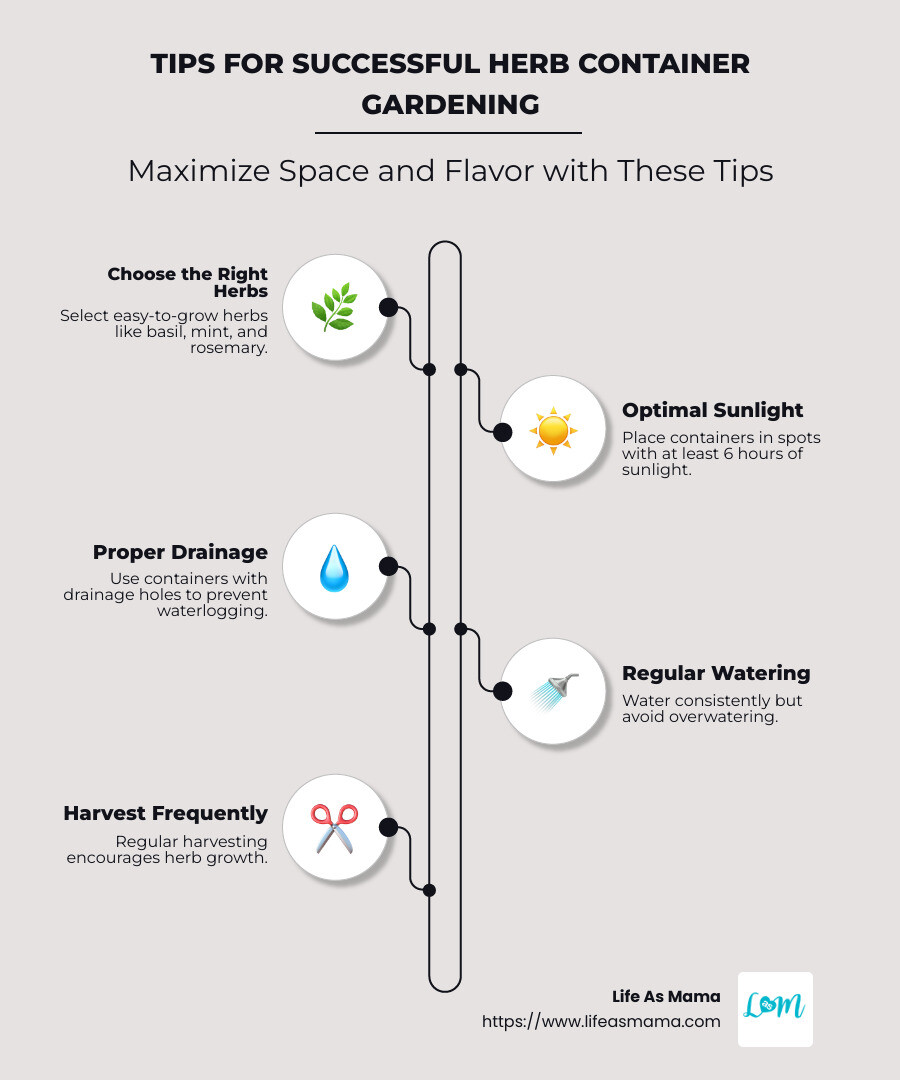
Container gardening for herbs offers an easy and efficient way to grow fresh flavors right in your home, even in the smallest spaces. By choosing the right pots and selecting easy-to-grow herbs like basil, mint, or rosemary, you can transform a sunny windowsill or a small balcony into a thriving mini-garden. Here’s a quick look at why container gardening is perfect for herbs:
- Space-Saving: Ideal for balconies, patios, and even indoors.
- Accessibility: Harvest fresh herbs at your fingertips.
- Flexibility: Move pots around to catch the best sunlight.
- Aesthetic Appeal: Improve your home with vibrant, fragrant plants.
My name is Amanda Schmitt. With over a decade of experience as an Occupational Therapist, now I focus on helping families create delightful home environments. I’ve been exploring container gardening for herbs, guiding household chefs in cultivating their own fresh ingredients effortlessly.
Planning Your Herb Container Garden
When diving into container gardening for herbs, the first step is planning how to group your herbs. This is crucial for ensuring they thrive together. Herbs with similar needs for sun, water, and soil can share a pot, making your garden both practical and beautiful.
Grouping Herbs
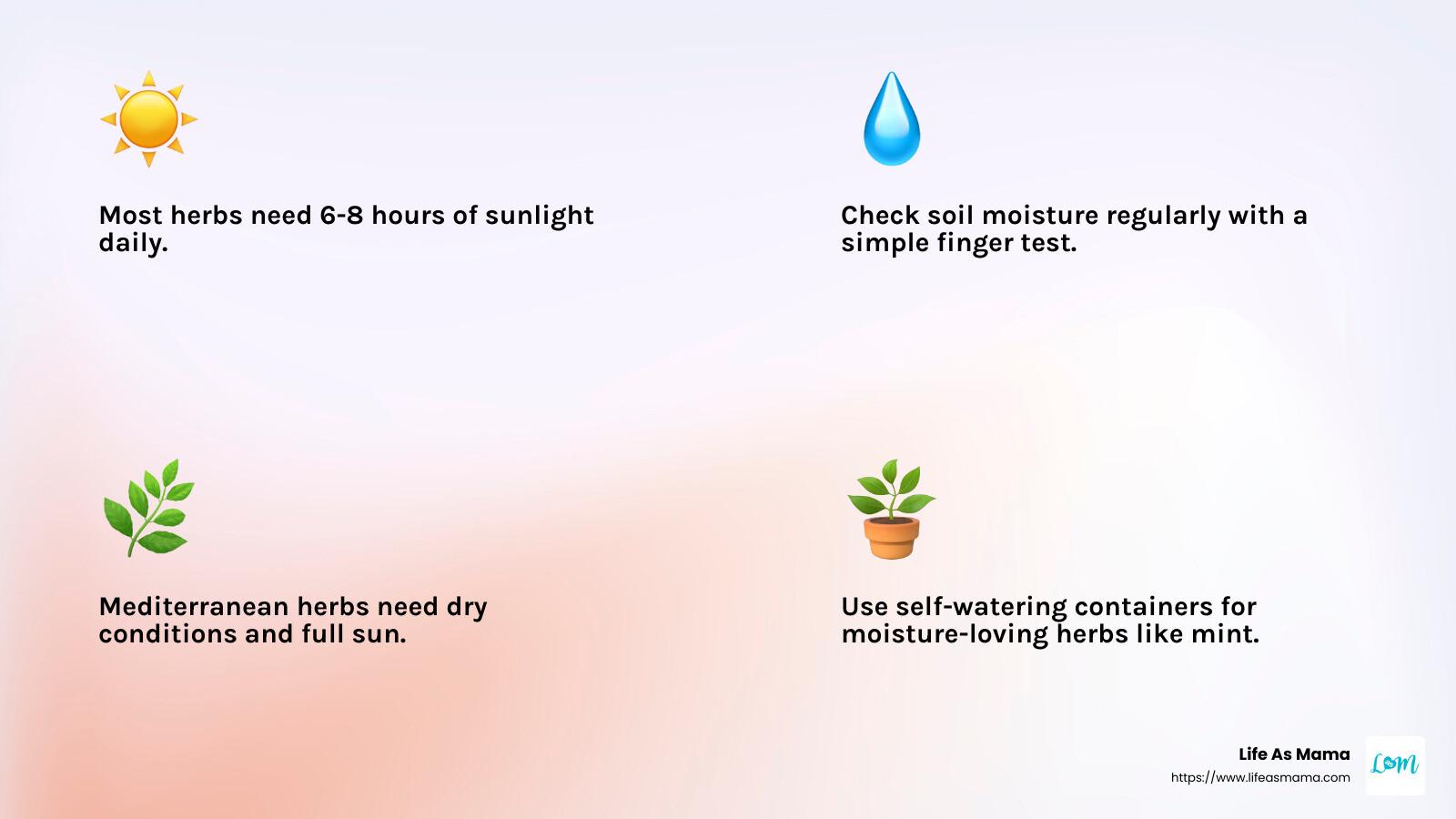
Grouping herbs starts with understanding their sun and water needs. For instance, Mediterranean herbs like rosemary, thyme, and sage thrive in dry conditions and full sun. On the other hand, herbs like parsley and chives prefer more moisture and can tolerate partial shade.
Why is this important?
- Consistency: Grouping herbs with similar needs prevents one plant from being overwatered while another gets just the right amount.
- Healthier Growth: Plants grow better when their environmental needs are met.
Sun and Water Needs
Most herbs need about six to eight hours of sunlight each day. But remember, pots can heat up quickly. If you live in a hot climate, consider shading your herbs during the hottest part of the day to prevent wilting.
Watering Tips:
- Check the soil moisture regularly. A simple finger test can tell you if it’s time to water.
- Self-watering containers can be a great option for moisture-loving herbs like mint and parsley.
Decorative Elements
Herbs as Decor
Herbs aren’t just useful; they can also be decorative. Mixing herbs with annuals or perennials that have similar care requirements can add texture and fragrance to your container garden. For example, lavender not only smells great but also adds a lovely pop of purple to your space.
Tips for a Decorative Herb Garden:
- Variety: Use different leaf shapes and colors for visual interest.
- Height: Mix tall herbs like dill with shorter ones like thyme to create layers.
By thoughtfully planning your herb container garden, you can enjoy fresh herbs all season long while adding a touch of nature to your living space.
Choosing the Right Containers
Choosing the right containers is a key step in container gardening for herbs. The right container ensures your herbs thrive by providing adequate drainage and the right environment for their roots.
Drainage
Herbs hate soggy roots. Without proper drainage, they can drown, leading to root rot and other issues. If your container doesn’t have drainage holes, add some. Space these holes every 3 to 4 inches to ensure excess water can escape.
Why is drainage crucial?
- Prevents Overwatering: Allows excess water to escape, reducing the risk of root rot.
- Healthy Roots: Promotes a healthy root environment, essential for plant growth.
Terracotta Pots
Terracotta pots are a popular choice for herb gardening. They are breathable, allowing air and moisture to pass through the walls, which helps prevent overwatering.
Benefits of Terracotta Pots:
- Porous Nature: Helps to regulate soil moisture.
- Natural Look: Offers a rustic and natural appearance that complements any garden.
However, terracotta pots can dry out quickly, so they may require more frequent watering, especially in hot climates.
Self-Watering Containers
For those who might forget to water regularly, self-watering containers are a lifesaver. These containers have a reservoir at the bottom that supplies water to the soil as needed.
Advantages of Self-Watering Containers:
- Consistent Moisture: Keeps soil moisture consistent, perfect for moisture-loving herbs like basil and mint.
- Ease of Use: Reduces the frequency of watering, making it ideal for busy gardeners.
When selecting your containers, consider the needs of your herbs and your lifestyle. The right container can make all the difference in achieving a thriving, flavorful herb garden.
Best Herbs for Container Gardening
When it comes to container gardening for herbs, choosing the right herbs can make all the difference. Here are five top picks that thrive in containers and bring big flavor to your kitchen:
Mint
Mint is a vigorous grower and can quickly take over a garden bed. That’s why it’s perfect for containers. It prefers moist soil and partial shade, making it adaptable to various lighting conditions. Keep mint in its own pot, as it can spread aggressively through runners.
Why grow mint?
– Versatile Uses: Perfect for teas, desserts, and cocktails.
– Refreshing Aroma: Adds a fresh scent to your garden.
Thyme
Thyme is a hardy herb that loves the sun and dry conditions. It’s ideal for small spaces since it grows more vertically than horizontally. This herb pairs well with Mediterranean dishes and adds a savory depth to your cooking.
Why grow thyme?
– Low Maintenance: Requires minimal watering and thrives in full sun.
– Culinary Staple: Essential for seasoning meats, soups, and stews.
Rosemary
Rosemary is another sun-loving herb that does well in containers. It prefers dry conditions, so ensure good drainage. Its woody stems and fragrant leaves make it a beautiful addition to any herb garden.
Why grow rosemary?
– Aesthetic Appeal: Adds structure and fragrance to your container garden.
– Flavorful Herb: Perfect for roasting meats and vegetables.
Basil
Basil loves warm weather and moist soil, making it a great candidate for self-watering containers. It’s a staple in Italian cuisine and pairs beautifully with tomatoes and mozzarella.
Why grow basil?
– Quick Growth: Provides a fast harvest during the growing season.
– Culinary Favorite: Ideal for pesto, salads, and pasta dishes.
Oregano
Oregano thrives in full sun and well-drained soil. It’s a must-have for Italian and Greek dishes, offering a robust flavor that improves sauces and marinades.
Why grow oregano?
– Hardy Plant: Tolerates drought and poor soil conditions.
– Rich Flavor: Essential for pizza and pasta sauces.
By selecting these herbs, you can create a thriving container garden that provides fresh, flavorful ingredients for your meals. Remember to consider each herb’s specific needs for sunlight and watering to ensure a successful and bountiful harvest.
Container Gardening for Herbs: Tips and Tricks
Creating a thriving container garden for herbs requires attention to a few key factors: soil, sun, fertilizing, and harvesting.
Soil Requirements
For container gardening, using the right soil is crucial. Opt for a high-quality potting mix that ensures good drainage. This prevents your herbs from sitting in water, which can lead to root rot.
- Tip: Avoid garden soil, which is often too dense for containers. Instead, look for a mix that contains perlite or vermiculite to improve aeration.
Sun Exposure
Most herbs thrive in full sun, needing at least six to eight hours of sunlight per day. However, some herbs like mint and parsley can tolerate partial shade.
- Tip: If you live in a hot climate, consider moving your containers to a shaded area during the hottest part of the day to prevent wilting.
Fertilizing
Herbs generally don’t require much fertilizer. In fact, over-fertilizing can reduce their flavor. A balanced, slow-release fertilizer applied every six weeks should suffice.
- Tip: Herbs like thyme and oregano prefer lean conditions and can become less flavorful if overfed. Less is more with these herbs.
Harvesting
Regular harvesting encourages your herbs to grow bushier and more robust. Snip or pinch back often, but avoid removing more than one-third of the plant at a time to keep it healthy.
- Tip: Harvest in the morning after the dew has dried but before the sun is too strong. This is when the essential oils in the leaves are most potent, providing maximum flavor.
By following these tips, your container garden for herbs will not only thrive but also provide you with a continuous supply of fresh, flavorful herbs. Up next, we’ll explore how to combine different herbs in pots based on their culinary uses and growing conditions.
Combining Herbs in Pots
Container gardening for herbs offers the flexibility to mix and match your favorite flavors right at home. By combining herbs that complement each other in taste and growing conditions, you can create themed gardens that cater to your culinary trips. Here’s how to get started with some popular combinations:
Mediterranean Herbs
Mediterranean herbs thrive in sunny, dry conditions, making them perfect companions in a pot. Consider planting rosemary, basil, oregano, sage, thyme, and lavender together. These herbs are staples in Mediterranean cuisine, bringing a taste of the region to your dishes.
- Tip: Use a well-draining soil and ensure the pot receives plenty of sunlight to mimic their native habitat.
Mexican Herbs
For a garden that adds zest to your Mexican dishes, combine cilantro, oregano, cumin, mint, parsley, and chile peppers. These herbs love the sun and can handle the heat, just like the cuisine they flavor.
- Tip: Be mindful of watering, as cilantro and mint prefer more moisture compared to the others.
Indian Herbs
Create an Indian herb garden by grouping holy basil, mint, curry, mustard, fennel, coriander, and dill. These herbs are key ingredients in many Indian recipes, offering a rich mix of flavors.
- Tip: Ensure that your pot has good drainage and that the herbs receive ample sunlight, but consider partial shade during the hottest parts of the day.
Tea Gardens
A tea garden can be a delightful addition to your home. Combine mint, chamomile, lemon verbena, lemon balm, stevia, lavender, rosemary, and sage for a soothing selection of flavors perfect for brewing.
- Tip: Many of these herbs can tolerate partial shade, making them versatile for different lighting conditions.
Cocktail Gardens
For a refreshing twist in your beverages, try a cocktail garden with mint, rosemary, basil, sage, and lavender. These herbs can lift your drinks with their aromatic and flavorful notes.
- Tip: Place the pot near a kitchen window or patio for easy access when crafting your next cocktail.
By thoughtfully combining herbs in pots, you can improve your cooking and entertaining with fresh, homegrown flavors. Up next, we’ll answer some frequently asked questions about container gardening for herbs.
Frequently Asked Questions about Container Gardening for Herbs
What herbs grow best in containers?
When it comes to container gardening for herbs, certain varieties thrive particularly well. Mint, thyme, rosemary, sage, and bay are top choices for container growth. These herbs are adaptable and can flourish in limited space, making them ideal for small gardens or indoor setups.
- Mint: This herb is vigorous and can spread rapidly, so a container is perfect for keeping it contained.
- Thyme: Prefers well-drained soil and plenty of sunlight, making it a great fit for pots.
- Rosemary: Enjoys dry conditions and benefits from being in a sunny spot.
- Sage: Thrives in containers with its preference for well-drained soil and full sun.
- Bay: A slow-growing herb that does well in containers, allowing for easy management of its growth.
What herbs should not be potted together?
While mixing herbs in a pot can be beneficial, some combinations should be avoided due to differing growth needs:
- Basil and oregano: Basil loves moisture, while oregano prefers drier conditions, making them incompatible in the same container.
- Rosemary and sage: Both enjoy dry conditions, but rosemary’s larger size can overshadow and compete with sage for space.
- Mint and fennel: Mint’s aggressive growth can easily overtake fennel, which requires more space to thrive.
How many herbs can I plant in a 5-gallon bucket?
A 5-gallon bucket offers a decent amount of space for container gardening. However, the number of herbs you can plant depends on the size of their root systems and their growth habits. Here’s a quick guide:
- Root systems: Herbs with smaller root systems, like thyme or chives, can be planted more densely. You might fit three to four of these herbs comfortably.
- Larger herbs: For herbs like rosemary or bay, which have more extensive root systems, it’s best to limit to one or two per bucket to ensure adequate room for growth.
Using a high-quality potting mix is crucial. It provides the necessary nutrients and ensures good drainage, which is vital for healthy herb growth.
By choosing the right herbs and understanding their needs, you can maximize your space and enjoy a thriving container herb garden. Stay tuned for more tips on making the most of your gardening efforts!
Conclusion: Essential Tips for Container Gardening with Herbs
At Life As Mama, we believe that gardening should be accessible and enjoyable for everyone, regardless of space constraints. Our practical guides are designed to make container gardening for herbs a breeze, offering family-friendly tips that cater to both novice and experienced gardeners alike.
Container gardening is not just about growing plants; it’s about cultivating a lifestyle that accepts fresh flavors and natural beauty right at your doorstep. Whether you’re planting on a sunny balcony or a cozy kitchen windowsill, the joy of harvesting your own herbs is best. Mint, thyme, rosemary, sage, and bay are just some of the herbs that thrive in containers, bringing vibrant flavors and aromas to your family meals.
Our approach is simple yet effective. We provide easy-to-follow steps for planning, choosing the right containers, and selecting the best herbs for your needs. By focusing on practical solutions, we aim to empower you to create a flourishing herb garden that fits seamlessly into your daily life.
Join us on this gardening journey and transform your small spaces into a haven of big flavors. For more inspiration and expert tips, explore our best fall potted flowers guide. Together, let’s make gardening a family affair, filled with learning, growth, and delicious rewards.
Related Images:

Amanda Schmitt
Latest posts by Amanda Schmitt (see all)
- 20+ First Day of School Traditions to Make the Day Special - August 23, 2026
- Fruit Infused Waters That Make Summer Hydration Fun - July 1, 2025
- Light Up Your Life: Home Lighting Decoration Ideas - June 30, 2025