Winter may not be the most favorable season for gardening, but it doesn’t mean you have to put your green thumbs to rest until spring arrives. With the right winter gardening ideas, you can enjoy a vibrant and thriving landscape throughout the year. If you’re looking for inspiration to transform your outdoor space into a winter wonderland, you’ve come to the right place!
In this section, we’ll share some of the best winter gardening ideas, including which plants thrive in cold weather conditions and how to design a winter garden that will truly impress. Whether you’re a seasoned gardener or just starting, these tips and tricks will help you create a lush and beautiful winter landscape.
Key Takeaways:
- Winter gardening is an opportunity to create a beautiful and vibrant landscape all year round
- Choosing the right plants is crucial for successful winter gardening
- Winter garden design can be just as important as plant selection
- With the right care and protection, plants can thrive even in harsh winter conditions
- Winter gardening can attract wildlife and provide fresh produce throughout the season
Embracing the Cold: Cold Weather Gardening Tips
Winter gardening can be challenging, but with the right care and preparation, your plants can thrive even in the coldest conditions. Follow these cold weather gardening tips to keep your garden healthy and vibrant throughout the winter season.
Protect Your Plants From Frost
Freezing temperatures can damage or kill your plants. To protect them from frost, cover them with blankets, burlap, or other suitable materials. Make sure the cover is secured tightly around the plant, but not too tightly to avoid crushing it. Remove the cover during the day to allow the plant access to sunlight and air.
Provide Adequate Moisture
Winter can be a dry season, so it’s important to ensure your plants get enough moisture. Water them regularly, but be careful not to overwater, as excess moisture can lead to root rot. Use a moisture meter to check the soil’s moisture level, and water only when needed. Mulching can also help retain moisture in the soil.
Prune With Care
Winter is a good time to prune your plants, as they are dormant and less susceptible to damage. However, be careful not to prune too much, as it can stimulate new growth that is vulnerable to frost damage. Only prune dead, diseased, or damaged branches, and avoid pruning in freezing temperatures.
Use Winter-Friendly Plants
Choose plants that are suited for cold weather, such as evergreens, winterberries, and holly. These plants can withstand low temperatures and add color and interest to your winter garden. Consult with your local nursery or gardening expert for advice on the best plants for your region.
Prevent Pest Infestations
Winter is a time when many pests go dormant, but some, such as spider mites and scale insects, can still be active. Inspect your plants regularly for signs of infestation, such as discoloration or sticky residue on leaves. If you notice any problems, treat them promptly with organic or chemical insecticides.
Reduce Salt Damage
De-icing salts used on walkways and roads can damage your plants by absorbing moisture from the soil and causing salt buildup. To reduce salt damage, use non-salt de-icing alternatives, such as sand or ash. If using salt, apply it sparingly and avoid getting it on your plants. Rinse plants with water in the spring to remove any salt residue.
By following these cold weather gardening tips, you can keep your garden healthy and beautiful throughout the winter season. With a little care and attention, your plants will thrive and provide you with joy and beauty all year round.
Bring the Outdoors In: Indoor Gardening during Winter
Don’t let the cold weather stop you from enjoying gardening. Bring the outdoors in with indoor gardening during winter. Not only will this allow you to continue your passion, but it can also improve the air quality in your home and provide a sense of calm and relaxation in the midst of winter.
Choosing the Right Houseplants
When it comes to indoor gardening during winter, choosing the right houseplants is crucial. Look for plants that can tolerate lower light and cooler temperatures, such as peace lilies and spider plants. Succulents and cacti are also great options for indoor winter gardening.
Another important factor to consider is the size of the plant. Make sure it fits well in the space you have available and won’t overcrowd other plants. You can also mix and match different plant varieties and sizes to create a beautiful and diverse indoor garden.
Creating a Cozy Indoor Garden Space
Transform any room in your home into a cozy indoor garden space with a few simple additions. Consider adding shelves or hanging planters to make the most of vertical space. Place plants near windows to ensure they receive the proper amount of light.
You can also add decorative elements such as rocks, shells, and figurines to add visual interest and personality to your indoor garden. Don’t be afraid to get creative with your design and make it your own.
Winter Plant Care Tips
Just like outdoor plants, indoor plants require proper care during the winter season. Make sure to water them regularly and provide adequate drainage to prevent root rot. You can also fertilize them with plant food to help them thrive.
To ensure your indoor plants receive enough light, consider using grow lights or placing them near a window with southern or eastern exposure. You can also rotate your plants every few weeks to ensure they receive light from all angles.
“Indoor gardening during winter is a great way to continue your passion and improve the air quality in your home.”
Sowing the Seeds of Success: Growing Plants in Winter
Winter gardening offers a unique opportunity to grow a variety of plants, even in the coldest months. With the right techniques and strategies, you can enjoy a thriving garden all year long.
Winter Sowing
One popular technique for growing plants in winter is winter sowing. This method involves starting plants from seed outdoors, in miniature greenhouses made from recycled materials. Winter sowing is an effective way to grow cold-hardy plants such as lettuce, kale, and peas.
Creating Protective Structures
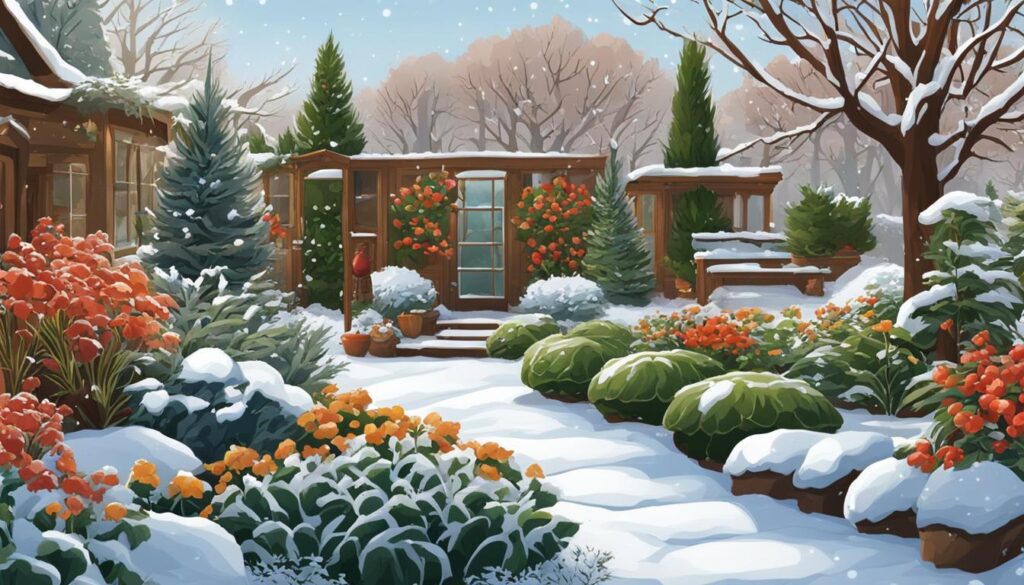
Protecting your plants from harsh winter conditions is essential for successful winter gardening. Creating protective structures such as cloches or cold frames can provide a microclimate for your plants and help them thrive. These structures can be made from a variety of materials such as plastic, glass, or even hay bales.
Managing Soil Moisture
Winter gardening requires a delicate balance of soil moisture. Too much moisture can cause root rot, while too little can lead to dry and brittle plants. Adding organic matter such as compost or mulch to your soil can help regulate moisture levels and keep your plants healthy.
Selecting Winter-Hardy Plants
Choosing the right plants for winter gardening is essential for success. Look for cold-hardy varieties such as evergreens, hollies, and winter jasmine. These plants can add color and interest to your garden, even during the dreariest of winter days.
Using Grow Lights
If you’re growing plants indoors during the winter, using grow lights can help ensure your plants receive the proper amount of light. Choose full-spectrum grow lights that mimic natural sunlight for best results.
Table: Winter Gardening Techniques
| Technique | Description |
|---|---|
| Winter Sowing | Starting plants from seeds outdoors in miniature greenhouses made from recycled materials. |
| Creating Protective Structures | Building structures such as cloches or cold frames to provide a microclimate for plants. |
| Managing Soil Moisture | Using organic matter such as compost or mulch to regulate moisture levels in soil. |
| Selecting Winter-Hardy Plants | Choosing plants that can withstand cold temperatures and winter conditions. |
| Using Grow Lights | Using full-spectrum grow lights to provide optimal lighting for indoor plants. |
By utilizing these winter gardening techniques, you can create a thriving garden even in the midst of winter. Experiment with different plants and strategies to discover what works best for your individual gardening needs.
Winter Gardening Hacks: Tips and Tricks for a Thriving Garden
Winter gardening can be challenging, but with these hacks, you can make the most out of your winter garden and create a lush, year-round paradise.
1. Create Microclimates
Microclimates are small areas within your garden that have a slightly different climate than the rest of your garden. By creating microclimates, you can grow plants that wouldn’t normally survive in your area. For example, you can create a microclimate by building a small greenhouse or using a cold frame to protect your plants from the cold.
2. Repurpose Household Items
Don’t throw away those old plastic containers! Use them as mini greenhouses to start seeds indoors. You can also use old blankets or sheets to cover your plants during cold nights. Repurposing household items is a great way to save money and give your garden a unique touch.
3. Use Row Covers
Row covers are made from lightweight fabric and can be used to protect your plants from frost, wind, and pests. They allow sunlight and water to pass through while creating a barrier against harsh weather conditions.
4. Plant Winter Cover Crops
Cover crops are planted to protect and enrich the soil during the winter months. They also help to reduce soil erosion and suppress weed growth. Some examples of winter cover crops include winter rye, clover, and field peas.
5. Try Winter Sowing
Winter sowing is a low-cost, low-maintenance way to start seeds outdoors during the winter months. All you need is a container, soil, and some seeds. The container is then left outside and nature takes care of the rest. Winter sowing is a great way to grow a variety of plants, including flowers, vegetables, and herbs.
With these winter gardening hacks, you can enjoy a thriving garden even during the coldest months of the year. Don’t let the winter weather stop you from gardening – get creative and experiment with these tips to create a stunning and vibrant winter landscape.
Cozy and Chic: Winter Garden Design Ideas
Winter gardens don’t have to be dreary and boring! With the right design elements, you can create a cozy and inviting outdoor space that’s perfect for enjoying the crisp winter air. Here are some winter garden design ideas to inspire you:
1. Incorporate Evergreens
Evergreens are a winter garden classic! These plants retain their foliage year-round, adding a touch of greenery to your winter landscape. Some popular evergreens to consider include:
| Plant | Description |
|---|---|
| Boxwood | A classic, evergreen shrub that can be shaped into hedges or topiaries. |
| Holly | Famous for its bright red berries and glossy green leaves, this shrub or tree also makes a great winter accent. |
| Thuja | A coniferous evergreen that can be used as a privacy screen or as vertical interest. |
These plants can also be used for winter garden pots and containers, adding a pop of green to your doorstep.
2. Add Pops of Color with Winter-Blooming Plants
Who said winter has to be colorless? There are several plants that bloom during the winter months, adding a much-needed dose of color to your garden. Some of these plants include:
- Hellebores: Known as the Christmas or Lenten rose, these plants bloom in shades of pink, white, and purple.
- Winter Jasmine: This plant has tubular, yellow flowers that bloom in winter and early spring.
- Camellias: These plants have dark green foliage and produce large, showy flowers in shades of pink, white, and red.
Adding these plants to your garden can create a stunning winter landscape.
3. Use Contrasting Textures and Forms
Winter gardens are the perfect opportunity to play with contrasting textures and forms. For example, you can pair spiky evergreens with round shrubs, or mix fine-textured grasses with bold foliage plants. This creates visual interest and adds depth to your garden.
4. Create a Cozy Seating Area
Why not create a cozy seating area in your winter garden? This allows you to enjoy the fresh air while staying warm and comfortable. A few elements to consider include:
- An outdoor fire pit or chiminea.
- Comfortable seating, such as outdoor sofas or chairs.
- Outdoor lighting, such as string lights or lanterns.
Don’t forget to add some winter garden pots and containers filled with plants to complete the ambiance!
Winter garden design ideas are endless! Experiment with different plants and design elements to create a stunning winter landscape that’s cozy and inviting.
Winter Wonderland: The Beauty of Ornamental Plants
Winter gardens don’t have to be dull and lifeless, and ornamental plants are the perfect way to add beauty and interest to your landscape. From stunning bark and foliage to colorful berries, these plants provide a dazzling display that will make your winter garden shine.
The Best Plants for Winter Gardening
When choosing ornamental plants for your winter garden, it’s important to select varieties that can withstand cold temperatures and harsh weather conditions. Here are some of the best plants for winter gardening:
| Plant | Description |
|---|---|
| Hellebores | Also known as “Christmas roses,” these plants bloom in shades of pink, purple, and white during the winter months. They are evergreen and thrive in shady areas. |
| Winterberry | This deciduous shrub produces bright red berries that persist into the winter. It grows well in moist soil and full sun to partial shade. |
| Red Twig Dogwood | This shrub produces bright red stems that provide a stunning contrast against a winter landscape. It grows best in full sun and moist soil. |
| Pine Trees | Evergreen pine trees provide year-round interest in your winter garden. They come in a variety of sizes and shapes, making them versatile for any landscape. |
These plants will add color and texture to your winter garden, creating a beautiful winter wonderland.
Winter Garden Design Ideas
When it comes to incorporating ornamental plants into your winter garden design, there are many creative options to explore. Here are some ideas to inspire your winter garden design:
- Plant winter-blooming flowers in containers to create a focal point in your outdoor space.
- Incorporate evergreens like spruce, fir, and pine trees to provide year-round interest.
- Add pops of color with brightly colored berries, such as winterberry, nandina, and viburnum.
- Use ornamental grasses to add texture and movement to your winter landscape.
- Include plants with interesting bark, such as paperbark maple or red twig dogwood, to provide visual interest in the winter months.
With these winter garden design ideas, you can transform your outdoor space into a cozy and inviting sanctuary.
Frosty Delights: Edible Winter Plants
Winter gardening isn’t just about creating a beautiful landscape; it’s also an opportunity to grow fresh and nutritious produce during the colder months. With the right planning and care, you can enjoy a bountiful harvest of winter crops. Here are some of the best plants for winter gardening that can thrive in the frosty season:
| Plant | Best Growing Conditions | Care Tips |
|---|---|---|
| Kale | Full sun to partial shade; well-draining soil with compost | Water regularly; protect from pests with row covers or netting |
| Spinach | Partial shade; well-draining soil with compost | Mulch to protect from winter frost; water regularly |
| Carrots | Full sun; well-draining soil enriched with organic matter | Protect from frost with a layer of mulch or straw; water deeply and infrequently |
| Garlic | Full sun; well-draining soil enriched with organic matter | Plant in fall for harvest in midsummer; protect from frost with mulch |
Don’t forget about herbs, too! Many herbs can be grown indoors or in a sheltered outdoor area during winter, providing fresh flavors for your winter dishes. Some popular herbs for winter gardening include:
- Chives
- Parsley
- Thyme
- Sage
When it comes to caring for your winter crops, there are a few key tips to keep in mind:
- Protect from frost: Winter crops are vulnerable to frost damage, so be sure to cover them with blankets or row covers on cold nights.
- Water deeply and infrequently: While it’s important to keep your plants hydrated, overwatering can cause root rot. Water deeply once a week or as needed.
- Harvest regularly: Winter crops can become tough or bitter if left on the plant for too long. Harvest regularly to ensure fresh and flavorful produce.
With these winter gardening ideas and tips, you can grow a variety of delicious produce even during the coldest months of the year. So roll up your sleeves, grab a pair of gloves, and start sowing the seeds of a bountiful winter harvest.
Winter Gardening for Wildlife: Creating a Haven
If you want to attract wildlife to your winter garden, selecting the right plants is key. Not all plants provide the necessary food and shelter for wildlife, especially during the colder months. Here are some of the best plants for winter gardening that will help you create a haven for wildlife:
| Plant | Wildlife Attracted |
|---|---|
| Winterberry | Birds, Butterflies |
| Hamamelis | Bees |
| Buddleia | Butterflies |
| Black-Eyes Susan | Birds, Butterflies |
These plants not only provide food and shelter for wildlife, but they also add beauty and interest to your winter landscape. Incorporating water features such as bird baths or fountains is another great way to attract wildlife to your garden.
Winter Wildlife Care
When caring for your plants during the winter, it is important to keep in mind the needs of the wildlife that inhabit your garden. Avoid using pesticides or herbicides that can harm or deter wildlife. Instead, opt for natural remedies such as introducing ladybugs or praying mantises to control pests.
Providing adequate water and food sources can also help wildlife survive the winter. Consider adding bird feeders or nesting boxes to attract birds to your garden, and plant native species that provide natural sources of food.
Incorporating these tips into your winter gardening routine can help you create a thriving winter garden that is not only beautiful but also a haven for wildlife. By choosing the right plants and providing the necessary care, you can create an outdoor space that nurtures both plants and creatures, even during the coldest months of the year.
Protecting Your Plants: Winter Plant Care Tips
If you want to keep your winter garden looking its best, it’s essential to take good care of your plants throughout the season. Here are some winter plant care tips to help protect your plants and ensure their health and vitality during the colder months.
1. Mulching
Mulching is an effective way to protect plants and help them retain moisture during winter. Apply a layer of organic mulch around the base of your plants, leaving a two-inch gap around the stalk to prevent rot. Mulching also helps to regulate soil temperature, keeping roots warm and protected from frost.
2. Watering
Proper watering is critical for winter plant care. Water your plants deeply to ensure they have adequate moisture, but avoid overwatering. Keep in mind that dormant plants require less water than actively growing plants. Be sure to water early in the day to allow excess moisture to evaporate before the temperature drops at night, which can lead to frost damage.
3. Pruning
Pruning provides several benefits for winter plant care. It helps to remove dead or damaged parts of the plant, preventing them from rotting and spreading disease. Pruning also encourages healthy growth and increases flower production come spring.
4. Protecting from Frost
Frost can damage or kill tender plants, so it’s essential to protect them during cold snaps. Cover your plants with blankets, sheets, or frost cloth when frost is in the forecast. You can also use a variety of protective structures, such as cloches or cold frames, to provide additional insulation.
5. Choosing Winter-Resistant Plants
When choosing plants for your winter garden, opt for varieties that are naturally resistant to cold weather. Winter-resistant plants can withstand freezing temperatures and harsh winter conditions without suffering damage. Some examples include holly, winter jasmine, and ornamental kale.
By following these winter plant care tips, you can ensure your plants stay healthy and vibrant throughout the colder months. Don’t let winter weather get in the way of enjoying a beautiful garden.
Planning for Spring: Preparing Your Winter Garden for the Next Season
Winter gardening may seem like a daunting task, but with proper planning and preparation, you can ensure a successful growing season come spring. Follow these winter gardening ideas, winter plant care tips, and winter gardening techniques to give your garden the best possible chance to thrive.
Soil Improvement
Start by improving the quality of your soil. Add organic matter such as compost or well-rotted manure to increase its fertility and water-holding capacity. Test your soil’s pH level and make any necessary adjustments to ensure it is within the optimal range for your chosen plants.
Pruning and Maintenance
Perform any necessary pruning and maintenance on your existing plants, removing dead or diseased branches and shaping them as needed. This will not only promote healthy growth but also enhance the aesthetic appeal of your garden.
Planning for New Plantings
Take the time to plan for new plantings. Research the best plants for your climate and soil conditions, and create a planting schedule to ensure proper timing for each plant.
Protective Structures
Consider using protective structures such as cloches, row covers, and cold frames to extend your winter gardening season and provide additional protection for your plants.
Winter Plant Care Tips
Continue to care for your plants throughout the winter season. Water them regularly, but be sure not to overwater as this can lead to root rot. Monitor for pests and diseases and take appropriate action if necessary.
Clean Up
Finally, before the start of the growing season, perform a thorough clean-up of your garden. Remove any debris, dead leaves, or other decaying matter that can harbor pests and diseases. This will help ensure a healthy and thriving garden come spring.
Conclusion
Winter gardening may seem daunting, but it presents a unique opportunity to create a lush and thriving landscape even during the coldest months of the year. By embracing cold weather gardening tips, pursuing indoor gardening during the winter, and sowing the seeds of success with winter gardening techniques, you can create a beautiful winter garden that lasts all season long. Remember to utilize winter gardening hacks, embrace winter garden design ideas, and experiment with ornamental and edible winter plants to create a winter wonderland that is as functional as it is beautiful.
Taking Care of Your Plants
Winter plant care is essential to maintaining a healthy garden throughout the colder months. Remember to protect your plants from frost and provide adequate moisture to ensure they thrive in the winter weather. There are many strategies to protect your plants, including mulching and proper pruning techniques, so take the time to research which methods work best for your winter garden.
Preparing for Spring
As winter comes to a close, it’s essential to prepare your winter garden for the upcoming spring season. Soil improvement and planning for new plantings are just a few ways to lay the foundation for a successful growing season ahead. By taking the necessary steps to prepare your winter garden for spring, you’ll be able to enjoy a beautiful, thriving landscape all year round.
Embrace the beauty of winter gardening and unlock the potential of your outdoor space. With the right winter gardening ideas, techniques, and strategies, you can create a lush, year-round paradise that will bring joy and beauty to your surroundings. Start your winter gardening journey today and discover the endless possibilities of a thriving winter garden.
FAQ
What are some winter gardening ideas for creating a lush and vibrant landscape?
Winter gardening offers a variety of possibilities for creating a stunning landscape even during the coldest months. Some ideas include incorporating evergreen plants, using winter-blooming flowers, and adding pops of color with ornamental berries.
How can I effectively care for my plants during the winter season?
To take care of your plants during winter, it’s important to protect them from frost, provide adequate moisture, and avoid overwatering. Mulching around the plants and providing a protective structure can also help shield them from harsh weather conditions.
Can I continue gardening indoors during winter?
Absolutely! Indoor gardening during winter is a great way to continue your gardening passion. Choose the right houseplants that thrive in low-light conditions and create a cozy indoor garden space with proper lighting and temperature control.
What are some techniques for growing plants in winter?
There are various techniques for successful winter plant growth. Winter sowing, for example, involves planting seeds outdoors in containers during the winter months. Creating protective structures like cold frames or hoop houses can also help extend the growing season.
What are some practical winter gardening hacks?
Winter gardening hacks can help you overcome challenges and ensure your garden thrives. Creating microclimates by using reflective materials, repurposing household items for plant protection, and using grow lights to supplement natural light are just a few hacks to consider.
How can I design a cozy and inviting winter garden?
Designing a cozy winter garden involves incorporating evergreen plants for year-round foliage, adding pops of color with winter-blooming flowers, and creating inviting seating areas or fire pits to enjoy the beauty of the garden even in cold weather.
What ornamental plants are suitable for winter gardens?
There are many ornamental plants that add beauty to winter gardens. Some examples include plants with colorful berries like holly and winterberry, plants with striking bark or foliage like dogwood and Japanese maple, and plants with unique winter blooms like witch hazel.
Are there edible plants that can be grown during winter?
Absolutely! Winter gardening can include growing delicious edible plants. Consider varieties like spinach, kale, Swiss chard, and root vegetables such as carrots and radishes that can thrive in colder temperatures.
How can I create a winter garden that attracts wildlife?
Creating a wildlife-friendly winter garden involves providing food and shelter for birds and other creatures. Planting native plants that produce seeds or berries, providing bird feeders and birdhouses, and incorporating water features like birdbaths can all attract wildlife to your garden.
What are some essential winter plant care tips?
Protecting your plants during winter requires proper care. Mulching around plants to insulate the roots, avoiding excessive pruning during the winter months, and monitoring soil moisture are important tips to ensure your plants stay healthy and protected.
How can I prepare my winter garden for the upcoming spring season?
Preparing your winter garden for spring involves tasks like improving the soil by adding organic matter, planning for new plantings and starting seeds indoors, and conducting necessary maintenance and pruning to ensure a healthy start to the new growing season.
Related Images:

Amanda Schmitt
Latest posts by Amanda Schmitt (see all)
- Healthy and Quick Back to School Breakfast Ideas - August 27, 2026
- 20 DIY Easter Centerpieces That Aren’t Just for Kids - October 9, 2025
- 18 Adult Birthday Party Themes for a Sophisticated Celebration - October 3, 2025