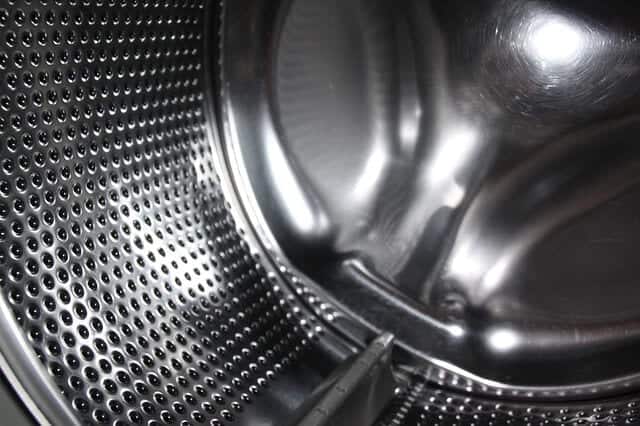
4. Washing Machine
A great way to reduce energy consumption is to not use hot water with every load of laundry. But did you know that means that bacteria is free to live and breathe in your washer? Sure your detergent helps a little, but it actually only dilutes your germy clothes, allowing them to swish around in idea water temperatures and latch on to other clothes! Try doing a least a monthly hot wash, use washing machine cleaner tablets and be sure to wash extra dirty items like towels on the hottest temp.
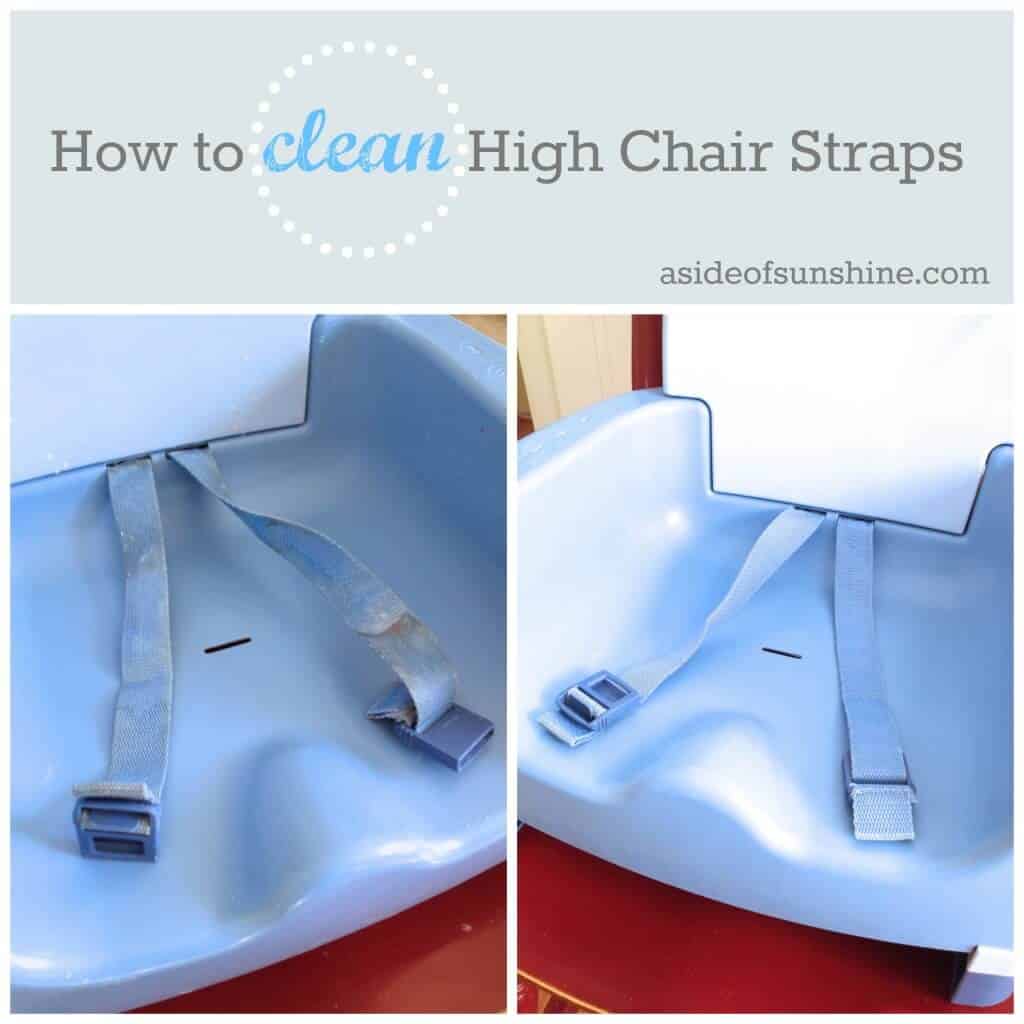
Source: ASideOfSunshine.com
5. High Chair Straps
High chairs are a necessary evil because they keep your own table and chairs from becoming a disaster, while confining your toddlers meals to their own chair that’s SUPPOSED to be easy to clean. Well, makers of high chairs haven’t caught on that those ribbed straps are disgusting and trap food like crazy. Not to mention, our efforts to clean them usually mean leaving wet straps to grow mold and bacteria! Well with a little mixture of bleach, baking soda and dishwashing soap, you can make your high chair like new.
Be sure to get over to ASideOfSunshine.com to see some amazing before and afters and the recipe!
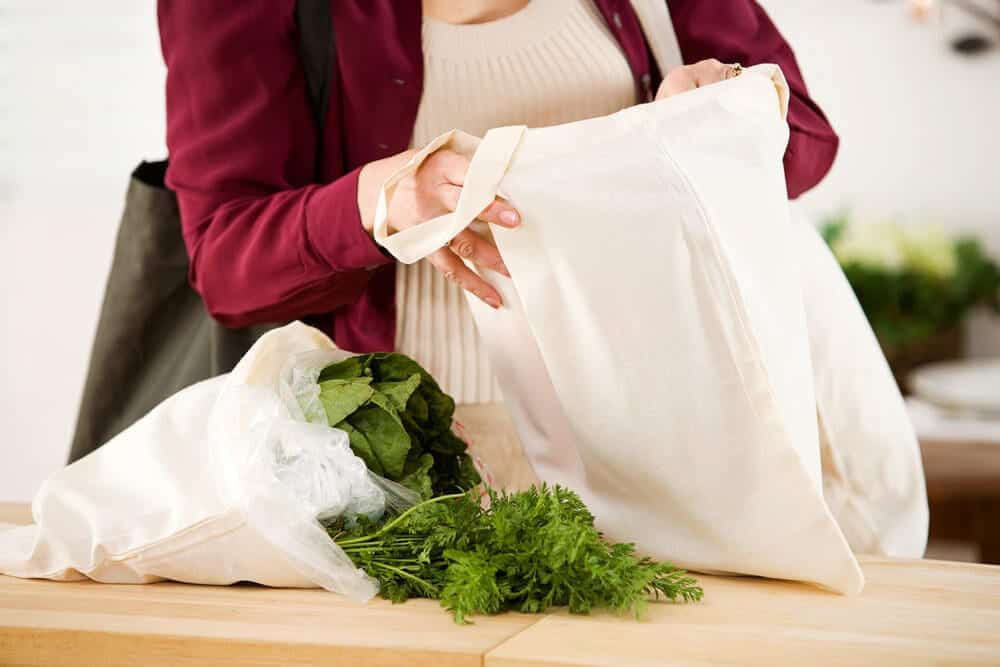
6. Reusable Grocery Bags
You can’t go shopping anymore without a huge sign asking you “did you remember your reusable bags?” It’s great we are all working towards saving the earth, one plastic grocery bag at a time. However, food straight from the store isn’t always washed and raw meats can easily start spreading bacteria from one shopping trip to the next. Remember to regularly wash your bags, double wrap meats when purchasing, and consider creating an antibacterial spray. You can find a great recipe right here!
Related Images:
Karly Wood
Latest posts by Karly Wood (see all)
- Summer Chore Charts to Keep Kids Busy & Productive - July 9, 2026
- 8 Family-Friendly Vegetarian Dinner Recipes - May 21, 2026
- 15 Wonderful White Kitchens to Inspire Your Dream Home Design - January 14, 2019