10. Use Chalk To Remove Grease Stains
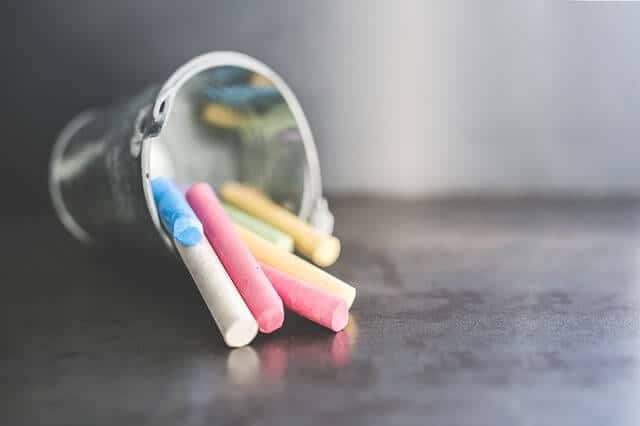
If you have a tough grease stain that won’t come out, try using chalk. I actually just tried this for the first time about a week ago and it worked great! Take the chalk and rub it into the stain, then wash the item as you normally would. The chalk soaks up the stain and will disappear! I always thought that once you had a grease or oil stain in a piece of clothing that it was ruined forever, but not anymore!
11. Remove Red Wine Stains With White Wine
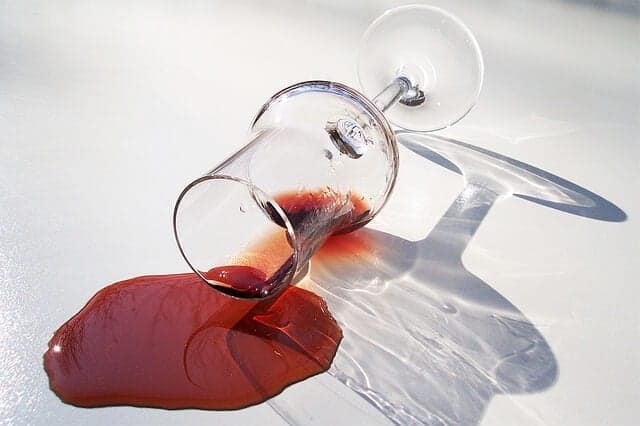
Red wine stains are among the worst of all the stains. They are incredibly hard to remove, but using white wine should actually do the trick. Let the stain soak in some white wine for a few minutes to pretreat the stain, then wash as normal. The red wine should come right out. What a relief!
12. Fix A Stuck Zipper With Vaseline
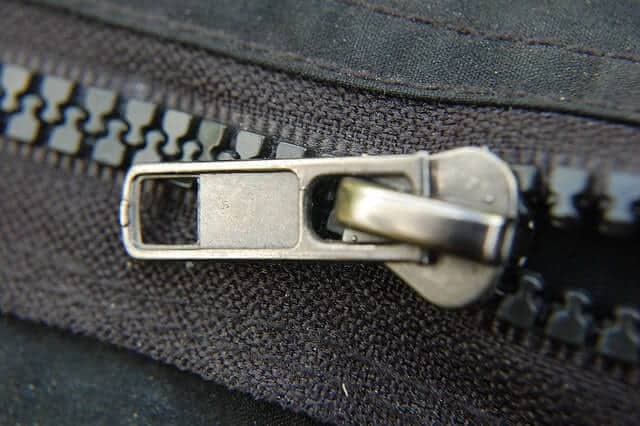
Getting a zipper stuck is incredibly frustrating. It seems like no matter how hard you tug, it just won’t budge. I’ve ended up breaking the zipper on many things because I was trying so hard to fix the stuck zipper. Next time you have this problem take some Vaseline and rub it on the zipper where it’s stuck. It will act as a lubricant and should start to move.
Related Images:

Mary Mulroney
Latest posts by Mary Mulroney (see all)
- 5 Easy Changes To A Healthier You - October 12, 2020
- 7 Great Resources For Affordable And Beautiful Rugs - October 12, 2020
- Tips For Switching To A Dairy-Free Diet - September 29, 2020